








How does siphon coffee brewing actually work?
Siphon coffee brewing uses vacuum extraction. Water in the lower chamber is heated until it produces steam and expands, pushing hot water up into the upper chamber, where it mixes with and extracts the coffee grounds. When the heat is removed and pressure drops, the brewed coffee flows back down through the vacuum tube into the lower chamber, yielding a full-bodied cup with a clear, aromatic character.
The device dates to the early nineteenth century, nearly a hundred years before pour-over coffee appeared. Records show that in 1826 German physicist Johann Norremberg assembled a siphon prototype from laboratory equipment. Although pour-over is now the mainstream choice in specialty cafés, the siphon pot's combination of ritual and visual appeal still draws many enthusiasts. Key practical points include grind size, water temperature, and stirring technique.
Among the many coffee brewing methods, the siphon pot has always held its own place thanks to its unique vacuum extraction principle and its rich, robust flavor profile. Although pour-over coffee has now become the mainstream choice in specialty cafés, the siphon pot's brewing process—combining ritual and visual appeal—still fascinates many coffee enthusiasts. This article will give you a comprehensive understanding of the siphon pot's structure and principles, its history of development, and the key details of actually brewing with it, helping you master this classic piece of equipment and make a cup of aromatic, full-bodied siphon coffee at home.

For more specialty coffee knowledge, please follow the WeChat public account: Front Street Coffee (FrontStreet Coffee)
Don't worry about others' opinions—as long as it's easy for you to operate, the brewing process is relaxed and smooth, and what you taste is pleasant, then for you it's the best coffee extraction method. Some people like the speed and convenience of an American-style coffee maker, while others are captivated by the romance and elegance of the siphon pot; still others favor the rustic directness of a French press, the espresso character of a moka pot, or the layered nuance of pour-over drip... In the end, a method that works well for someone else may not suit you. Finding the brewing method you like most and that fits you best is truly the first step to enjoying the pleasure of making coffee yourself. Next, please join Front Street Coffee (FrontStreet Coffee) in getting to know the world of the siphon pot:
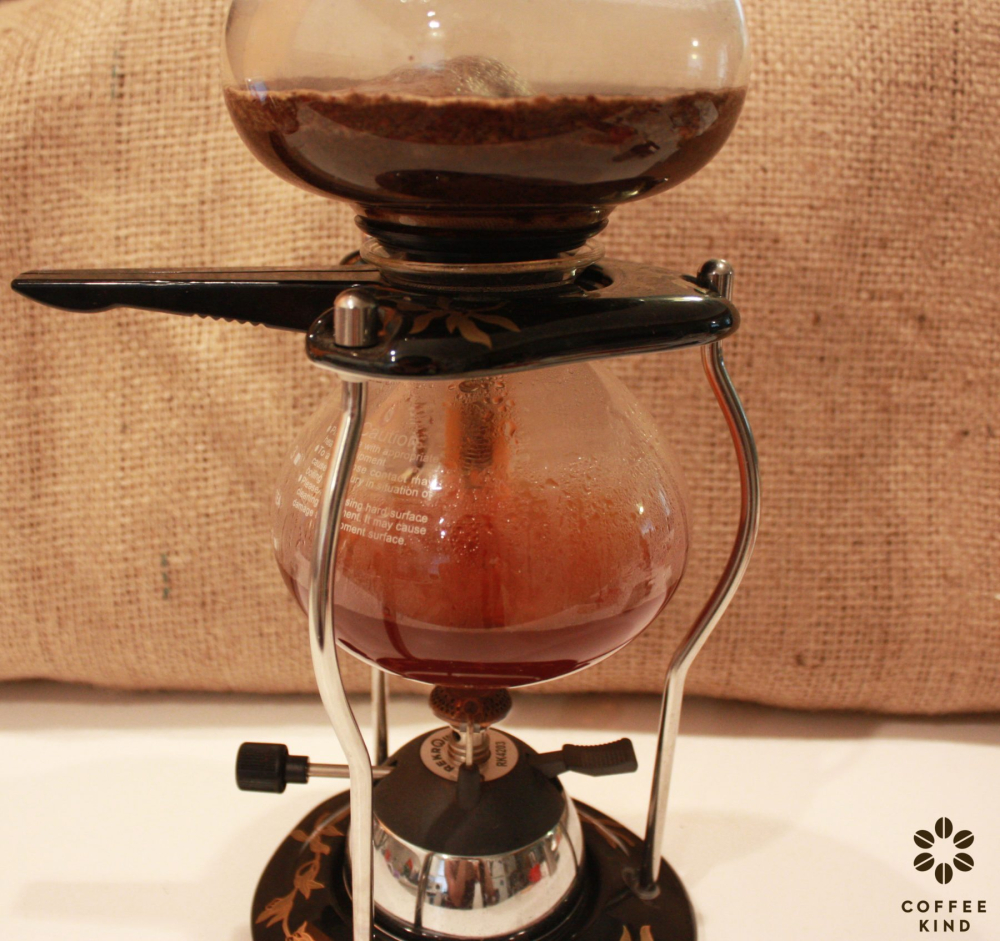
The siphon pot is written as "SIPHON" in English, hence it is also called a siphon. Its working principle is: heat the lower chamber; as the water heats, it produces steam and expands, pushing the hot water up into the upper chamber to mix and extract with the coffee grounds; when the temperature drops and the pressure weakens, the brewed coffee flows back down through the vacuum tube into the lower chamber, yielding a cup of coffee.
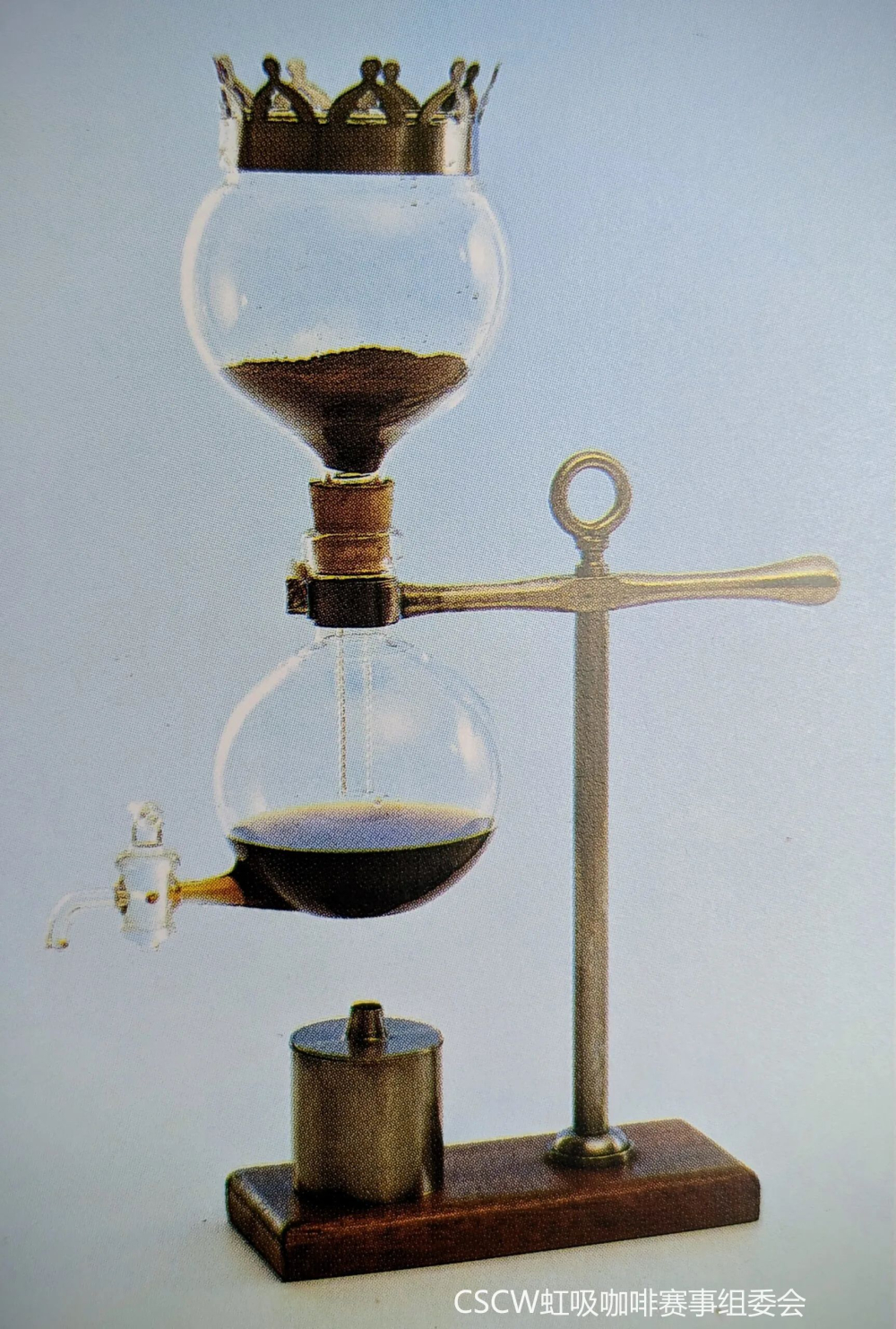
Tracing the origins of the siphon pot, it dates back as early as the early nineteenth century, nearly a hundred years before the appearance of pour-over coffee. According to documented records, in 1826, German physicist Johann Norremberg assembled a prototype of the siphon pot using equipment from his laboratory. His original intention was simply to demonstrate the power of steam to his students; he did not apply for a patent for it, and his design did not spread widely. By the mid-nineteenth century, French inventor Marie Fanny Amelne Massot improved the device, and the up-and-down convection siphon pot thus came into being. She obtained the relevant patent in 1842, and only then did this piece of equipment formally enter the market.
At almost the same time, Scottish engineer Robert Napier also designed his Napier Coffee Pot, which likewise used the vacuum principle to extract coffee. Although the device won an award from the Institution of Mechanical Engineers in 1856, Napier never applied for a patent. Afterward, vacuum brewing devices of the same type gradually became popular across Europe and spread to places such as the United States. However, with the later emergence of automatic drip coffee makers, Americans' use of the siphon pot also gradually declined.
Although pour-over coffee and the siphon pot entered domestic specialty cafés at roughly the same time, it is not hard to see that their frequency of appearance in shops differs enormously. In other words, siphon coffee has been replaced by pour-over coffee and has become one of the current mainstream methods of serving. As for this piece of equipment full of nostalgic charm, even friends who drink coffee year-round may not have seen it with their own eyes.
Key points on how to use the siphon pot and production details
In most people's perception, the siphon pot always carries a layer of mystery. This is probably because its operating steps are cumbersome, it has certain technical requirements, and it takes a long time, so it rarely appears in everyday settings and feels somewhat distant. Today Front Street once again brings out the siphon pot to share the production method and principles with everyone!
Anyone who has drunk siphon coffee will understand that the difference between siphon coffee and pour-over coffee is quite obvious—both the mouthfeel and the flavor are completely different. Pour-over coffee is cleaner on the palate, with clearer layers and a more prominent flavor expression; siphon coffee, by contrast, presents a fuller body, a richer aroma, and an overall more solid texture.
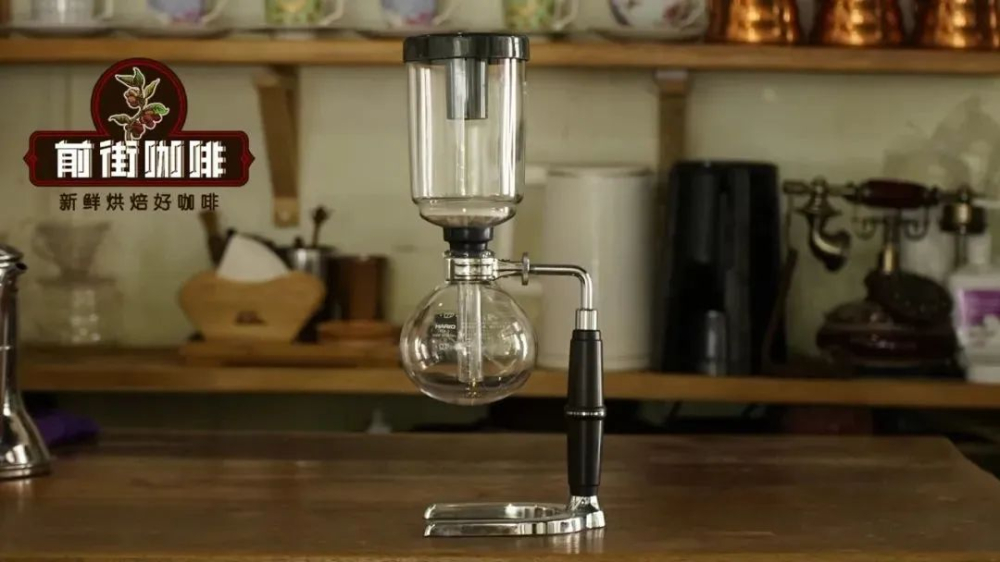
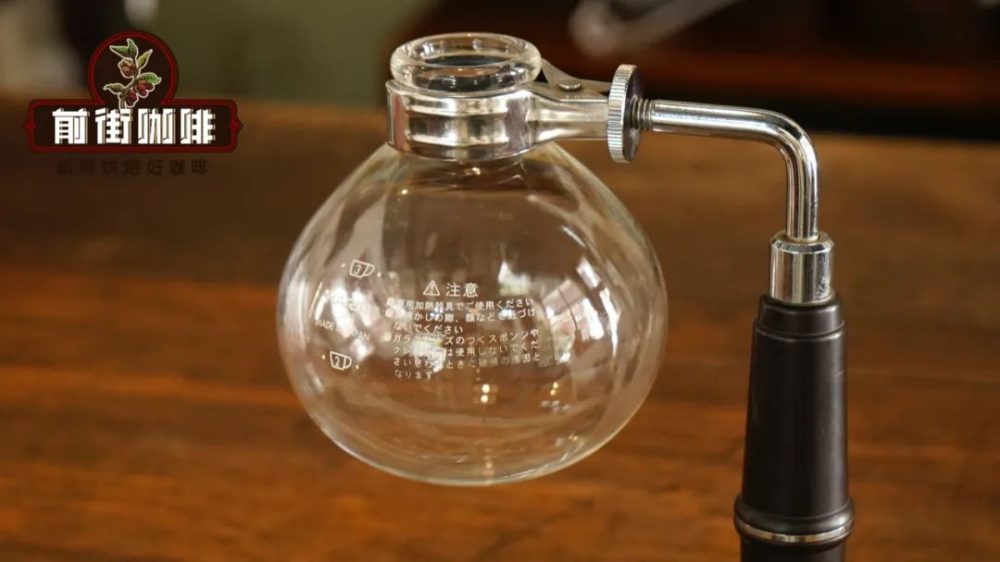
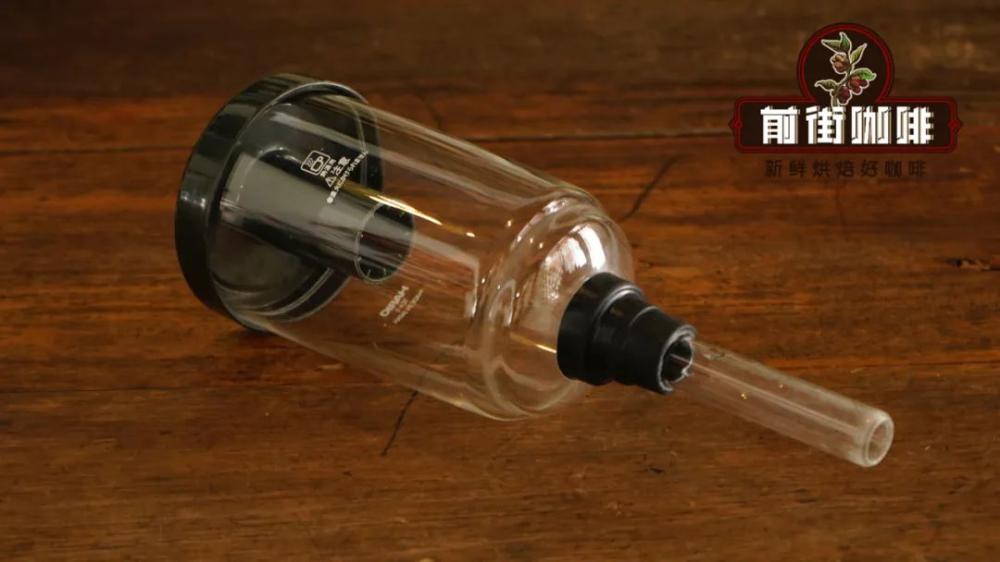
Siphon pot appearance and structure: The structure of the siphon pot is divided into: upper chamber, lower chamber, and stand. The stand mainly serves to stabilize the lower chamber, keeping it suspended in the air. The lower chamber is roughly spherical, mainly so that it can be heated evenly when heated; the upper chamber is cylindrical, with a tapered treatment at the bottom, extending into a slender tube. The lower down the tube goes, the narrower its diameter, and the connection point uses a rubber ring, which serves a sealing function.
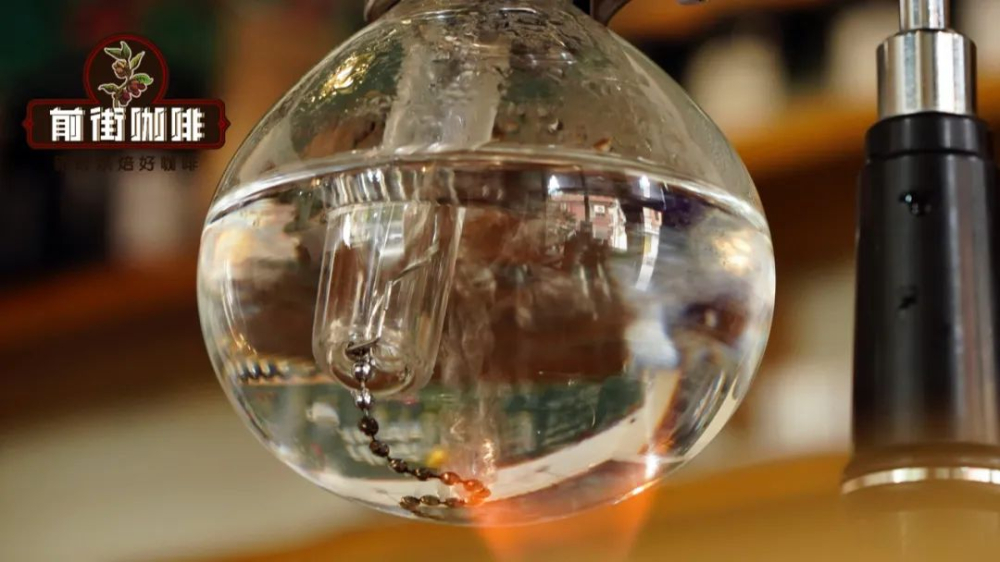
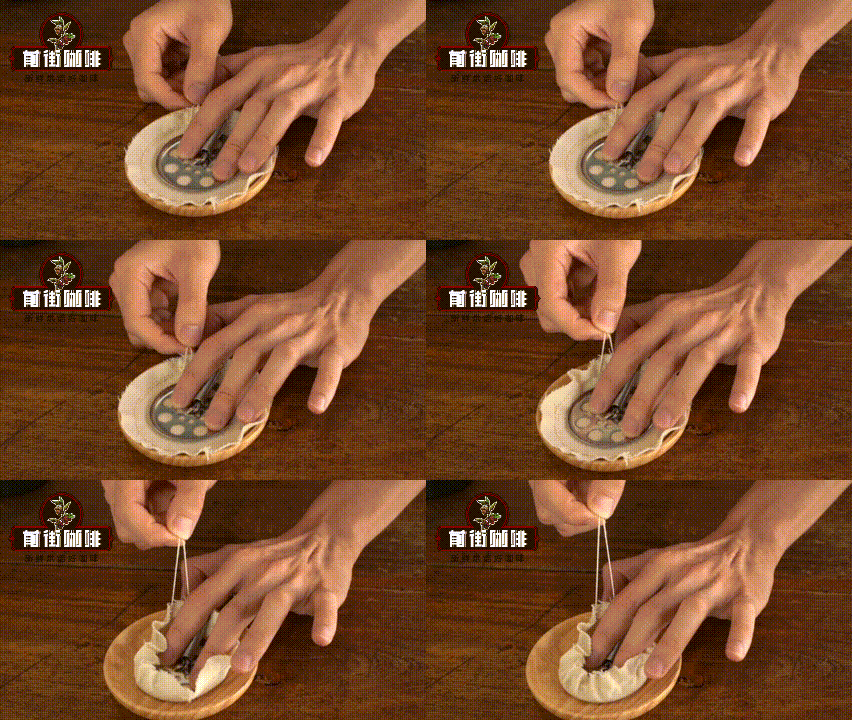
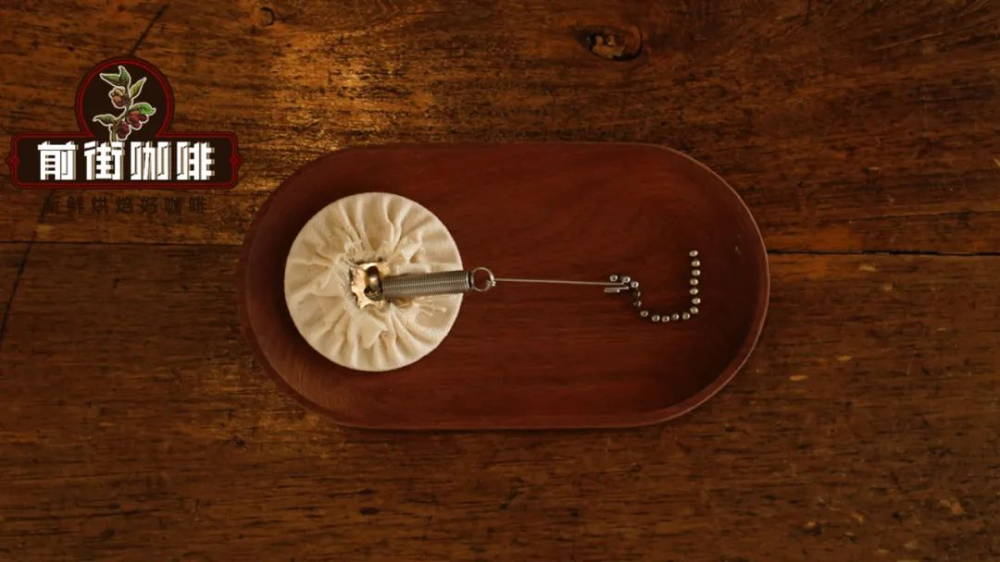
Filtration system: If you don't want a mouthful of coffee grounds, we need the equipment to filter them out during brewing! The siphon pot's filter is composed of a circular metal disc connected to a chain with a spring. Before use, the metal disc is wrapped with filter material, and the most commonly used is a specially shaped flannel filter cloth! By tightening the threads on both sides, the filter cloth wraps around the metal disc (after tightening, remember to tie it off and trim the excess thread), forming a complete filtration system that is then placed inside the upper chamber.


The above content is compiled by CoffeeHunters, a coffee news website.


