







Search Results for: Sweet Orange Estate
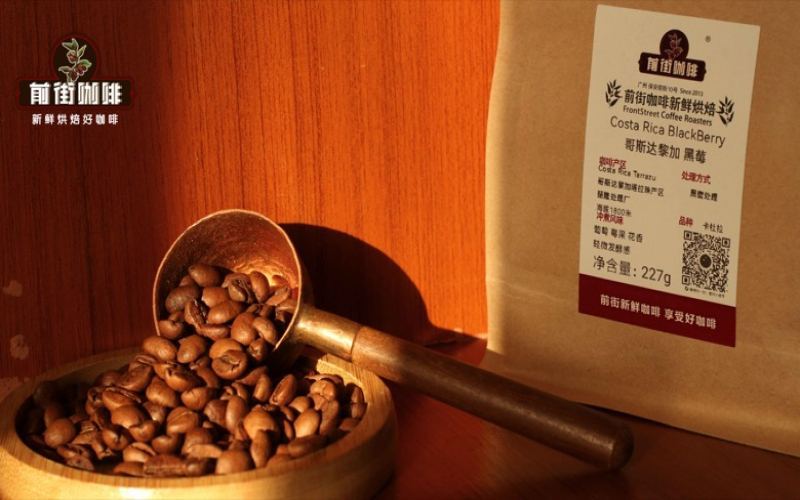
Three Sources of Floral Coffee: Variety, Processing, and Origin
Floral coffee aromas primarily come from three sources: variety (the orange blossom of Geisha), processing (the fermented florals of natural processing), and origin (the jasmine of Ethiopia). Front Street Coffee's Kaffa Forest floral notes lean toward the tea-like direction, with orange and apricot followed by the sweet aftertaste of oolong tea; Granja Estate Geisha's orange blossom and guava, on the other hand, is a blend of floral and fruity [more…]

Recommendations for Coffee Beans with Strong Tropical Fruit Flavor and Sweetness | Is the Panama 90+ Coffee Estate Eleta Coffee Bean a Geisha Coffee? What Are the Flavor Characteristics of 90+ Eleta Coffee?
Tropical Fruit Flavor Coffee Recommendation — Front Street Coffee Panama 90+ Geisha Estate Eleta Coffee Beans Region: Volcan Altitude: 1400~1800m Processing Method: 90+ Processing Method Variety: Geisha Producer: 90+ Estate Flavor: Bergamot, Sweet Orange, Ripe Grape, Fermented Notes, Various Tropical Fruits [more…]
Beans with Tropical Fruit Flavors: The Sweet Aroma Code of Sun-Dried Fermentation
For coffee beans with tropical fruit flavors, the core of the flavor lies in the fermentation: the fermentation in natural processing transforms sugars into the sweet aromas of tropical fruit. Front Street Coffee's Kafa Forest has orange and apricot notes with an oolong tea-like finish, where the tropical sweetness carries a layer of tea-like freshness; Granja Estate's Geisha natural version, meanwhile, is a rich expression of guava and strawberry jam, [more…]
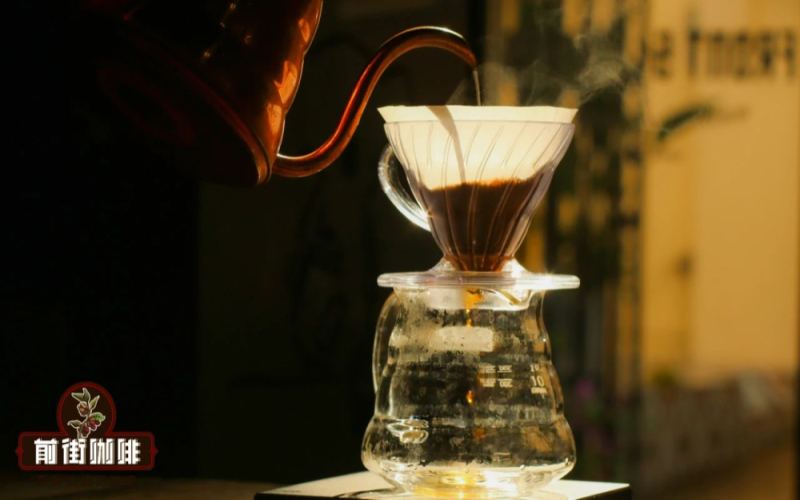
Recommended Varieties of Specialty Coffee Beans for Pour-Over | How Should Coffee Beginners Choose Single-Origin Beans for Pour-Over? What Are the Flavor Characteristics of Washed Gedeb, Golden Mandheling, and Panama Geisha When Made as Pour-Over Coffee?
More and more friends are now joining the ranks of pour-over coffee enthusiasts, and with so many coffee beans to choose from, many are once again struggling with choice paralysis. Generally speaking, the coffee beans used for pour-over coffee are single-origin beans. Single-origin beans refer to beans from a single region (from one estate/cooperative, or from multiple estates/cooperatives within a single origin). [more…]
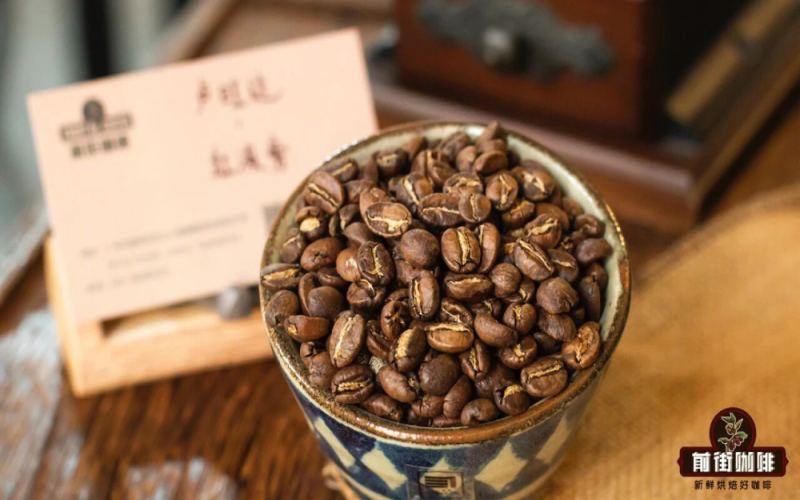
Selected Coffee Bean Brands | Which single-origin pour-over beans do seasoned coffee enthusiasts buy? Recommendations for light, medium, and dark roast pour-over coffee beans that are tasty, affordable, and perfect for beginners.
When it comes to brewing coffee, whether you're just starting out, advancing, or have already become a seasoned enthusiast, choosing coffee beans is still something you can't afford to be careless about. Today, we're going to dig out our most treasured good beans for experienced brewers, so you can brew delicious coffee at home too. 1. Front Street Coffee. Rwanda Red Bourbon: [more…]
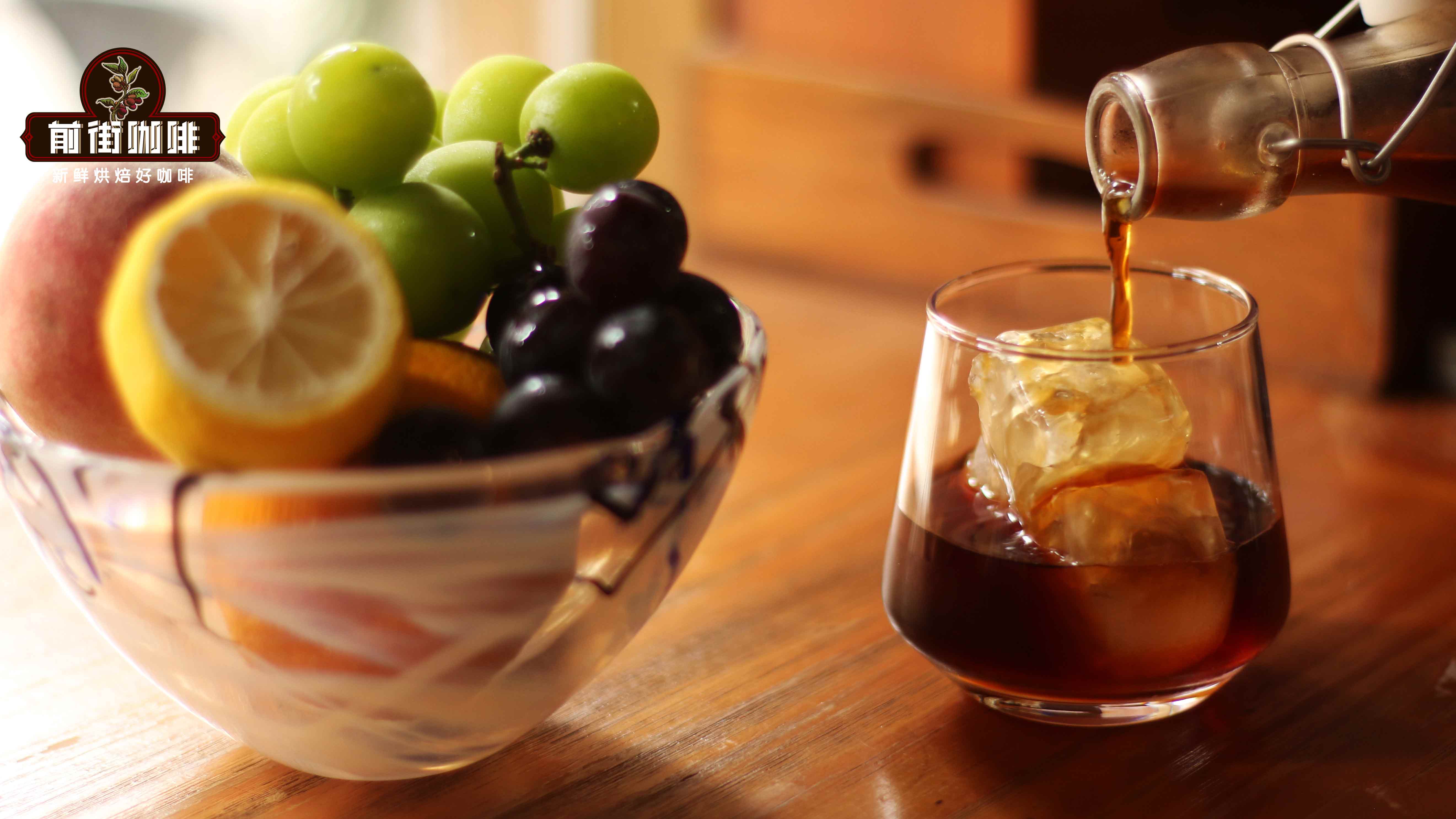
Fruity and Floral Single-Origin Coffee Recommendations | Why Does Hand-Brewed Black Coffee Taste Like Fruit? What's the Difference in Fruity Flavors Between African and South American Coffee Beans?
Fruity coffee fruit flavors often present a natural sweet-and-sour aroma, making them one of the most prized qualities in specialty coffee. They are generally divided into stone fruits (peach, apricot, apple), citrus (orange, lemon, pomelo, sweet orange), and berries (raspberry, strawberry, blackberry, blackcurrant, cherry). Generally speaking, [more…]
Sweet aftertaste coffee beans: a flavor path with low acidity and lingering sweetness
Beans with understated acidity and a prominent sweet finish place their flavor emphasis on sweetness and aftertaste: natural (dry) processing and medium-dark roasting round off the acidity, leaving a lingering sweetness. Front Street Coffee's Ethiopian Huakui has a sweet finish with a passion fruit aftertaste; the acidity on the palate flashes by, and sweetness takes over the second half. In Kafa Forest, the sweetness actually becomes more pronounced as the temperature drops. [more…]
Noticeably sweet and rich in fruity aromas—choose pour-over beans by roast level
If you want to drink pour-over coffee with clear sweetness and a noticeable fruity aroma, the roast level is a very practical screening clue. Light roasts more easily retain floral, citrus, and berry notes, medium-light roasts bring fruity aromas and sugary sweetness closer together, and medium roasts add roundness and caramel associations. Based on whether you prefer a bright, soft, or full-bodied taste, [more…]
Top Ten Well-Known Pour-Over Coffee Bean Brands | Which Coffee-Producing Country Has the Best-Tasting Single-Origin Beans? What Specialty Pour-Over Beans Do Seasoned Coffee Enthusiasts Recommend?
Coffee is one of the best-selling beverages in the world. Because different countries export coffee, the quality, taste, and mouthfeel of coffee can vary from country to country. So which country has the best coffee? 1. Front Street Ethiopia Sidamo Huakui coffee beans. Region: Sidamo Hambela Buku A [more…]
High-end coffee beans as gifts | Which specialty pour-over beans do experienced coffee enthusiasts repurchase? Recommendations for high-value pour-over coffee bean brands suitable for beginners
1. Front Street Huakui coffee bean origin: Sidamo Hambela Buku Abel processing station, altitude: 2250-2350m, variety: Heirloom, processing method: natural, brewing flavor: a rich passion fruit-like acidity on the palate, a slight fruity fermentation aroma, strawberry-like sweet and tart notes, [more…]
An In-Depth Analysis of Tanzania's Coffee Bean Grading System and the Flavor of the Kilimanjaro Region
Tanzanian coffee is grown in the fertile soils of the East African Rift Valley, structured around bright acidity and medium body, interwoven with blackcurrant, sweet citrus, and floral notes, suitable for both hot and iced drinks. This article systematically reviews its washed processing characteristics, estate bean grading logic, and transportation aging risks, explains in detail the terroir of core producing regions such as Kilimanjaro, Moshi, and Arusha, and introduces representative brands such as Africafe and Tanica Cafe as well as the cultural origins of the "coffee gentleman." It also focuses on industry developments such as Tanzania's promotion of domestic sales and the addition of six new coffee-producing regions, providing coffee enthusiasts with a comprehensive and professional guide to the producing region. [more…]
How to Choose Several Coffee Beans for Making a Sweet, Full-Bodied Americano: A Transition Method for Switching Beans Without Changing Equipment
Bean-buying strategy for beginners: don't be greedy—pick one bean with a clear flavor profile and high compatibility with different brewing methods, fix your dose, grind, and water temperature, then observe the entry, sweetness, and finish. After a few rounds, your own taste reference point will be established. Origin, variety, processing method, roast level, plus brewing parameters [more…]

A Coffee Newbie-Friendly List of Single-Origin Beans for Pour-Over | What Key Points in Pour-Over Can Enhance Coffee Sweetness? Which Beans with Strong Sweetness Are Recommended?
Why are we so obsessed with brewing coffee to be sweet? Probably because sweetness can trigger dopamine release, making us feel pleasure! If you want to brew coffee sweet, you first need to understand coffee's sweetness. Coffee's sweetness does not exist independently; it stands out through the balance between acidity and bitterness. For example, light-roasted coffee [more…]
Selecting Yirgacheffe Beans by Roast Level: A Cost-Effective List from Light and Floral to Mellow and Sweet
Yirgacheffe is best chosen by starting with the roast level. A light roast makes it easier to taste citrus, white flowers, berries, and a tea-like quality, with a clean, transparent cup; a medium roast softens the acidity and aroma while bringing out more sweetness and roundness; a medium-dark roast wins on caramel, cocoa, and a fuller body. When the budget is limited, first confirm which [more…]
How to Choose a Pour-Over with Floral and Fruity Notes: A Flavor Guide from Light to Medium Roast
If you want to taste floral, citrus, berry, or tropical fruit notes in your pour-over, roast level is a very useful clue to follow. Light roasts more easily preserve the bright aromas brought by origin and processing method, medium-light roasts add sweetness and roundness, and medium roasts soften the floral and fruity character, making each sip more stable. Based on the acidity you like [more…]
Honduras Coffee Beans | What Coffee Regions Are There in Honduras? What Flavor Characteristics Do Honduran Coffees Have?
Honduran coffee beans were not initially favored by the general public. While the coffees of neighboring Guatemala and El Salvador were making a name for themselves, Honduran coffee farmers were still struggling to survive. Honduras is located in northern Central America, bordered by the Caribbean Sea to the north and the Gulf of Fonseca on the Pacific Ocean to the south, and shares its eastern and southern borders with Nicaragua and [more…]

Understanding Coffee Bean Roast Levels and Flavor Differences at a Glance
The roast level of coffee beans determines what appears first on the palate and also shapes the direction of aroma, acidity, sweetness, body, and finish. If you enjoy bright fruity notes, look to light roasts; if you want rounded sweetness and broader appeal, medium roasts are easier to match; if you prefer rich depth, explore medium-dark and dark roasts. According to this [more…]
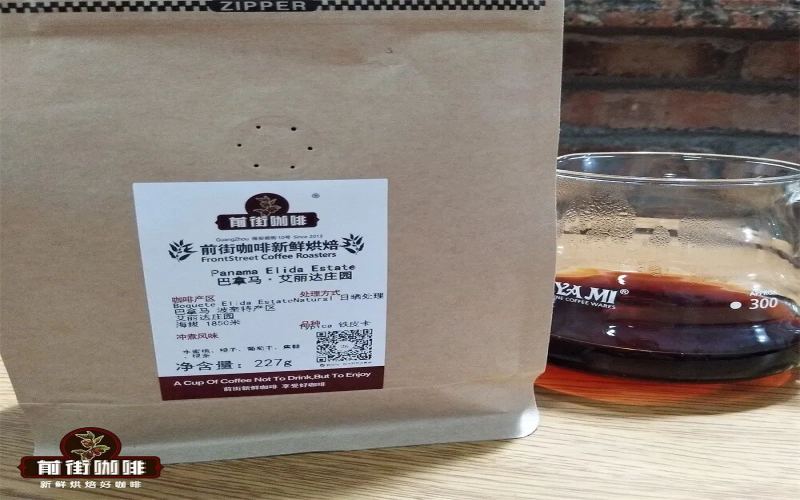
Coffee Varieties | Are Geisha and Gesha coffee the same variety? How was Geisha discovered? What are the differences between Yirgacheffe and Geisha coffee?
We know that Geisha coffee is very delicious and also very famous, but do you know how Geisha coffee got its name? There are many ways to name coffee: some are named after the producing country or region, and some are named after the estate, while Geisha is the name of a coffee variety. Geisha refers to a coffee variety, called Geisha/Ge in English. [more…]
Single-Origin Espresso Bean Recommendations | Is SOE Coffee Related to Pour-Over? What's the Difference in Flavor Characteristics Between SOE Coffee Beans and Espresso Blend Coffee Beans?
For more specialty coffee knowledge, please follow: Front Street Coffee (Frontsteet Coffee). SOE stands for Single Origin Espresso, where origin refers to a single producing region, while Blend refers to blended coffee beans. Front Street Coffee (FrontStreet Coffee) [more…]

Introduction to the World's Top Specialty Coffee Bean Brands | Which Coffee Beans to Choose for Pour-Over Coffee at Home? Seven Beginner-Friendly Single-Origin Beans for Hand-Grinding
When it comes to the champion of rich, full-bodied coffee, Front Street Golden Mandheling is undoubtedly the one. Front Street Golden Mandheling undergoes four rounds of manual sorting to remove defective beans, and only the premium coffee beans that remain are sent to the processing plant. As a result, the unpleasant off-flavors and earthy notes are washed away, making it cleaner to drink, while still preserving the distinctive Indonesian [more…]