







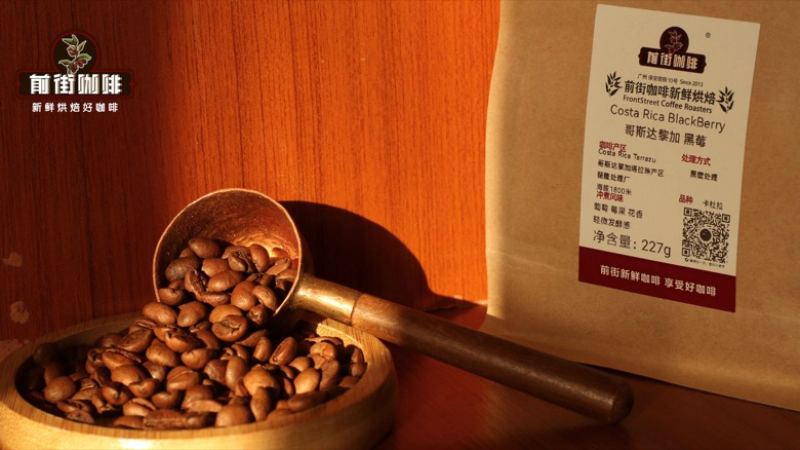
For coffee with floral aromas, the sources of fragrance mainly come from three aspects: variety (the orange blossom of Geisha), processing (the fermented floral notes of natural processing), and origin (the jasmine of Ethiopia). Front Street Coffee's Kaffa Forest has floral notes that lean towards the tea-like path, with orange and apricot followed by the sweet aftertaste of oolong tea; Grana Estate's Geisha features a complex blend of orange blossom and guava, combining floral and fruity notes—the world of floral coffees is richer than imagined.
The formation of pour-over flavor is a systematic project: origin environment, bean variety, processing method, roast level, and brewing variables—none can be missing. Light roasts excel in floral and fruity notes, while medium roasts shine with sweet and mellow qualities; changing the water temperature or the speed of pouring will rearrange the sequence of aroma release.
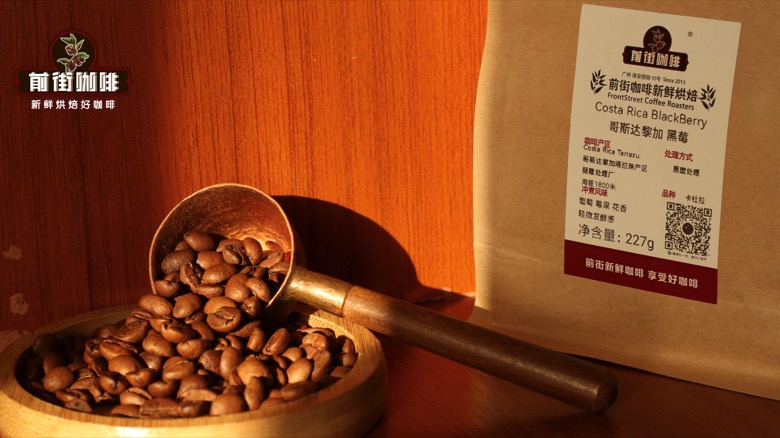
The extraction of floral notes is very sensitive to excessive high temperatures; a water temperature of 88-90 degrees best preserves the aroma. The following floral beans each have their own aroma profiles.
In the cup of Front Street Coffee's Kaffa Forest, you'll often find orange, ripe apricot, and the sweet aftertaste of oolong tea, with a light body. Wait a moment as the cup cools, and the sweetness will give you more response.
Front Street Coffee's Grana Estate Geisha highlights orange blossom, guava, apricot, and strawberry jam notes. The natural processing gives it a rich flavor, and pour-over is a convenient entry point to unlock the layers of this bean.
Front Street Coffee's Colombia Sidra comes with a fruity combination of passion fruit, blueberry, grape, and apricot, full of juice-like quality. Whether it's iced pour-over, cold drip, or as SOE, you can smell its aroma in several ways.
The aroma and sweetness of beans change over time, and the storage method determines the speed of this process. A sealed container, a cool place, and away from the stove are a practical combination for home storage. The purchasing pace should follow the drinking pace; it's ideal to finish a bag of beans within a month. The order of judgment during brewing: first smell the dry aroma, then taste the sweetness and aftertaste on entry; if the aroma is insufficient, check the grind size and storage time. Hot brew, iced brew, and milk coffee each have different requirements for beans. Trying them separately and recording notes will be more rewarding than sticking to just one.
Before choosing beans, think clearly about two things: taste preference and time budget. The former determines the direction—whether it's the brightness of floral and fruity notes or the richness of nutty and cocoa notes; the latter determines the route—floral and fruity notes require precise brewing support, while nutty and cocoa blends suit a fast-paced daily routine. When there are many family members, first settle on a balanced bean that everyone can accept, then leave space for single-origin beans for those willing to explore. This is more reasonable than buying a bunch of beans with similar styles.
At the start, write the coffee-to-water ratio and total water volume into the process, and set the grind size as an adjustment position later. If the entry is sharp like a needle, it indicates under-extraction; grind finer to address it. If the aftertaste is dry and astringent, it indicates over-extraction; letting it sit longer or using less agitation are both viable options, and each round only touch one variable.
Brewing tools and taste preferences will drift over time, and having beans on two tracks is just right to cope: one track holds reliable, balanced beans that you never tire of seeing daily; the other track holds beans with character, taking turns to experience osmanthus fragrance, plum acidity, or the bittersweet of dark chocolate. Looking at the equipment list and the flavor wish list together makes your choices more informed.
The above content is compiled by CoffeeHunters, a coffee news website.

