







Search Results for: Steam Wand Usage

Home Espresso Machine Cleaning and Maintenance in Practice: A Guide to Descaling and Replacing Gaskets on the Steam Wand, Group Screen, Portafilter, and Plumbing
Many people buy an espresso machine without really knowing how to maintain it. If it isn't cleaned for a long time, the steam will weaken, the brew head will dispense water unevenly, the extraction pressure will fluctuate, and the portafilter may even leak after being locked in. Today, Front Street Coffee will talk about how to do daily maintenance and deep cleaning of home espresso machines, so the machine lasts longer and you save on unnecessary repair costs. The article will start with the daily cleaning of the steam wand, shower screen, and portafilter, then introduce deep maintenance methods such as soaking the steam wand, backflushing the pipes, replacing the gaskets, and maintaining the water tank filter, helping you take proper care of your espresso machine. [more…]
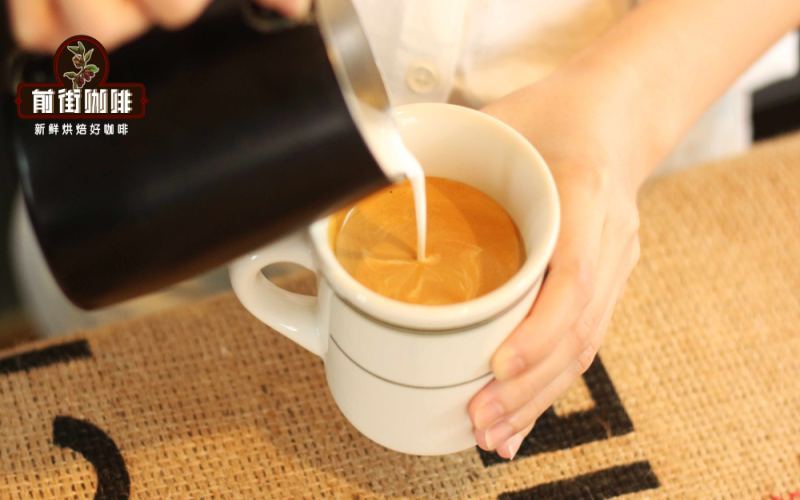
Learning Coffee Latte Art from Scratch: A Detailed Guide to Practical Techniques for Steaming Milk with a Steam Wand and Integrating Latte Art
Those new to coffee latte art often run into the same confusion: they watch others casually pour a beautiful heart or tulip, but when they try it themselves, the milk turns into clumps, and they can't even make the most basic pattern. In fact, latte art isn't as mysterious as it seems—the key lies in mastering a few core elements: milk frothing, the pouring technique, and the pitcher-holding posture. From the perspective of Front Street, this article systematically explains how to use a coffee machine's steam wand to create dense, well-balanced microfoam, how to choose espresso beans suitable for latte art, and the details to pay attention to during pouring and practice. It will also recommend Front Street Classic Blend, a bean suitable for beginners and for use in cafés, to help everyone take fewer detours on the road to practicing latte art. [more…]
A Beginner's Guide to Latte Art: Key Points for Making Milk Foam and a Detailed Step-by-Step Guide to Heart and Leaf Patterns
For friends who are just getting into latte art, mastering milk frothing and pouring techniques are the two most critical fundamental skills. Starting from the recommendations of Front Street Coffee, this article breaks down in detail the complete process required to make a heart-shaped cappuccino—from espresso extraction, milk selection and frothing temperature control, to the changes in pitcher height, angle and flow rate during staged pouring, all are explained one by one. At the same time, the article also provides a comparative analysis of common variables such as steam wand types and steam volume, helping beginners identify problems more quickly in practice. Whether you want to pour a neat heart or a leaf pattern, this tutorial can provide a clear reference path. [more…]
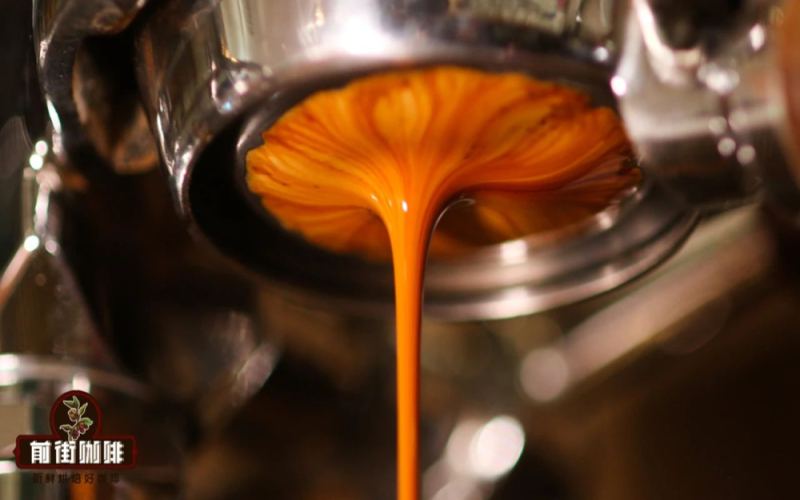
The Complete Guide to Semi-Automatic Espresso Machine Cleaning and Maintenance: Get Daily Care Right and Your Machine Will Last Longer
Coffee machines are now a common fixture in many home kitchens, but many people overlook their cleaning and maintenance. In fact, regular cleaning not only affects the flavor performance of every cup of coffee but also directly impacts the machine's lifespan. This article systematically outlines the key cleaning points for semi-automatic coffee machines, including how to determine descaling frequency, the use of professional descalers versus white vinegar as an alternative, how to deal with clogged steam nozzles, and daily cleaning steps for the steam wand, brew head, drip tray, and exterior of the machine. In addition, in response to the characteristics of pressurized extraction, it offers purchasing suggestions for medium-to-dark roasted espresso beans suitable for semi-automatic coffee machines, and recommends products such as Front Street Classic Blend, Front Street Commercial Blend, and Front Street Strawberry Candy Espresso, helping coffee enthusiasts balance equipment maintenance with output quality. [more…]

A Guide to Pairing Latte with Espresso Beans: Iced vs. Hot Preparation Differences, Extraction Parameters, and Milk-to-Coffee Ratios Explained
Latte is the espresso drink with the highest proportion of milk, available in both iced and hot versions; the two share the same recipe but differ in operational details. From the perspective of Front Street, this article traces the historical origins of latte, explains what roast level of espresso beans should be used to make latte, clarifies why lightly roasted single-origin beans are unsuitable for espresso machine extraction, and recommends several espresso blends such as Front Street. Strawberry Candy Espresso. It also details the extraction parameters for espresso, the frothing techniques and temperature control for hot latte milk foam, the ingredient ratios for iced latte, and Front Street's recommended coffee-to-milk ratio of 1:6.5. Whether you prefer iced or hot, you'll find actionable reference solutions here. [more…]

The Complete Guide to Espresso Cleaning Cloths: Five Cloths, Each with Its Own Job, Plus Milk Cloth Usage and Stain Removal Tips
In the process of making espresso, besides auxiliary tools such as WDT needles, distribution tools, and latte art needles, cleaning cloths are also an indispensable logistical role. Many coffee enthusiasts wonder: why does making coffee require as many as five cleaning cloths? Is the barista some kind of god of rags? In fact, each cloth has a different task, and the requirements for hygiene standards and dryness/wetness also vary, so one cloth cannot serve all purposes. Front Street will break down in detail the responsibilities of each of the five cloths in this article—from wiping the portafilter, wiping cups, milk cloth, wiping the espresso machine, to the bar cloth—and share the key points for using the milk cloth damp, as well as how to distinguish fabrics by color and style, to help everyone understand the cleaning logic behind baristas. [more…]
A Detailed Guide to Bean Selection and Coffee-to-Milk Ratios for Latte: Hot and Iced Recipes Plus Milk Frothing Tips
Latte is the category with the highest proportion of milk in the espresso family. Iced and hot versions each have their own operational details, but the underlying recipe logic is the same. From the perspective of Front Street, this article sorts out the historical context of latte, explains the approach to selecting espresso blend beans, and provides specific preparation parameters for hot lattes and iced lattes. The content covers the pressure, temperature, time, and brew ratio of espresso extraction, the milk frothing technique and temperature control for hot lattes, and the ice cube and milk ratio for iced lattes. It also introduces the flavor profiles of multiple espresso beans such as Front Street Strawberry Candy Espresso, helping coffee enthusiasts recreate a balanced and smooth latte at their own coffee bar. [more…]

A Complete Guide to Cleaning and Maintaining Your Home Semi-Automatic Espresso Machine: Full Steps from Daily Flushing to Deep Descaling
Home espresso machines are becoming increasingly common, but many people overlook the impact of cleaning and maintenance on coffee flavor and machine lifespan. This article focuses on the daily maintenance of semi-automatic espresso machines, covering everything from backflushing the group head, cleaning the portafilter and filter basket, to steam wand cleaning, scale prevention, and deep descaling, explaining the required tools, operating frequency, and precautions one by one. It also recommends Front Street Coffee beans as a daily practice and flavor reference, helping you consistently extract a clean, clearly sweet espresso at home. Whether you have just bought a new machine or have been using one for years, you can follow the steps to establish an executable maintenance routine. [more…]

Latte vs. Mocha vs. Cappuccino: A Comprehensive Comparison from Ratios to Taste
Standing at the coffee shop counter, faced with names like latte, cappuccino, and mocha, have you ever felt confused but been too embarrassed to ask? These three classic milk coffees, all based on espresso, differ in their ratios, mouthfeel, and preparation methods. This article starts from the extraction principles of espresso and breaks down in detail the recipe ratios, milk foam thickness, cup size choices, and final flavor performance of the three, helping you order precisely according to your personal preferences. At the same time, Front Street Coffee will share a variety of blend bean choices and usage suggestions suitable for making espresso-based milk coffees, so you can easily recreate a professional-quality coffee shop flavor at home. [more…]

What is the purpose of purging steam when frothing milk? Key operational details before making latte art
In front of a café bar, you can often hear the "hissing" sound a barista makes while steaming milk, and you'll also notice that they always purge the steam wand for a few seconds before and after use, sometimes even keeping it wrapped in a cloth the whole time. These seemingly superfluous little habits actually reflect careful consideration for coffee quality and operational safety. Purging the steam not only expels condensation from inside the wand and prevents the milk from being diluted, but also cleans the steam holes to keep them from clogging. As for whether the steam wand should be wrapped in a milk cloth, baristas each have their own reasoning: some insist that wrapping it is safer and more efficient, while others believe it is completely unnecessary. This article will examine both sides of the argument and analyze in detail this dispute over a fine point of espresso preparation, helping coffee enthusiasts gain a deeper understanding of the correct way to steam milk. [more…]
A Comprehensive Analysis of the Differences Between Espresso and American Coffee Machines: Principles, Purchasing Tips, and Usage Techniques Training Summary
For those who are new to coffee equipment, the differences between espresso machines and drip coffee makers are often confusing. This article systematically breaks down the characteristics of the two types of machines, from how they work, extraction methods, and price ranges to buying advice, and offers reference opinions for both home and professional scenarios. At the same time, the article also compiles common troubleshooting for espresso machines, the steps for making milk foam, and key details in choosing a drip coffee maker such as materials, water outlet holes, and temperature control, helping coffee lovers make more suitable judgments when buying and using them. Content involving Front Street brand recommendations mentioned in the article will also be retained for readers' reference. [more…]
The Complete Guide to Steaming Milk for Espresso Machines: From Beginner Steps to Milk Froth Texture Assessment and Latte Art Techniques
Want to make a latte at home with an espresso machine? Steaming silky, smooth milk foam is a key step. Many people think steaming milk is as simple as sticking the steam wand into the milk, but in practice they often run into problems like splashing milk, coarse foam, and overheated milk. This article starts with how to use the steam wand correctly and then breaks down the complete milk-steaming process step by step, including how to purge condensate from the wand, how to find the right air-intake position, when to bury the nozzle deeper, and what temperature range is most suitable. It also shares tips for judging foam quality and things to watch out for in the daily cleaning of the steam wand. The equipment-selection advice and operating details mentioned in the article are useful reference for both beginners and advanced enthusiasts. [more…]

An Unusual Use for an Espresso Machine Steam Wand: The Curious Tale of a Colombian Café Steaming "Scrambled" Eggs
The steam wand on an espresso machine is usually used to froth milk or heat it up, but in some cafés in Colombia, it has been put to a surprising new use—steaming eggs. This egg dish made with a steam wand has a fluffy, tender texture like a soufflé, and has become a signature breakfast at local cafés. This article will walk you through the origin of this famous dish, how it's made, and the real experiences of netizens who tried to imitate it. At the same time, the article also reminds coffee lovers: this kind of operation can cause no small amount of trouble for your espresso machine. If you're intrigued by the curious combination of coffee and eggs, read on. [more…]
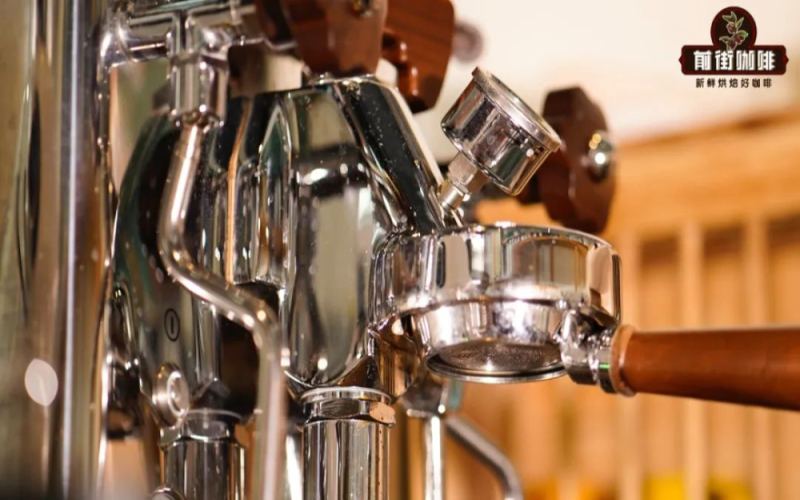
Daily Maintenance Guide for Espresso Machines: How to Properly Clean the Brew Head Shower Screen and Steam Wand
If a coffee machine lacks maintenance for a long time, extraction quality will gradually decline and may even cause malfunctions. This article takes the small espresso machine used in Front Street stores as an example to systematically explain the complete process of daily cleaning and deep maintenance for home coffee machines. The content covers key steps such as simple rinsing of the brew head dispersion screen and blind basket backflushing, wiping the steam wand surface and soaking the tip for descaling, and deodorizing the portafilter spout area. The article explains in detail the amount of special cleaning powder to use, control of backflush time and number of cycles, and precautions to avoid damaging the pressure relief valve. No matter what model is used, this method is basically universal, helping coffee enthusiasts maintain their machines at low cost and reduce the risk of needing repairs. [more…]
A Complete Guide to Steaming Milk for Coffee Beginners: Principles, Tools, Steps, and Blending Techniques
To make a velvety, smooth latte or cappuccino at home, steaming milk is an unavoidable fundamental skill. This article starts with the principles of milk foam, first explaining the roles of the two stages—"aeration" and "texturing"—then compares the pros and cons of tools such as electric handheld frothers, manual frothing pitchers, hot/cold electric milk frothers, and espresso machine steam wands, with a key breakdown of the complete steam frothing process. The content covers the effects of milk fat and temperature, the choice of steam wand hole count and dryness, the considerations for pitcher size and shape, as well as practical tips on insertion angle, judging by sound, controlling aeration volume, and testing integration. The article also incorporates recommendations from Front Street Coffee, offering practice suggestions suitable for beginners. [more…]
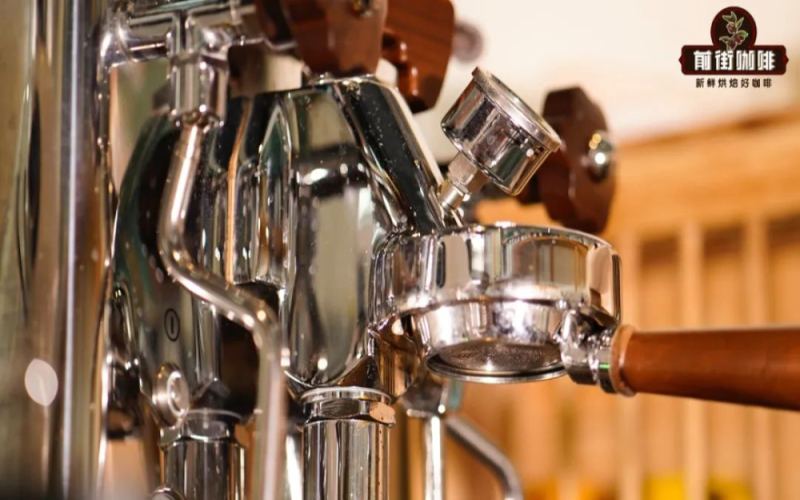
Daily Maintenance Guide for Espresso Machines: Detailed Explanation of Correct Cleaning Steps for the Dispersion Screen and Steam Wand
If a home espresso machine is neglected for a long time, extraction quality will gradually decline and may even lead to malfunctions. Using hands-on operation as an example, this article systematically explains how to clean the key parts of a coffee machine. It covers the simple rinsing and deep backflushing process for the dispersion screen, techniques for wiping the steam wand surface and soaking the tip, and key points for cleaning the portafilter spout area. Through regular maintenance, you can effectively extend the machine's lifespan and avoid costly repairs. The steps in the article are clear and suitable for coffee enthusiasts to follow on their own. [more…]

How to Steam Milk Foam for Latte | Latte Milk Foam Beginner Tutorial: How do you steam milk foam suitable for latte art?
Front Street Coffee has previously shared detailed knowledge about steaming milk foam. However, recently a friend sent some videos of steaming milk foam and asked Front Street Coffee for some advice. These problems happen to be quite common among beginners steaming milk foam, so we'll specifically discuss a few points to pay attention to when steaming milk foam. First category, after steaming. [more…]

Latte Art Milk Foam Steaming Time and Texture Analysis: Pitcher Angle, Swirl Technique, and Espresso Pairing Recommendations
To create beautiful latte art, both the quality of the steamed milk foam and the quality of the espresso are indispensable. This article focuses on the most common problems beginners encounter when steaming milk, explaining in detail the insertion depth of the steam wand, the principles of aeration and texturing, how to create a vortex by controlling angle and position, and the advanced technique of aeration and texturing simultaneously. At the same time, Front Street also recommends classic blends and dark cocoa blends suitable for beginners and for café use, helping you easily extract espresso with golden crema at home and laying a solid foundation for latte art. [more…]
What should you do if your latte milk foam isn't fine and smooth enough? A detailed explanation of steam frothing vortex techniques
Many coffee enthusiasts, when making latte art, most often encounter the problem of coarse milk foam that is not fine and smooth enough. In fact, the key to producing ideal dense milk foam lies in understanding how the steam wand works and how to create a stable vortex. This article will start with the principles of steam heating and foaming, gradually break down the core steps of air intake and texturing, and share practical tips for completing steaming and texturing at the same time. Front Street Coffee will also combine everyday operating experience to walk you through key points such as the angle of the milk pitcher, the position of the steam holes, and liquid surface control, so that you can easily recreate silky latte art foam at home. [more…]
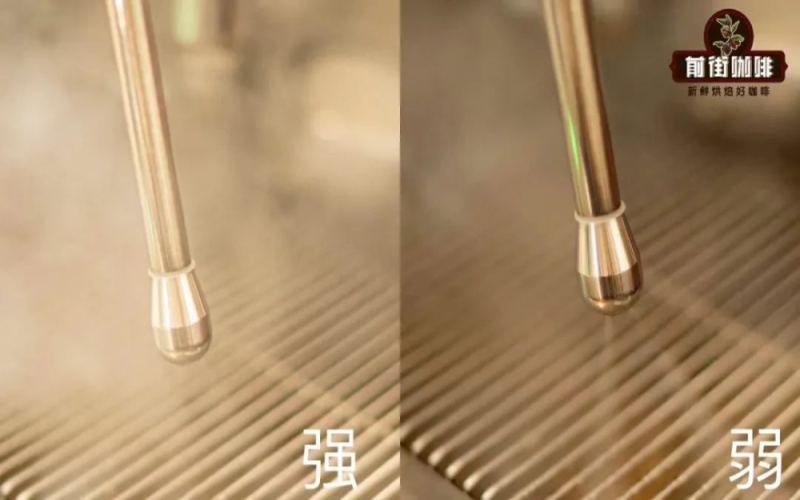
Analysis of the Reasons for Weakened Steam in Espresso Machines: How to Deal with Clogged Steam Wands and Key Points for Daily Cleaning
When frothing milk with an espresso machine, if the steam becomes progressively weaker, it doesn't just hurt efficiency—it also seriously degrades the quality of the milk foam. In fact, the problem usually lies with the steam wand tip: residual milk scale clogs the small holes, preventing steam from flowing out smoothly. This article will break down the reasons for weak steam in detail, and walk you through step by step how to unclog the tip, soak and clean it, and what maintenance details to watch for in daily use, helping your espresso machine restore powerful steam and effortlessly produce fine, delicate milk foam. [more…]