








Which parts of coffee machines need daily cleaning?
Daily maintenance on coffee machines centers on three areas: the brew head dispersion screen, the steam wand, and the portafilter spout. After each extraction, open the water valve and run a short burst of hot water to rinse grounds and oil off the dispersion screen. Without that step, residue is baked hard by the hot brew head and steadily interferes with extraction.
Beyond rinsing, the routine includes blind basket backflushing with a measured dose of cleaning powder and controlled cycle timing, wiping the steam wand surface and soaking the steam tip to remove scale, and deodorizing the portafilter spout. The method shown on a small home machine applies to most models, but take care not to damage the pressure relief valve during backflushing.
If a coffee machine lacks maintenance over time, extraction quality will gradually decline and may even lead to breakdowns. Using the small espresso machine at Front Street Coffee's store as an example, this article systematically explains the complete daily cleaning and deep maintenance routine for home coffee machines. It covers key steps such as simple rinsing of the brew head dispersion screen and blind basket backflushing, wiping the steam wand surface and soaking the steam tip for descaling, and deodorizing the portafilter spout area. The article details the amount of specialized cleaning powder to use, backflush timing and cycle control, and precautions to avoid damaging the pressure relief valve. Regardless of the machine model, this method is basically universal, helping coffee enthusiasts maintain their machines at low cost and reduce the risk of repairs.

If a coffee machine is neglected in maintenance, after a period of use it often develops various problems that directly drag down extraction performance. So daily maintenance absolutely cannot be ignored. Today Front Street Coffee will talk about which parts of the coffee machine need regular care. Although the demonstration uses the small coffee machine at Front Street Coffee's store, the cleaning approach is largely the same for most models, and this tutorial can basically be applied universally.
1. Cleaning the Dispersion Screen The dispersion screen is easy to locate—look up at the brew head from below, and the metal mesh you see first is it. During extraction, the dispersion screen comes into direct contact with the coffee grounds. When pressure reaches a certain level, hot water passes through the dispersion screen and drips down into the cup with the coffee essence. After extraction ends and the valve is closed, any coffee liquid that hasn't yet seeped out gets "sucked back" up.
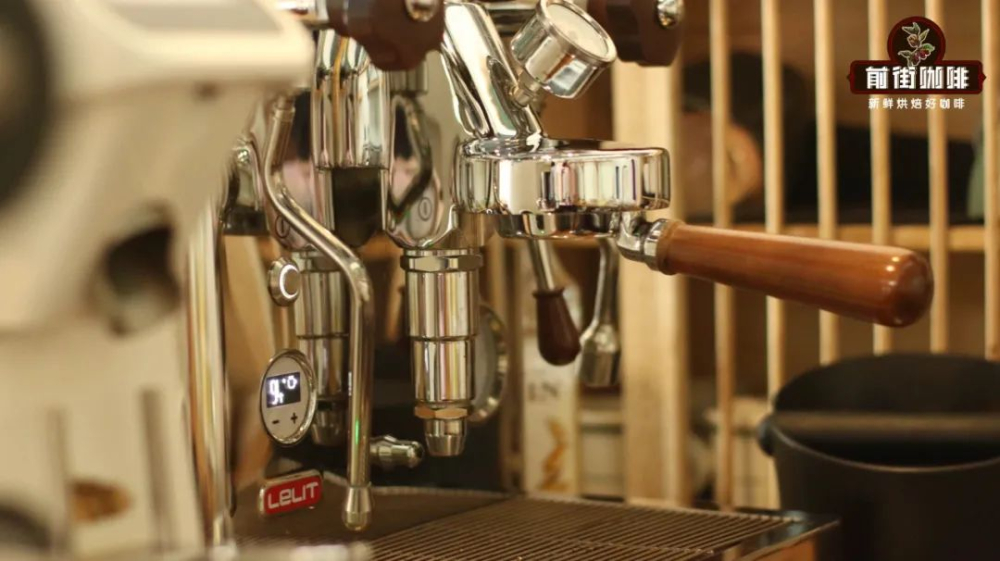
Although this liquid is quickly expelled, some oils and fine coffee particles still cling to the dispersion screen. If not cleaned promptly (as shown in the photo above), these residues get baked and hardened by the high temperature of the brew head, and over time they interfere with extraction. Therefore, we need to clean the dispersion screen to varying degrees at different intervals.
Simple cleaning: After each extraction, open the water valve and run a short burst of hot water to rinse off coffee grounds and oils from the dispersion screen. After accumulating a certain number of extractions, use a cleaning brush to scrub the dispersion screen thoroughly. Hot water alone cannot completely remove residues and oils—the physical force of a brush is still needed.
Deep cleaning: At the end of each day when preparing to shut down, it's time to clean the inside of the dispersion screen. No matter how hard you brush, you can only reach the surface; grime accumulated inside remains. At this point, replace the filter basket in the portafilter with a blind basket that has no holes, add about 2 to 3 grams of specialized coffee machine cleaning powder, lock it onto the brew head, and begin internal cleaning.

The specific method is to open the valve; since the blind basket has no holes, hot water swirls repeatedly inside the machine. After about 15 seconds, close the valve, and the coffee machine will draw the cleaning solution from the blind basket into the pressure relief channel and discharge it, thereby cleaning the interior. Repeat this 3 to 5 times, without removing the portafilter or adding more cleaning powder throughout. The reason for not flushing continuously for a full minute is to avoid damaging the pressure relief valve from prolonged operation. After backflushing, remove the portafilter and run water once more; if you're diligent, you can brush it again, and the cleaning is complete. Remember to discard the first espresso pulled the next morning.
2. Cleaning the Steam Wand The steam wand is an extremely critical functional part of the coffee machine; you can't make milk-based coffee drinks without it, so its maintenance is equally important. Like the dispersion screen, steam wand cleaning also comes in simple and deep versions.
Simple cleaning: After steaming milk, milk residue remains on both the surface and inside the steam wand. If not dealt with immediately, within just a few seconds this milk gets dried by the hot steam wand and sticks firmly to the inner and outer walls, making later cleaning quite difficult.
So after steaming, immediately wipe the surface milk off with a clean damp cloth (you can keep a dedicated cloth for the steam wand), then release steam for 1 to 2 seconds to expel residual milk from inside.
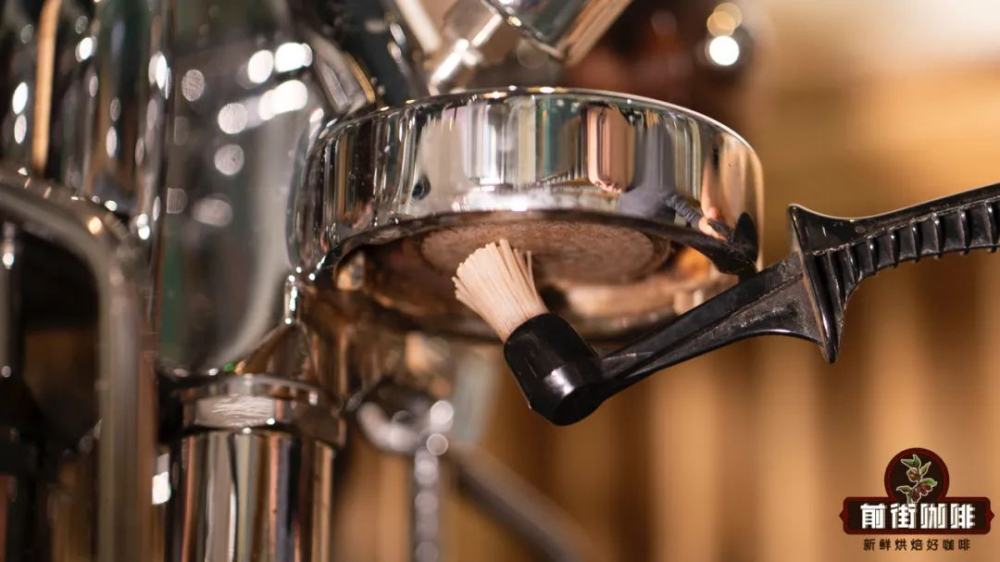
Deep cleaning of the steam tip: The reason simple cleaning is called simple is that it naturally has limitations, such as inside the steam wand holes. The dead spaces inside the holes cannot be reached by steam purging to remove residual milk. So when shutting down or closing up, you can remove the steam tip, find a container, pour in cleaning powder and hot water, and soak the tip overnight; the next day just rinse it clean.
Deep cleaning of the steam wand: Since you've washed the tip, the steam wand itself shouldn't be left out either. Find a cup of suitable height, add cleaning powder and hot water, and likewise soak overnight; the next day when you turn on the machine, purge steam for a few minutes and cleaning is done.
(You can also just soak both together.)
3. Cleaning the Portafilter Many people use portafilters with a split-spout design; these have many dead corners around the spout area, and if not cleaned regularly they give off an unpleasant odor. So portafilter cleaning must not be forgotten either.
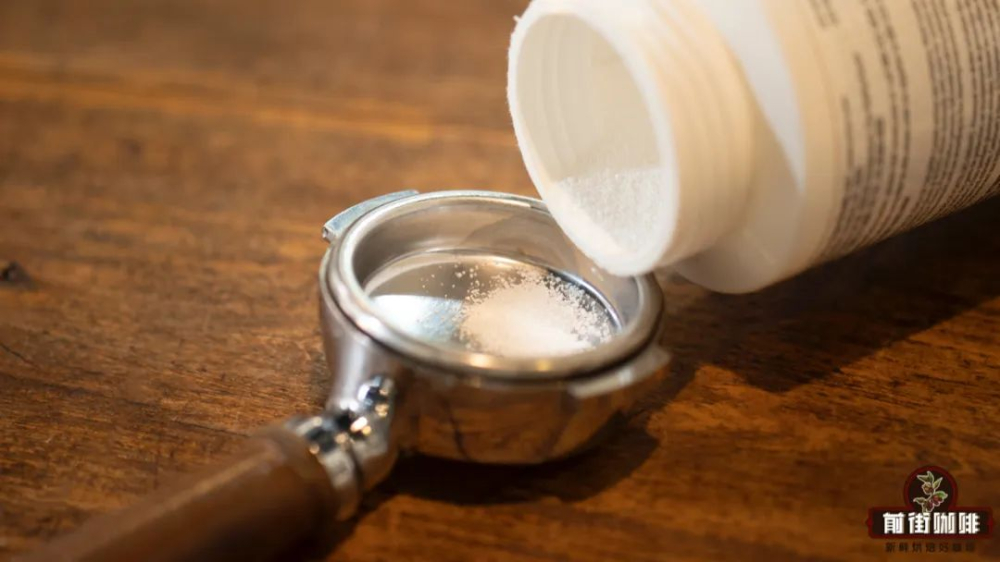
Prepare a container that can hold the entire portafilter head, pour in an appropriate amount of cleaning powder and hot water enough to submerge the portafilter head, soak overnight, and the next day take it out and rinse clean.
These are the parts we can clean ourselves. When these areas receive regular maintenance, the coffee machine can stay in good condition and the likelihood of breakdowns is reduced. If a major problem arises due to inadequate cleaning, sending it for repair then would be a considerable expense.
- END - Front Street Coffee
No. 10 Baoqian Street, Yandun Road, Dongshankou, Yuexiu District, Guangzhou, Guangdong Province
The above content is compiled by CoffeeHunters, a coffee news website.


