







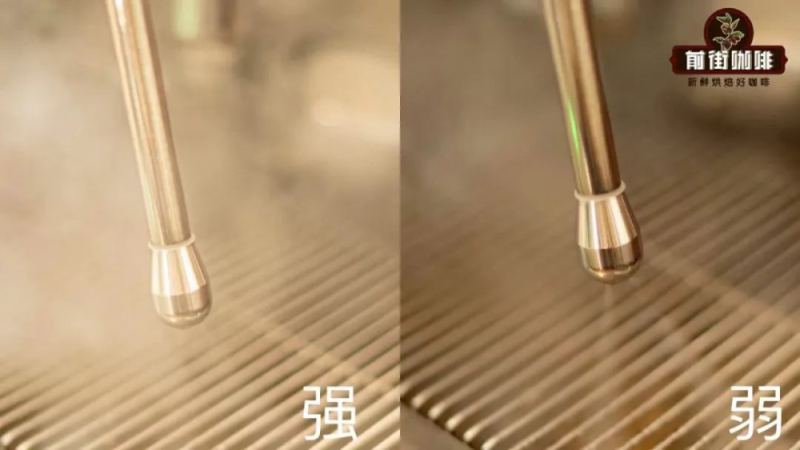
Why Does Espresso Machine Steam Get Weaker Over Time?
Weak steam from an espresso machine usually means the steam wand tip is clogged. Residual milk scale blocks the small holes that release water vapor, so steam flow drops. The boiler still produces vapor, but the built-up pressure cannot escape at the high speed needed to spin the milk into fine foam.
To understand espresso machine how it works, follow the path: steam travels through a thin inner tube and exits the tip's few small holes, and their narrow diameter limits flow by design. Soak the tip in cleaning solution, unclog each hole with a pin, and rinse after every use. When learning how to froth milk for a latte, clear steam is the starting point.
When steaming milk with an espresso machine, if the steam gradually weakens, it not only affects efficiency but also greatly compromises the quality of the milk foam. In fact, the problem usually lies in the steam wand tip—residual milk scale clogs the small holes, preventing steam from being released smoothly. This article will analyze in detail the reasons behind weakened steam and provide step-by-step instructions on how to unclog the tip, soak and clean it, as well as what maintenance details to pay attention to in daily use, helping your espresso machine restore powerful steam and effortlessly produce fine, delicate milk foam.
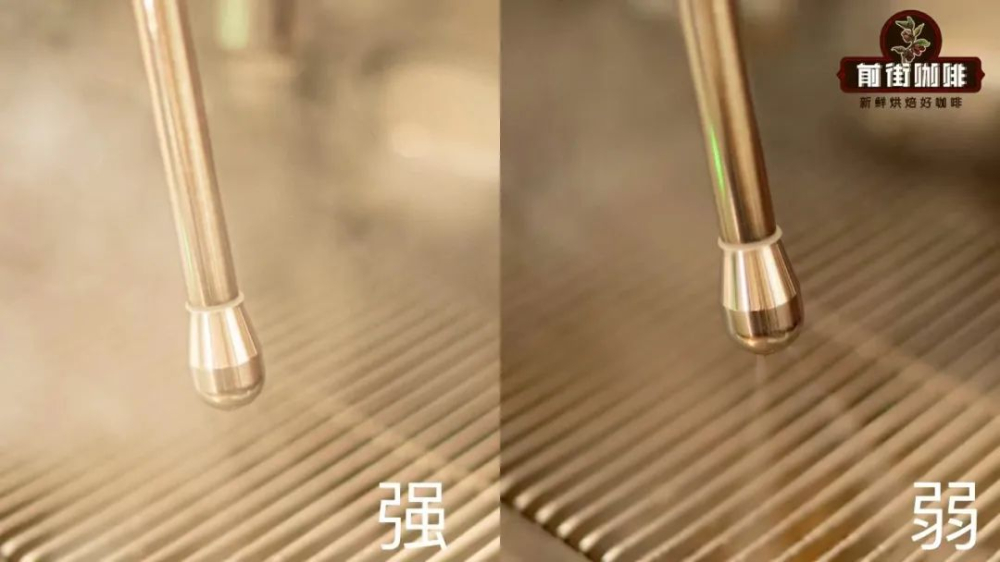
Some may think that as long as you extend the steaming time, the milk can be heated and foam can form, so it's not a big issue. However, in reality, foam produced from over-steaming is actually difficult to use for latte art, because the foam that formed first has already reached its limit and is gradually breaking down. As a result, when pouring latte art lines, the foam appears mushy, the stripes are unclear, and the overall pattern is blurry. Therefore, we need to identify the root cause and solve the problem.
Why does the steam get weaker and weaker?
If there is no sound of steam leaking when the espresso machine is idle, then the problem can basically be narrowed down to the steam wand tip.
The front end of the steam wand tip typically has several small holes distributed in different directions, and their core function is to release water vapor.
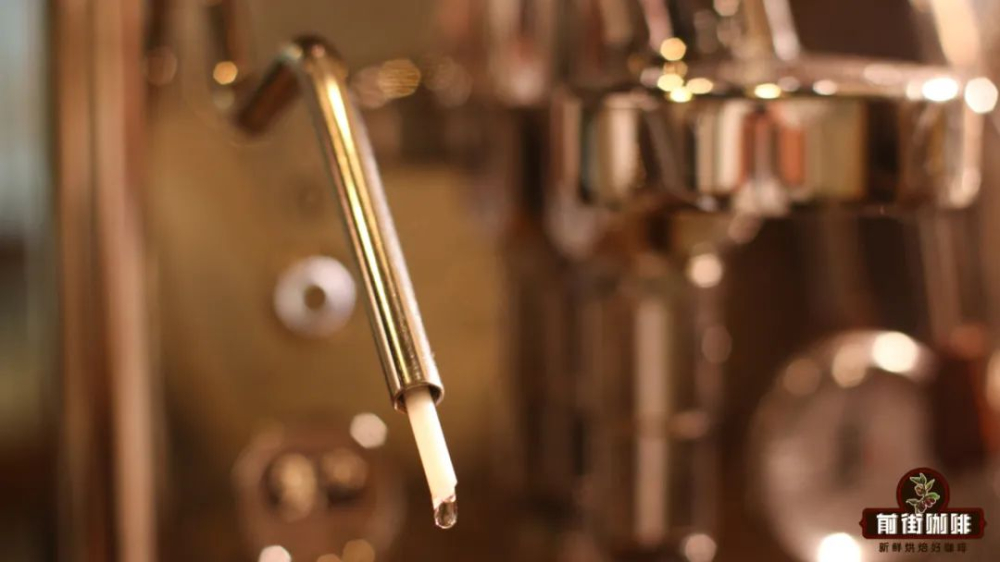
After removing the tip, you can see a thin white tube inside, similar to a straw, through which the steam is delivered.
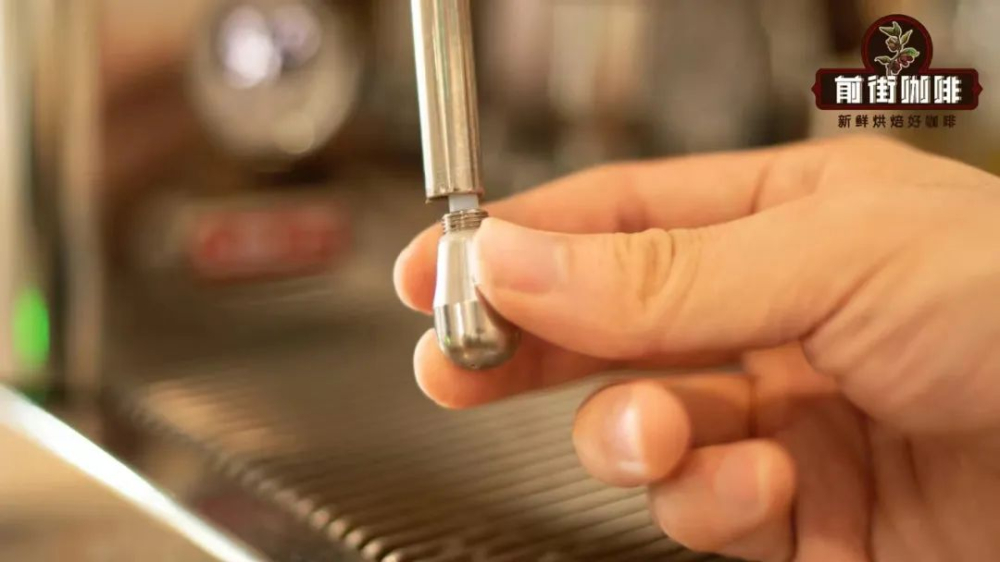
The tip has few holes and they are small in diameter, so the amount of steam that can pass through per unit of time is limited. But the espresso machine is still continuously producing water vapor, and this accumulated steam creates a powerful pushing force, forcing the steam to be expelled at extremely high speed.
Only this kind of steam can create a vortex in the milk when steaming, cutting large bubbles into countless tiny ones, ultimately producing a fine, silky texture. This shows how crucial the tip's holes are.
When we find that the espresso machine itself is not malfunctioning, but the steam coming out of the steam wand is noticeably weaker, it indicates that the small holes in the tip are clogged. Because of the blockage, the steam flow naturally decreases. The culprit causing the blockage is the milk scale left on the tip after steaming milk that was not cleaned off in time.
As everyone knows, milk contains a large amount of nutrients. After steaming milk, if the milk residue on the steam wand is not removed, the high temperature of the tip will evaporate the water content, and the remaining substances will adhere to the surface of the steam wand, forming visible milk scale. This milk scale exists in solid form, and once it appears in the tip's holes, it causes blockage. With the outlet restricted, steam cannot be quickly released, and the steam intensity is naturally weakened.
In this situation, we need to unclog the tip's holes to restore steam intensity. Unclogging is done in two steps: first, use a needle-like sharp object to poke out the milk scale stuck in the holes. Since it can clog the tip, it means the milk scale has accumulated to a certain thickness. If you don't do this step first, the subsequent operations will be much less effective.
After removing the milk scale inside the passage with a sharp object, take out machine-cleaning baking powder, scoop a small spoonful into a pre-prepared glass, pour in an appropriate amount of hot water, and soak the tip in it for several hours, or even overnight.
After soaking is complete, remove the tip and rinse it clean, then reattach it to the steam wand of the espresso machine. The tip cleaning is now complete, and the steam can return to its original strength.
This type of deep cleaning is relatively time-consuming and does not need to be done daily—once a week is sufficient. But basic maintenance should not be overlooked during daily use of the espresso machine—before and after steaming milk each time, purge the steam wand to clear any residual foreign matter inside the tip.
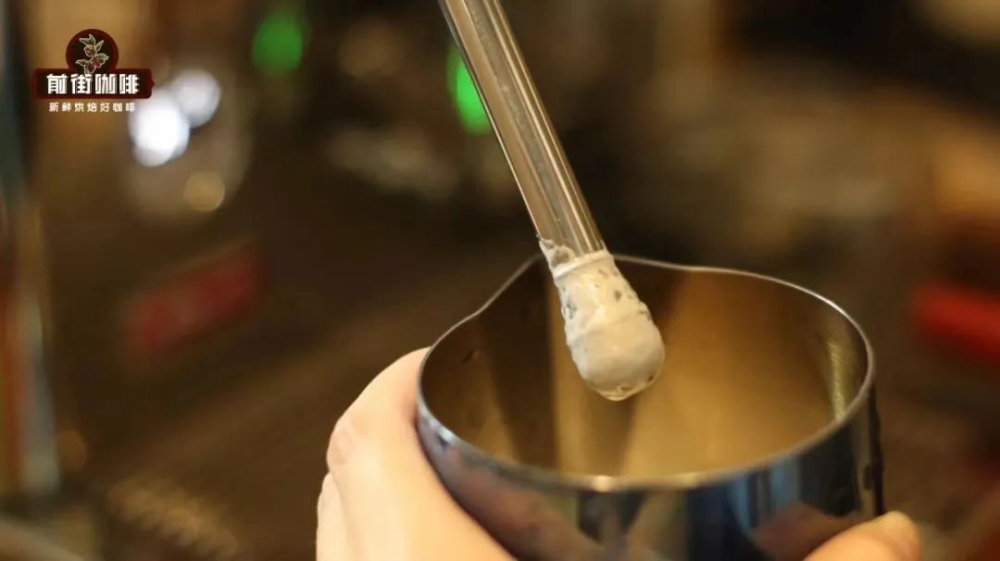
In addition, wipe it promptly after use to prevent milk scale buildup. As long as cleaning is done properly, the tip will naturally be less prone to clogging.
- END -
The above content is compiled by CoffeeHunters, a coffee news website.


