








Why does coffee extraction need five cleaning cloths?
Espresso work calls for five separate cleaning cloths because each has a different job and its own hygiene and dampness requirements. One cloth used for everything would spread coffee grounds and milk residue. The set covers the portafilter, cups, milk steaming, the espresso machine body, and the bar surface.
After knocking out a puck, a dry cloth clears leftover grounds and water from the portafilter before the next coffee extraction. A milk cloth stays damp for wiping and purging the steam wand, and fabrics differ by color and style so each coffee enthusiast can tell them apart. Separating tasks keeps grounds out of milk and protects flavor.
In the process of making espresso, besides auxiliary tools like WDT needles, distribution tools, and latte art needles, cleaning cloths are equally indispensable in a supporting role. Many coffee enthusiasts wonder: why does making coffee require as many as five cleaning cloths? Is the barista the god of rags? In fact, each cloth has a different task, with varying requirements for hygiene standards and wetness, so one cloth cannot serve all purposes. Front Street will break down in detail the responsibilities of each of the five cloths in this article—from wiping portafilters, wiping cups, milk cloths, wiping espresso machines, to bar rags—and share the key points for using milk cloths damp and how to distinguish fabrics by color and style, helping everyone understand the cleaning logic behind baristas.
As is well known, when making espresso, we often use a great many tools for assistance, such as WDT needles, distribution tools, latte art needles, and so on. Besides the auxiliary tools used during coffee preparation, we also cannot overlook the unnoticed supporting tools responsible for cleaning, such as: cleaning cloths.
Many friends are puzzled: it's understandable that making coffee requires cleaning, but why does it need as many as "5" cloths? Could it be that the barista is the god of rags in ancient Greece?

Just kidding! The reason five cloths are needed is that each cloth has different responsibilities, and some tasks have extremely high hygiene requirements, so a "one-cloth-fits-all" versatile player is not possible. Besides ensuring the hygiene of the cloths, it is also because these tasks have different requirements for the wetness of the cloths. Therefore, they need to be separated and each performs its own duty.
So, today Front Street will share what tasks each of the five cloths used by baristas is responsible for!
1. The cloth used to wipe the portafilter
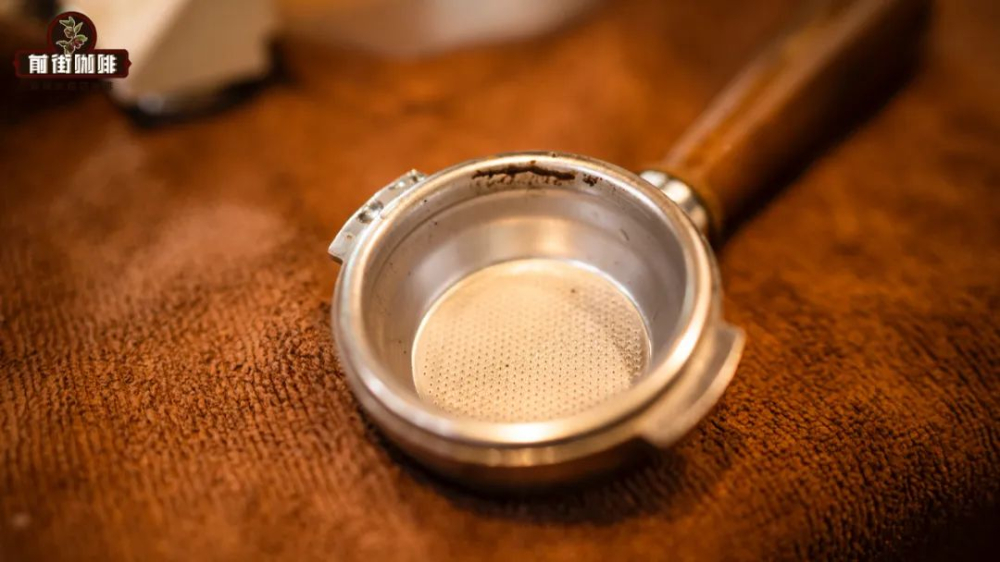
Since it is a cloth used for espresso, the portafilter mentioned here naturally refers to the extraction portafilter used by the espresso machine! After we finish extracting espresso and knock out the puck, there will be some coffee grounds left in the portafilter, or water stains left after cleaning. These can all affect coffee extraction!
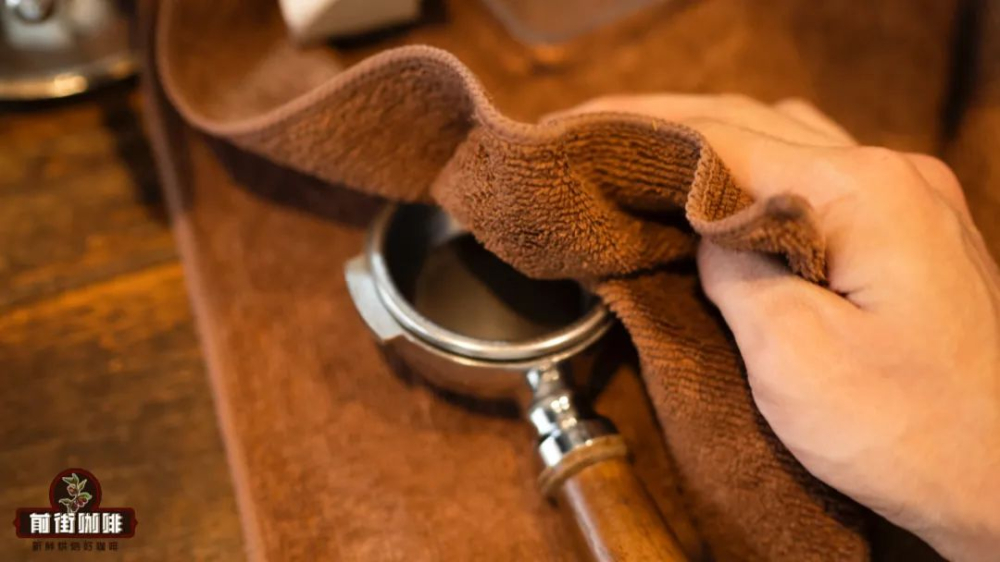
If we need to put the portafilter back into extraction immediately, then we need a dry cloth to immediately remove these "troublemakers." Therefore, the first cloth's role is specifically to wipe away stains on the portafilter!
2. The cloth used to wipe cups
I wonder if any friends have ever been attracted by scenes of "baristas wiping cups" in films and TV shows. Anyway, Front Street once thought that a barista seriously wiping cups is really as handsome as Front Street!
After we wash the cups, if they are not wiped in time, the water droplets remaining on the cups will, after evaporation, leave a film-like mark on the cups, commonly known as "water stains."
Water stains greatly affect the appearance of a cup and give customers using it an impression of uncleanliness. So to prevent the formation of water stains, after washing cups we always use a clean, hygienic cloth to wipe them. Therefore, the second cloth's purpose is to wipe cups!
It is worth mentioning that to ensure this cleaning cloth does not grow mold due to being constantly damp, this cloth is always placed on top of the espresso machine, continuously subjected to high-temperature baking.
3. Milk cloth
The milk cloth is what we talked about yesterday, "the cleaning cloth used to wipe milk residue left on the steam wand," abbreviated as milk cloth.
But one point not mentioned yesterday is that because milk evaporates quickly at high temperatures, the milk residue stuck to the steam wand needs to be wiped with a "dampened milk cloth." Otherwise, a dry milk cloth not only cannot remove the milk residue, but also easily causes the cloth fibers to be burned, rendering it completely useless.
4. The cloth used to wipe the espresso machine
I believe the biggest annoyance for friends using bottomless portafilters is that when channeling occurs during extraction, the coffee liquid splatters everywhere. The entire espresso machine ends up covered in coffee liquid!
Therefore, we need to equip an additional cloth to clean the espresso machine! Of course, it also needs to be dampened before use. Otherwise, it will not be able to clean effectively and cannot wipe away the coffee liquid that has solidified on the espresso machine.

5. Bar rag
The bar rag is easy to understand; it is mainly used to clean all stains on the bar counter other than the espresso machine. After all, the bar counter faces customers, so overall hygiene still needs a certain guarantee!
One more point
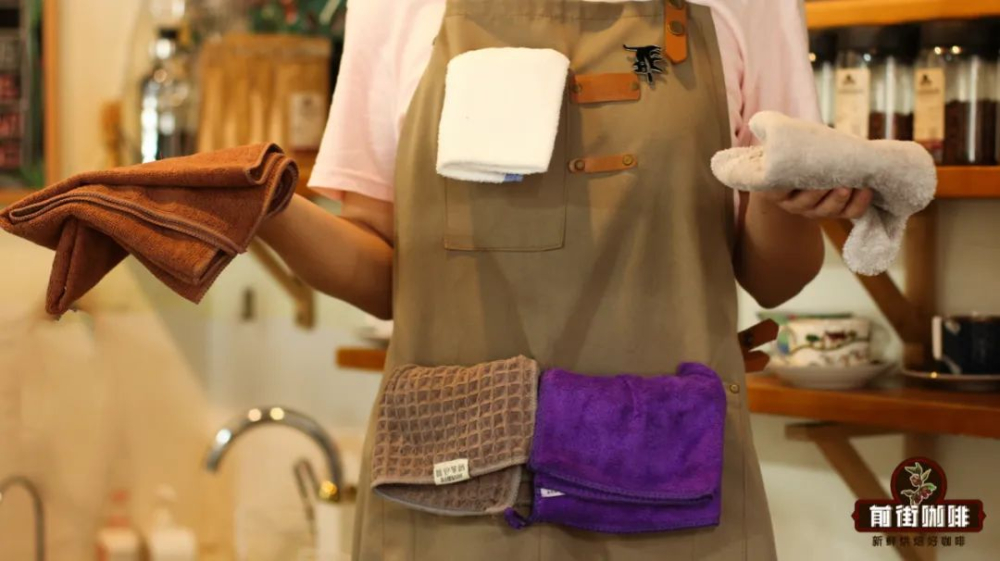
Because there are quite a lot of cloths, in order to distinguish them well, most coffee shops use different styles and different colors as independent markers for each cloth, so they will not be confused just because their appearance or color is too similar. Therefore, when buying cloths, everyone should also pay attention to this point~ so that in future use they will not be indistinguishable because they are too similar~
- END -
The above content is compiled by CoffeeHunters, a coffee news website.


