







Search Results for: Steam Wand Cooking

Using a coffee machine steam wand to make egg pudding? A step-by-step guide to two coffee-flavored recipes
You might not have thought of it, but a coffee machine can do more than brew coffee—it can also whip up an egg dessert on the side. In fact, back in the 1950s in Colombia, people were already using the steam wand to make an egg dish called Huevos Al Vapor and turning it into a signature item in their shops. Now Front Street Coffee is also trying to recreate this steamed egg pudding with a home espresso machine—all you need are eggs, milk, butter, and sugar, and it's done in a few steps. This article will break down the steps in detail, the ingredient ratios, and two ways to present it with coffee flavors, while also reminding you about cleaning the steam wand and milk pitcher, to help you successfully make this impromptu dessert with caramel-coffee notes and low sweetness. [more…]

An Unusual Use for an Espresso Machine Steam Wand: The Curious Tale of a Colombian Café Steaming "Scrambled" Eggs
The steam wand on an espresso machine is usually used to froth milk or heat it up, but in some cafés in Colombia, it has been put to a surprising new use—steaming eggs. This egg dish made with a steam wand has a fluffy, tender texture like a soufflé, and has become a signature breakfast at local cafés. This article will walk you through the origin of this famous dish, how it's made, and the real experiences of netizens who tried to imitate it. At the same time, the article also reminds coffee lovers: this kind of operation can cause no small amount of trouble for your espresso machine. If you're intrigued by the curious combination of coffee and eggs, read on. [more…]

What is the purpose of purging steam when frothing milk? Key operational details before making latte art
In front of a café bar, you can often hear the "hissing" sound a barista makes while steaming milk, and you'll also notice that they always purge the steam wand for a few seconds before and after use, sometimes even keeping it wrapped in a cloth the whole time. These seemingly superfluous little habits actually reflect careful consideration for coffee quality and operational safety. Purging the steam not only expels condensation from inside the wand and prevents the milk from being diluted, but also cleans the steam holes to keep them from clogging. As for whether the steam wand should be wrapped in a milk cloth, baristas each have their own reasoning: some insist that wrapping it is safer and more efficient, while others believe it is completely unnecessary. This article will examine both sides of the argument and analyze in detail this dispute over a fine point of espresso preparation, helping coffee enthusiasts gain a deeper understanding of the correct way to steam milk. [more…]
The Complete Guide to Steaming Milk for Espresso Machines: From Beginner Steps to Milk Froth Texture Assessment and Latte Art Techniques
Want to make a latte at home with an espresso machine? Steaming silky, smooth milk foam is a key step. Many people think steaming milk is as simple as sticking the steam wand into the milk, but in practice they often run into problems like splashing milk, coarse foam, and overheated milk. This article starts with how to use the steam wand correctly and then breaks down the complete milk-steaming process step by step, including how to purge condensate from the wand, how to find the right air-intake position, when to bury the nozzle deeper, and what temperature range is most suitable. It also shares tips for judging foam quality and things to watch out for in the daily cleaning of the steam wand. The equipment-selection advice and operating details mentioned in the article are useful reference for both beginners and advanced enthusiasts. [more…]
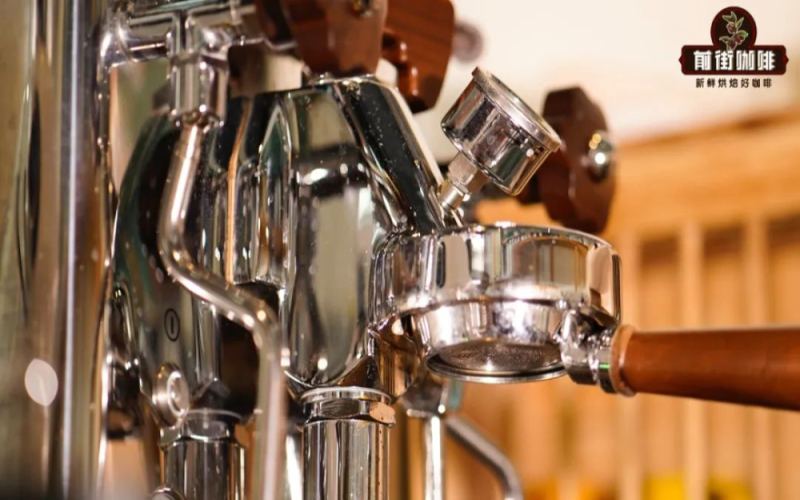
Daily Maintenance Guide for Espresso Machines: How to Properly Clean the Brew Head Shower Screen and Steam Wand
If a coffee machine lacks maintenance for a long time, extraction quality will gradually decline and may even cause malfunctions. This article takes the small espresso machine used in Front Street stores as an example to systematically explain the complete process of daily cleaning and deep maintenance for home coffee machines. The content covers key steps such as simple rinsing of the brew head dispersion screen and blind basket backflushing, wiping the steam wand surface and soaking the tip for descaling, and deodorizing the portafilter spout area. The article explains in detail the amount of special cleaning powder to use, control of backflush time and number of cycles, and precautions to avoid damaging the pressure relief valve. No matter what model is used, this method is basically universal, helping coffee enthusiasts maintain their machines at low cost and reduce the risk of needing repairs. [more…]
A Complete Guide to Steaming Milk for Coffee Beginners: Principles, Tools, Steps, and Blending Techniques
To make a velvety, smooth latte or cappuccino at home, steaming milk is an unavoidable fundamental skill. This article starts with the principles of milk foam, first explaining the roles of the two stages—"aeration" and "texturing"—then compares the pros and cons of tools such as electric handheld frothers, manual frothing pitchers, hot/cold electric milk frothers, and espresso machine steam wands, with a key breakdown of the complete steam frothing process. The content covers the effects of milk fat and temperature, the choice of steam wand hole count and dryness, the considerations for pitcher size and shape, as well as practical tips on insertion angle, judging by sound, controlling aeration volume, and testing integration. The article also incorporates recommendations from Front Street Coffee, offering practice suggestions suitable for beginners. [more…]
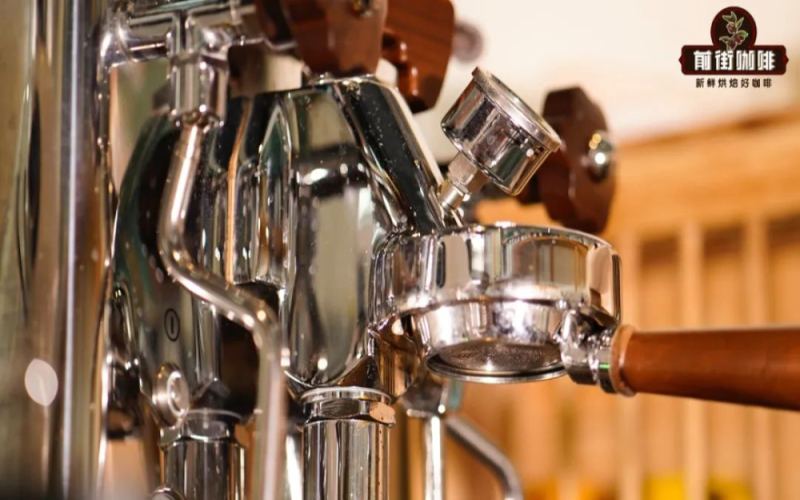
Daily Maintenance Guide for Espresso Machines: Detailed Explanation of Correct Cleaning Steps for the Dispersion Screen and Steam Wand
If a home espresso machine is neglected for a long time, extraction quality will gradually decline and may even lead to malfunctions. Using hands-on operation as an example, this article systematically explains how to clean the key parts of a coffee machine. It covers the simple rinsing and deep backflushing process for the dispersion screen, techniques for wiping the steam wand surface and soaking the tip, and key points for cleaning the portafilter spout area. Through regular maintenance, you can effectively extend the machine's lifespan and avoid costly repairs. The steps in the article are clear and suitable for coffee enthusiasts to follow on their own. [more…]

How to Steam Milk Foam for Latte | Latte Milk Foam Beginner Tutorial: How do you steam milk foam suitable for latte art?
Front Street Coffee has previously shared detailed knowledge about steaming milk foam. However, recently a friend sent some videos of steaming milk foam and asked Front Street Coffee for some advice. These problems happen to be quite common among beginners steaming milk foam, so we'll specifically discuss a few points to pay attention to when steaming milk foam. First category, after steaming. [more…]

Latte Art Milk Foam Steaming Time and Texture Analysis: Pitcher Angle, Swirl Technique, and Espresso Pairing Recommendations
To create beautiful latte art, both the quality of the steamed milk foam and the quality of the espresso are indispensable. This article focuses on the most common problems beginners encounter when steaming milk, explaining in detail the insertion depth of the steam wand, the principles of aeration and texturing, how to create a vortex by controlling angle and position, and the advanced technique of aeration and texturing simultaneously. At the same time, Front Street also recommends classic blends and dark cocoa blends suitable for beginners and for café use, helping you easily extract espresso with golden crema at home and laying a solid foundation for latte art. [more…]

Home Espresso Machine Cleaning and Maintenance in Practice: A Guide to Descaling and Replacing Gaskets on the Steam Wand, Group Screen, Portafilter, and Plumbing
Many people buy an espresso machine without really knowing how to maintain it. If it isn't cleaned for a long time, the steam will weaken, the brew head will dispense water unevenly, the extraction pressure will fluctuate, and the portafilter may even leak after being locked in. Today, Front Street Coffee will talk about how to do daily maintenance and deep cleaning of home espresso machines, so the machine lasts longer and you save on unnecessary repair costs. The article will start with the daily cleaning of the steam wand, shower screen, and portafilter, then introduce deep maintenance methods such as soaking the steam wand, backflushing the pipes, replacing the gaskets, and maintaining the water tank filter, helping you take proper care of your espresso machine. [more…]

What should you do if your latte milk foam isn't fine and smooth enough? A detailed explanation of steam frothing vortex techniques
Many coffee enthusiasts, when making latte art, most often encounter the problem of coarse milk foam that is not fine and smooth enough. In fact, the key to producing ideal dense milk foam lies in understanding how the steam wand works and how to create a stable vortex. This article will start with the principles of steam heating and foaming, gradually break down the core steps of air intake and texturing, and share practical tips for completing steaming and texturing at the same time. Front Street Coffee will also combine everyday operating experience to walk you through key points such as the angle of the milk pitcher, the position of the steam holes, and liquid surface control, so that you can easily recreate silky latte art foam at home. [more…]
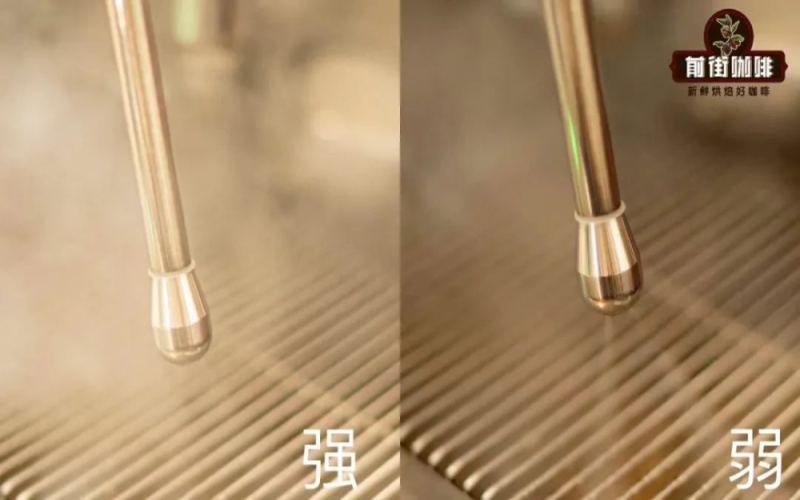
Analysis of the Reasons for Weakened Steam in Espresso Machines: How to Deal with Clogged Steam Wands and Key Points for Daily Cleaning
When frothing milk with an espresso machine, if the steam becomes progressively weaker, it doesn't just hurt efficiency—it also seriously degrades the quality of the milk foam. In fact, the problem usually lies with the steam wand tip: residual milk scale clogs the small holes, preventing steam from flowing out smoothly. This article will break down the reasons for weak steam in detail, and walk you through step by step how to unclog the tip, soak and clean it, and what maintenance details to watch for in daily use, helping your espresso machine restore powerful steam and effortlessly produce fine, delicate milk foam. [more…]

Six commonly overlooked key details and pouring techniques for steaming latte milk foam
An outstanding latte art design relies on the support of fine, smooth milk foam. Many coffee enthusiasts, when practicing milk frothing, tend to focus only on the position of the steam wand and the aeration technique, while overlooking some details that determine success or failure. Today, Front Street Coffee will break down, one by one, the key points to pay attention to when frothing milk, covering six aspects: temperature control, milk refrigeration, purging the steam wand, angle adjustment, the number of times to tap the pitcher, and the practice of transferring the milk. Mastering these easily overlooked steps can help you reduce the chances of failure and take the density and fluidity of your milk foam to the next level. [more…]
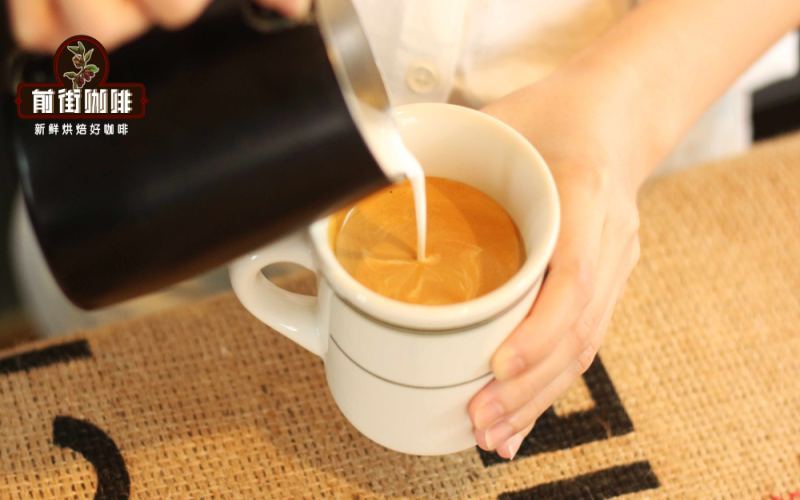
Learning Coffee Latte Art from Scratch: A Detailed Guide to Practical Techniques for Steaming Milk with a Steam Wand and Integrating Latte Art
Those new to coffee latte art often run into the same confusion: they watch others casually pour a beautiful heart or tulip, but when they try it themselves, the milk turns into clumps, and they can't even make the most basic pattern. In fact, latte art isn't as mysterious as it seems—the key lies in mastering a few core elements: milk frothing, the pouring technique, and the pitcher-holding posture. From the perspective of Front Street, this article systematically explains how to use a coffee machine's steam wand to create dense, well-balanced microfoam, how to choose espresso beans suitable for latte art, and the details to pay attention to during pouring and practice. It will also recommend Front Street Classic Blend, a bean suitable for beginners and for use in cafés, to help everyone take fewer detours on the road to practicing latte art. [more…]
A Beginner's Guide to Milk Steaming for Latte Art: A Complete Breakdown of Techniques from Theory to Practice
Want to create dense, smooth latte art milk foam at home, but keep getting discouraged by "over-whipped," "separated," or "can't pour a pattern"? Actually, milk frothing isn't as mysterious as it seems. As long as you understand the principles, choose the right tools, and master a few key details, even beginners can produce consistent results. This article starts with the formation principles of milk foam, then breaks down the three major factors in steam frothing: milk, steam wand, and pitcher. It also includes detailed hands-on steps and advanced tips, covering core points such as temperature control, aeration ratio, vortex frothing, and judging integration. Whether you use an espresso machine or a handheld milk frother, you'll find a practice direction that suits you. The article also retains relevant recommendations for the Front Street Coffee brand for coffee lovers to reference when purchasing. [more…]
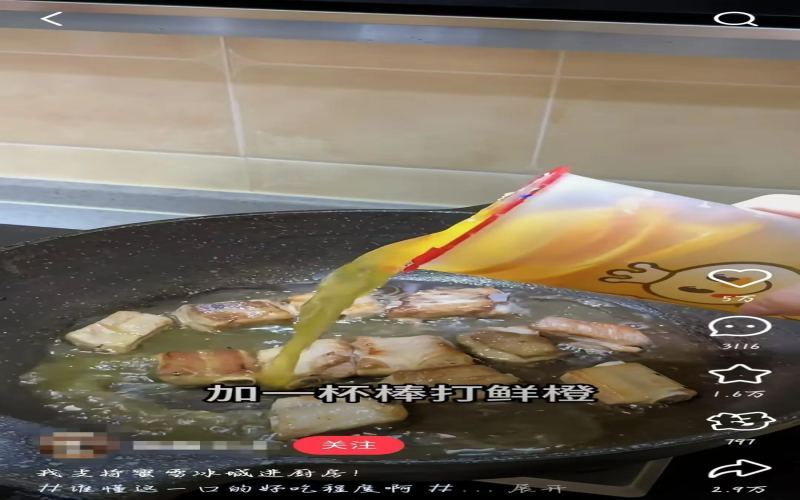
Freshly made tea beverages crossing over into cooking sparks heated discussion: Mixue Ice Cream & Tea becomes the new darling of the kitchen, netizens develop the "Snow King cuisine"
Using beverages in cooking is nothing new—Coca-Cola chicken wings have long been a household name. But recently, a group of wildly creative netizens have brought freshly made milk tea and fruit tea into the frying pan—Mixue Bingcheng's "Bangda Fresh Orange" is used to braise pork ribs, iced fresh lemonade replaces dipping sauce, and Four Seasons Spring milk tea is kneaded into dough to steam buns. This "Mixue Bingcheng goes into the kitchen" trend quickly went viral on social media, racking up tens of thousands of likes, with official accounts also joining in the interaction. Some see it as dark cuisine, while others who tried it exclaim it's surprisingly delicious. Is incorporating freshly made drinks into cooking actually reliable? And what intriguing details lie behind it? This article will take you on a deep dive. [more…]
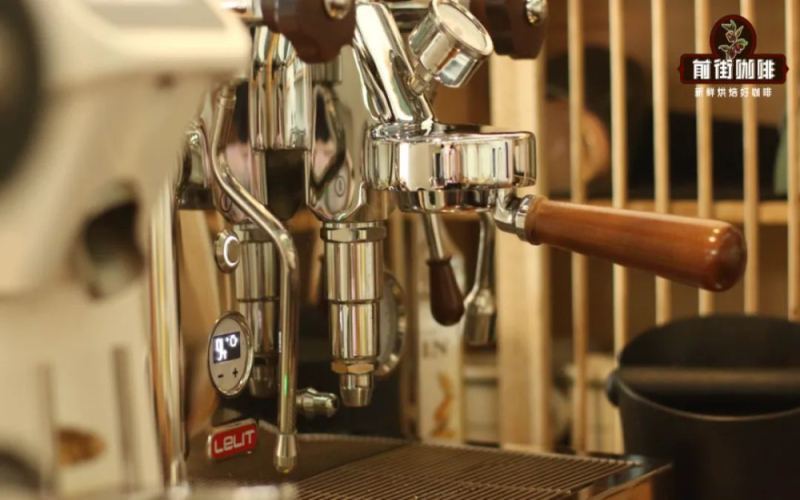
Home Espresso Machine Maintenance Guide: Daily Cleaning, Deep Descaling, and Group Head Gasket Replacement Tips
Many coffee enthusiasts have added espresso machines to their homes, but due to a lack of knowledge about cleaning and maintenance, problems such as weakened steam, uneven water flow, and even portafilter leaks begin to appear after the machine has been used for a while. This article systematically organizes maintenance methods for home espresso machines: from the routine cleaning of the steam wand and shower screen after each brew, to using a blind basket to backflush and remove internal residue before shutting down, and then to regularly using specialized cleaning powder for deep treatment of the steam wand, shower screen, and portafilter basket. The article also explains in detail the steps for replacing the brew head gasket after it ages, and reminds readers that water needs to be filtered to prevent scale from damaging the boiler. The article involves practical experience with the machine models used in Front Street Coffee stores, and is suitable for coffee enthusiasts to follow and implement. [more…]

Home Espresso Machine Maintenance Guide: Daily and Deep Cleaning Methods for the Steam Wand, Dispersion Screen, and Plumbing
As coffee culture becomes increasingly widespread, more and more households are purchasing espresso machines, but most users are not industry professionals and know very little about equipment cleaning and maintenance. Failure to clean regularly over time can lead to weakened steam, uneven water flow from the group head, unstable extraction pressure, and even portafilter leaks. In this article, Front Street will systematically share daily maintenance and deep cleaning methods for coffee machines, covering routine cleaning of the steam wand, dispersion screen, and portafilter, as well as deep maintenance essentials such as backflushing the pipes, replacing gaskets, and maintaining the water tank filter—helping your coffee machine run stably for the long term and avoiding unnecessary repair costs. [more…]
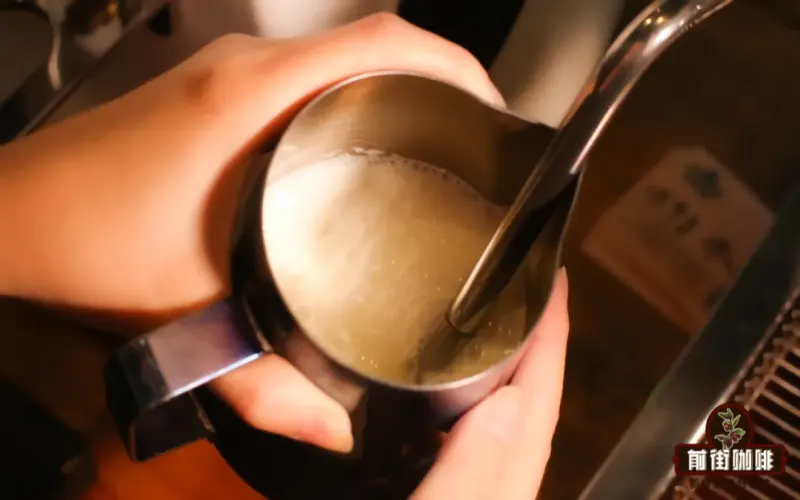
The Complete Guide to Steaming Milk Foam for Espresso Lattes: Thickness Control and Beginner-Friendly Practical Techniques Explained
Want to make dense, smooth latte milk foam but keep struggling with coarse large bubbles and uncontrollable temperature? This article starts with the historical origins of milk foam, systematically breaks down the thickness control principles of espresso milk foam, and guides you through understanding the two key stages: "aeration" and "texturing." Front Street Coffee will demonstrate step by step the practical details of steam wand angle, air intake point selection, and temperature control, and share money-saving tips for practicing with ice water. Whether you are a complete beginner or an enthusiast looking to refine your latte art skills, this tutorial can help you avoid common pitfalls and consistently create fine, delicate milk foam suitable for latte art. [more…]

Judging Milk Foam by Sound: Practical Tips for Using the Steam Hiss to Gauge Froth Thickness and Density
When steaming milk, the sound made by the steam wand actually holds important clues for judging the condition of the milk foam. Many people practicing latte art easily run into problems such as foam that is too thin, too thick, rough, or separated, and one of the keys to solving these problems lies in the "hiss~ hiss" sound made during milk steaming. This article starts from the principle of steam intake, explains the milk foam states corresponding to different sounds, and, through an experiment comparing short bursts of hissing with prolonged hissing, explains how to use the length of the sound to control the amount of air intake, ultimately producing ideal milk foam that is fine, smooth, highly fluid, and suitable for latte art. The article also retains Front Street Coffee's related recommendations and address information, making it suitable for coffee enthusiasts to refer to during daily practice. [more…]