







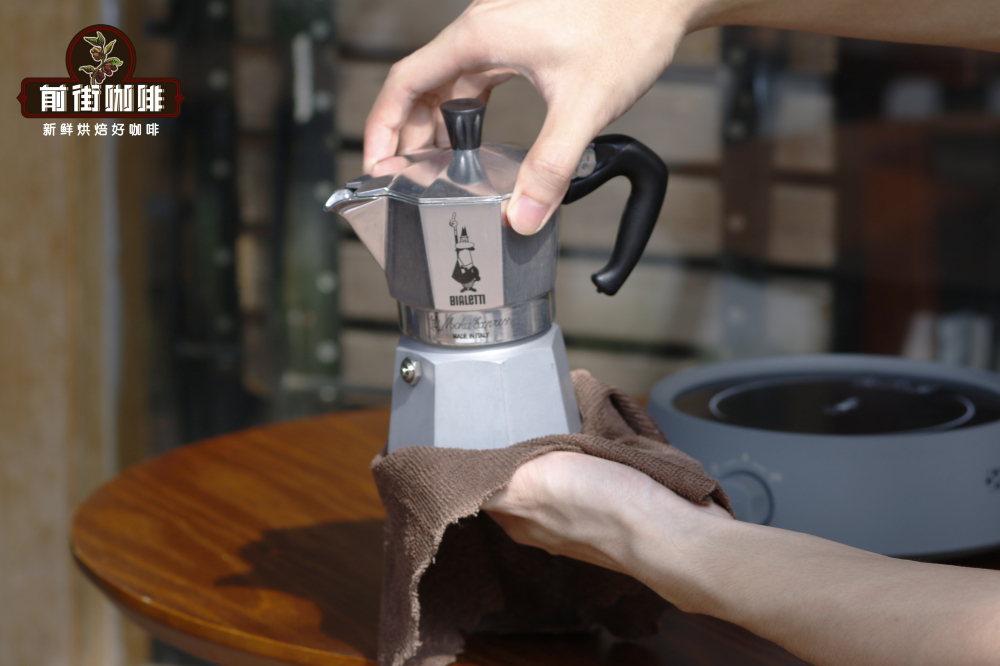
Recently, a fan of Front Street has fallen in love with brewing coffee using a moka pot, especially enjoying a strong cup from the moka pot in the morning. However, this fan is unsure if their method of using the moka pot is correct, so they approached Front Street to discuss this issue.
Front Street believes that as a standard household coffee device, the moka pot should not be bound by too many rigid standards. As long as it meets a few key operational methods, the rest can be freely adjusted according to personal taste.

What is a moka pot?
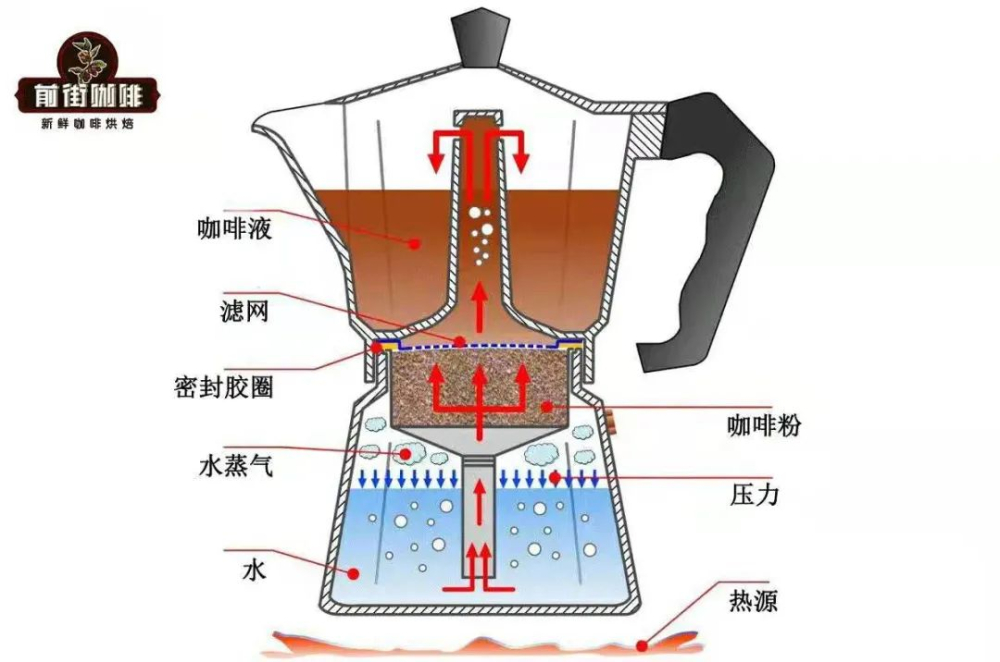
The moka pot consists of three parts: the upper chamber, the filter basket, and the base. The base is the water reservoir, the filter basket holds finely ground coffee, and the upper chamber collects the brewed coffee. The principle of coffee extraction in a moka pot is simple: it uses steam pressure generated in the base. When the steam pressure is high enough to penetrate the coffee grounds, it pushes hot water up to the upper chamber, brewing a rich and aromatic coffee.
Although its pressure (1.5-2bar) is much lower compared to an espresso machine (9bar), it can still extract coffee oils and produce a rich taste. Through the following images from Front Street Coffee (FrontStreet Coffee), it is actually clear at a glance, very clearly presenting its internal structure and coffee extraction principle.
Moka pots also come in single-valve and double-valve types, with double-valve moka pots producing more coffee oils than single-valve ones. Single-valve means the coffee liquid flows directly out of the two small holes at the top of the hollow tube in the moka pot. Double-valve means adding a pressure valve on top of the hollow tube, which normally blocks the small hole where coffee liquid exits from the hollow tube. It requires a certain steam pressure to push it upward and spray out the coffee liquid. The coffee flavor brewed by single-valve and double-valve is also different. Single-valve moka pots produce coffee with lower concentration and less oil, while double-valve ones have higher concentration and more oil.
The capacity of a moka pot is usually expressed in "cups" or "servings." Common specifications on the market include capacities for 1, 2, 3, 6, 9, 12, and 18 servings. One cup of coffee requires about 30-40 milliliters of espresso. For single or double servings, you can choose a 1-2 cup size, which is the smallest version; if you like to share with friends daily, you can choose a 3-serving size; if it's for family use and you brew more than three cups each time, you can opt for a larger multi-serving model, and the corresponding price will be slightly higher.
First point: What coffee beans to use
The flavor of the coffee you make is greatly influenced by the coffee beans you use. Front Street generally recommends using coffee beans with a medium roast or darker, because beans that are too lightly roasted will make the coffee very sour and unpleasant to drink. Here, Front Street recommends a few coffee beans that we have tried and found delicious for reference. You can place orders on Front Street's Tmall flagship store or Front Street's Taobao store.
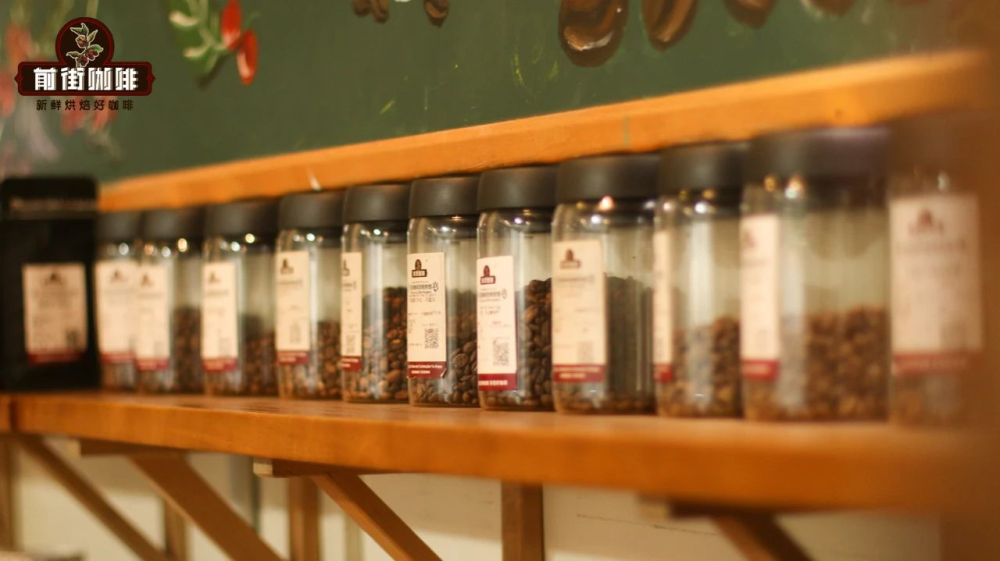
The first type is Front Street's specialty blend coffee beans. This is an espresso blend made from Front Street's Brazilian semi-washed coffee and Front Street's Colombian washed coffee. The resulting coffee has rich flavors of nuts, roasted peanuts, cocoa, cream, and caramel.

The second type is Brazil Queen Estate Yellow Bourbon. This coffee bean is medium-roasted, highlighting its very sweet sugarcane flavor. It performs well whether drunk straight or made into milk coffee.
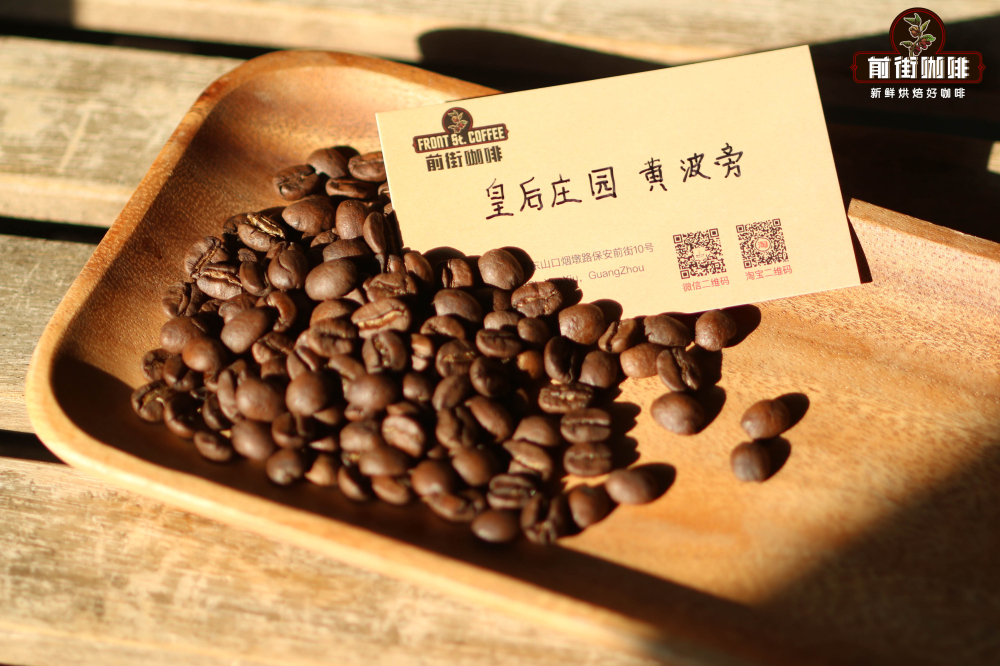
The third type is Indonesian PWN Golden Mandheling. Pawani Company's Golden Mandheling coffee beans are among the highest quality coffee beans in Indonesia. They possess the rich, full-bodied, and aromatic characteristics of Mandheling coffee, and are also very good in terms of cleanliness. Suitable for people who are accustomed to drinking bitter coffee.
Second point: Grind size for moka pot coffee
One important thing in making moka pot coffee is the grind size. If the grind is too coarse, the coffee liquid will easily spray out, and the lid on the moka pot also serves to prevent the coffee from spraying out and causing burns. If the grind is too fine, the coffee liquid will not easily penetrate the coffee bed and rise up, and the resulting coffee will be very burnt and bitter.
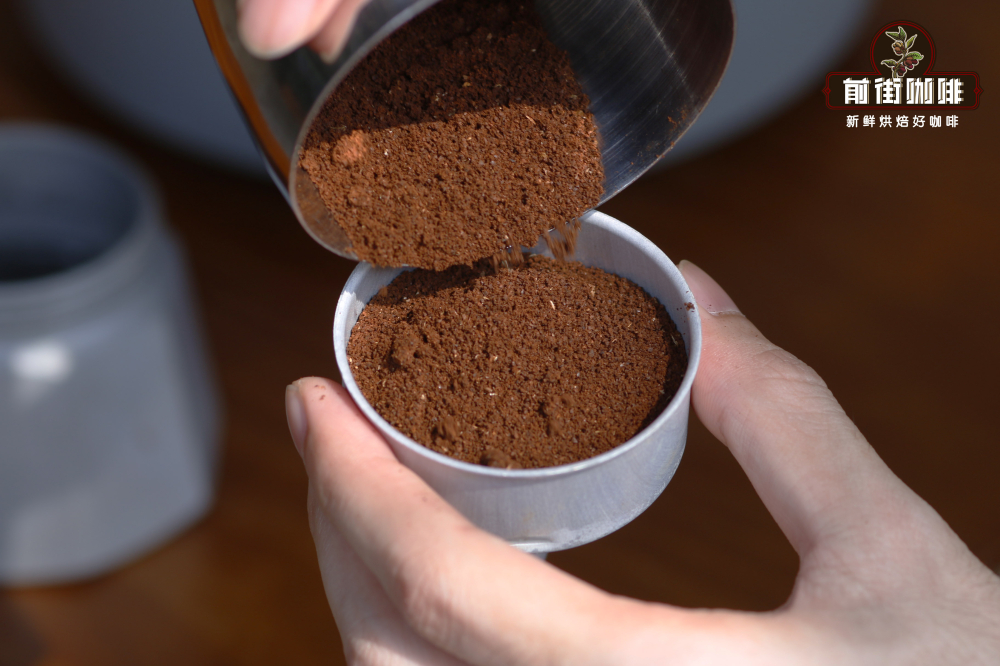
The particle size is about 0.3-0.55mm. Visually, the coffee grounds look similar in coarseness to those for an espresso machine, but in fact, they are slightly coarser than those for an espresso machine.
Third point: Coffee-to-water ratio
Many friends ask Front Street how much water to put in the moka pot and how much coffee to add. Actually, this shouldn't be asked to Front Street, but rather depends on how much water your pot can hold and how much coffee it can hold. When foreigners make moka pot coffee, they rarely measure precisely with a scale. Because the lower chamber of the moka pot that holds water has a pressure relief valve, as long as the water doesn't exceed that valve, it's fine. Generally, water is poured directly up to just below the pressure relief valve. The amount of coffee is also determined by the capacity of your filter basket. Note that you must fill the filter basket completely, without any gaps, and without pressing it down.
When making moka pot coffee, you need to tamp the coffee grounds, which is quite different from an espresso machine.

Fourth point: When to turn off the heat
First, there are many ways to heat a moka pot. Common household appliances like the electric ceramic stove and induction cooker that Front Street usually uses can be put to use. In addition, an open flame can also heat the moka pot, but Front Street needs to remind you to keep the heat low throughout and remove it from the heat source immediately once the coffee liquid comes out to prevent burns.
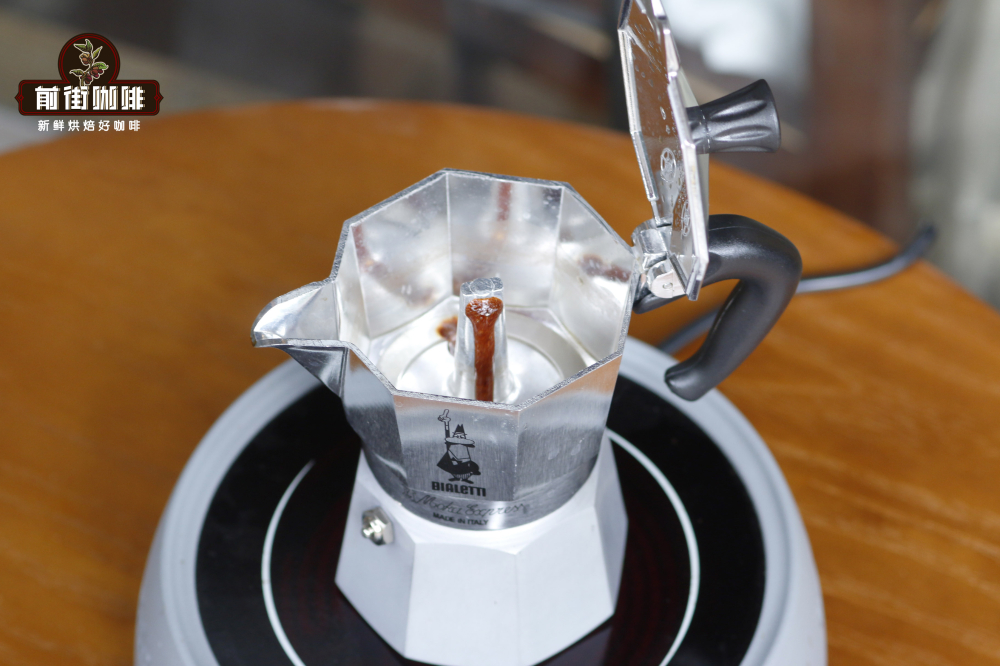
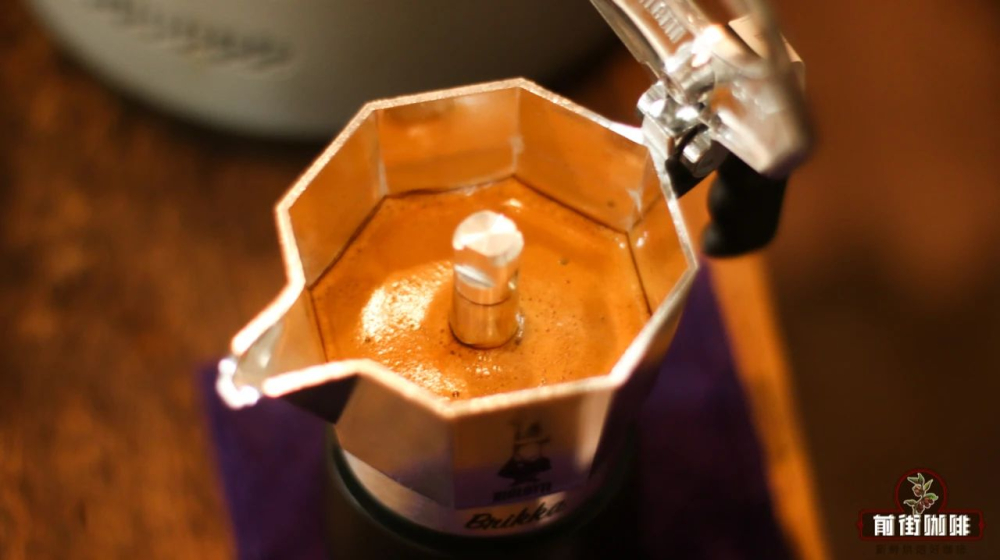
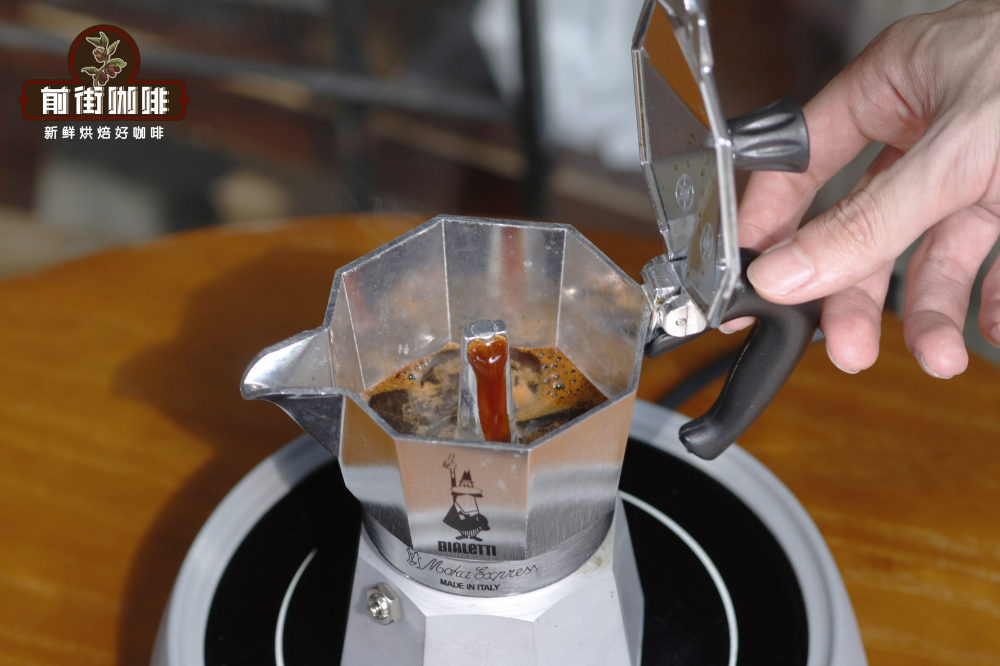
When brewing with a moka pot, the heat should be even, and medium heat is best. When you hear a "rumbling" sound, you can open the lid to observe. When the first drop is about to spray out, you can turn off the heat. If you continue to use high heat or wait until the coffee boils before turning off the heat, then this cup of coffee will most likely have a burnt taste.
Fifth point: Do you need to open the lid when brewing with a moka pot?
Some friends see in videos that people like to open the lid when brewing with a moka pot. Actually, this is to show the audience the state of the coffee liquid spraying out. In general, you don't need to open it. If you don't know when to turn off the heat, you need to open the lid to observe the spraying state of the coffee liquid. Of course, if you keep the lid open all the time, the coffee liquid might splash out and burn your skin.
The above content is compiled by CoffeeHunters, a coffee news website.


