







Search Results for: Southern production region
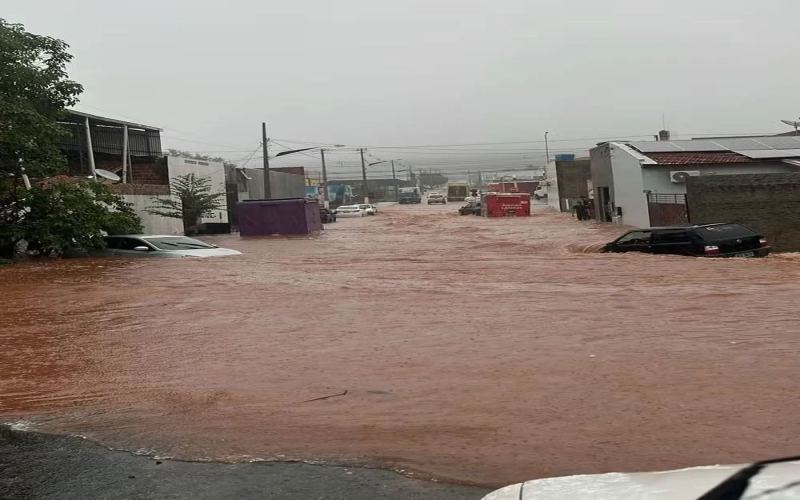
Heavy Rain in Southern Brazil Impacts Coffee Regions, Local Production May Drop by Up to 30%
Central and southern Brazil recently experienced heavy rainfall, with southern Mato Grosso and São Paulo state severely affected, impacting both transportation and power supply. Meanwhile, rainfall in Minas Gerais remains below the historical average, and the worst drought and wildfires in nearly 70 years have already caused deep damage to coffee cultivation. Although concentrated flowering occurred in October, whether the flowers will develop into fruit remains to be seen in December. Multiple institutions expect coffee production in the most severely affected areas to decline by 20% to 30%, with the potential of both the 2024/25 and 2025/26 crop years affected. [more…]

Tanzanian Coffee Flavor Analysis: Kilimanjaro vs. Southern Regions and Front Street Brewing Recommendations
Tanzania is an important specialty coffee-producing country in East Africa, with Mount Kilimanjaro and the Southern Highlands each offering distinct characteristics. Drawing on Front Street Coffee's cupping and brewing experience, this article reviews the varieties, processing methods, flavor profiles, and regional differences of Tanzanian coffee. The Mount Kilimanjaro region benefits from volcanic soil and a unique climate, giving the coffee pronounced sweetness, bright acidity, and citrus, nut, honey, and cocoa notes in the finish; the southern regions, by contrast, show stronger floral and berry tones with softer acidity. The article also introduces the washed processing flow, the characteristics of the Typica and Bourbon varieties, and Front Street Coffee's medium-light roasting and three-stage brewing approaches tailored to different flavor profiles, helping coffee enthusiasts gain a comprehensive understanding of the strengths, weaknesses, and selection directions of Tanzanian coffee. [more…]

An In-Depth Analysis of Tanzanian Coffee Flavors: Comparing Kilimanjaro and Southern Production Regions with Front Street Brewing Recommendations
Tanzania is a major coffee-producing country in East Africa, and the Kilimanjaro region is a representative of specialty coffee. The Kilimanjaro coffee on Front Street Coffee's bean list presents honey-like sweetness with citrus and nutty notes, showcasing the washed Typica variety. Based on Front Street's cupping and brewing practice, this article explains in detail the flavor differences between Kilimanjaro and the southern producing regions, processing methods, and variety characteristics, and shares parameter ideas for medium-light roasting and three-stage brewing, helping coffee lovers understand the rich body and unique acidity of Tanzanian coffee. [more…]
Colombian Specialty Coffee Varieties, Regions, and Flavor Overview: From MAM Commercial Beans to Southern Specialty Micro-Regions
Colombian coffee, with its inherent advantages of low latitude and high altitude, has become a major hub for specialty coffee. This article sorts out its variety structure—Caturra accounts for about half, the Colombia variety about thirty percent, and Typica only about twenty percent; it analyzes the flavor differences between the three major MAM commercial production regions and Bucaramanga in Santander Department in the northeast; and it focuses on the southern specialty micro-regions of Huila, Cauca, Nariño, and Tolima, all above 1,500 meters, presenting delicate acidity and aromatics, along with berry and caramel sweetness. The article also introduces the FNC's official statements on Caturra and the Colombia variety, and reminds buyers not to look only at the Supremo grade when purchasing—the region labeling is what really matters. Front Street Coffee's Colombian specialty beans are mainly based on southern sub-regions, which is worth noting. [more…]
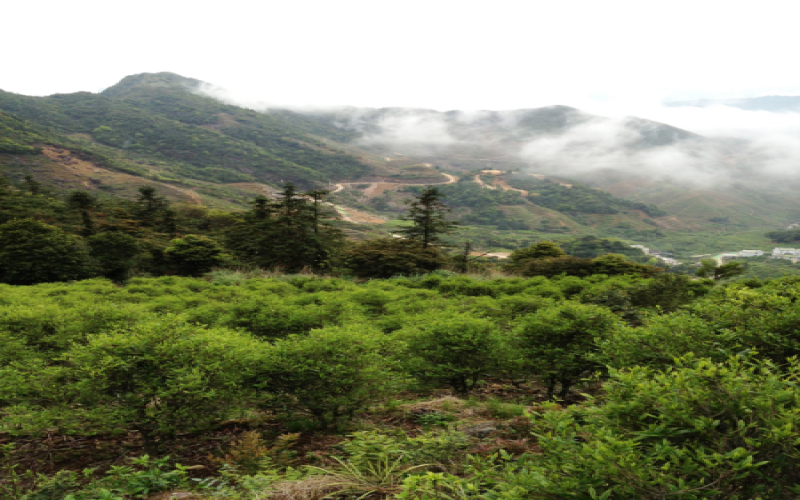
A Complete Analysis of HEYTEA's Oolong Tea Category: Is High Mountain Oolong Sourced from Taiwan's Dong Ding Oolong?
What types of oolong tea does Heytea actually offer? Is its high-mountain oolong actually Taiwan Dong Ding oolong? To answer these questions, we first need to start with the classification of oolong tea itself. Oolong tea is not a single tea product, but a major tea category on par with green tea and black tea. Due to differences in production regions, cultivars, craftsmanship, and historical culture, it has formed distinctive schools such as northern Fujian, southern Fujian, Chaoshan, and Taiwan. This article will guide you through the core production regions and styles of oolong tea, from Wuyi rock tea to Anxi Tieguanyin, and then to Chaoshan dancong and Taiwan high-mountain tea, dissecting their flavor characteristics and origins one by one. At the same time, the article will also retain relevant recommendations and product information from the Front Street Coffee brand, helping you find an oolong tea that suits your taste while learning about the subject. [more…]

Tanzanian Coffee Flavor Characteristics and Producing Region Analysis: Kilimanjaro vs. Southern Bean Comparison
Tanzanian coffee is known for its full body, mild acidity, and rich aroma, and has been praised by Europeans as the "gentleman of coffee," standing alongside Blue Mountain and Mocha as the "Three Musketeers of Coffee." Front Street Coffee guides you through Tanzanian coffee's varietal origins, the terroirs of its three major producing regions, its grading system, and its washed processing method, and compares the flavor differences between Kilimanjaro and southern coffee beans. The article also includes the roast profiles, cupping reports, and V60 brewing parameters for two Front Street Tanzanian beans, making it ideal reading for enthusiasts who want to gain a deeper understanding of East African specialty coffee. [more…]

Heavy Rain in Southern Brazil Devastates São Paulo Coffee Region, Flooding Threatens New Crop Yield During Flowering Season
Several states in southern Brazil have recently been hit by severe storms and heavy rain, with São Paulo and Rio de Janeiro states particularly hard hit, causing casualties and widespread power outages. This coincides with the flowering season for Brazilian coffee trees, and excessive rainfall and flooding could wash out farmland and knock coffee flowers off the trees, threatening production for the new season. At the same time, disrupted rainfall patterns in Minas Gerais are making the planting situation even more severe. The storms have also affected logistics and transportation, worsening ship delays at ports. The market is worried that a reduction in Brazilian coffee production will persist, and prices may remain high or even rise further. This article will review the impact of the disaster and the subsequent trajectory of the coffee industry. [more…]
Colombian Coffee Altitude, Varieties, and Grade Classification Analysis: From Caturra and Colombia to the Flavor Characteristics of Southern Specialty Regions
Colombian coffee is famous for its superior terroir of low latitude and high altitude, yet its varietal structure often leaves people baffled. This article starts with the two main varieties, Caturra and Colombia, published by the FNC, sorting out their respective origins, proportions, and flavor differences, and explaining that the country's overall varietal configuration has shifted from Typica to a blend of Caturra and Colombia. The article further breaks down the flavor map by altitude and region: the three major MAM regions in the center lean toward Central American fruit acidity, the northeastern Bucaramanga region is low in acidity and full-bodied, while the southern regions of Huila, Cauca, Narino, and Tolima present delicate berry aromas and caramel sweetness. Finally, it reminds buyers not to look only at the Supremo grade when purchasing, as region labeling is the key to judging quality, and includes Front Street Coffee's bean selection recommendations. [more…]

Brazil's early winter brings cold snaps and frost threats, potentially affecting yields of coffee and other crops
Although Brazil is located in the Southern Hemisphere tropics and normally only enters winter from June to September, affected by El Niño, this year's winter seems to have arrived early. On April 18, Brazil's National Institute of Meteorology issued a warning that the first cold wave of 2024 is about to hit, with the southern region cooling first, followed by the Southeast and Central-West. Temperatures in cities such as Curitiba, Rio, São Paulo, and Vitória may drop by more than 10°C, and frost is expected in parts of the South. More worrying is that meteorological forecasts show that a La Niña phenomenon will form from June to August and persist through the second half of the year, which may lead to reduced rainfall and colder weather in the Southeast, bringing frost disasters to coffee and other crop-producing areas and threatening both the current season's and future production. Botanical experts point out that frost can damage plant cells, affect growth and flowering, and reduce fruit quality. In 2021, Brazil suffered severe frost, which pushed up prices for coffee and other crops. Now farmers need to take precautions in advance. [more…]
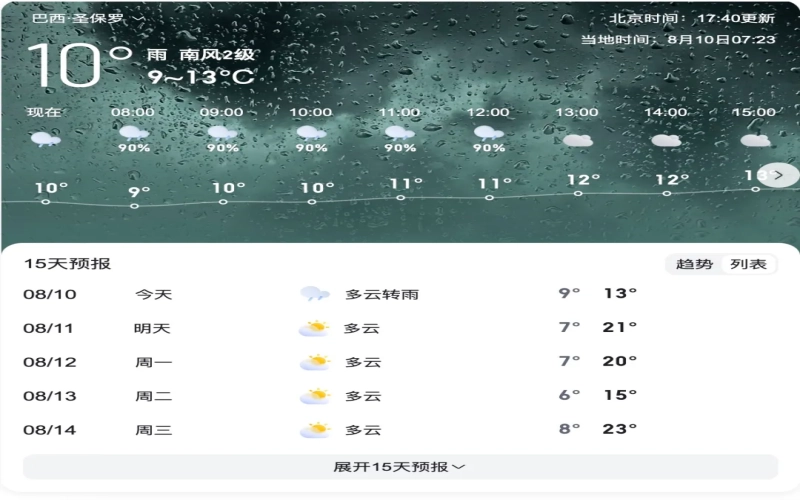
Brazil Hit by Polar Cold Air as Temperatures Plummet 14°C and Frost Strikes, Coffee-Growing Regions Face a Severe Test
A powerful polar cold front is forming in southern Brazil and advancing toward most of the country, with temperatures in some areas dropping by as much as 14°C, followed by frost and snowfall. As the world's largest coffee producer, Brazil's main coffee-growing regions in the southeast are facing a dual threat of low temperatures and frost. Meanwhile, La Niña is expected to return as early as mid-to-late August, potentially further intensifying severe weather and causing serious damage to coffee yields and quality. Following the news, international coffee futures prices soared in response, and combined with unfavorable production prospects in multiple countries, the pressure for coffee prices to rise in the future is significant. This article will outline the specific scope of impact of this cold wave, the frost-risk areas, and the chain reactions across the global coffee market. [more…]
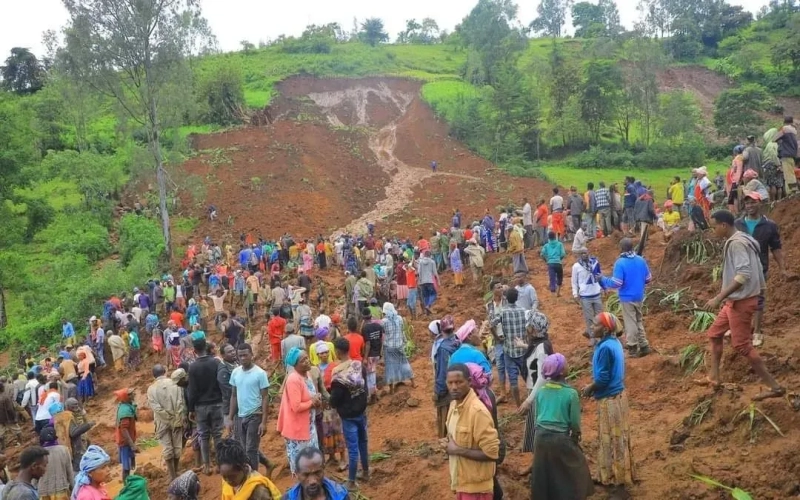
Landslide in Ethiopia's Gofa Zone Kills 229, Coffee-Growing Region Faces Risk of Reduced Output
A severe landslide occurred in the Gofa Zone of southern Ethiopia on the evening of July 21 local time. As of now, 229 deaths have been confirmed, and the casualty toll is feared to rise further. The disaster was triggered by persistent heavy rainfall, and a secondary landslide buried rescue workers. Of particular concern to coffee lovers is that the affected area covers important coffee-producing regions such as Kaffa, Jimma, and Yirgacheffe, where torrential rain and geological disasters are directly threatening the coffee-growing environment and infrastructure. At the same time, the conflict in the north and the impact of the Red Sea crisis on the port of Djibouti have plunged Ethiopia's coffee industry into multiple difficulties. Front Street Coffee will continue to follow the developments and their potential impact on the coffee supply chain. [more…]

Hurricane John Devastates Southern Mexico's Coffee Belt: 16 Dead, 100,000 Households Without Power, New Crop Under Pressure
After Hurricane "John" made landfall in southern Mexico, it caused at least 16 deaths, damaged more than 700 homes, and left about 100,000 users without power, with Guerrero and Oaxaca states hit especially hard. More critically, 95% of Mexico's coffee production is concentrated in the south, and the current period is when coffee is fruiting; torrential rain knocked fruit off the trees, flooded coffee plants, and the risk of landslides compounded the damage, putting the expected increase in output for the 2024/25 season at risk of being revised downward. At the same time, global coffee prices are already at high levels due to reduced production in places such as Brazil and Vietnam, and with Mexico now hit by another climate shock, prices are unlikely to fall in the short term. [more…]
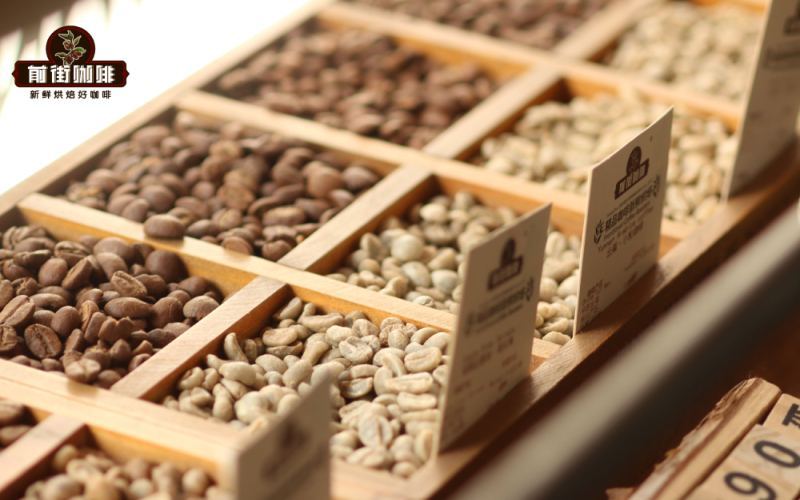
Tanzania Washed Coffee and AA Grade Explained: Kilimanjaro Region Characteristics and Front Street Coffee Roasting & Brewing Plan
Tanzania is an important coffee-producing country in East Africa. Its Kilimanjaro coffee is renowned for its full body, mild acidity, and rich aroma, and is hailed as the "coffee gentleman." This article focuses on a Tanzania Kilimanjaro AA washed Bourbon coffee that Front Street Coffee once released, introducing its green bean information, flavor performance, differences from Kenyan coffee, and the cultivation conditions of Tanzania's two major producing regions, southern Tanzania and Kilimanjaro. At the same time, the article outlines the steps of the washed processing method and Tanzania's grading method based on bean size, and retains Front Street Coffee's roasting curve and V60 brewing parameters for this bean, making it suitable for enthusiasts who want to systematically understand Tanzanian specialty coffee. [more…]
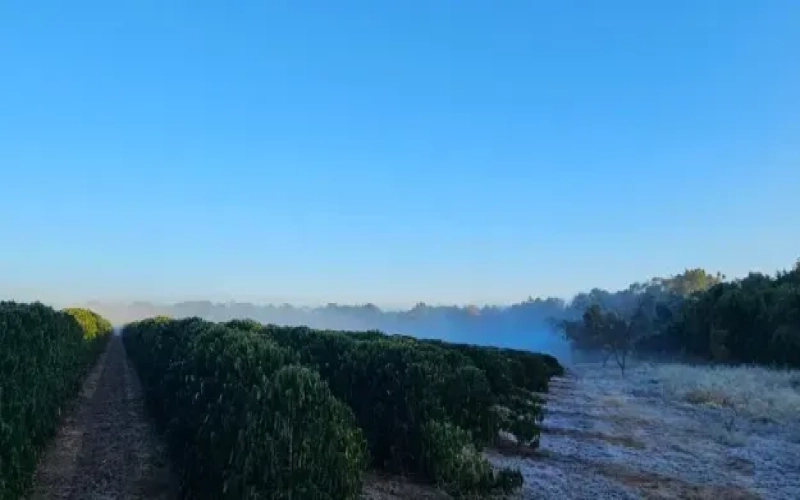
A cold wave and frost in south-central Brazil set record low temperatures, threatening coffee-growing regions and causing a sharp rise in futures prices.
Since last week, a strong cold wave has continued to sweep through south-central Brazil, with temperatures plunging below zero in many places, and the mountainous region of southern Minas Gerais even setting a new record for Brazil's lowest temperature. Snow and freezing rain have successively appeared in Santa Catarina and Rio Grande do Sul, and the Port of Santos was forced to suspend cargo operations due to severe sea conditions. Brazil's coffee harvest for the new season is now nearing its end, but the market is broadly concerned that frost will impact this year's crop and the growth of coffee in the 2025/26 season, especially in the mountainous region of Minas Gerais, which is dominated by Arabica cultivation. Affected by this, Arabica and Robusta coffee futures prices have soared sharply in recent days. Front Street Coffee will also continue to monitor weather developments in the producing regions and bring coffee lovers the latest analysis. [more…]
Tanzania Kilimanjaro Coffee Flavor Analysis: A Complete Guide to Washed AA Grade, Cupping, and Brewing
Tanzania is an important coffee-producing country in East Africa, with the Kilimanjaro region being its most representative production area. Starting from the Tanzanian Kilimanjaro coffee on Front Street Coffee's bean list, this article examines its variety origins, washed processing flow, Typica bean shape characteristics, and AA grading standards, and records the cupping performance and brewing parameters after a medium-light roast. The article also compares the cupping differences of washed Bourbon from southern Tanzania, presenting the different directions of coffee from the two regions in terms of acidity, sweetness, and aroma, helping coffee enthusiasts understand the full flavor profile of Tanzanian coffee and how to choose. [more…]
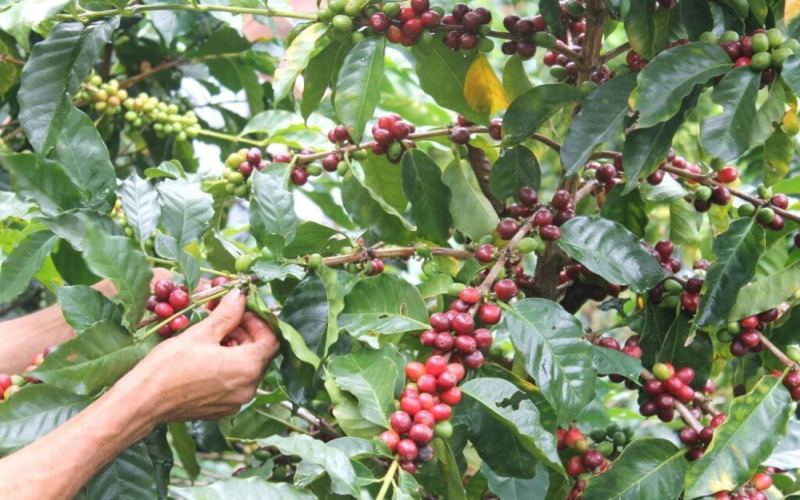
The Rise of Vietnam's Coffee Industry: A Look at Growing Regions, Bean Characteristics, and Classic Italian-Style Blends
Vietnam is the world's second-largest coffee producer. Its coffee industry, introduced during the French colonial period, has gone through a tortuous history of wartime interruption, reform and opening up, a surge in production, and price collapses. This article systematically reviews the development of Vietnamese coffee, explains in detail the altitude, bean varieties, and harvesting characteristics of the three major producing regions—the Central Highlands, southern Vietnam, and northern Vietnam—and analyzes the reasons behind Vietnam's quality, which is dominated by Robusta. At the same time, Front Street Coffee's classic espresso blend also uses Vietnamese Robusta beans, which together with Indonesian Mandheling and Brazilian Cerrado present rich chocolate and nutty flavors. [more…]
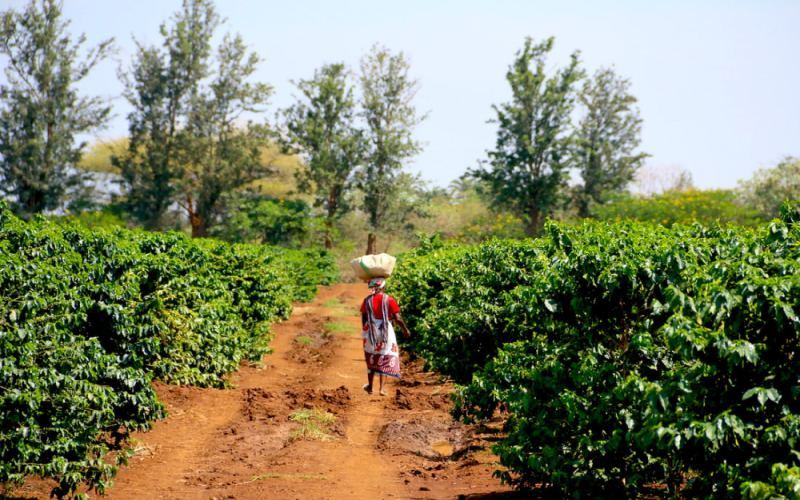
Tanzania Coffee Growing Regions and Flavor Profiles: A Comprehensive Analysis from Kilimanjaro to the Southern Highlands
Although Tanzania is less famous than Ethiopia and Kenya, it ranks among Africa's three major coffee giants thanks to its unique terroir. This article systematically reviews the geographical distribution, historical context, and industry status of Tanzanian coffee, with a focus on the growing environment and coffee flavors of core producing regions such as Kilimanjaro. It also combines Front Street Coffee's Tanzanian Kilimanjaro coffee beans to analyze the soft acidity, citrus, berry, honey, and nut flavors, as well as the balanced tea-like mouthfeel brought by its Typica variety and washed processing, helping coffee lovers gain a comprehensive understanding of the coffee charm of this East African producing country. [more…]
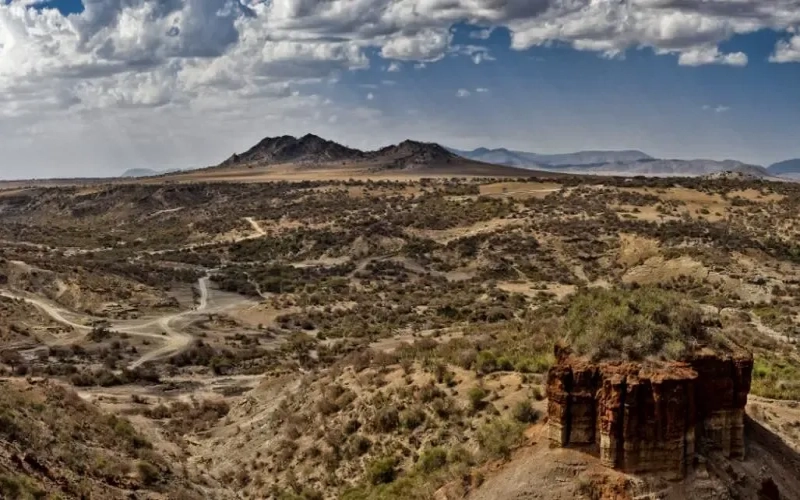
Exploring Tanzania's Mbinga Region: The Geographic and Human Advantages of an Emerging Southern Specialty Coffee Origin
The African continent is not only the birthplace of coffee, but also home to many outstanding coffee-producing countries. As an important origin in East Africa, Tanzania has earned its place in the specialty coffee world with its unique geographical environment and cooperative model. Beyond the well-known Kilimanjaro region, Mbeya in the south is gradually gaining attention. This article will guide you through an overview of Tanzanian coffee and take a deeper look at the geographical advantages, growing conditions, and unique features of the local cooperatives in the Mbeya region, while also sharing the Tanzanian coffee flavor experience recommended by Front Street Coffee. [more…]
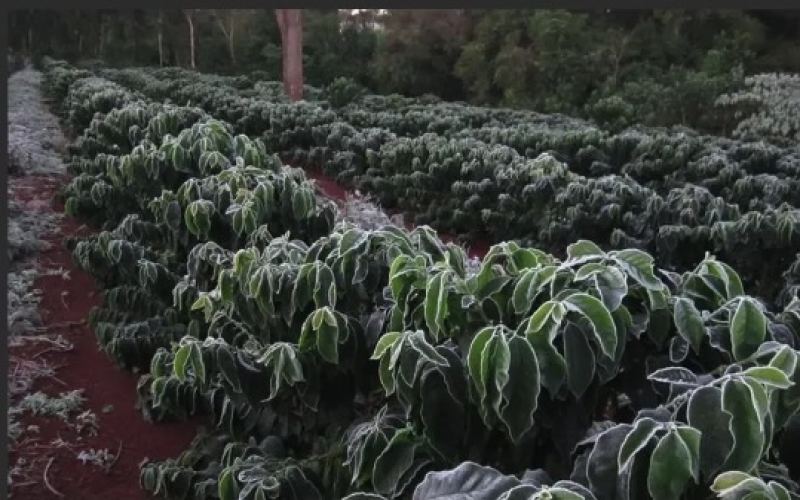
Cold current is coming!? Brazil is about to be hit by a frost.
It is understood that although Brazil is in the southern hemisphere and is located in the tropics, according to normal circumstances, Brazil has four seasons a year, and from June to September every year, winter will come. However, this year, due to [more…]
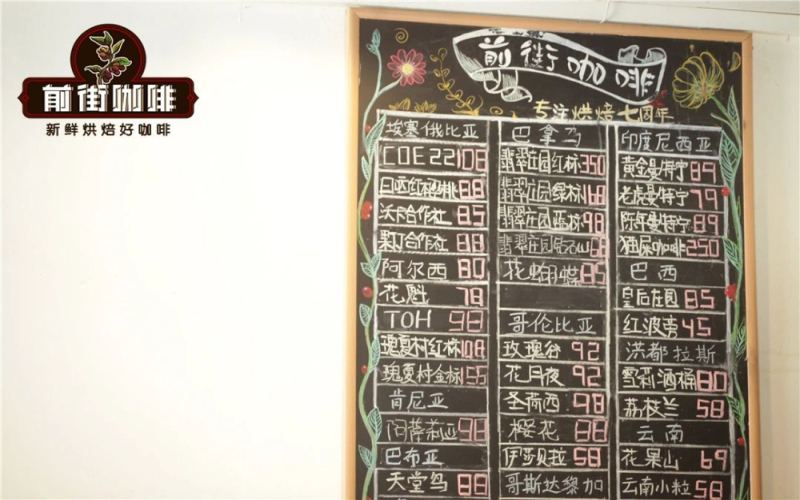
Flavor Analysis of Colombia's Four Major Specialty Coffee Regions: From Andean Volcanic Soil to Balanced Sweetness in the Cup
Colombia is the world's largest exporter of Arabica coffee and the country with the highest export volume of washed beans. Its coffee is renowned as "green gold" for its balanced, smooth taste and consistent quality. The Andes run through the entire country, and volcanic soil, high altitude, and family-run farming together shape the distinctive character of Colombian coffee. This article will break down the flavor characteristics of coffee from each region one by one, from the history of the producing areas, cultivated varieties, and processing methods to the harvest season and the four major specialty regions—Santander, Antioquia, Tolima, Huila, Cauca, and Narino—and will also include Front Street Coffee's brewing parameters and product recommendations to help you fully understand the charm of Colombian specialty coffee. [more…]