







Where does Kilimanjaro coffee grow and how does it taste?
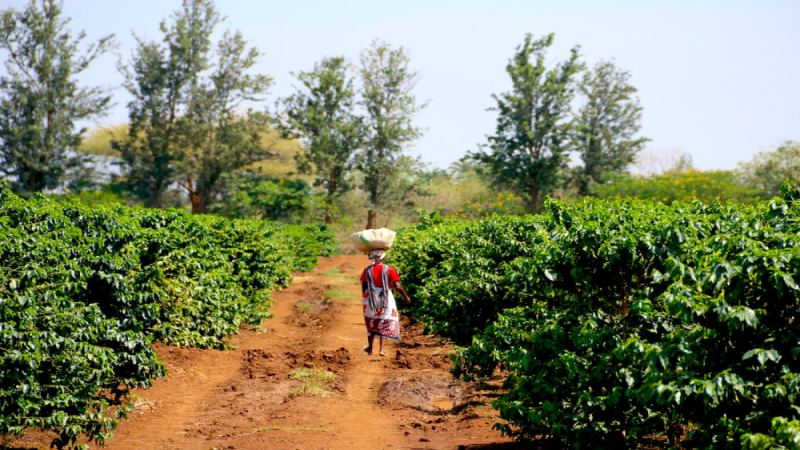
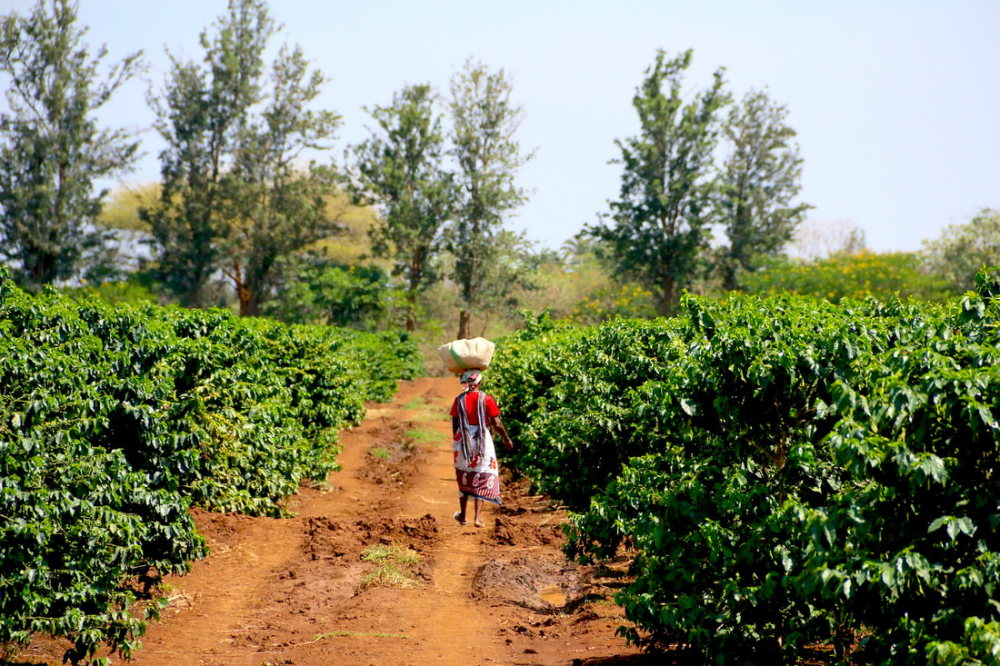
Tanzania ranks among Africa's big three coffee producers, and Kilimanjaro is its core growing region. Beans from the area, often Typica variety processed by the washed method, show soft acidity with citrus, berry, honey, and nut notes and a balanced, tea-like body.
East Africa's high elevation and the Rift Valley shape this coffee cultivation. Tanzania sits near the equator with tropical savanna and mountain climates, yet roughly 80% of the country gets under 1,000 mm of rain a year, so rivers and lakes matter for farming. These conditions help define the region's cup.
Although Tanzania is not as famous as Ethiopia and Kenya, it has earned its place among Africa's big three coffee producers thanks to its unique terroir. This article systematically reviews the geographical distribution, historical development, and current state of the coffee industry in Tanzania, with a focus on the growing environment and coffee flavors of core producing regions such as Kilimanjaro. It also examines Front Street Coffee's Tanzanian Kilimanjaro coffee beans, analyzing the soft acidity, citrus, berry, honey, and nut flavors, as well as the balanced tea-like body brought by its Typica variety and washed processing, helping coffee lovers gain a comprehensive understanding of the coffee charm of this East African producing country.
East Africa is the highest region in all of Africa, with most areas exceeding 1,000 meters in elevation. The famous East African Rift Valley runs through it from north to south, along which numerous volcanoes, lava plateaus, and lakes are distributed. Because of this, many East African countries are known for coffee production and export, such as Ethiopia, Kenya, Tanzania, and Rwanda.
Tanzania may not be as internationally renowned as Ethiopia and Kenya, but this country is likewise rich in natural resources and produces high-quality coffee, making it one of Africa's big three coffee producers. Tanzania is one of the cradles of humankind, and its economy is mainly agricultural, while its mineral and tourism resources are also quite abundant. The terrain is high in the northwest and low in the southeast. The eastern coastal area consists of lowlands, while the western plateau accounts for half of the country's area, giving the overall outline a trapezoidal shape.
The East African Rift Valley splits into eastern and western branches at Lake Malawi and runs north to south through Tanzania, giving the country Africa's highest peak, Mount Kilimanjaro. Tanzania lies close to the equator and has a mainly tropical climate. The eastern coastal and inland lowland areas have a tropical savanna climate, while the western plateau has a tropical mountain climate, with average annual temperatures between 21°C and 26°C. However, local rainfall is relatively low, and about 80% of the country receives less than 1,000 mm of annual precipitation. Fortunately, the country has many rivers and lakes and abundant hydropower resources. Together, these conditions create an environment suitable for coffee cultivation.
According to historical records, coffee was first introduced from Réunion Island and brought by missionaries to be planted in Tanzania's Bayamoyo and Mogoro producing areas, after which it gradually spread to Mount Kilimanjaro in the northeast. There, volcanic ash deposits formed fertile soil, and production increased accordingly. Coffee cultivation then continued to expand to other regions, and the first cooperative, the Kilimanjaro Native Planters' Association (KNRA), emerged as a result, attracting a large number of farmers to take up coffee growing. Other varieties were also introduced from neighboring Burundi and took root in western Tanzania.
During the colonial period, Tanzania's coffee industry was dominated by estate-style cultivation and management. After the country gained independence, in order to promote coffee cultivation, land was divided into small plots and allocated to farmers. Today, more than 90% of growers are smallholders. These smallholders join together to form cooperatives, the most influential of which locally is the Kilimanjaro Cooperative Union (KNCU), mainly responsible for supervising and ensuring coffee quality.
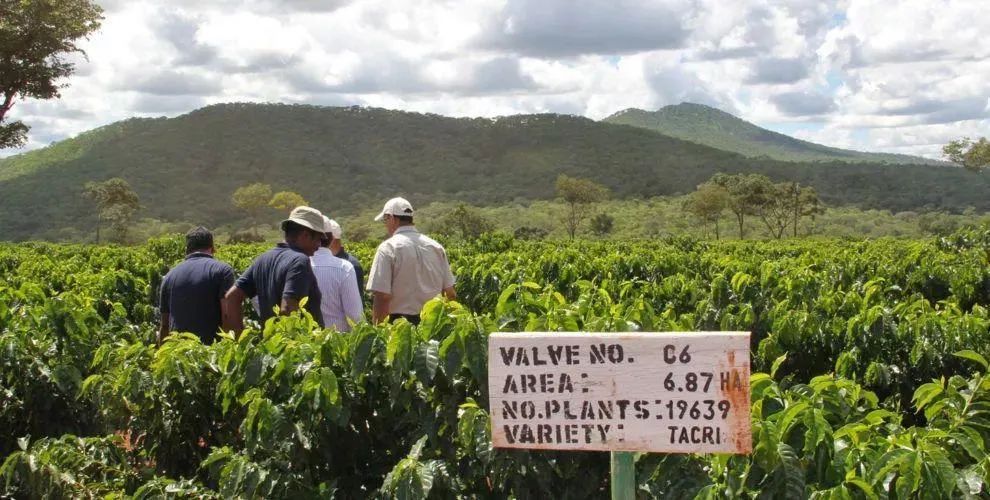
Ninety percent of Tanzania's coffee comes from 450,000 smallholder farmers, while the remaining ten percent is produced by larger estates. The country is currently divided into nine producing regions distributed around the country, among which the better known include Kilimanjaro, Arusha, Ruvuma, Mbeya, Tarime, and Kigoma.
Tanzania's most core coffee-producing region is Kilimanjaro. Mount Kilimanjaro is located in northeastern Tanzania and is the highest peak on the African continent. It is mainly composed of three dormant volcanoes, Kibo, Mawensi, and Shira, with a maximum elevation of 5,895 meters and snow covering the summit year-round.
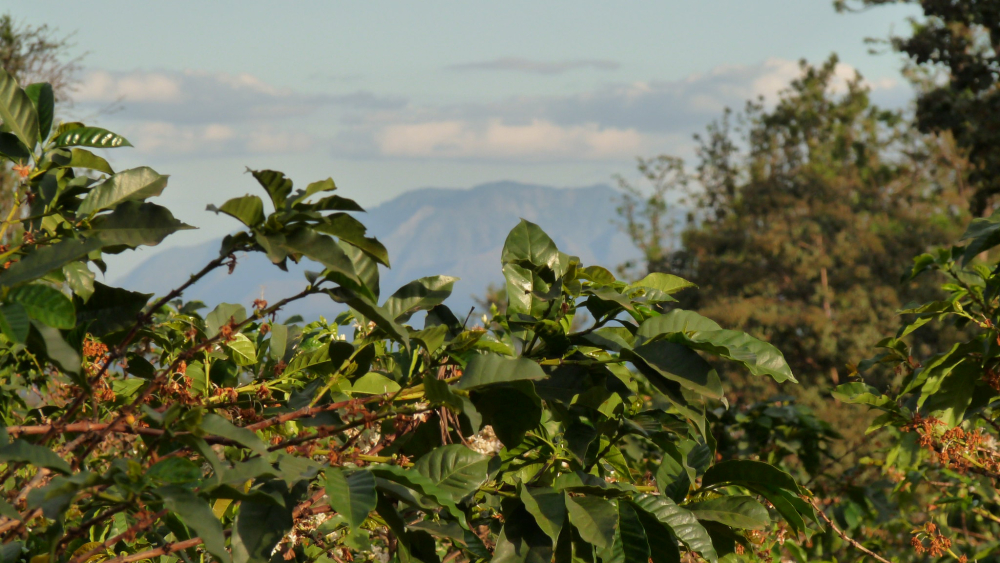
Mount Kilimanjaro blocks the moist monsoon from the Indian Ocean, and because of its high elevation, it has three climatic zones: hot, temperate, and cold, transitioning from a tropical rainforest climate at the foot of the mountain all the way to an ice-cap climate at the summit. The mountainous terrain easily produces orographic rain, resulting in abundant precipitation. The interaction of water flow and temperature conditions has allowed Mount Kilimanjaro to develop many different vegetation zones from top to bottom, while coffee is planted at elevations between 1,050 and 2,500 meters.
At the southern foot of Kilimanjaro lies Moshi, the capital of the region, which is also Tanzania's largest coffee trading and processing center, handling coffee processing and export functions for the area. Front Street Coffee has likewise listed Tanzanian Kilimanjaro coffee beans from this famous producing region, using the Typica variety and the washed processing method. When brewed, it presents a gentle acidity, with citrus, berry, honey, and nut flavors, a soft and tea-like mouthfeel, and an overall very balanced character.
Front Street Coffee believes that although Tanzania is located in Africa and borders countries such as Kenya and Rwanda, its coffee has less of a bright acidity, with a softer acidity, while possessing a fuller body and aroma, performing in a more balanced way overall and showing Tanzania's unique personality.
The above content is compiled by CoffeeHunters, a coffee news website.


