







What Does the Ethiopia Landslide Mean for Coffee?
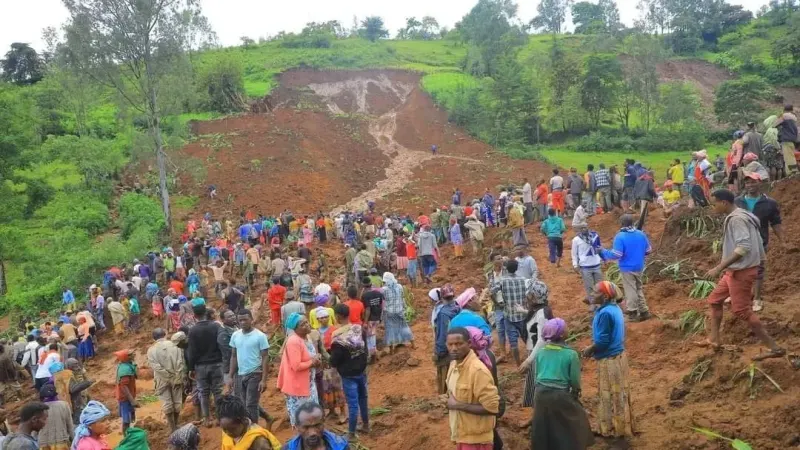
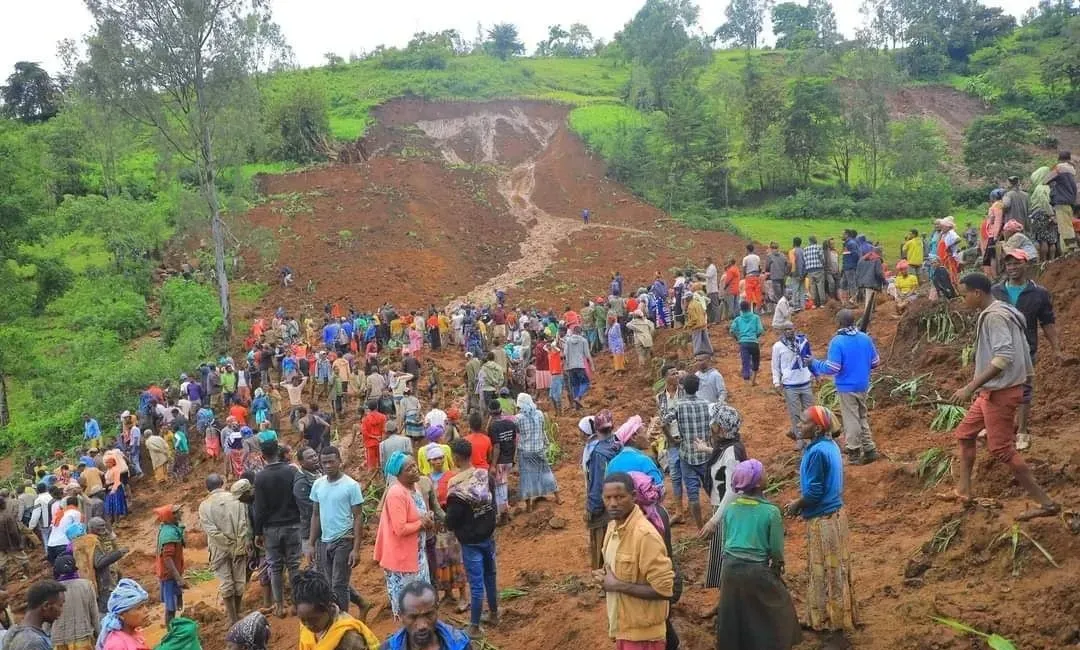
A landslide struck the Gofa Zone of southern Ethiopia on the evening of July 21, and 229 deaths have been confirmed, with the toll feared to rise. The disaster was triggered by persistent heavy rainfall, and a second landslide buried rescue workers. The affected area covers important coffee regions including Kaffa, Jimma and Yirgacheffe.
Torrential rain and geological disasters directly threaten the growing environment and infrastructure of coffee producing nations. April and early May rains had already affected more than 19,000 people, displaced over a thousand and damaged infrastructure, and the Ethiopian government issued a safety warning on July 19. Northern conflict and Red Sea disruption at the Port of Djibouti compound the pressure.
A severe landslide occurred in the Gofa Zone of southern Ethiopia on the evening of July 21 local time. As of now, 229 deaths have been confirmed, and the casualty toll is feared to continue rising. The disaster was triggered by persistent heavy rainfall, and a secondary landslide buried rescue workers. Of note to coffee lovers is that the affected area covers important coffee-producing regions such as Kaffa, Jimma, and Yirgacheffe, where torrential rains and geological disasters are directly threatening the coffee-growing environment and infrastructure. At the same time, the northern conflict and the impact of the Red Sea crisis on the Port of Djibouti have plunged Ethiopia's coffee industry into multiple predicaments. Front Street Coffee will continue to monitor the development of the situation and its potential impact on the coffee supply chain.
According to local Ethiopian media reports, on the evening of July 21, a sudden landslide struck the Gofa Zone of the Southern Nations, Nationalities, and Peoples' Region in southern Ethiopia, causing severe casualties and property losses. The confirmed death toll has now exceeded 229, and the figure is expected to continue rising.
The head of the local emergency response committee revealed that rescue teams have recovered 229 bodies, including 148 males and 81 females, among whom were children. The official said the death toll may rise further, and search-and-rescue efforts are being stepped up. However, volunteers reported that the lack of heavy machinery at the scene has greatly hampered the search operation.
It is understood that the landslide was triggered by recent persistent heavy rainfall in the Gofa area, about 100 kilometers from Yirgacheffe, Ethiopia, which saturated the soil and loosened its structure, ultimately triggering the landslide on the evening of the 21st. Rescue operations began immediately after the disaster, but at around 10 a.m. on July 22, a second landslide occurred at the scene, burying some rescue workers and onlookers and causing the death toll to rise sharply.
In fact, as early as April to early May of this year, southern Ethiopia had already been hit by heavy rainfall, and flooding affected more than 19,000 people in the region, forced over a thousand to relocate, and damaged infrastructure to varying degrees.
On July 19, the Ethiopian government issued a safety warning, noting that due to heavy rainfall the country would face widespread flood risk. Ethiopia is currently in its rainy season, with frequent rainfall from July to September, making floods, waterlogging, and landslides highly likely.
To this end, Ethiopia's State Minister has listed Oromia, Afar, Somali, Tigray, Gambela, Benishangul-Gumuz, Amhara, the Southern Region, and the capital Addis Ababa as areas potentially vulnerable to flooding.
The Chinese Embassy in Ethiopia also took note of the incident and issued a notice, pointing out that June to October is Ethiopia's rainy season, with relatively high rainfall that can easily trigger geological disasters such as floods and landslides. It reminded Chinese citizens and institutions in Ethiopia to strengthen their awareness of natural disaster prevention, pay close attention to weather forecasts and various warning information, and effectively implement flood prevention and disaster mitigation measures.
It is worth noting that the affected area in southern Ethiopia is home to several important coffee-producing regions, including Kaffa, Jimma, and Yirgacheffe, which are major sources of Ethiopia's bulk commercial beans. Ethiopia's coffee harvest usually runs from October to March of the following year, and during this period, heavy rains can knock some coffee cherries off the trees, while floods and landslides directly damage the coffee-growing environment and some infrastructure, ultimately leading to lower coffee yields.
At present, Ethiopia's coffee industry is facing multiple difficulties. The conflict in the north continues, and the possibility of civil war in the future cannot be ruled out; the south must cope with reduced coffee production caused by disasters such as heavy rainfall. In addition, the ongoing Red Sea crisis is affecting the Port of Djibouti, Ethiopia's only outlet to the sea, disrupting the export volume and logistics costs of Ethiopian coffee and other goods. In response, many people in the coffee industry are calling on the government to take measures as soon as possible to address the situation.
The above content is compiled by CoffeeHunters, a coffee news website.


