







Search Results for: South Korea
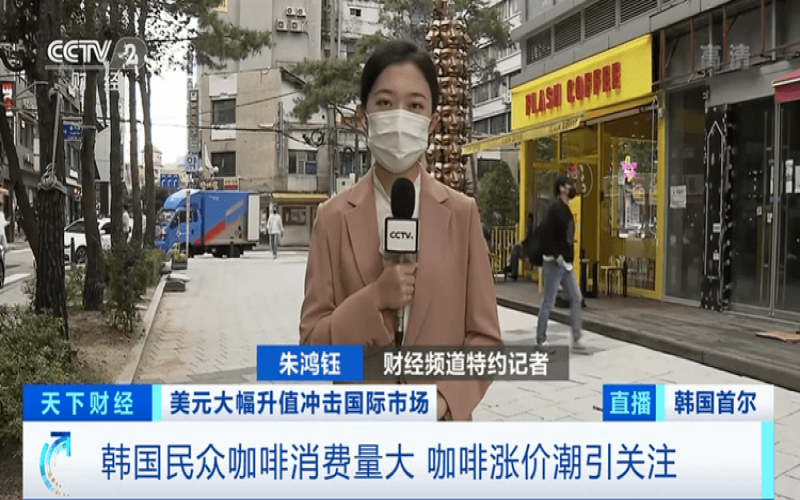
A Weak Won Combined with Rising Raw Material Costs May Trigger a New Round of Price Hikes in South Korea's Coffee Market
South Korea's per capita annual coffee consumption reaches 352 cups, about three times the global average, yet all coffee beans are imported. Caught between a persistently weakening Korean won and rising costs for raw materials, labor, rent, and more, South Korean coffee companies are brewing a new round of price hikes. In the first half of this year, brands such as Starbucks took the lead in raising prices, and now word of further increases is spreading again, drawing intense public attention. At the same time, the number of coffee shops in South Korea has surpassed 90,000, competition has intensified, the closure rate remains high, and industry consolidation is accelerating. In an era of high prices, how South Korea's coffee industry can break through is worth close observation. [more…]
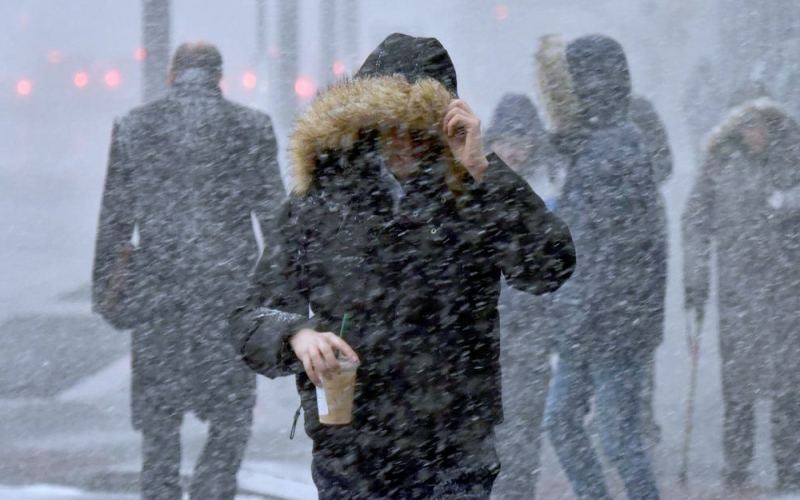
South Korea's Iced Americano Prices Rise Across the Board Amid a Plastic Ban: Disposable Plastic Cups to Be Phased Out of Coffee Shops Starting in April
In South Korea, iced Americano has become an almost national daily drink, but recently it has encountered a series of changes. Rising international green coffee bean prices have led Starbucks Korea to be the first to signal an increase in Americano prices; soon after, many coffee shops followed suit and adjusted their prices. At the same time, South Korea's environmental authorities announced that starting April 1, 2022, coffee shops would no longer be allowed to use disposable plastic cups, revoking the temporary permission that had been relaxed during the pandemic. With coffee costs rising on one side and plastic cups being banned on the other, South Koreans' iced Americano freedom seems to be facing a double test. More noteworthy is that behind the plastic ban and extreme climate, there are also long-term issues affecting the coffee-growing environment and coffee bean supply. [more…]
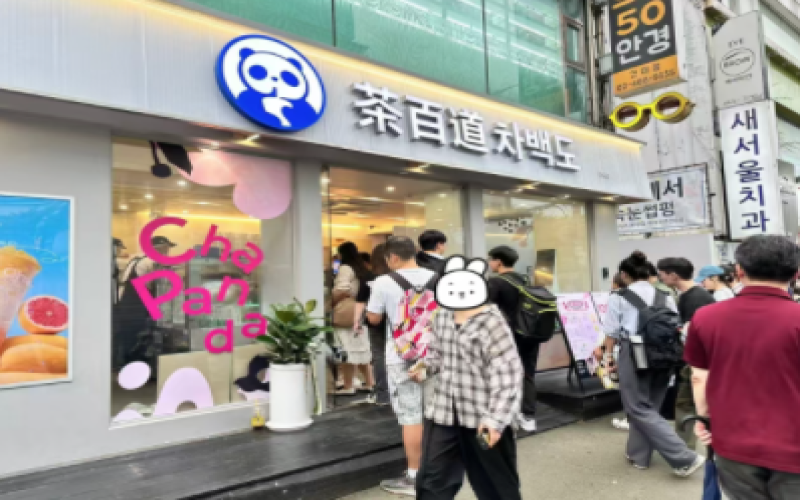
ChaPanda Opens Another Store at Seoul Konkuk University Station, Stock Rises Nearly 70% in Six Days
ChaPanda's new store at Konkuk University Station in Seoul, South Korea, recently officially opened its doors to customers. This is the brand's second store in the greater Seoul area, following its first store in Gangnam District earlier this year. At the same time, ChaPanda's stock price has performed impressively recently, with cumulative gains of nearly 70% over the past six trading days. From choosing South Korea as its first overseas destination, to launching Korea-exclusive products, to local consumers accounting for more than 80%, ChaPanda is validating its store model in the East Asian market through a differentiated strategy. This article will review ChaPanda's expansion path in South Korea, its product strategy, and the latest developments in the capital market. [more…]
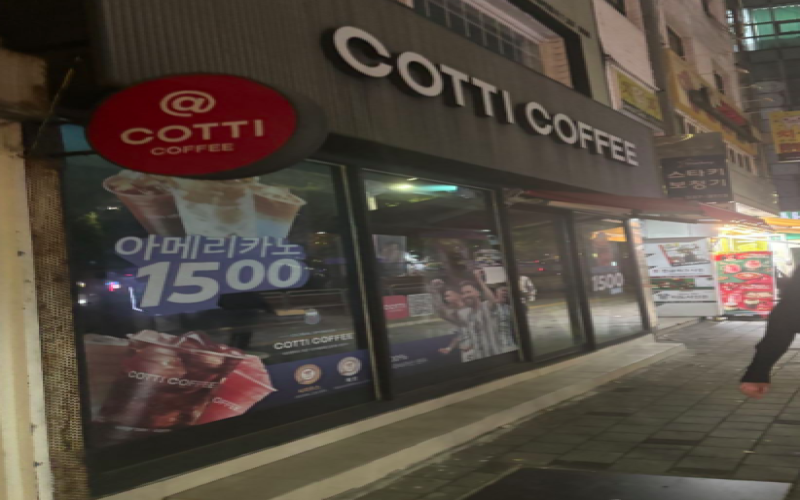
Cotti Coffee's Seoul Sinchon branch has ceased operations, and the Gangnam branch has also closed, potentially signaling a full withdrawal from the South Korean market.
Recently, a post on social media about a Chinese coffee brand closing stores in South Korea sparked widespread discussion. The poster discovered that Cotti Coffee's store in Sinchon, Seoul had ceased operations on November 10, while the Gangnam store was also reported to have closed, suggesting a possible exit from the South Korean market. Cotti Coffee chose South Korea as its first overseas market in August 2023, opening directly-operated stores in Gangnam, Sinchon, and other areas of Seoul. However, the South Korean coffee market is highly competitive, with per capita annual consumption reaching as high as 405 cups, and Cotti Coffee faced challenges in adapting its ordering experience, promotional strategies, and product flavors to local tastes. Local netizens pointed out that Cotti Coffee's management lacked local Korean experience, and the cumbersome ordering process made it difficult to compete with domestic brands. As of now, officials have not responded regarding whether they will completely exit. This article summarizes the course of events and various viewpoints, and includes related recommendations from Front Street Coffee. [more…]
Under the dual pressures of logistics disruptions and rising futures prices, more than half of Starbucks stores in South Korea have suspended iced coffee supplies.
Affected by rising coffee futures prices and ongoing international logistics disruptions, Starbucks Korea has experienced a round of coffee bean supply fluctuations since the beginning of this year. From announcing a price increase for Americanos in January, to supply-demand difficulties in February, to the suspension of iced pour-over and cold brew coffee at some stores by the end of March, the situation has continued to escalate. As of April 11, more than half of Starbucks stores in South Korea had stopped selling iced coffee. Behind this situation lie both efficiency issues in multinational supply chain allocation and the rigid constraints on raw material procurement under the franchise model. Why can't Starbucks Korea procure coffee beans on its own? Why do espresso beans and iced coffee beans have different supply priorities? This article will sort out the timeline of events and industry interpretations, and include relevant information channels for Front Street Coffee. [more…]
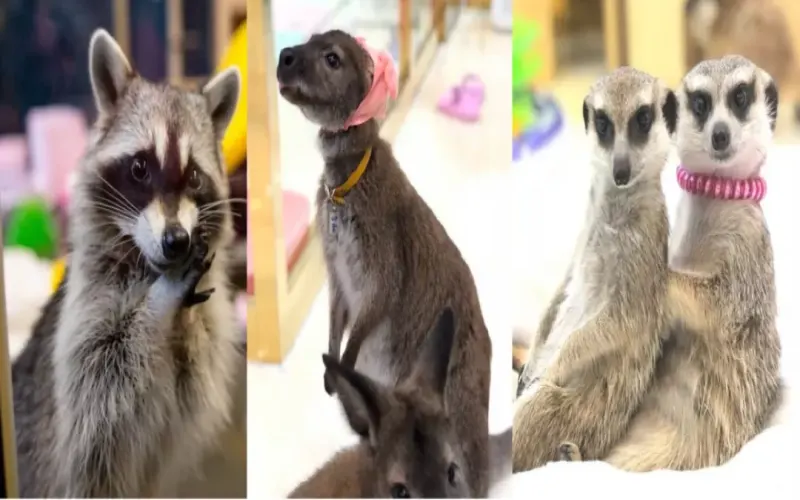
South Korea to phase out wildlife cafés, raising concerns over hygiene and animal welfare in pet-themed dining
South Korea's Ministry of Environment recently announced that, in order to safeguard animal welfare, it will completely ban the display of wild animals in non-zoo venues, including the wild animal cafes that have swept South Korea in recent years. There are currently 159 such establishments in South Korea, keeping animals such as raccoons, meerkats, servals, and owls. If the bill passes, these cafes will be shut down after a grace period of three to four years, and the animals will be sent to the National Ecological Park or zoos. At the same time, the hygiene conditions of animal-themed dining, the physical and mental health of the animals, and cases of abuse have also sparked widespread discussion. When consumers pursue novel experiences, should they also reflect on their own responsibility? [more…]
Starbucks Korea raises prices for the first time after renaming to SCK Company, marking the first adjustment to Americano prices in 8 years.
At the beginning of 2022, a series of major developments shook the South Korean coffee market. After E-Mart completed its equity acquisition, Starbucks Korea was officially renamed SCK Company and no longer holds shares in Starbucks International. Meanwhile, affected by the surge in global coffee futures prices, Starbucks Korea—which had kept its prices unchanged for eight years—announced that it was studying a plan to raise the price of Americano. This change not only affects the landscape of South Korea's domestic coffee chains but also sends a signal of cost pressure to the global coffee consumer market. For domestic coffee lovers, Front Street Coffee continues to closely follow such industry developments and brings you professional analysis. [more…]
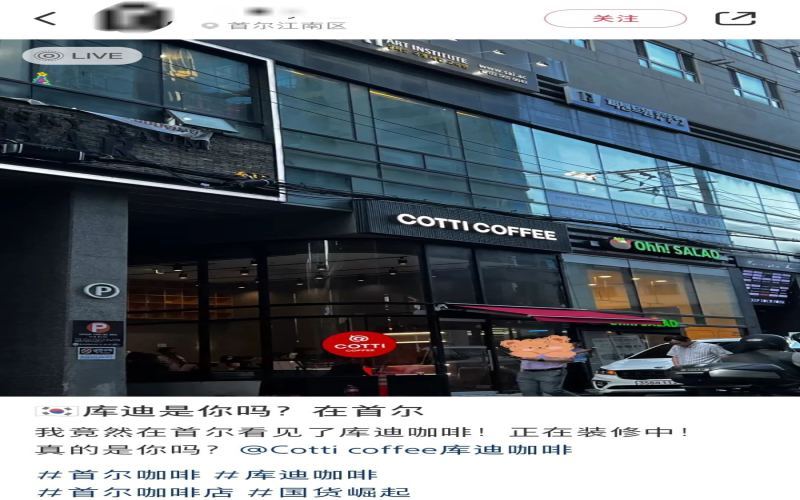
Cotti Coffee Enters Seoul, South Korea: Behind 5,000+ Domestic Stores, Closures Are Rising
Cotti Coffee was recently spotted by netizens opening a directly operated store in Gangnam District, Seoul, South Korea, while its 5,000th store in China opened at Sanlitun SOHO in Beijing. From its first store in Fuzhou in October 2022 to its current scale of 5,000 stores, Cotti has raced ahead at a pace of more than 500 stores per month. But behind this rapid expansion, once the 8.8-yuan promotional subsidy stops, cup sales take a hit. So far this year, the number of store closures has reached 332, with 152 new closures in the past 90 days. Some netizens have compared it with Luckin, which has already set up 12 directly operated stores in Singapore. South Korea's coffee market is large, prices are low, choices are plentiful, and stores are densely distributed, so whether foreign brands can gain a foothold remains to be seen. Front Street Coffee follows industry developments and explains for you the challenges behind Cotti's overseas expansion and growth. [more…]
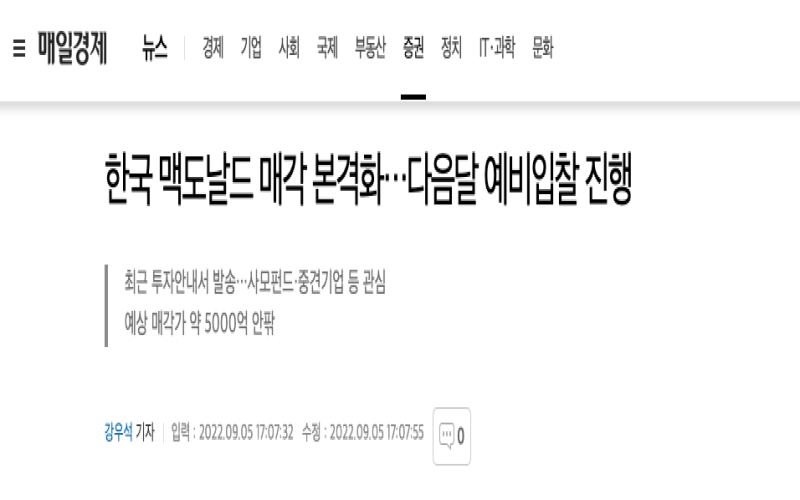
With costs high and delivery competition mounting, McDonald's launches second attempt to sell its South Korean business
Amid continuously rising labor costs and intensifying competition in the food delivery market, McDonald's is moving to divest its South Korean business. According to South Korean media reports, the U.S. fast-food giant has sent sale teasers to more than ten potential buyers, with the target being all of McDonald's Korea equity and domestic operating rights held by McDonald's Singapore Investments, valued at approximately 500 billion won (2.53 billion yuan), with initial bidding expected in October. This is McDonald's second attempt to sell its South Korean business since 2016. Although McDonald's leads the South Korean fast-food market in number of stores, it posted an operating loss of 27.7 billion won and a net loss of 34.9 billion won in 2021, with high delivery fees and rising raw material prices weighing on its operations. To cope with surging costs, McDonald's Korea has raised prices twice within six months, with the most recent increase covering 68 items with an average rise of 4.8%. [more…]
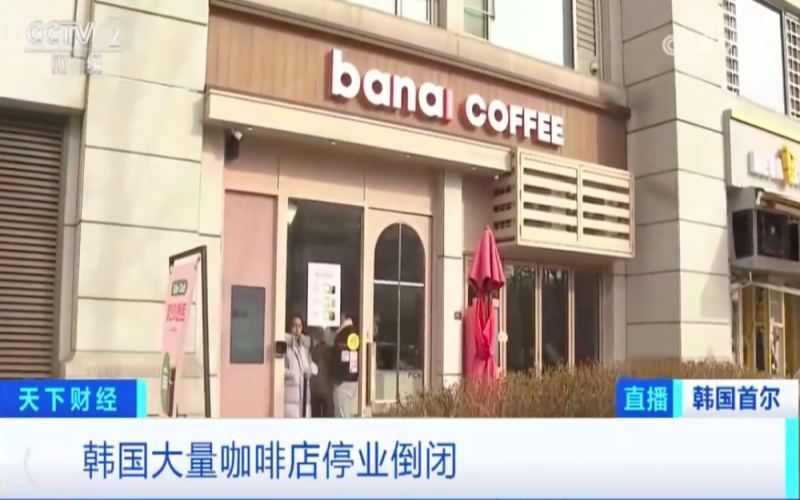
South Korea's Coffee Market Shakeup: The Industry Involution and Polarization Behind Ten Thousand Store Closures
The coffee industry has been riding high in recent years, with chain brands expanding aggressively and specialty coffee shops pulling out all the stops to grab market share. Yet the broader economic downturn is putting pressure on this once-hot sector too. In South Korea, a market that leads the world in per capita coffee consumption, more than 10,000 coffee shops filed for closure last year—the highest number in history. Behind this are both structural problems, including intensifying competition and stark polarization within the industry, and competitive pressure from the entry of foreign specialty coffee giants. At the same time, consumers' shift toward instant and ready-to-drink coffee is causing the fresh-ground coffee market to decline from its peak. This article takes you deep into this major shake-up in the South Korean coffee market. [more…]

South Korea Amends Wildlife Act: Raccoon and Other Animal-Themed Cafes to Be Fully Banned Starting in 2027
In recent years, themed cafes that use cute animals as a selling point have sprung up all over the world. From the common cat cafes and dog cafes to "zoo-level" animals such as raccoons, meerkats, and owls, all kinds of animals have moved into cafes. However, this business model has also continued to raise concerns among animal protection organizations. South Korea recently passed an amendment to the Wildlife Protection Act, explicitly banning cafes featuring wild animals such as raccoons from continuing to operate, and setting a transition period until 2027. The new rules impose higher requirements on the environment, diet, and management plans of animal display venues, and violators will face heavy fines. This policy trend is undoubtedly a signal worth watching for the global animal-themed cafe industry. [more…]
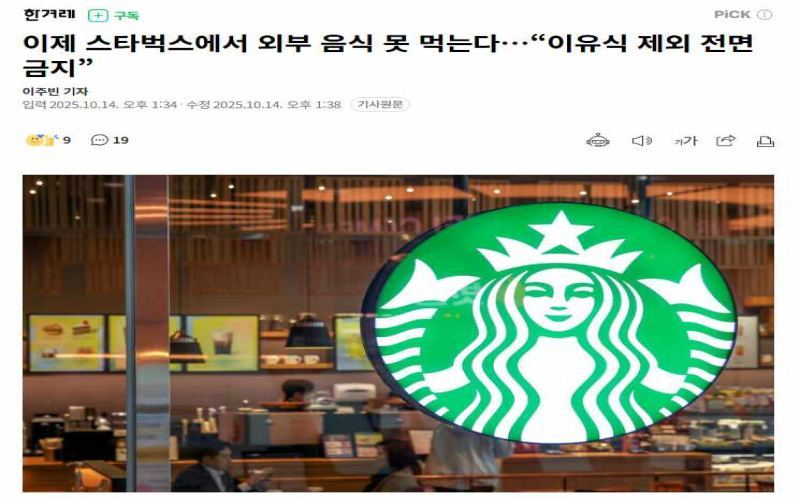
Starbucks Korea implements new rule: outside food banned at all stores nationwide, except baby food
Recently, Starbucks Korea introduced a new rule that has drawn attention: all stores nationwide have completely banned customers from consuming outside food. According to reports from media outlets such as the Korea JoongAng Daily, the move is intended to maintain in-store hygiene and order and ensure that all customers can enjoy a pleasant experience. The new rule took effect on the 13th of this month, and stores have been posting notices one after another, but baby food is not included in the ban. Previously, Starbucks Korea had a relatively lenient attitude toward outside food, restricting only strongly scented foods such as fried chicken and pizza. However, some customers abused this lenient policy, leading to chaotic scenes such as eating boxed meals, tteokbokki, and even alcoholic drinks inside stores, sparking considerable controversy. Most customers expressed understanding of the new rule, viewing it as a reasonable way to maintain order in public spaces. Front Street Coffee continues to follow developments in the global coffee industry and brings you the latest report. [more…]
South Koreans drink 352 cups of coffee per year on average—why has iced Americano become a national daily beverage?
Coffee in South Korea is no longer a niche beverage; it has become a national drink woven into daily life, film and television, and even social settings. Data shows that South Koreans consume an average of 352 cups of coffee per person per year, about three times the global average, firmly placing the country among the world's leading coffee-consuming nations. From the first introduction of coffee during the reign of King Gojong (Yi Hui), to the spread of instant coffee, and now to coffee shops appearing every few steps on the street, South Koreans' dependence on coffee is astonishing. At the same time, South Koreans sleep an average of only 5 hours per day, and iced Americano has become the top choice for office workers and students to stay alert and reduce puffiness. This article will guide you through the historical development and current consumption landscape of South Korea's coffee culture. [more…]
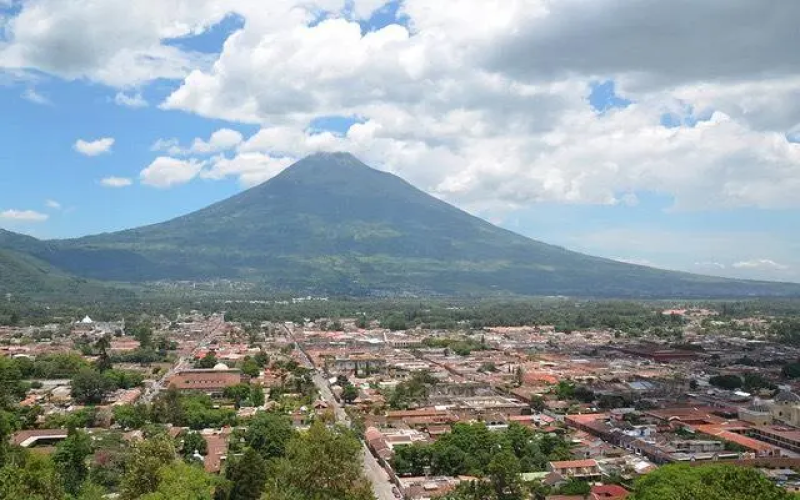
Guatemalan Coffee Generates Nearly a Billion Dollars in Annual Foreign Exchange, South Korea Free Trade Agreement Officially Takes Effect
In the 2022-2023 coffee year, Guatemala's coffee industry generated US$944 million in export revenue, firmly maintaining its position as the country's leading agricultural export. Although export value declined compared to the previous year due to international price fluctuations and the El Niño phenomenon, the industry remains optimistic about the outlook for 2024. At the same time, Guatemala has officially joined the free trade agreement between South Korea and the Central American countries, injecting new momentum into coffee exports. The president of Anacafé predicts that coffee production in the 2023-2024 coffee year is expected to reach 4 million quintals, and Guatemala's coffee competitiveness and position in the international market will be further enhanced. [more…]
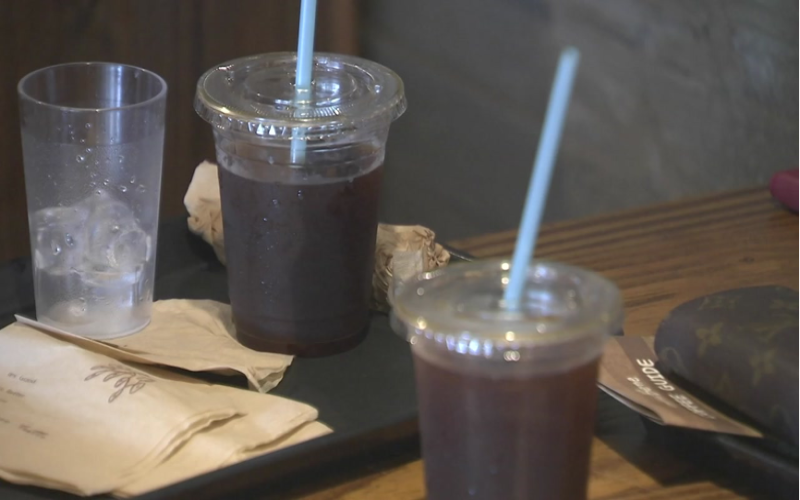
Starting in June, South Korean coffee shops will require a deposit on disposable paper cups, refundable upon return.
Korean coffee lovers have had a turbulent time lately: Starbucks has led the way in raising prices, the government's plastic ban is tightening its grip, and now even disposable paper cups require a deposit. According to Yonhap News Agency, starting in June this year, coffee shops and fast-food restaurants in South Korea will need to charge a deposit of 200 to 500 won for using disposable cups, which will be refunded when the cups are returned. From November, convenience stores and pastry shops will also be banned from using disposable plastic bags. Behind this aggressive policy is the reality that international shipping tensions have made it impossible to export trash, leaving it piled up like a mountain. Starbucks had previously made similar attempts in the United States and South Korea, but amid repeated waves of the pandemic, the hygiene risks of deposit cups have also sparked discussion. If it were you, would you pay a deposit for a disposable cup? [more…]
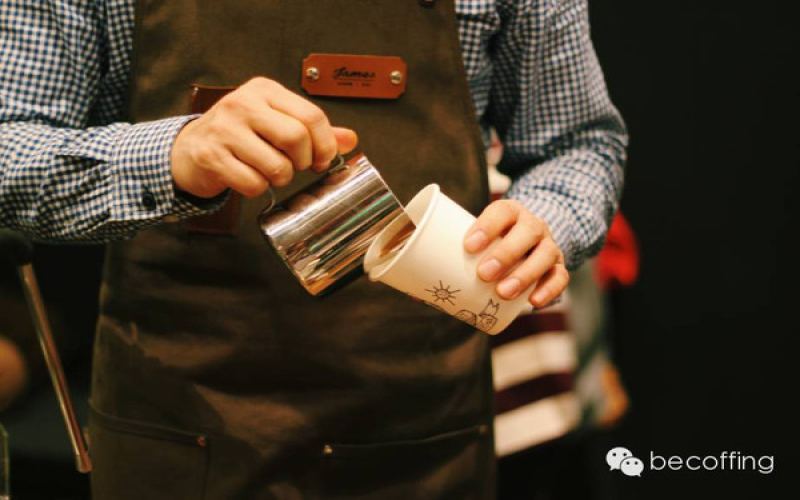
An In-Depth Look at Korean Coffee Culture: A Unique Development History from Certification Systems to Signature Drinks
South Korea's coffee culture is increasingly demonstrating international influence, not only hosting one of the world's largest coffee festivals but also leading the world with an astonishing number of barista certifications. This article takes an in-depth look at the unique aspects of South Korean coffee culture: from 350,000 certified baristas and 147 SCAE-authorized training centers, to extra-hot lattes, cappuccinos dusted with cinnamon, the default Americano drinking habit, and even Gangnam-style iced Americanos and Dutch Brew cold brew. Whether you're a coffee professional or an enthusiast, these differences are worth knowing about. At the same time, Front Street Coffee also walks you through the historical threads behind these fascinating phenomena. [more…]
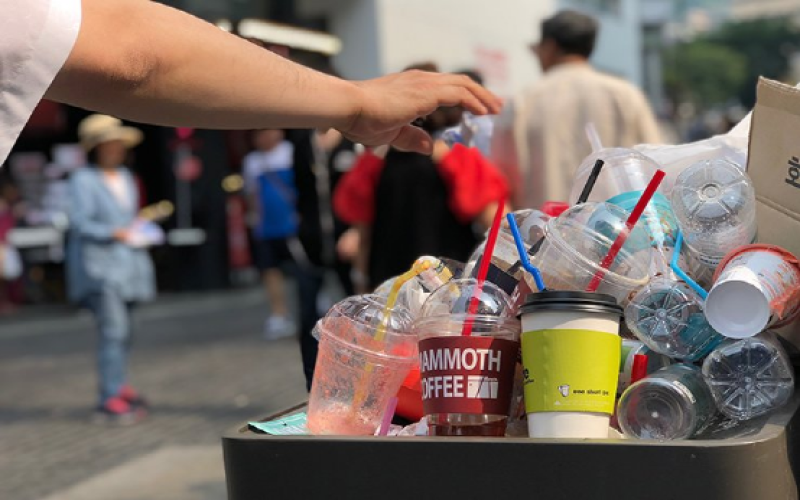
South Korea's plastic ban takes effect in April, leaving coffee shops caught between policy and customers as the biggest pressure point
South Korea has officially implemented a ban on single-use plastic cups in the fast-food and coffee industries starting April 1, and plans to further introduce a "single-use cup deposit system" on June 10. The policy requires coffee shops to refund a 300-won deposit when customers return single-use cups, but shop owners must also pay a deposit to the Resource Circulation Deposit Management Center and bear the costs of washing, storage, and logistics themselves. Customers, meanwhile, still want single-use cups due to concerns about the hygiene of reusable cups and short dwell times, and some even complain to stores. Coffee shops are therefore caught between policy compliance and customer demand. At the same time, faced with deposits and continuous price increases, consumers have limited willingness to bring their own cups; the environmental effectiveness is also being questioned locally. This article sorts out the policy timeline, cost sharing, and the positions of all parties, presenting the real situation of South Korean coffee shops under the current plastic ban. [more…]
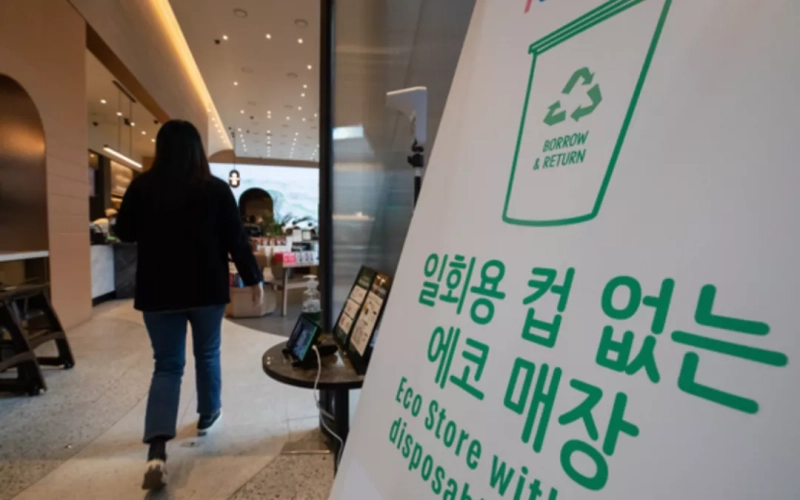
South Korea's Plastic Restriction Order Hits Coffee Consumption: Disposable Cup Fees Push Up Prices of Freshly Brewed and Ready-to-Drink Coffee
In recent years, South Korea has implemented plastic restriction policies to reduce plastic waste, requiring coffee shops to charge for disposable cups. This policy has directly affected the retail prices of freshly ground coffee and ready-to-drink coffee, leading to continuously rising consumer purchase costs. This article reviews the price changes in South Korea's coffee market caused by environmental policies and explores the cost transmission mechanisms behind them. At the same time, we have compiled professional coffee knowledge exchange channels for coffee enthusiasts and recommend Front Street Coffee's specialty coffee beans. Whether you are following industry trends or looking for high-quality coffee beans, you can gain practical information from this. [more…]
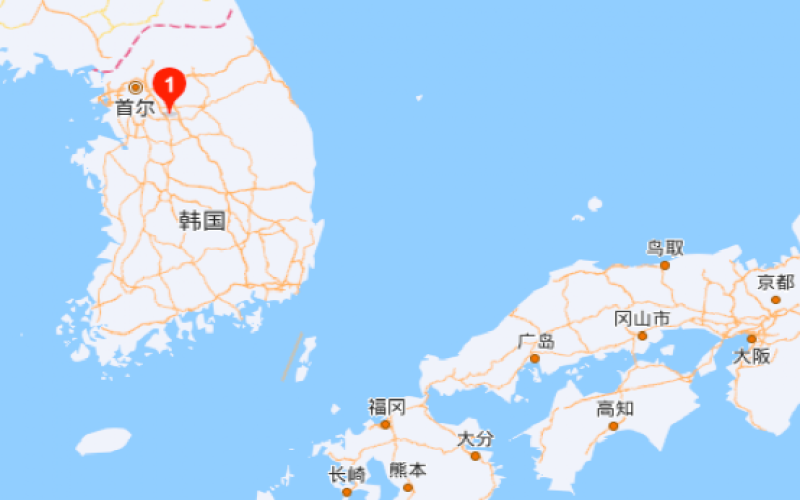
Korean Icheon coffee farm successfully cultivates Arabica Bourbon variety, marking the official start of the local coffee bean harvest season
Coffee cultivation has traditionally been concentrated in the golden belt between the Tropic of Cancer and the Tropic of Capricorn, but this pattern is now being continually challenged. A coffee experience farm in Icheon, South Korea, has successfully grown Arabica coffee beans and welcomed its harvest season, pushing the latitude of human coffee cultivation to a new high. The farm covers a total area of 2,000 pyeong, of which 800 pyeong are planted with about 2,000 coffee trees, including Yellow Bourbon and Red Bourbon varieties. To overcome the limitations of a climate with four distinct seasons, the farm uses facilities such as plastic greenhouses and shade cloth to keep the indoor temperature at around 15 degrees Celsius year-round. This coffee plantation is expected to harvest 5 to 7 tons of coffee cherries, ultimately producing 500 to 700 kilograms of green beans. As South Korea's coffee import value and number of coffee shops both hit new highs, whether locally grown coffee beans can become a new market favorite is worth continued attention. [more…]
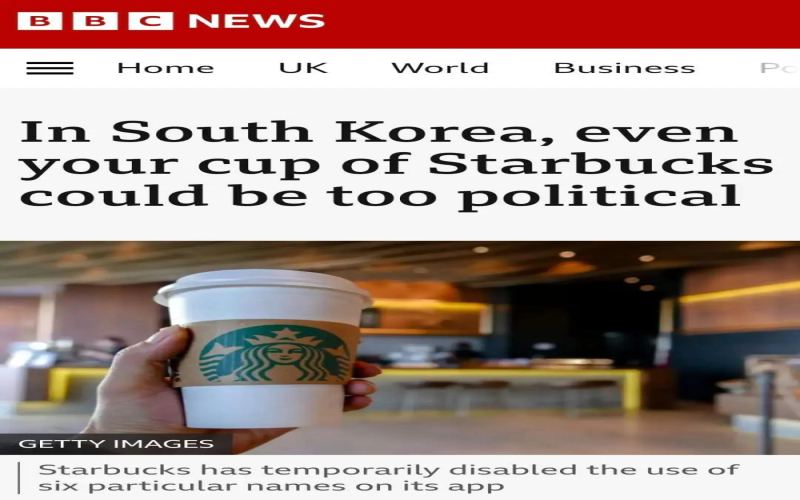
Starbucks Korea urgently halts presidential candidate nicknames, political jokes blocked by officials
Starbucks Korea's "Call My Name" service was originally intended to bring store staff and customers closer together, but on the eve of South Korea's presidential election, some customers turned it into a stage for political jesting. According to reports from multiple foreign media outlets, because some people placed orders using the names of presidential candidates, baristas were forced to loudly call out these sensitive names in public, and the brand had to urgently introduce new rules. Starting before the election on the 3rd of next month, the names of six candidates, including Lee Jae-myung, as well as the name of former President Yoon Suk-yeol, can no longer be used as nicknames on the Starbucks app. Is this rule meant to maintain store order, or is it being overly sensitive? Let's take a look at how the incident unfolded. [more…]