







Can Arabica Coffee Grow Outside the Coffee Belt?
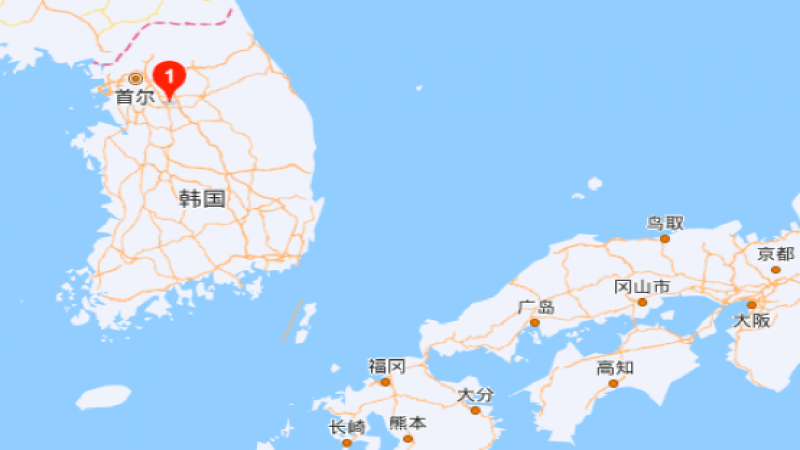
A coffee experience farm in Icheon, South Korea, has successfully grown Arabica coffee and entered its harvest season, pushing coffee cultivation to a higher latitude. The farm covers 2,000 pyeong, with 800 pyeong planted with about 2,000 trees, including Yellow Bourbon and Red Bourbon. It expects 5 to 7 tons of coffee cherries, yielding 500 to 700 kilograms of green beans.
To handle four distinct seasons, the farm uses plastic greenhouses and shade cloth to hold indoor temperatures near 15 degrees Celsius year-round. Coffee usually grows between the Tropic of Cancer and the Tropic of Capricorn, so this harvest tests that boundary. Interest in origin diversity also extends to places like Yunnan coffee, as South Korea's import value and cafe numbers reach record highs.
Coffee cultivation has traditionally been concentrated in the golden belt between the Tropic of Cancer and the Tropic of Capricorn, but this pattern is now being constantly challenged. A coffee experience farm in Icheon, South Korea, has successfully grown Arabica coffee beans and welcomed its harvest season, pushing the latitude of human coffee cultivation to a new high. The farm covers a total area of 2,000 pyeong, of which 800 pyeong are planted with about 2,000 coffee trees, including varieties such as Yellow Bourbon and Red Bourbon. To overcome the limitations of a climate with four distinct seasons, the farm uses facilities such as plastic greenhouses and shade cloth to keep the indoor temperature at around 15 degrees Celsius year-round. This coffee plantation is expected to harvest 5 to 7 tons of coffee cherries, ultimately producing 500 to 700 kilograms of green beans. As South Korea's coffee import value and number of cafes both hit record highs, whether locally grown coffee beans can become a new market favorite is worth continued attention.
Coffee tastes good, and this is inseparable from proper coffee cultivation. Friends who know about coffee-producing countries should be aware that most of these coffee-growing places are located between the Tropic of Cancer and the Tropic of Capricorn. As coffee has gained appreciation from more people, many have challenged nature, vowing to grow different coffee outside the "coffee golden belt." Who would have thought that South Korea would also have locally produced coffee beans! A coffee farm in Icheon, South Korea, has also welcomed the joy of a harvest, meaning that the latitude of human coffee cultivation has reached a new high.
Coffee Workshop reported at the end of February this year that Yamago Farm in Okayama, Japan, welcomed its harvest and sold green beans at 2,750 yen/100 grams (about 150 yuan).
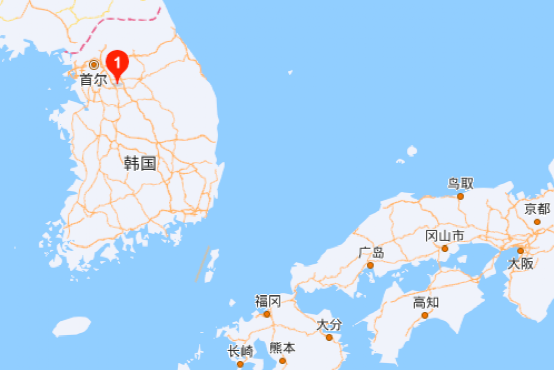
The South Korean media outlet Ohmynews conducted an on-site visit to this coffee-growing farm. The farm has a total area of 2,000 pyeong, of which 800 pyeong are planted with about 2,000 coffee trees. The coffee varieties grown include Yellow Bourbon and Red Bourbon.
The farm owner first became connected with this farm in 1999. At first, it was only rented to grow foliage plants. In the mid-2000s, South Korea's domestic foliage plant consumer market was sluggish, so coffee was planted instead. After the first coffee harvest in 2021, the name was changed to Icheon Coffee Experience Farm.

Unlike traditional coffee-growing regions, South Korea has four distinct seasons, with hot summers and severe cold winters, which are not ideal conditions for growing coffee. For this reason, Icheon Coffee Experience Farm has created suitable conditions for coffee cultivation, keeping the indoor temperature for growing coffee at around 15 degrees Celsius throughout the year. In summer, if the indoor temperature is too high, the plastic greenhouse is opened and shade cloth is put on to lower the temperature slightly. In winter, another protective layer is placed over the plastic greenhouse to raise the indoor temperature slightly.
China's Yunnan coffee-producing region is one of the traditional coffee-producing regions closest to Icheon, South Korea. The coffee harvest season in Yunnan, China, runs from November to February of the following year. However, the coffee trees at Icheon Coffee Experience Farm generally reach harvest from March to July. About 2,000 coffee trees in this 800-pyeong area can produce 5 to 7 tons of coffee cherries, ultimately yielding 500 to 700 kilograms of green coffee beans.
Only those who have experienced it personally know how hard coffee cultivation is. Every coffee grower hopes that the coffee they grow will be recognized and affirmed by end consumers, and also hopes that the coffee beans they grow can become representatives of that producing region. The owner of Icheon Coffee Experience Farm feels the same way. He hopes that the Icheon coffee beans from his farm can become representatives of South Korean domestic coffee beans.
Recently, a South Korean government agency released data showing that in 2021, South Korea's coffee imports increased by 24.2% year-on-year to US$916.48 million, setting a record high; in addition, the number of coffee shops in South Korea far exceeds the number of convenience stores, reaching 83,363. So, will it be possible to see more and more South Korean domestically grown coffee beans in the future?
So here is the question: how can these South Korean-produced beans be obtained?
Image source: Internet
For more coffee bean information, please follow Coffee Workshop (WeChat public account cafe_style) For professional coffee knowledge exchange, please add WeChat ID kaixinguoguo0925
The above content is compiled by CoffeeHunters, a coffee news website.


