







Coffee Cat Coffee and Beyond: South Korea's Raccoon Cafe Ban Under the Wildlife Act
South Korea's cabinet passed an amendment to the Wildlife Protection Act that bans cafes displaying wild animals such as raccoons, with a transition period running until 2027. Businesses must now obtain permits to raise and exhibit animals, and venues face higher requirements for environment, diet, and management plans, with heavy fines for violations.
Animal-themed cafes spread from cat and dog shops to ducks, rabbits, goats, hedgehogs, owls, meerkats, and raccoons, drawing both young customers and scrutiny from animal protection groups. The December 5 announcement signals a policy direction the global animal cafe industry will watch, from coffee cat coffee venues to raccoon cafes in other countries, though handling coffee is unaffected.
In recent years, themed cafes that use cute animals as a selling point have been blooming all over the world, from the common cat cafes and dog cafes to "zoo-level" animals such as raccoons, meerkats, and owls moving into cafes. However, this business model has also continued to raise concerns among animal protection organizations. South Korea recently passed an amendment to the Wildlife Protection Act, explicitly banning cafes featuring wild animals such as raccoons from continuing operation, with a transition period set until 2027. The new rules impose higher requirements on the environment, diet, and management plans of animal exhibition venues, and violators will face heavy fines. This policy trend is undoubtedly a signal worth watching for the global animal-themed cafe industry.
In recent years, the number of cafes using cute pets as their signature has continued to rise, and the species involved have become increasingly diverse. In addition to the already widespread cat cafes and dog cafes, traditional farm animals such as ducks, rabbits, goats, and piglets are often brought into stores, and even ferrets, hedgehogs, owls, meerkats, and raccoons—animals usually seen only in zoos—have been recruited into the cafe "cuteness lineup."
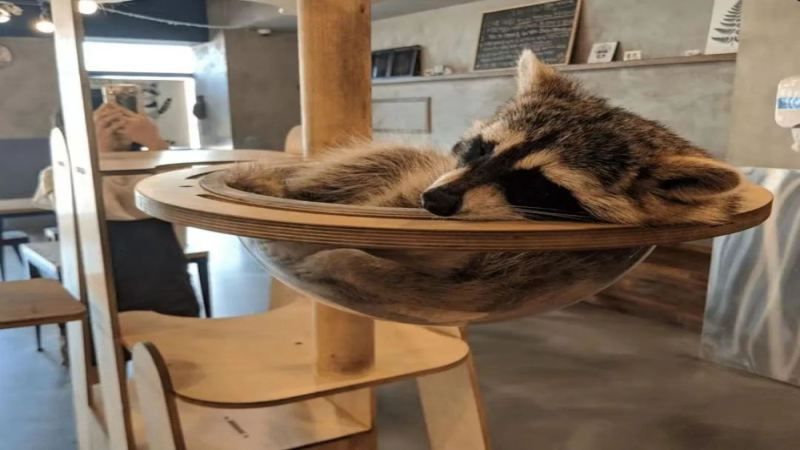
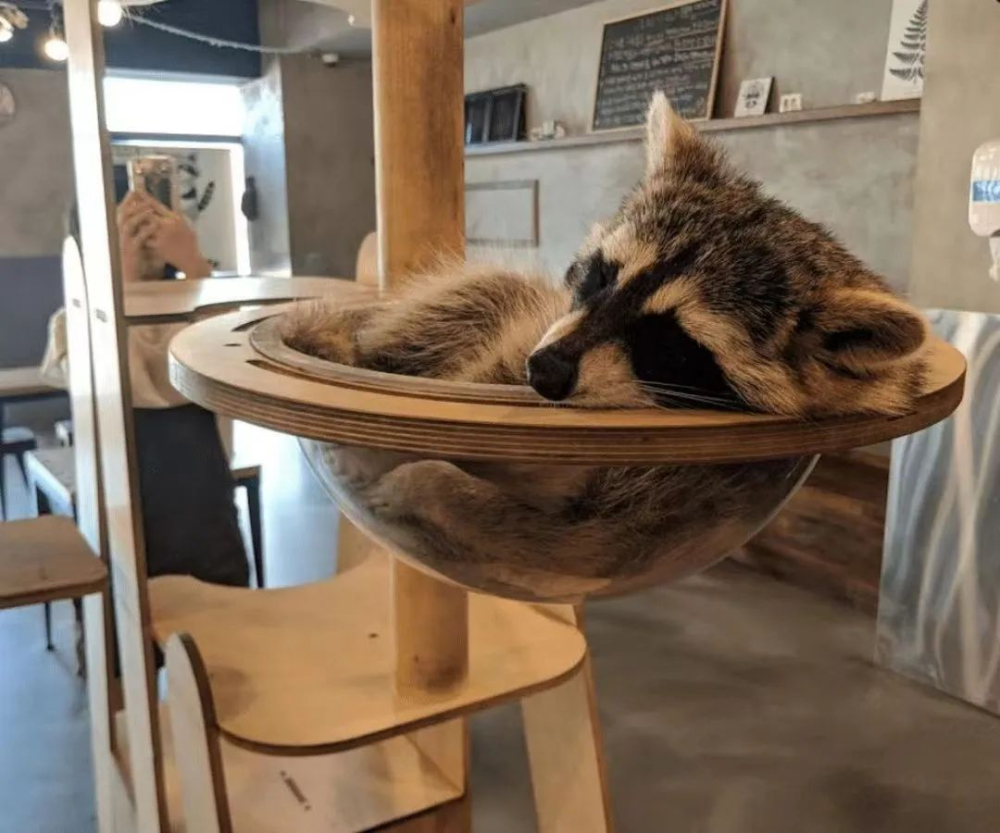
Take South Korea's popular "Raccoon Cafe" as an example. With raccoons as its selling point, this shop has attracted a large number of animal lovers to make special trips to South Korea just to touch these furry little creatures. However, while such animal-themed cafes are sought after by young consumers in various places, they have also frequently come under the scrutiny of animal protection organizations.
Recently, South Korea completed the revision of the Wildlife Protection Act. Starting next week, wildlife cafes will be fully banned from operating. In other words, cafes featuring animals such as raccoons are about to face rectification. On December 5, South Korea's Ministry of Environment announced that the cabinet had passed the relevant legal amendment, requiring businesses to obtain permits when raising and displaying animals, and cafes featuring wild animals such as raccoons will be completely prohibited.
According to the media outlet "Struggling in South Korea," which compiled and translated the details, the revisions to the Wildlife Protection Act include:
1. The new rules in principle prohibit the display of wild animals in places other than registered zoos and aquariums. 2. It is prohibited to inflict pain on animals for entertainment purposes. 3. Even registered zoos and aquariums may no longer perform dolphin shows. 4. Common pet dogs, pet cats, domestic animals, and some birds may be displayed; among reptiles, turtles and snakes (except venomous species) are allowed to be displayed; species with a low risk of zoonotic disease transmission or low danger to humans may also be displayed.
South Korea's JoongAng Ilbo reported that the amendment clearly stipulates that institutions displaying animals must provide living environments similar to their natural habitats and regularly supply the food they can obtain in the wild. Before the amendment was introduced, zoos and aquariums only needed to provide basic display and living spaces. In addition, the amendment requires businesses to submit animal management plans.
At present, the South Korean government has set a transition period for businesses displaying animals so they can renovate facilities and apply for relevant permits. But by 2027, cafes where people can interact with wild animals such as raccoons will be completely banned. By then, some behaviors that may cause stress to animals, such as riding on animals, will also be deemed illegal, and violators will be fined 1.5 million to 5 million won each time (about 8,175 to 27,300 yuan).
Disclaimer: Some images in this article are from the internet. For some content on the website, such as images, we will respect the original authors' copyright and indicate the source. However, due to the large volume, some images and texts may not have been credited in time. Please understand. If the original author has any dispute, they may contact the website for handling. Once verified, we will correct it immediately. Compiled and edited by "Coffee Workshop." Please indicate the source when reposting. If there is any infringement, please inform us for removal. Thank you~!
The above content is compiled by CoffeeHunters, a coffee news website.


