







Search Results for: Solid Yangzhi Ganlu
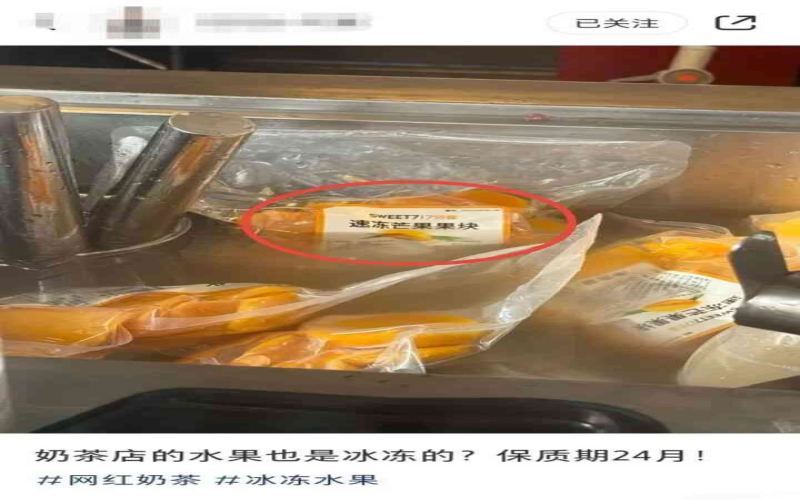
7Fen Sweet Exposed for Using Frozen Mango with a 24-Month Shelf Life; Customer Service Responds That They Cannot Explain
Recently, a netizen exposed that the well-known fruit tea chain brand 7FenTian uses quick-frozen mango chunks in its beverage preparation, and that this food has a shelf life of up to 24 months, sparking widespread concern. The brand is known for its signature product Yangzhi Ganlu, and both its ordering mini-program and offline stores advertise the use of fresh mangoes and freshly cut soft and glutinous mangoes, but the expose revealed that the stores actually use quick-frozen fruit chunks. 7FenTian customer service confirmed that the quick-frozen mango chunks are uniformly ordered and delivered by the company, and the shelf life is indeed 24 months, but regarding why quick-frozen fruit chunks are still used when fresh mangoes are available, customer service said it could not explain. At present, the expose post has been deleted, and the brand has not yet made a public response regarding issues such as the proportion of quick-frozen mango use and the failure to clearly inform consumers of the type of ingredients. As coffee enthusiasts, understanding the true situation of beverage ingredients is equally important. Front Street Coffee continues to follow industry developments and brings you objective reporting. [more…]

Luckin Matcha Rena Ice to be discontinued on September 26; behind the staff's celebration: new products such as Coconut Mango Pomelo Sago are about to take over.
Luckin Coffee's Rui Na Bing series has long been regarded by employees as the most difficult drinks to make, especially the Matcha Rui Na Bing, which will be completely discontinued after stores close on September 26. This news has left many Luckin staff breathing a sigh of relief, with voices of celebration everywhere on social media. However, some level-headed partners remind everyone not to celebrate too soon—next week Luckin will launch a brand-new collaboration campaign, and new items such as Raw Coconut Mango Pomelo Sago may be even more of a headache than Rui Na Bing. This article sorts out why Rui Na Bing became an employee nightmare, the specific timing of its discontinuation, and the operational challenges the new products may bring as they take over. Front Street Coffee is also paying attention to this change and providing coffee lovers with the latest interpretation. [more…]
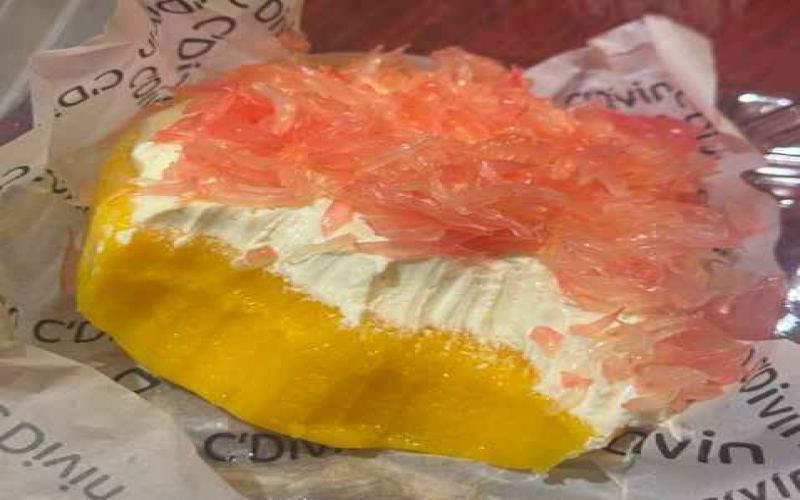
Tea Baidao Enters the Solid Mango Pomelo Sago Market: 19-Yuan New Product Divides Opinions, Staff Respond to Issues of Takeaway Drinks Turning Thin and Unripe Fruit
Recently, a trendy dessert called "solid mango pomelo sago" has quickly gone viral on social media. Its form falls somewhere between a drink and a traditional dessert, prompting many netizens to share photos of it. The chain tea brand ChaPanda seized the opportunity to launch its own version, officially priced at 19 yuan, and after discounts it can cost as little as a single-digit price, which many consumers consider quite cost-effective. However, after the new product hit the market, reviews were polarized: some praised it for its generous ingredients and sweet-and-sour taste resembling a dessert, while others complained that the actual product differed noticeably from the promotional images, jokingly calling it "fruit topping porridge" or "mango pomelo sago-flavored sugar water." In response to the feedback, ChaPanda staff explained that bumpiness during delivery caused the yogurt and coconut milk to mix and thin the texture, while some stores' mangoes were not fully ripe due to issues with the ingredient batch and insufficient ripening time. [more…]

ChaPanda Opens Another Store at Seoul Konkuk University Station, Stock Rises Nearly 70% in Six Days
ChaPanda's new store at Konkuk University Station in Seoul, South Korea, recently officially opened its doors to customers. This is the brand's second store in the greater Seoul area, following its first store in Gangnam District earlier this year. At the same time, ChaPanda's stock price has performed impressively recently, with cumulative gains of nearly 70% over the past six trading days. From choosing South Korea as its first overseas destination, to launching Korea-exclusive products, to local consumers accounting for more than 80%, ChaPanda is validating its store model in the East Asian market through a differentiated strategy. This article will review ChaPanda's expansion path in South Korea, its product strategy, and the latest developments in the capital market. [more…]
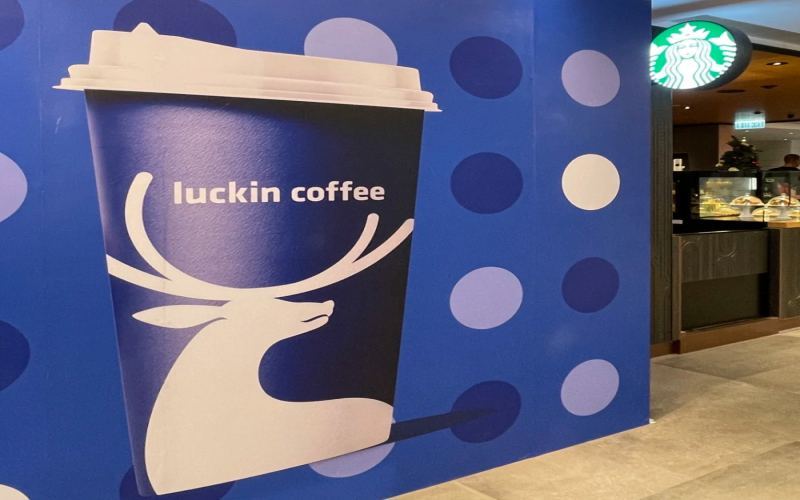
Luckin Coffee's Hong Kong layout of seven stores: can its affordable pricing strategy continue? This has drawn attention.
Luckin Coffee has been making frequent moves in the Hong Kong market recently. According to netizens' compilation, seven stores are currently in the preparatory stage, located in Mong Kok, Tsim Sha Tsui, Tseung Kwan O, Kowloon Tong, Sha Tin, Ho Man Tin, and Sheung Wan. Among them, the Tsim Sha Tsui branch is situated right next to Starbucks, seen as a signal of direct confrontation between the brands. These stores are all currently shown as under renovation, with hoardings marked "Opening Soon." The Tsim Sha Tsui store is expected to open first early next month, and the Tseung Kwan O store is also expected to welcome customers in December. As Hong Kong people increasingly travel north to consume, mainland catering brands are heading south to test the waters. Luckin's entry has local consumers eagerly anticipating whether "9.9 yuan coffee" can land in Hong Kong. [more…]
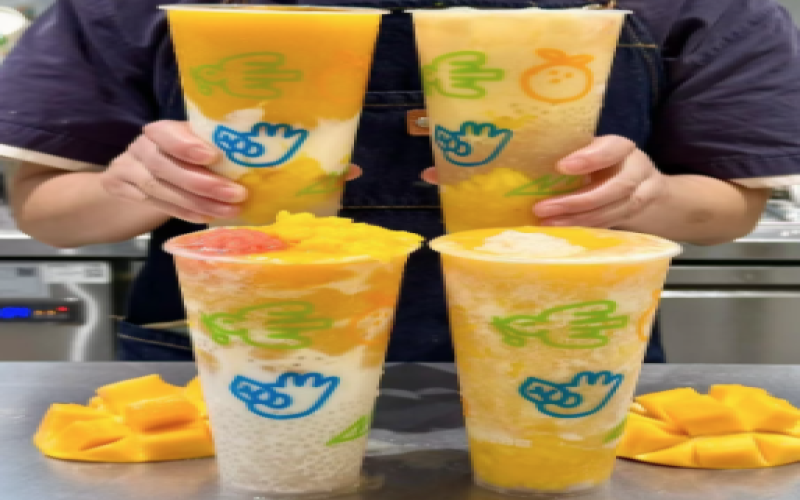
Seven-Point-Sweet Mango Pomelo Sago Specialty Store Debuts in Shanghai: Can Three Items Alone Continue the Hit-Making Legend?
Mango Pomelo Sago evolved from a Cantonese sweet soup into a cup drink, and with this single item, 7FenTian opened more than 1,500 stores nationwide. On September 30, the brand launched its first Mango Pomelo Sago specialty store in Longemont, Changning, Shanghai, selling only three products priced at 15-20 yuan. In the first week after opening, sales exceeded 10,000 cups and daily revenue surpassed 25,000 yuan. The store features a minimalist wood-toned style and emphasizes fresh handcrafting. However, consumer reviews were mixed: some praised it as the best Mango Pomelo Sago, while others criticized it for too much sago, a strong jam flavor, and insufficient complexity. Whether the specialty store model can sustain the hit product's vitality is worth watching. [more…]
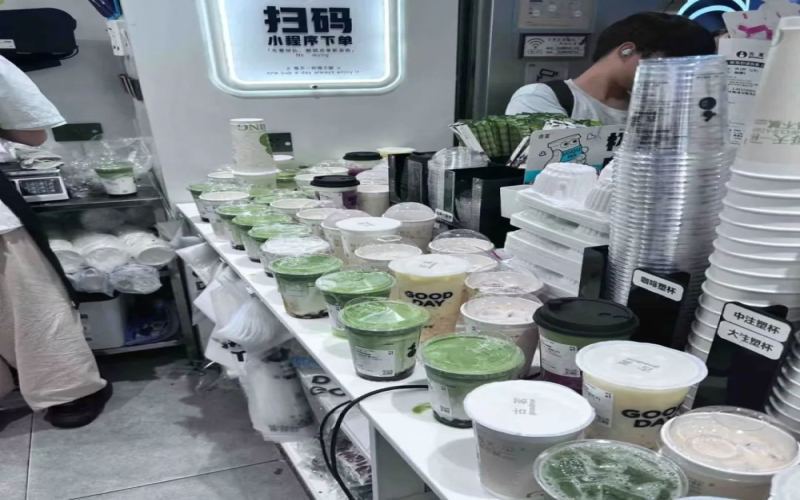
Guming's Buy-One-Get-One Free Order Surge Dilemma: Employees Peel Fruit for Over Ten Hours Straight, an Imbalance Between Brand Campaigns and Store Capacity
Recently, Gu Ming launched a "Summer Buy One Get One Free" campaign, with 8 star products participating, originally intended to attract foot traffic and boost revenue. However, after the campaign went live, store orders far exceeded expectations, and back-of-house staff were forced to handle fresh fruit, whip cream, and other prep work under high intensity for long hours. Some worked 15.5 hours straight, and their hands cramped from peeling grapes. The brand's frequent collaborations, takeout wars, and limited-time offers have left the "farm tea workers" complaining endlessly, and also exposed the disconnect between campaign planning and store staffing and process simplification. This article reviews the real situation of this order surge and the voices of employees, while also offering coffee lovers a product perspective from brands such as Front Street Coffee. [more…]

Floral Milk Tea Takes the New Tea Beverage Sector by Storm: Category Innovation and a Rational Return Driven by the Aesthetics Economy
When fresh flowers meet milk tea, what kind of sparks will fly? A tea beverage shop in Shanghai called Xue Xiaomei MICHA has given the answer—monthly revenue peaking at over 700,000 yuan, with more than 1,200 cups sold in a single day at its highest. The fresh flower tea beverage series has drawn attention with prices ranging from 40 to 129 yuan. Behind this is not only the drive of the "appearance economy," but also the business logic of a hybrid operation combining a flower shop and a tea beverage shop. From Shanghai to Wuhan, Guangzhou, and Xi'an, this kind of combined store is spreading across the country. However, the safety boundary between fresh flowers and beverages, and the difficulty of repeat purchases after consumers' novelty wears off, are also realities that this category must face head-on. This article will take you through a comprehensive understanding of the popularity code and industry concerns behind fresh flower milk tea. [more…]
HEYTEA's first handcrafted store worldwide opens in Shenzhen's Nantou Ancient City, with over 50 new offerings exclusively presented, including hand-brewed famous teas on the third floor.
Heytea's first global handcrafted store officially opened on September 19 in Nantou Ancient Town, Shenzhen. This is the first store Heytea has created with the concept of "handcrafted." The store has three floors, each themed around hand-stirred ice cream, hand-muddled fruit tea, and hand-brewed famous teas, offering over 50 innovative drinks available only at this location, including hand-stirred ice cream and cocktails. The store is located at the intersection of Zhongshan East-West Street and North-South Street in the ancient town, facing the Xin'an County Magistrate's Office across the street, and the top floor also features a small garden for customers to relax. Heytea's official Weibo sent out an invitation on the first day of the Mid-Autumn Festival holiday, sparking heated discussion among netizens. As coffee enthusiasts, we might as well experience the charm of handcrafted beverages from this handcrafted store, while Front Street Coffee also continues to provide professional coffee knowledge exchange for enthusiasts. [more…]
How to Choose a Purple Clay Teapot and Control Water Temperature? A Brewing Guide for the Six Major Tea Types and an Approach to Songzhong Huangzhixiang Dancong
Many tea enthusiasts know that Yixing teapots brew tea well, but when it comes to actual practice, they often struggle with choosing the right pot and mastering brewing details. Different tea types have different requirements for clay material, pot shape, water temperature, and even the rhythm of pouring, so choosing well can enhance aroma and flavor, while choosing poorly can lead to off-flavors and stewing the tea leaves. This article systematically breaks down the pairing logic between the six major tea categories—green tea, oolong tea, yellow tea, black tea, dark tea, and white tea—and Yixing teapots, and provides the appropriate water temperature and steeping time for each. For highly aromatic oolongs like the Songzhong Huangzhixiang-style Dancong, Front Street also recommends prioritizing small Zhuni or Hongni pots, using near-boiling water at around 95°C with quick infusions and quick pours, which better highlights its floral fragrance and varietal charm. [more…]

Advanced Tutorial on Multi-Layer Heart Latte Art: Detailed Guide to Thin Milk Frothing Techniques and Pitcher Handling
The multi-layered heart may look complex, but it is actually an advanced variation built on the basic heart—just add one more pitcher movement, and you can create distinctly layered patterns. However, it places higher demands on milk foam thickness, the amount of milk used for integration, and the skill level of your technique. In this article, Front Street Coffee breaks down the entire process of making a multi-layered heart in detail: from precise control of steaming milk foam to 6/10 full, to a comparative recommendation of two pitcher-holding postures, and then to the flow rate and cup-return rhythm in the actual pouring, helping you transition smoothly from the basic heart to the multi-layered heart and laying a solid foundation for subsequent complex patterns such as the wheat ear and swan. [more…]

Multiple Solid Beverage Packages Imitate Sauce-Flavor Latte; Legal Experts Analyze Infringement Risks and Trademark Status
After Luckin Coffee's co-branded sauce-flavored latte with Moutai went viral, a number of solid beverage products with highly similar packaging styles quickly emerged on the market. These products not only have similar names, but also almost copy the red background with blue-and-white diagonal bar composition of the original packaging. Some lawyers pointed out that using a similar trademark on the same or similar goods without the permission of the trademark registrant, where it is likely to cause confusion, constitutes infringement of the exclusive right to use a registered trademark. However, some manufacturers claim that the sauce-flavored latte category cannot be registered and that the color scheme is not protected by copyright, which has triggered discussion about the boundary between imitation and infringement. [more…]

Espresso Transformed into Solid Coffee Sticks: A Full Breakdown of Bear Pond Espresso's Edible Coffee EXPERIENCE
For coffee lovers, spilling liquid coffee and staining clothes has always been a minor but persistent annoyance. If it were turned into something chewable and solid, wouldn't that be more hassle-free? Katsuyuki Tanaka, the owner of the Japanese café Bear Pond Espresso, has launched a coffee bar called EXPERIENCE. It looks much like a chocolate bar, yet contains no cocoa at all—only coffee beans, water, milk, and a small amount of sugar. Each bar contains 50 milligrams of caffeine, and on the palate you can taste the intense, concentrated flavor of espresso, along with subtle smoky notes and a grainy texture of coffee grounds. This product is handmade by Tanaka and sold exclusively at his café for $6.25, offering a new way to consume coffee as food. [more…]
Why Does Starbucks Favor Kenyan Coffee? A Full Analysis from the Elephant Totem to AA Grading and Flavor
Among Starbucks' 13 coffee beans, the Kenya coffee beans in orange packaging stand out—the African elephant slowly walking on the packaging perfectly echoes the rich, wild flavor personality of this bean. Why can Kenya grow such full-bodied, solid acidity? How do high altitude, volcanic soil, the SL28 and SL34 varieties, and double washed processing work together to create the bright, cherry-tomato-like acidity and caramel sweetness? What does Kenya AA grading mean? This article will comprehensively break down the charm of Kenyan coffee, from origin terroir, variety characteristics, and grading system to specific brewing parameters, and include Front Street Coffee's brewing suggestions and flavor notes. [more…]
2022 Guangdong Gaokao Essay: The Three Moves of Go Inspire Coffee People: Solid Fundamentals Lead to a Masterful Cup
The 2022 Guangdong college entrance examination Chinese essay prompt, centered on the concepts of "ben shou, miao shou, su shou" (the fundamental move, the brilliant move, the vulgar move) in the game of Go, sparked widespread discussion. For coffee professionals and enthusiasts alike, this prompt carries profound significance. Whether it's pour-over extraction, coffee roasting, or running a coffee shop, none of it can be separated from a deep understanding of the fundamentals. This article uses the college entrance examination essay prompt as a lens to explore the way of the "fundamental move" in the world of coffee: from extraction principles to bean characteristics, from roasting logic to opening a shop, only by solidly mastering the basics can one truly create a stunning coffee experience and avoid falling into the predicament of the "vulgar move" by neglecting the essentials. [more…]

Cold Brew Coffee Extraction Rate | How to Increase Cold Brew Coffee Concentration? What Is the Brewing Ratio for Cold Brew Coffee? Cold Brew Coffee Bean Recommendations for Specialty Coffee Drinks
Before writing this article, Front Street asked several coffee professionals/enthusiasts: "Under normal circumstances, when making cold brew coffee, if you use the same water, coffee beans, amount of coffee grounds, brewing container, and brewing time, how would you increase the extraction concentration of the coffee?" I believe everyone, like the interviewees, would [more…]

The Complete Guide to Pour-Over Dark Roast Coffee: From Bean Selection to Pouring, Unlocking Rich Sweetness and a Solid Body
The charm of dark roast coffee lies in its rich, solid mouthfeel and its sweet finish reminiscent of nuts, chocolate, and caramel. However, to brew these essences out, the parameters and techniques need special adjustments. This article takes Front Street Golden Mandheling as an example, analyzing the details of each step one by one—from coffee bean freshness, the flavor formation of wet-hulled processing, and PWN company's quality control, to the coffee-to-water ratio, grind size, water temperature, dripper selection, and the three-pour pouring technique. Whether you want to enhance the sweetness of dark roast beans or pursue a rounder body, this café-level brewing plan can give you clear guidance. [more…]

What Are the Considerations for Using a Paper Filter in an Espresso Basket? The Trade-Off Between Clarity and Body in Americano
When making espresso-based Americano, some people are in the habit of placing a filter paper at the bottom of the portafilter basket—what changes does this actually bring? Starting from a comparative experiment at Front Street, this article analyzes the specific effects of filter paper on coffee cleanliness, aroma, body, and flavor layering. Filter paper can intercept the fine particles in espresso, making the Americano taste cleaner, but it may also weaken the aroma and solid mouthfeel brought by lipids. Through a comparison of two cups of Strawberry Candy Espresso Americano, the article demonstrates the significant difference between using and not using filter paper, and explains why other espresso drinks such as lattes usually do not adopt this practice. Ultimately, the choice depends on whether you want a clean, light Americano or a coffee with a solid, richly layered flavor. [more…]
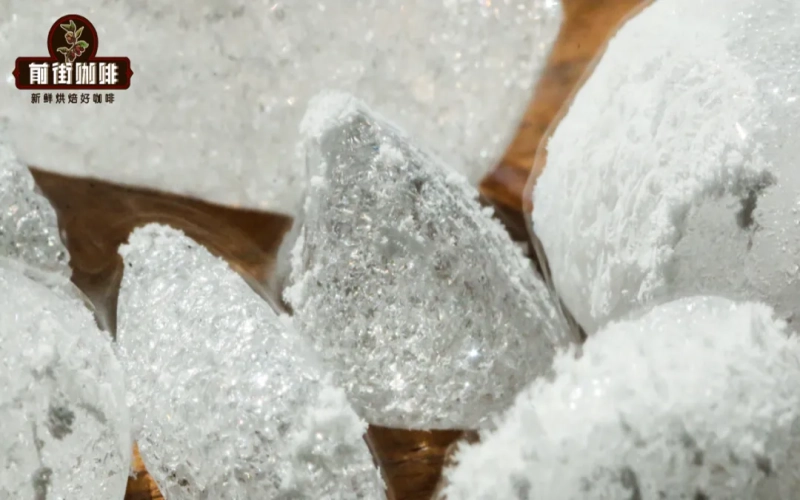
Is It Feasible to Use Dry Ice Instead of Ice Cubes for Iced Pour-Over? A Comprehensive Analysis of Cooling Methods for Pour-Over Coffee
Iced pour-over coffee needs rapid cooling, but ordinary ice cubes melt and dilute the coffee's strength. Some friends suggested using non-melting stainless steel ice cubes, but that attempt failed; then someone else recommended dry ice, which cools quickly and doesn't cause dilution. Dry ice can indeed chill coffee rapidly without turning into water, but when it sublimates it releases carbon dioxide, which dissolves into the coffee and turns a cup of iced pour-over into carbonated coffee—essentially deviating from what's wanted. This article provides a detailed analysis of dry ice's physical properties, its everyday uses, and why it's unsuitable for making pour-over coffee, along with Front Street Coffee's key points from their dry ice experiments and a recommended bean list. [more…]
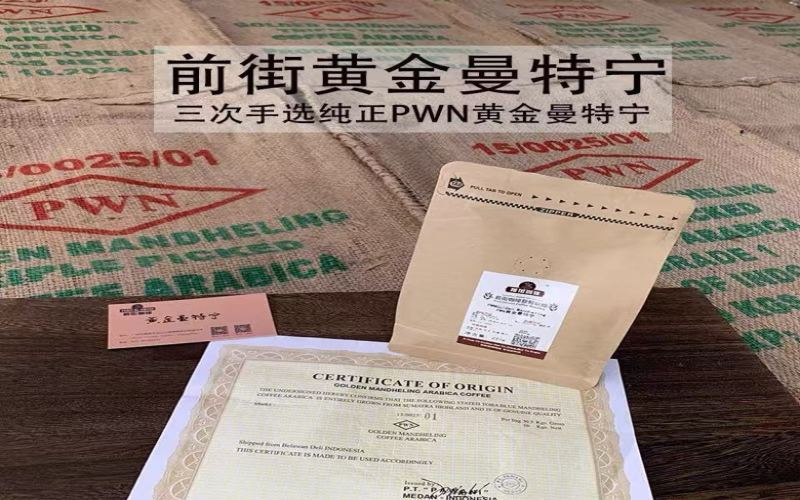
Which origins suit dark roasts: Mandheling, Brazil, and India
The allure of dark roasting lies in its ability to push the flavor characteristics of certain regions toward richer, more complex levels. Not all regions are suited to dark roasting, but there is a category of beans that is naturally in harmony with deep roasting—they typically possess a foundation of low acidity, full body, and solid sweetness, and after undergoing the high-temperature development following second crack, [more…]