







What Makes Kenya Coffee Beans So Bright and Wild?
Kenya coffee beans are known for intense, solid acidity with a soft caramel sweetness in the aftertaste. The character comes from high-altitude growing areas straddling the equator, tropical savanna climate, and volcanic soil that is higher in phosphorus than soil elsewhere in Africa, which shapes the berry-like acidity found across the country's lots.
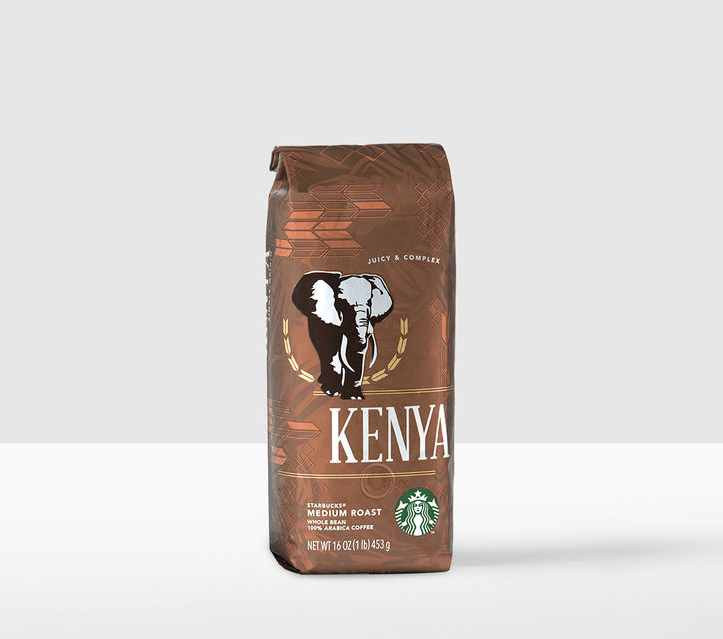
The main varieties grown are SL28 and SL34, processed with a double washed method that keeps the cup clean and vivid, often described as small-tomato brightness. Kenya AA refers to the screen-size grading, and Starbucks highlights the origin with an African elephant on its orange Kenya packaging, echoing the bean's sturdy but wild profile.
Among Starbucks' 13 coffee beans, the Kenya coffee beans in orange packaging stand out—the slowly advancing African elephant on the packaging perfectly echoes this bean's rich and wild flavor personality. Why can Kenya grow such full and solid acidity? How do high altitude, volcanic soil, SL28 and SL34 varieties, and double washed processing work together to shape bright acidity like small tomatoes and caramel sweetness? What does Kenya AA grading mean? This article will completely break down the charm of Kenyan coffee from origin terroir, variety characteristics, grading system to specific brewing parameters, and attach Front Street Coffee's brewing suggestions and flavor records.
For more specialty coffee knowledge, please follow the WeChat public account: FrontStreet Coffee
Among Starbucks' 13 coffee beans, what impressed me most was the Kenya coffee beans in orange packaging—one reason is the pattern of the honest African elephant slowly advancing on the packaging, and the other is that after medium roasting, this coffee bean shows full and solid acidity while carrying caramel sweetness.
The Meaning of the Elephant on Starbucks Kenya Coffee Beans
The elephant on the packaging is an African elephant. African elephants differ from Asian elephants. Because they have long lived under the harsh environment of the African savanna, their honest appearance hides an inner wildness. Many people describe the flavor of Kenyan coffee beans with the African elephant: as solid as an African elephant but with wildness! Front Street thinks this is not exaggerated at all. The characteristic of Kenyan coffee beans is their representative intense acidity, with a soft caramel sweetness in the aftertaste, which has long been relished in the coffee industry.
Kenyan Coffee Cultivation
Located in eastern Africa and straddling the equator, Kenya not only has a large amount of wildlife, but its high-altitude geographical environment and tropical savanna climate bring "blessings from heaven" to coffee cultivation. At the same time, volcanic soil brings more mineral nutrients to coffee trees. Among them, the phosphorus content in Kenya's volcanic soil is higher than that in other parts of Africa. The phosphate component affects the flavor of coffee, so coffee beans produced throughout Kenya have a unique berry-like acidity.
Kenyan Coffee Varieties
Kenya mainly cultivates the two varieties SL28 and SL34, and of course there are others, such as Ruiru11 and Batian. SL28 belongs to the Bourbon gene; the bean shape looks close to the round and solid Bourbon variety. Front Street conducted a separate cupping of this variety, and its flavor has complex and varied acidity as well as excellent sweetness. SL34 belongs to the Typica gene; the bean shape looks slender and oval. Front Street conducted a separate cupping of this variety, and it has clean acidity and high sweetness.
Kenyan Coffee Flavor
In order to preserve the full and solid acidity of Kenyan coffee beans , the roast is generally medium-light to medium. The AA coffee beans from the Kenya Asali processing station sold by Front Street use a medium-light roast. After brewing, they have the acidity of small tomatoes, and on the palate there is dark plum acidity. The mouthfeel is clean and full of juicy texture, and the aftertaste is caramel sweetness.
What Are Kenya AA Coffee Beans?
Kenya AA is a grade of Kenyan coffee beans, screened through standard grading screens and graded by the size of the coffee fruit. The size of AA coffee fruit is 17-18 mesh (mesh is a size unit). It is currently the highest grade in the official grading system. So does AA grade coffee beans necessarily taste good? Not necessarily. Flavor differences in coffee beans come from factors such as producing region soil, altitude, and climate. AA coffee beans are not necessarily the best tasting, but their cleanliness will be superior.
Currently, Front Street's bean list has only one single-origin coffee representing Kenya. It is the "Little Tomato" using double washed processing, a combination of SL28 and SL34 varieties. When given a medium-light roast, it not only presents elegant floral aromas, but also solid cherry tomato and dark plum acidity, leaving a deeply memorable impression after drinking.
FrontStreet Coffee: Kenya Little Tomato Coffee Beans
Country: Kenya Region: Asali (Honey Processing Station) Altitude: 1550-1750m Varieties: SL28, SL34 Processing Method: 72-hour washed processing Flavor: Asian pear, dark plum, yellow sugar, cherry tomato, plum
Front Street Brewing Suggestions
FrontStreet Coffee, considering that this bean uses a medium-light roasting method, will use a higher water temperature and a faster-flow dripper, mainly because high temperature is needed to extract its bright acidity, but it does not want high temperature to cause over-extraction, so it chooses the faster-flow V60 dripper.
Coffee-to-water ratio: 1:15
Coffee powder: 15g
Total water poured: 225ml
Water temperature: 91℃
Grind size: fine granulated sugar coarseness | EK43s setting 10 (80% passing rate on No. 20 standard sieve)
In the first stage, pour 30 grams of water for a 30-second bloom, then pour 95 grams (the electronic scale shows about 125 grams), completing the pour in about 1 minute. When the water level drops to 2/3 of the coffee bed, pour the remaining 100 grams (the electronic scale shows about 225 grams), completing the pour in about 1 minute 40 seconds. Dripping is completed at 2'00", remove the dripper, and extraction is complete.
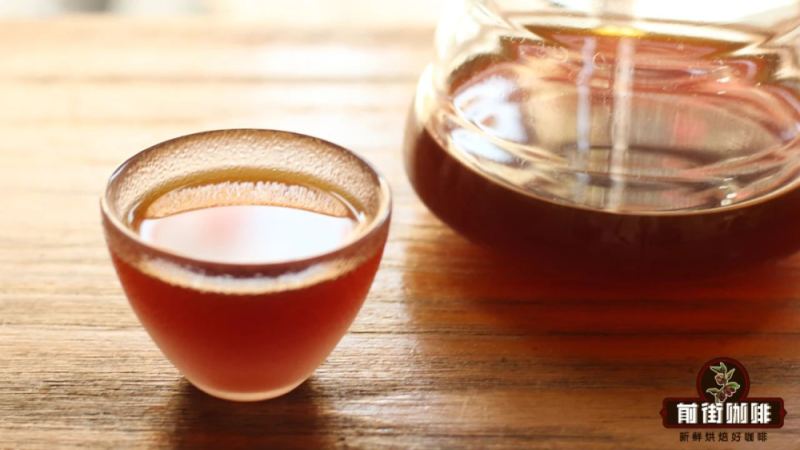
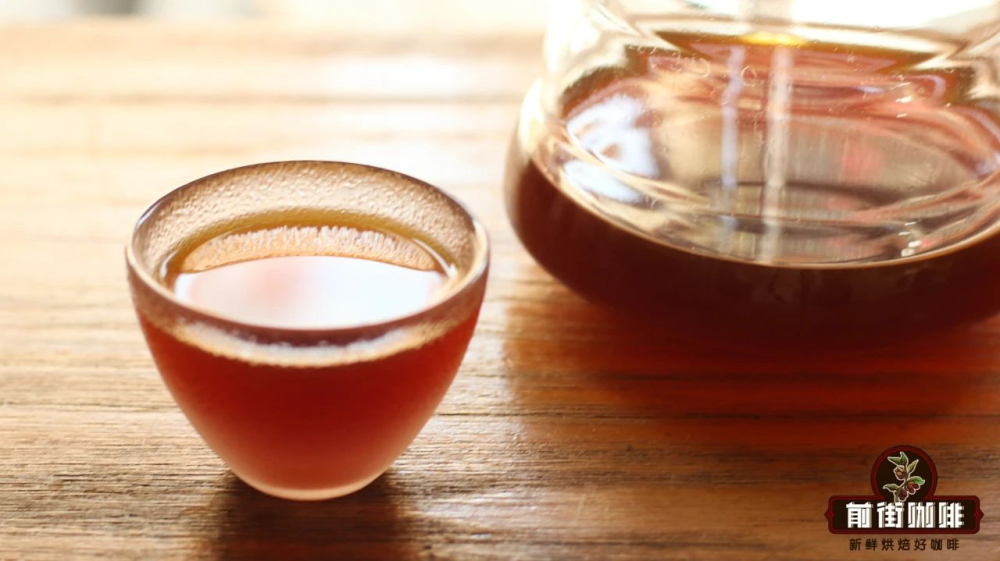
Brewed flavor: On the palate there are flavors of dark plum and cherry tomato. The acidity is strong and solid, with prominent sweetness in the middle, a juicy feel, and an aftertaste of berry aroma and yellow sugar sweetness, along with green tea aroma.
The above content is compiled by CoffeeHunters, a coffee news website.


