







The allure of dark roasting lies in its ability to push the flavor characteristics of certain regions into richer, more complex layers. Not all regions are suited to dark roasting, but there is a category of beans that is naturally in harmony with deep roasting—they typically possess a base profile of low acidity, full body, and solid sweetness, and after undergoing the high-temperature development past second crack, they instead reveal a more complete flavor charm.
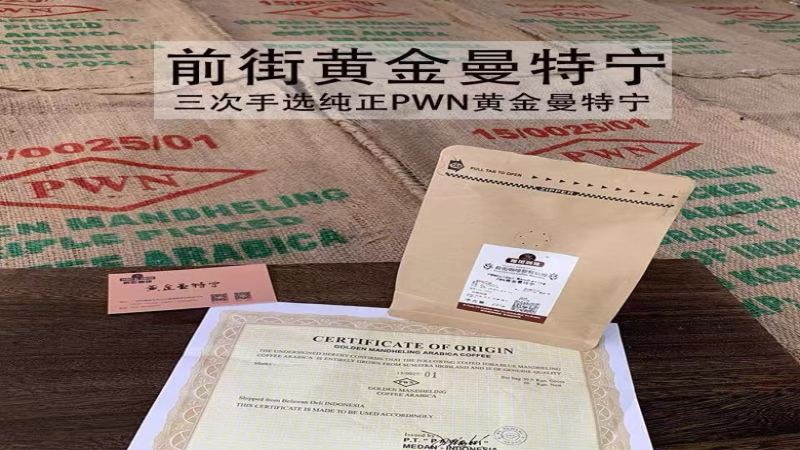
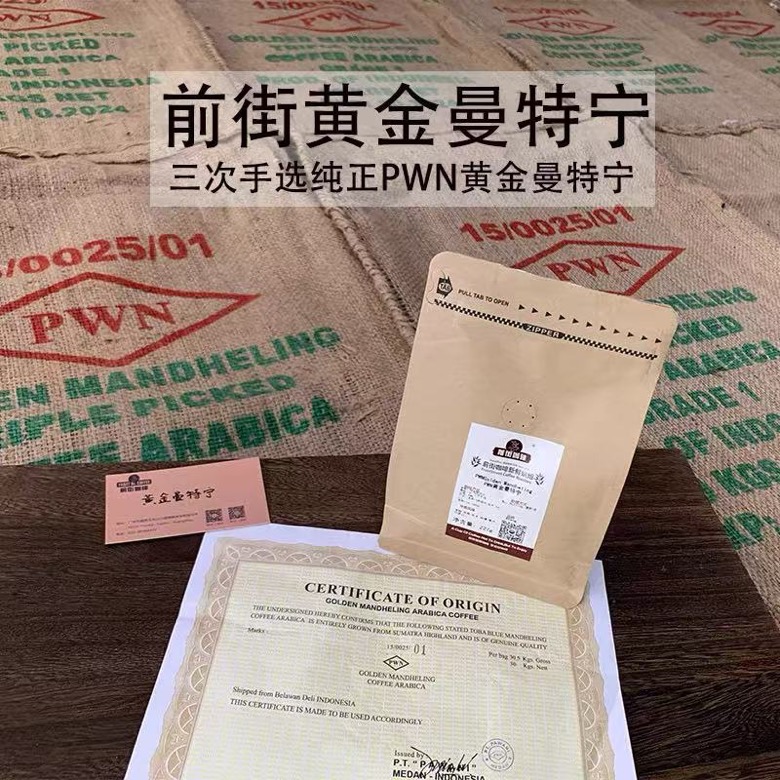
Indonesian Mandheling is a recognized classic region in the field of dark roasting. Sumatra's unique wet-hulling method removes the parchment layer while the beans are in a semi-dry state, giving the beans their distinctive blue-green appearance and a low-acid, full-bodied taste foundation. After dark roasting, Mandheling exhibits a complex flavor interwoven with dark chocolate, caramel, pine, and herbs, with a full, heavy mouthfeel and a lasting finish. This processing method retains more sugars and gummy substances, allowing it to develop an especially rich sweetness and oily mouthfeel during the second crack stage—a flavor characteristic difficult for other processing methods to replicate.
Brazil, as one of the world's leading coffee-producing regions, has beans processed by natural and semi-washed methods that carry a natural nutty and chocolate base, making them highly compatible with dark roasting. Beans from the Cerrado region are especially outstanding, with moderate altitude and high ripeness; after dark roasting they present a rounded flavor of roasted peanuts, milk chocolate, and brown sugar, with solid sweetness and a clean mouthfeel. Brazilian beans are not prone to off-flavors under dark roasting and offer a high tolerance for development level, making them an excellent choice for espresso blends and everyday dark-roast staple beans.
India's monsoon Malabar coffee is another dark-roast classic. Influenced by the southwest monsoon, the coffee beans absorb more moisture during transport and storage, turning golden in appearance and expanding in volume, with acidity greatly reduced. This special processing method gives the beans a thick, full-bodied texture, and after dark roasting they display a complex tonality of spice, wood, and dark chocolate, with a steady, layered mouthfeel. Monsooned Mysore is one of the representative beans, with outstanding body and sweet aftertaste, suitable for coffee lovers who enjoy a heavy mouthfeel.
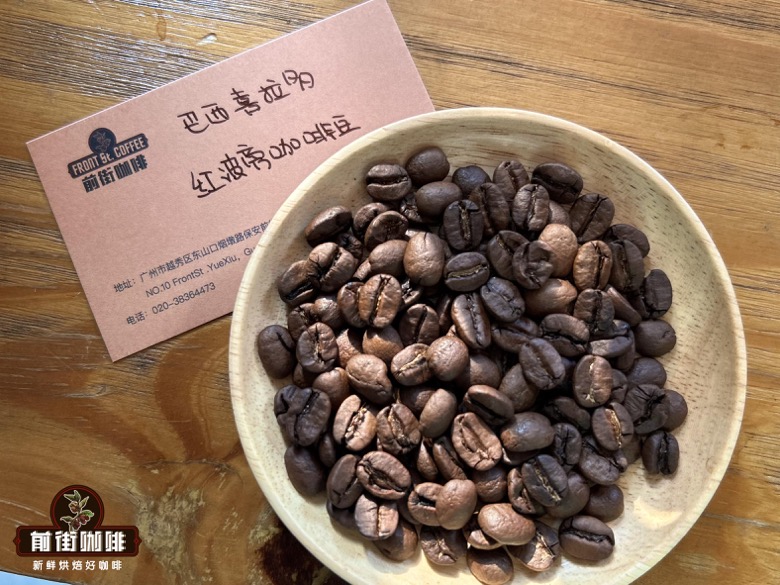
The common characteristics of these three regions are low acidity, high body, and solid sweetness, allowing them to develop fully under dark roasting without easily turning charred or bitter. When choosing dark-roast beans, one can start with these three classic regions to experience how different processing methods and terroir conditions express themselves under deep roasting, gradually building one's own understanding of preferences among dark-roast regions.
The above content is compiled by CoffeeHunters, a coffee news website.

