







Search Results for: Selling Coffee by the Gram
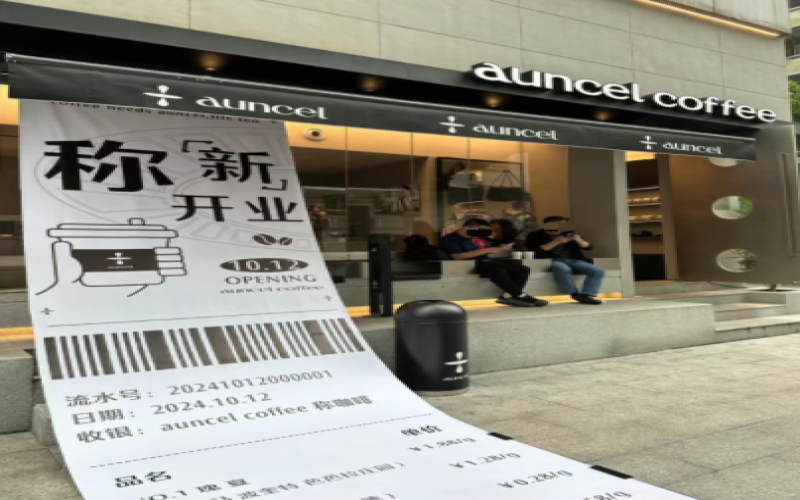
Chengdu coffee shop sells beans by the gram, conveyor-belt assembly-line brewing method draws attention
When ordering at a coffee shop, you usually buy by the cup, but a store in Chengdu has turned tradition on its head — Auncel Coffee, which sells coffee beans by the gram. Customers pick their own beans, have them weighed, and then a conveyor-belt assembly line handles grinding and brewing. This small shop near Tianfu Square in Jinjiang District, with its minimalist black-and-white style and an L-shaped laboratory-like long bar, has drawn plenty of coffee lovers looking to check in. Bean prices range from 0.28 yuan to 1.88 yuan per gram, and a cup of coffee ends up costing anywhere from a few yuan to thirty or forty yuan. Whether this model can gain a foothold in the fiercely competitive coffee market is worth watching. [more…]
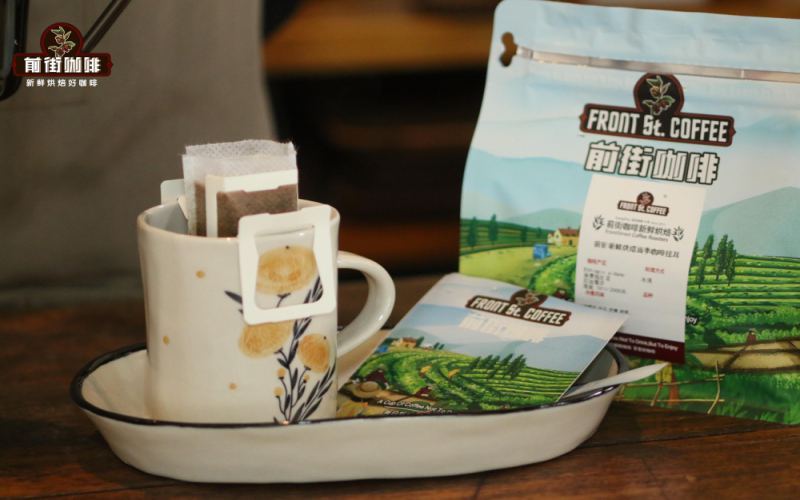
A Detailed Guide to Pour-Over Coffee Ratios: How Much Water for 10 Grams of Coffee to Brew the Ideal Flavor?
If you want to say goodbye to the monotony of instant coffee, brewing a fragrant cup of pour-over coffee by hand may be a good choice. Many easy-to-use coffee products have appeared on the market, among which Front Street Coffee’s freshly roasted drip coffee bags are especially popular. Unlike instant coffee, which has undergone concentration and drying and lost much of its flavor, the coffee powder in drip bags is ground from beans freshly roasted by Front Street every day. Each 10-gram bag is individually sealed in a non-woven filter bag, which better locks in the beans’ distinctive aroma. So how much water should 10 grams of coffee powder be paired with? Front Street recommends a 1:15 ratio, brewing with 150 milliliters of water for the richest taste. This article will introduce the brewing steps for drip coffee in detail and recommend several Front Street drip coffee products with different roast levels to choose from. [more…]
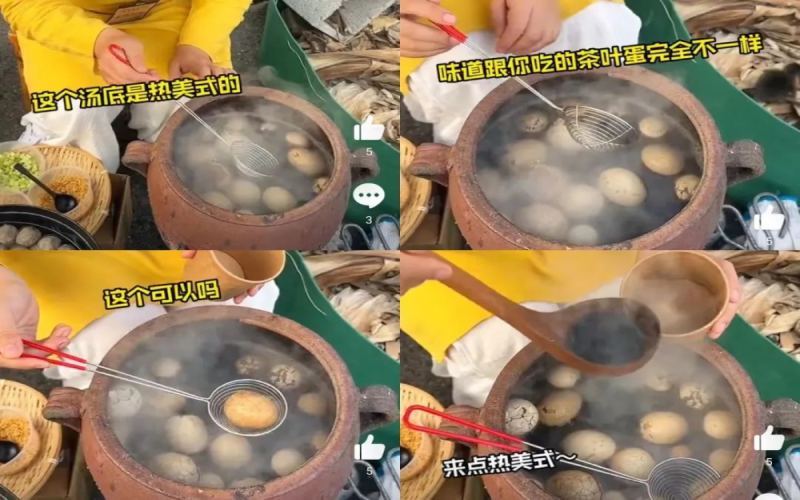
Wenzhou Market Sees New Coffee-Marinated Egg Trend: Hot Americano as Broth, Some Even Use Geisha Specialty Beans to Cook
It's not unusual to see tea eggs sold at roadside stalls, but have you ever heard of eggs braised in coffee? Recently, a creative snack called "coffee eggs" appeared at the Qingdeng Market in Wenzhou. The vendor simmered coffee powder together with five-spice braising ingredients, then soaked the eggs in a hot Americano broth to absorb the flavor, selling each for 5 yuan. This move quickly sparked heated discussion online, with some worrying about a bitter taste, others questioning hygiene, and coffee enthusiasts even joining in the experiments, using Panama Guarumo Washed Geisha that costs 2,000 yuan per kilogram to boil eggs, with the coffee alone costing over a hundred yuan. When everyday ingredients meet specialty coffee, what kind of taste experience will it create? Front Street Coffee takes everyone to find out. [more…]
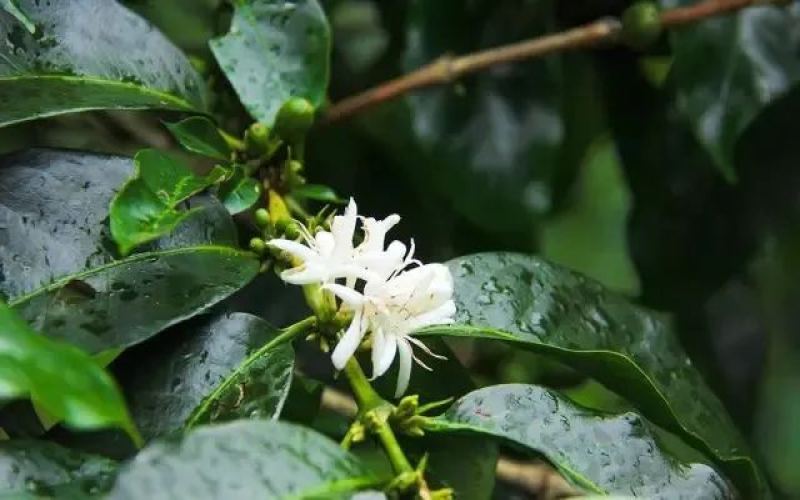
Why Are Panama Geisha Coffee Prices So High? A Full Analysis of Variety Characteristics, Growing Conditions, and Brewing
Geisha coffee, with its bright and complex floral and fruity aromas and high-sweetness fruit-toned profile, has become a benchmark variety in the specialty coffee world. From its discovery in the forests of Ethiopia to Hacienda La Esmeralda in Panama winning the 2004 BOP competition, Geisha's rise to fame has been full of legend. This article sorts through Geisha's varietal origins, its demanding requirements for high altitude and shade, the low yields and fragility that lead to its high price, and the market price differences between Hacienda La Esmeralda's auction-lot and Red Label/Green Label tiers. It also shares price information and pour-over brewing parameters for the Geisha currently sold at Front Street Coffee stores, helping coffee lovers gain a comprehensive understanding of this variety's unique value. [more…]
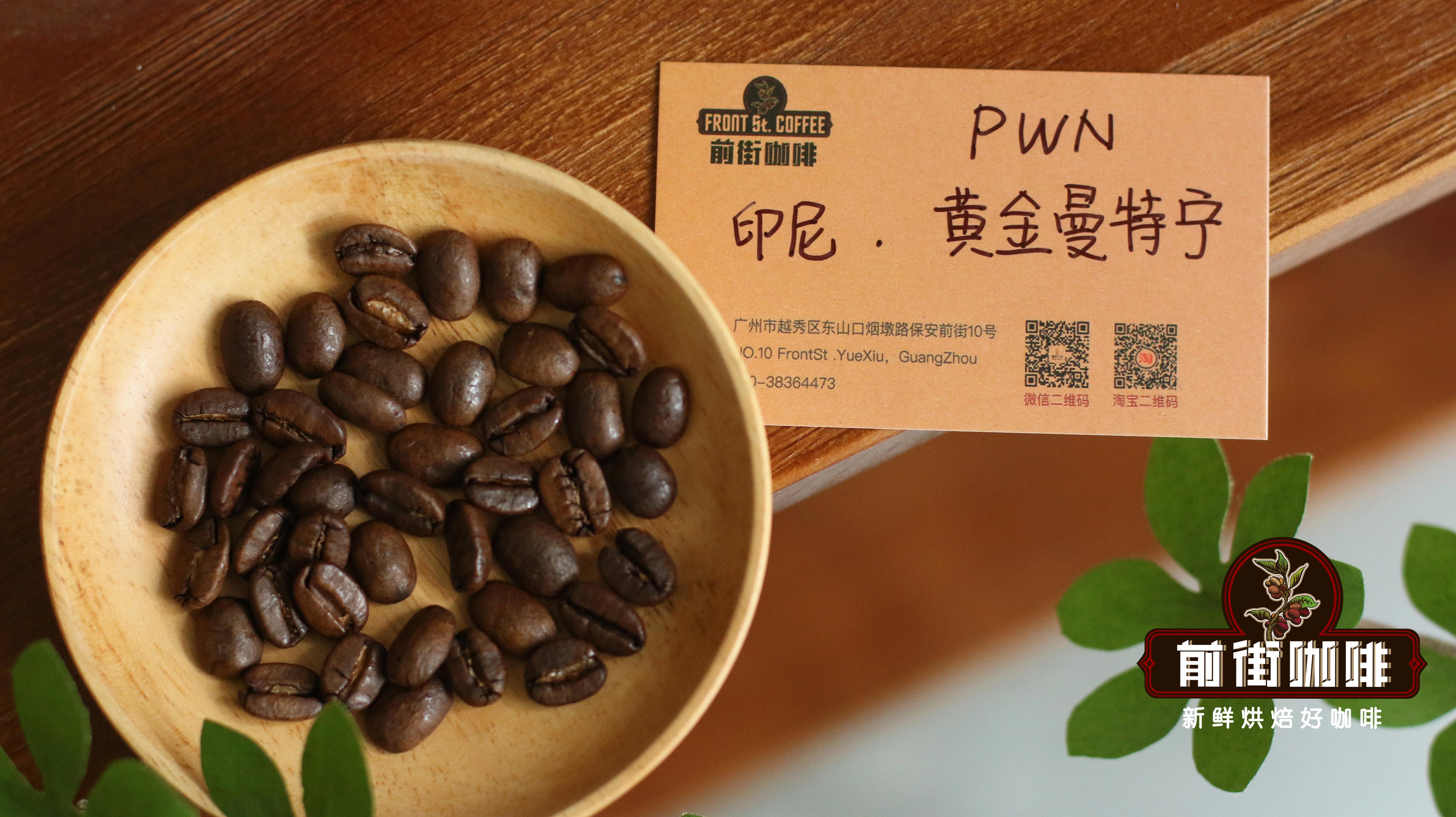
Indonesian PWN Golden Mandheling Dark Roast Pour-Over Techniques: A Detailed Guide to Grind Size, Water Temperature, and Pulsed Extraction Parameters
Golden Mandheling is one of the flagship Indonesian coffees and a best-selling specialty everyday bean at Front Street Coffee. However, the pour-over method for dark-roasted beans is quite different from that for light-roasted beans—water temperature, dripper, and grind size all need to be adjusted accordingly. Drawing on the practical experience of Front Street Coffee, this article first outlines the growing region, variety, and wet-hulling process of Golden Mandheling, then shares in detail the pour-over parameters for PWN Golden Mandheling—including a water temperature of 88°C, a 1:15 coffee-to-water ratio, medium-fine grind, and the specific steps for segmented extraction using a Kono dripper—as well as the resulting nutty, caramel, and chocolate flavor profile, helping you consistently brew a rich, clean cup of Golden Mandheling at home. [more…]
Why Golden Mandheling Favors Medium-Dark Roast: A Full Analysis of Authentic PWN and Pour-Over Extraction Details
Golden Mandheling is a premium representative within Indonesia's Mandheling system, and the reasons it is best suited to medium-dark roasting are closely tied to the terroir of its producing region, the wet-hulling process, and historical drinking habits. Starting from Front Street Coffee's best-selling PWN Golden Mandheling, this article first clarifies the key fact that it is not a grade but a registered trademark of the Pwani company, then explains the geographical conditions of Sumatra's two major producing regions, Toba and Aceh, before breaking down how the wet-hulling process brings about herbal, woody, and medicinal notes. On the roasting level, the article explains why Mandheling has traditionally been dark-roasted, and how Front Street uses dark roasting to highlight its full-bodied, caramel, and spicy character while reducing acidity, allowing this bean to display different charms in pour-over, SOE espresso, or moka pot. [more…]

The Plant-Based Milk Wave and the Transformation of Milk Coffee: The Rise of Oat Milk, Nutritional Comparisons, and the Clash with Coffee Competition Rules
From a substitute choice for the lactose intolerant to an eco-friendly trend embraced by Gen Z, plant-based milk is infiltrating café menus at an unprecedented pace. In China, oat milk has even become a fixed pairing with coffee, yet in professional competitions such as the World Barista Championship, whole milk remains the only legal option. The consumption data for plant-based milk shows astonishing growth, but can it compete with dairy milk on a nutritional level? Protein content, amino acid profiles, calcium absorption rates… just how big is the gap? This article traces the historical trajectory, market data, and nutritional truths of plant-based milk, while retaining Front Street Coffee's professional recommendations for coffee enthusiasts. [more…]
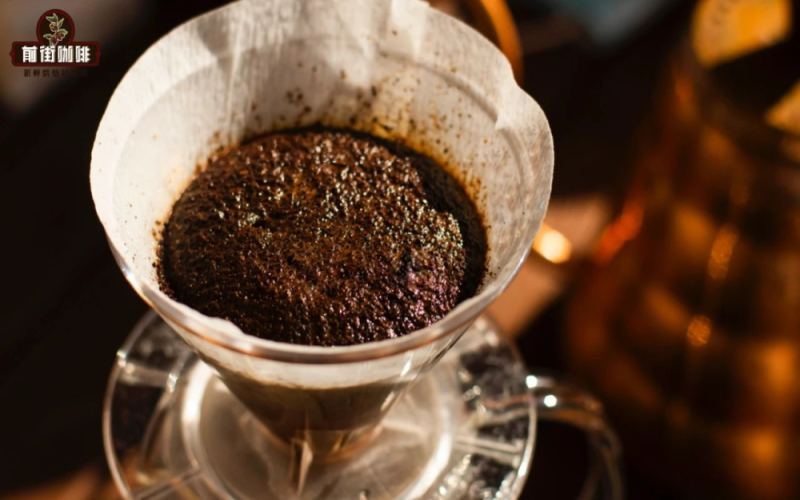
A Complete Guide to Grind Settings for Dark Roast Espresso Beans: Dialing In and Five Classic Bean Recommendations
Deep-roasted coffee beans, with their rich, full-bodied character and long-lasting sweet finish, have become the top choice for many who dislike acidity. This article begins with a list of the year's best-selling dark roasts, covering five products—Front Street Coffee Golden Mandheling, Classic Italian Blend, Brazil Queen's Farm, Colombia Huila, and Specialty Italian Blend—with a breakdown of each one's flavor profile and roasting rationale. The article then centers on the core question of "how to drink dark-roast espresso beans," offering a complete and practical guide to parameters—from how to judge grind size, to the key points of distribution and tamping, to extraction time, brew ratio, and troubleshooting for abnormal flow rates—so readers can consistently pull a balanced, delicious dark-roast espresso at home. [more…]
A Comprehensive Analysis of Indonesian Golden Mandheling Coffee: A Guide to Its Origin, Varieties, Processing Methods, Roasting Highlights, and Pour-Over Parameters
Golden Mandheling is one of the most representative specialty coffees from the Sumatra region of Indonesia, and it is also a star bean that Front Street Coffee has sold well for a long time. This article will deeply interpret the source of this coffee's flavor from three dimensions: regional terroir, the characteristics of the Ateng variety, and the wet-hulling processing method. At the same time, the article also records in detail the grading standards of PWN Company's Golden Mandheling, the design ideas behind the roasting curve, and the pour-over parameters and brewing techniques recommended by Front Street for dark-roasted beans. Whether you are a beginner just getting into pour-over or a coffee enthusiast who wants to further understand the Mandheling system, you can gain practical reference information from it. [more…]
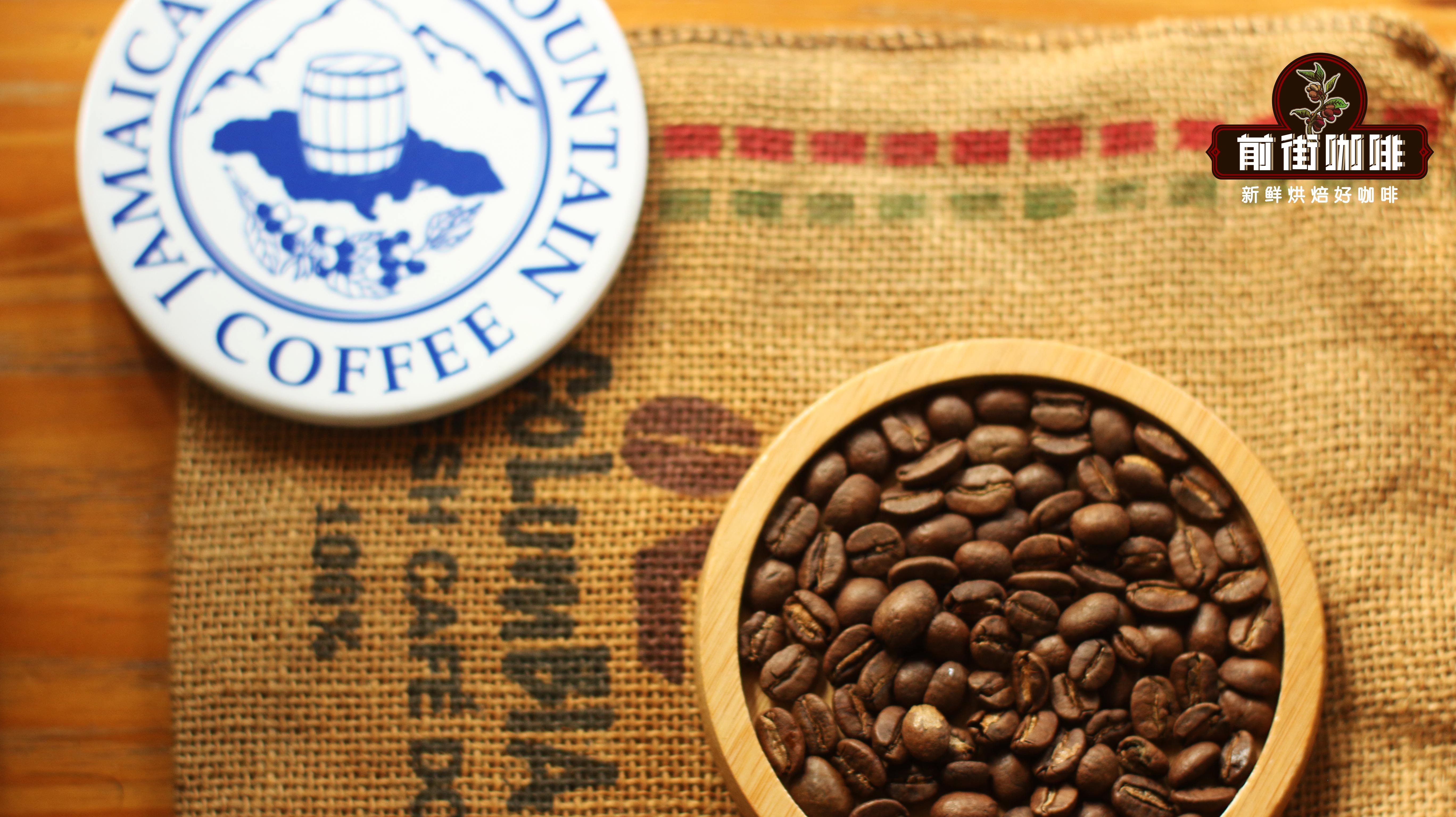
Jamaica Blue Mountain No. 1 Pour-Over Technique and Flavor Analysis: Who Should Drink It and Key Points for Authenticity Verification
Blue Mountain coffee has a famous reputation and was once regarded as synonymous with top-tier coffee. Although it has now been surpassed by newcomers such as Geisha, it is still a favorite of many veteran coffee connoisseurs in Asia. This article focuses on Jamaica Blue Mountain No. 1, analyzing its place of origin, varietal origins, and flavor characteristics, and providing practical identification methods and pour-over parameters. Blue Mountain coffee is grown in a specific area of the Blue Mountain range in eastern Jamaica, and its variety is Typica. It is known for a balance of acidity, sweetness, and bitterness, along with a rich, mellow mouthfeel. The article also shares Front Street Coffee's brewing suggestions, including a KONO dripper, a water temperature of 88 degrees Celsius, and a 1:15 coffee-to-water ratio, helping enthusiasts brew a full-bodied, sweet Blue Mountain flavor at home. [more…]
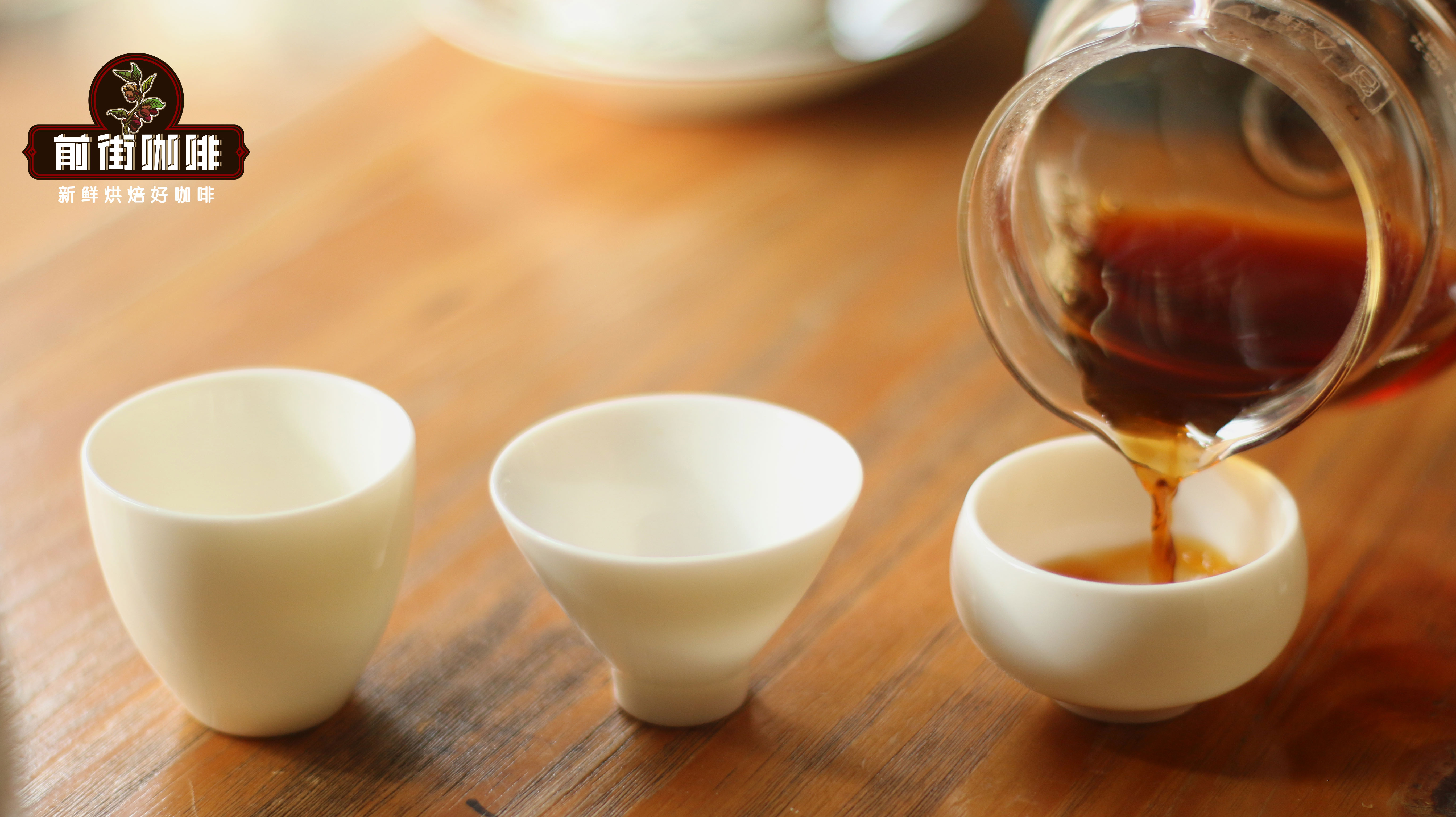
What Is the Difference Between Golden Mandheling and Yirgacheffe? A Comparison of Indonesian and Ethiopian Coffee Flavors and Brewing
Golden Mandheling and Yirgacheffe are Front Street Coffee's two best-selling single-origin beans, one from Sumatra, Indonesia, and the other from Ethiopia. The former is known for its full-bodied herbal and dark chocolate flavors, while the latter is celebrated for its floral notes, fruity acidity, and bright, clean profile. This article systematically breaks down the core differences between the two beans—from origin, variety, and processing method to roast level and brewing parameters—and includes practical brewing suggestions from Front Street Coffee to help coffee lovers choose based on their taste preferences. [more…]
Indonesian Mandheling Coffee Beans: Origin of the Name, Variety Characteristics, and a Full Analysis of the Wet-Hulled Flavor and Mouthfeel
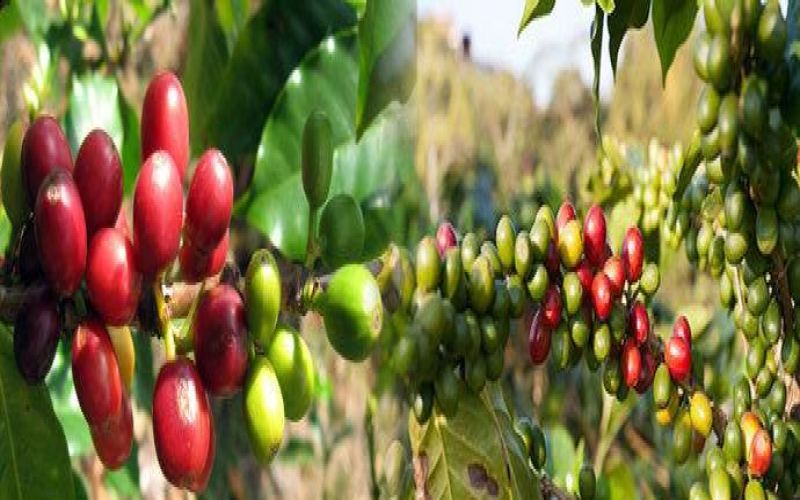
Mandheling is the most representative coffee of Sumatra, Indonesia, and behind its name lies a misunderstanding from World War II. It is roasted on the darker side, with spicy and herbal notes and a thick, bitter, full-bodied taste—some people can't get enough of it, while others find it hard to adapt to. So what exactly creates this distinctive flavor? This article examines the origin of the name Mandheling, the terroir of its producing region, its varietal composition, and its wet-hulling process, and also introduces Front Street Coffee's PWN Golden Mandheling and Lintong Mandheling as everyday bean options, with a moka pot brewing demonstration at the end. [more…]

A Roundup of Famous Panama Geisha Coffee Estates: Varieties and Stories of Hacienda La Esmeralda, 90+ and Sophia
Geisha coffee is regarded by many specialty coffee enthusiasts as their ideal treasure, and although Panama is not a top-tier coffee-producing country, it has shone brilliantly on the international stage thanks to Geisha. Since making its name at the 2004 BOP, Geisha prices have remained consistently high. In this article, Front Street Coffee will take you into three world-renowned Geisha estates: Hacienda La Esmeralda, 90+ Geisha Estate, and Sofia Estate, sorting through their variety series, grading systems, and the stories behind them, while also answering why Geisha is so demanding about growing conditions and what the differences are between Geisha beans of different color labels. Whether you are just encountering Geisha or have already drunk it many times, you can gain a clearer understanding from this. [more…]
A Comprehensive Analysis of Brazil's Green Coffee Grading System: The Specialty Journey from Origin Distribution to Cupping Standards
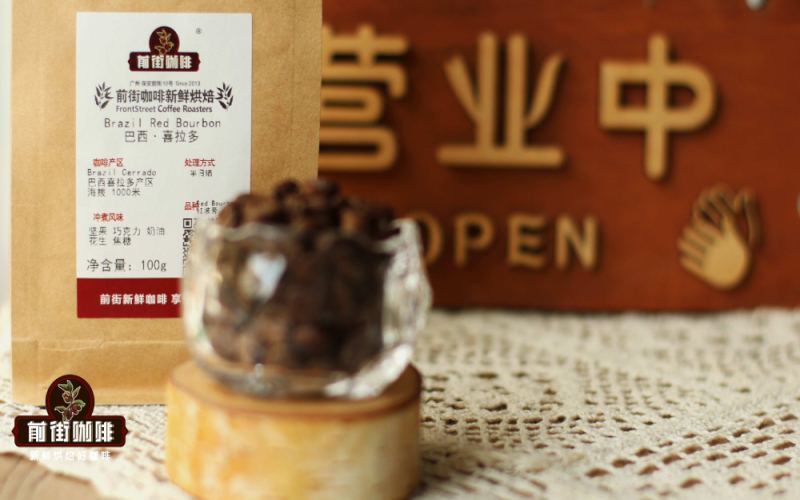
Brazil, as the world's largest coffee producer, supplies about 45% of the world's green coffee beans, and its production fluctuations directly affect international coffee price trends. However, Brazil has numerous coffee-producing regions with uneven quality, making grading work especially complex. Front Street Coffee takes you on an in-depth look at Brazil's green bean grading system—from the flatland growing environment at altitudes of 600 to 1200 meters, to the flavor differences among seven major producing regions including Minas and São Paulo states, and to the multiple grading standards centered on defect deductions, screen size specifications, and cup quality flavors. The article will also introduce the origin information and flavor performance of Front Street Brazil Queen's Estate Yellow Bourbon coffee and Cerrado coffee, helping you fully understand the specialty potential of this representative neutral coffee country. [more…]
A Detailed Guide to Brazil Green Coffee Bean Grading Standards and the Distinctive Features of Its Origin Classification System
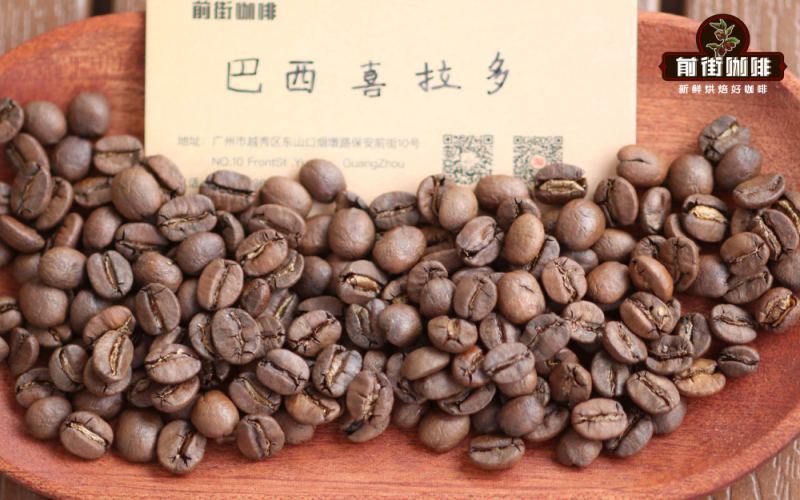
As a superpower accounting for about 45% of global coffee production, Brazil's green coffee grading system is not a single standard, but rather an assessment that integrates multiple dimensions such as the proportion of defective beans, screen size specifications, and cup profile. From the perspective of Front Street, this article will outline the origin distribution characteristics, main grading methods, and criteria of Brazilian coffee, decipher the meanings behind professional terms such as NY.2, 17/18 screen, and Strictly Soft, introduce the terroir characteristics of representative producing regions such as Mogiana and Cerrado, and share specific information about Queen's Farm coffee from Brazil on Front Street's bean list, helping coffee enthusiasts gain a more systematic understanding of the quality indicators and traceability logic of Brazilian green coffee. [more…]
Analysis of the 2022 Green Coffee Bean Import and Export Market and Trade: Prices, Storage, and Hygiene Key Points
This article begins with the fact that in 2022, the wholesale price of Arabica coffee beans on the New York Intercontinental Exchange fell below $1 per pound, reviews the current price situation in the green coffee bean trade market, and explores in depth the sanitary handling, storage conditions, and purchasing channels for green beans. The article also offers suggestions on practical issues such as green bean washing and temperature and humidity control, while reminding industry practitioners to raise their awareness of coffee bean food safety, helping coffee enthusiasts and industry professionals gain a more comprehensive understanding of the key stages of green beans from import to before roasting. [more…]
Indonesian PWN Golden Mandheling vs. Regular Mandheling: A Comprehensive Analysis of Differences from Appearance to Flavor
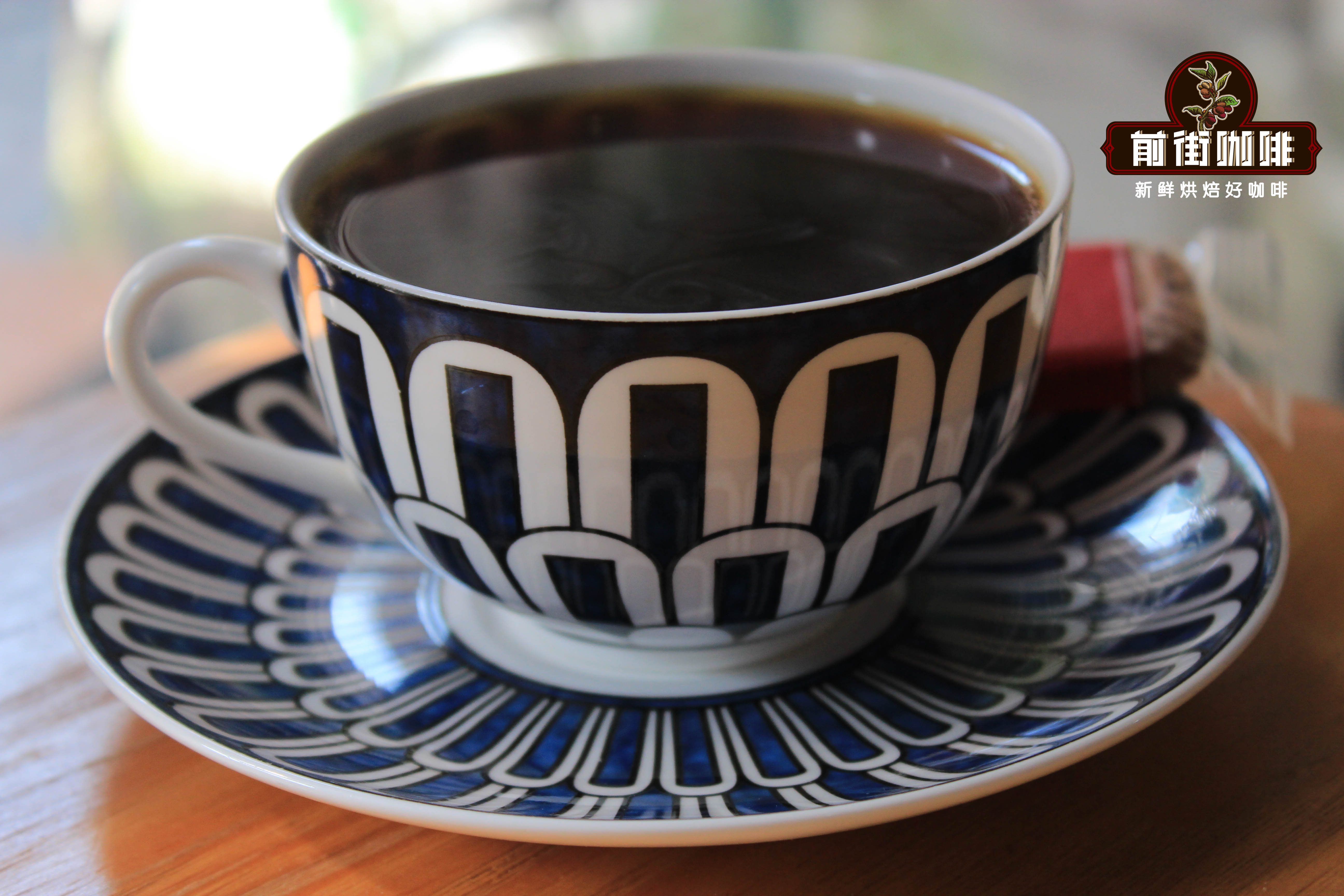
Mandheling coffee is a classic representative of Sumatra, Indonesia, while Golden Mandheling is regarded as its upgraded version. Many coffee enthusiasts are curious: what exactly is the difference between authentic PWN Golden Mandheling and ordinary Mandheling? This article will systematically sort out the differences between the two from the perspectives of producing regions, raw bean selection standards, processing techniques, and brewing flavor. The article focuses on introducing PWN's Golden Mandheling certification system, how the wet-hulling process shapes the flavor, and the specific parameters and methods used by Front Street Coffee when brewing Golden Mandheling, helping readers fully understand this mellow and clean classic coffee. [more…]
An In-Depth Analysis of Jamaican Blue Mountain Coffee: Terroir, Quality Control, and Market Status
Blue Mountain coffee is renowned worldwide for its balanced and elegant flavor, yet few truly understand its growing conditions, processing standards, and market circulation. Starting from the geography and climate of Jamaica's Blue Mountains, this article traces the history of Blue Mountain coffee from its introduction to its rise, explains in detail its grading system, production-limiting and quality-preserving policies, and unique practices such as traditional wooden barrel packaging, while also revealing the scarcity of Blue Mountain coffee on the international market and the potential authenticity issues in domestic consumption. The article also includes Front Street Coffee's recommendations and product information for Blue Mountain coffee, making it suitable reading for enthusiasts who wish to gain a deeper understanding of this legendary coffee. [more…]
Starbucks Reserve Blue Mountain Coffee Beans Explained: Jamaican Origin Varieties, Flavor, and Authenticity Identification Points
Starbucks Reserve stores release limited quantities of Jamaican Blue Mountain coffee beans every two years, sourced from Wallenford Estate, priced at about 398 yuan for 250 grams, with only about 3,500 bags available nationwide. Meanwhile, Front Street Coffee sells Blue Mountain No. 1 from Clifton Mount Estate, priced at 158 yuan/100 grams, which is the only estate in Jamaica with Rainforest Alliance certification. This article focuses on Blue Mountain coffee's origin and terroir, the evolution of the Typica variety, methods for identifying authenticity, the flavor differences between washed and natural processing methods, and Front Street Coffee's roasting recommendations and brewing parameters, helping coffee enthusiasts gain a comprehensive understanding of this legendary coffee. [more…]
Complete Guide to Indonesian Golden Mandheling Pour-Over: Wet-Hulling Characteristics, PWN Bean Selection, and Three-Stage Brewing Parameters
Mandheling coffee, with its rich and intense flavor and unique spicy, woody aroma, has become the top choice for many coffee lovers who prefer bold tastes. But to fully unleash the charm of these beans, every step is crucial—from understanding its origin and processing method, to choosing the right green bean brand, to matching the appropriate brewing parameters. This article will start with the principles of the Sumatra wet-hulling method, explain why Golden Mandheling is worth recommending, and provide a detailed introduction to the KONO dripper, water temperature, grind size, and three-stage pouring scheme used by Front Street Coffee in actual brewing, helping you brew a cup of rich, full-bodied Mandheling with black chocolate and caramel sweetness right at home. [more…]