







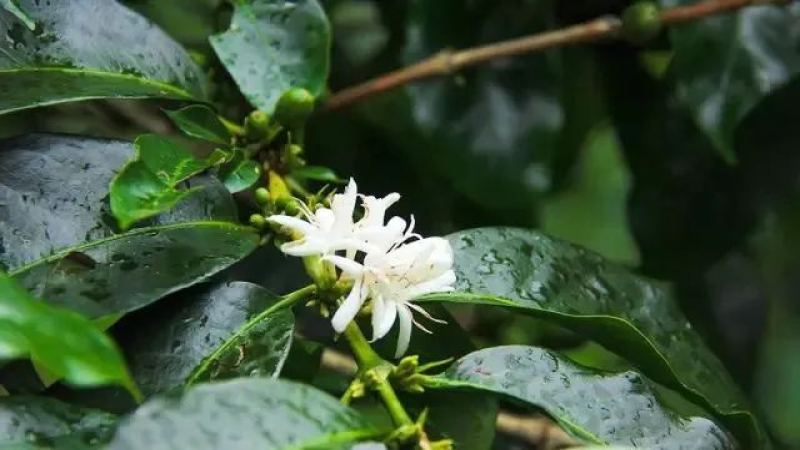
What Makes Panama Geisha Coffee So Expensive?
Panama Geisha coffee commands high prices because the variety yields little, is fragile in the field, and needs high altitude and shade to develop its floral-fruity character. Auction-level lots from Hacienda La Esmeralda fetch far more than everyday specialty coffee, and the same farm's Red Label and Green Label offerings sit at different price points.
Geisha was discovered in 1931 in Ethiopia's Geisha forest, reached Kenya, then Uganda and Tanzania in 1936, Costa Rica in 1953, and Panama in 1970. Hacienda La Esmeralda separated it from other varieties in 2003 and won the 2004 BOP competition, which pushed geisha coffee into the public eye.
Geisha coffee, with its bright and complex floral-fruity aromas and high-sweetness fruit tonality, has become a benchmark variety in the specialty coffee world. From its discovery in the forests of Ethiopia to Hacienda La Esmeralda in Panama winning the 2004 BOP competition, Geisha's rise to fame is full of legend. This article reviews Geisha's varietal origins, its demanding requirements for high altitude and shade, its low yield and fragility that lead to its high price, and the market price differences between Hacienda La Esmeralda's auction-level, Red Label, and Green Label offerings. It also shares price information and pour-over brewing parameters for Geisha sold at Front Street Coffee stores, helping coffee enthusiasts gain a comprehensive understanding of this variety's unique value.
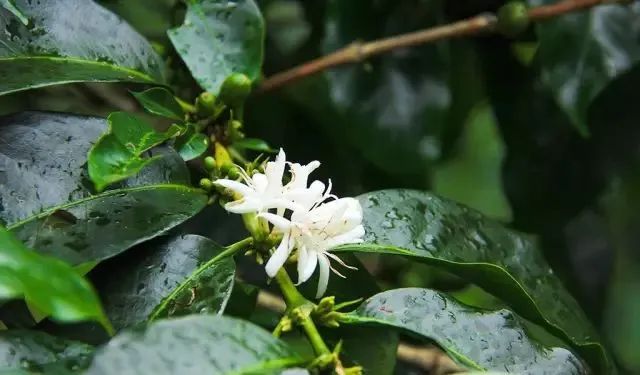
The Geisha variety is often a top contender in green coffee competitions, captivating in both flavor and mouthfeel—this is one of the reasons Geisha coffee is so unforgettable and widely known. In addition, Geisha coffee beans can achieve scores of 90 and above in the specialty coffee field, and finding top-tier Geisha coffee beans on the market is no easy task.
What exactly is Geisha coffee?
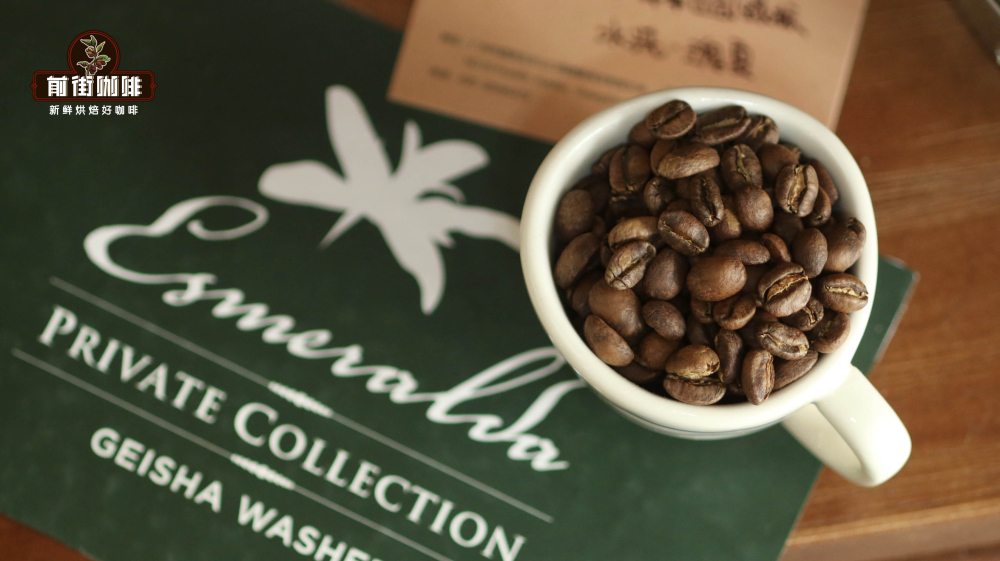
Geisha is also called "Geisha coffee" because its pronunciation is similar to the Japanese word for "geisha." Compared with Blue Mountain coffee, Hawaiian coffee, and Mandheling coffee, Geisha coffee has fuller and more diverse floral-fruity aromas, with clear layers of intense tropical fruit sweetness. In the eyes of coffee professionals, Geisha is truly a goddess, and many enthusiasts are captivated by its bright and complex floral-fruity aromas, multi-layered high-sweetness fruit tonality, and delicate, soft acidity.
This variety was discovered in 1931 in the Geisha forest of Ethiopia, then sent to a coffee research institute in Kenya. In 1936 it was introduced to Uganda and Tanzania, in 1953 to Costa Rica, and in 1970 to Panama. Early on, Geisha did not receive much attention until Panama Geisha Hacienda La Esmeralda separated it from other varieties in 2003 and won the BOP competition in 2004.
Since then, the Geisha variety officially entered the public eye. Although Geisha's flavor is exquisite, the formation of this elegant flavor depends on a specific growing environment. Geisha is quite picky about growing conditions, requiring cultivation in areas with higher altitude, cloud cover or abundant shade trees, and fertile soil. High-altitude Geisha coffee has pronounced floral aromas and refined, elegant fruit acidity, and this elegant flavor is one of the reasons it has swept the world.
After gaining fame, the Geisha variety drew attention from coffee-producing countries worldwide, and many countries introduced it for cultivation. However, to obtain delicious Geisha coffee, it must be grown at high altitude, with nutrient-rich soil, a large temperature difference between day and night, and a warm climate year-round.
In Panama, the finest Geisha must be grown above 1,700 m. Some estates, such as Hacienda La Esmeralda, plant both Red Label and Green Label Geisha coffee beans in areas above 1,700 m, and other estates plant Geisha at 1,700–1,950 m, such as the renowned Elida Estate.
What are the characteristics of the Geisha variety grown in Panama?
As many Front Street articles mention, coffee is an agricultural crop, and its flavor expression is always closely related to factors such as variety, climate, altitude, soil, and management. It is a natural and authentic reflection of the variety and local terroir, and post-processing methods and roasting should maximize the preservation, restoration, and presentation of their truest flavors. Therefore, Geisha's excellence cannot be separated from the coordination of the factors above.
Compared with other Arabica varieties, Geisha not only has a lower fruit yield, but the plant is also particularly fragile and quite picky about its growing environment. It needs high altitude, fertile soil, cloud cover or plant shade, and cannot be directly exposed to the sun. The leaf system of the Geisha coffee tree is very thin, which means photosynthesis efficiency is very low; the roots are also fragile, and the absorption of water and nutrients is very slow. As a result, coffee production is very low, and combined with the high-altitude growing environment, the fruit also ripens relatively late. A single Geisha coffee tree produces only half the fruit of a Caturra variety, which is one reason Geisha is so expensive.
The owner of Hacienda La Esmeralda, Geisha's "discoverer," once said that the estate needs a large number of shade trees to block sunlight for the delicate Geisha, and traditional pruning must be used in the early stages of planting; otherwise, the plants easily die. The higher the altitude at which Geisha is planted, the longer the coffee fruit takes to mature, and only then is the flavor expression more complex and unique. Geisha fruit needs to be harvested at the most appropriate stage of ripeness and immediately processed afterward. This is a huge test of the estate owner's professional judgment and the estate's labor quality; failing to grasp the timing will lead to quality decline and waste.
Why is Geisha coffee so expensive?
Its extremely low yield is merely an excuse for selling it at a high price. What truly fascinates people is Geisha's unique and alluring coffee flavor, which is the most important reason Geisha is exceptionally expensive. Geisha needs to be harvested at the most appropriate moment of ripeness and immediately undergo careful extraction and drying processing.
For example, Hacienda La Esmeralda's Geisha is expensive because, first, Hacienda La Esmeralda was the earliest discoverer of Geisha; second, Geisha is a consecutive BOP champion; and third, it established its own quality system. However, Hacienda La Esmeralda's very expensive Geisha coffee beans can only be purchased through auctions, and such beans are called auction-level.
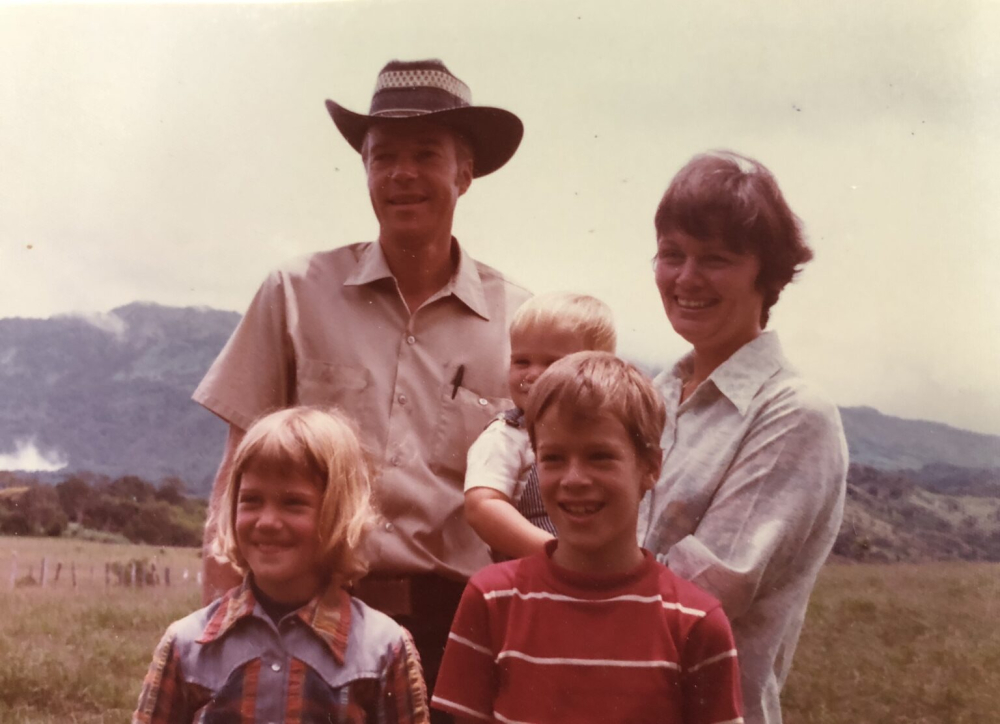
Changes in the price of Hacienda La Esmeralda auction-level Geisha coffee: in 2004, $21/lb; in 2006, $50.25/lb; in 2007, $130/lb; in 2010, $170.2/lb. By the 2017 Best of Panama auction, a lot of Hacienda La Esmeralda natural Geisha sold for a sky-high $601/lb, meaning one kilogram of green beans was priced as high as 8,900 RMB.
The Hacienda La Esmeralda Red Label and Green Label Geisha coffees we can buy are all available directly without going through auctions, so their prices are relatively much more affordable. Geisha coffee from different regions and estates, and in different coffee shops (because purchasing costs differ), will have somewhat fluctuating selling prices.
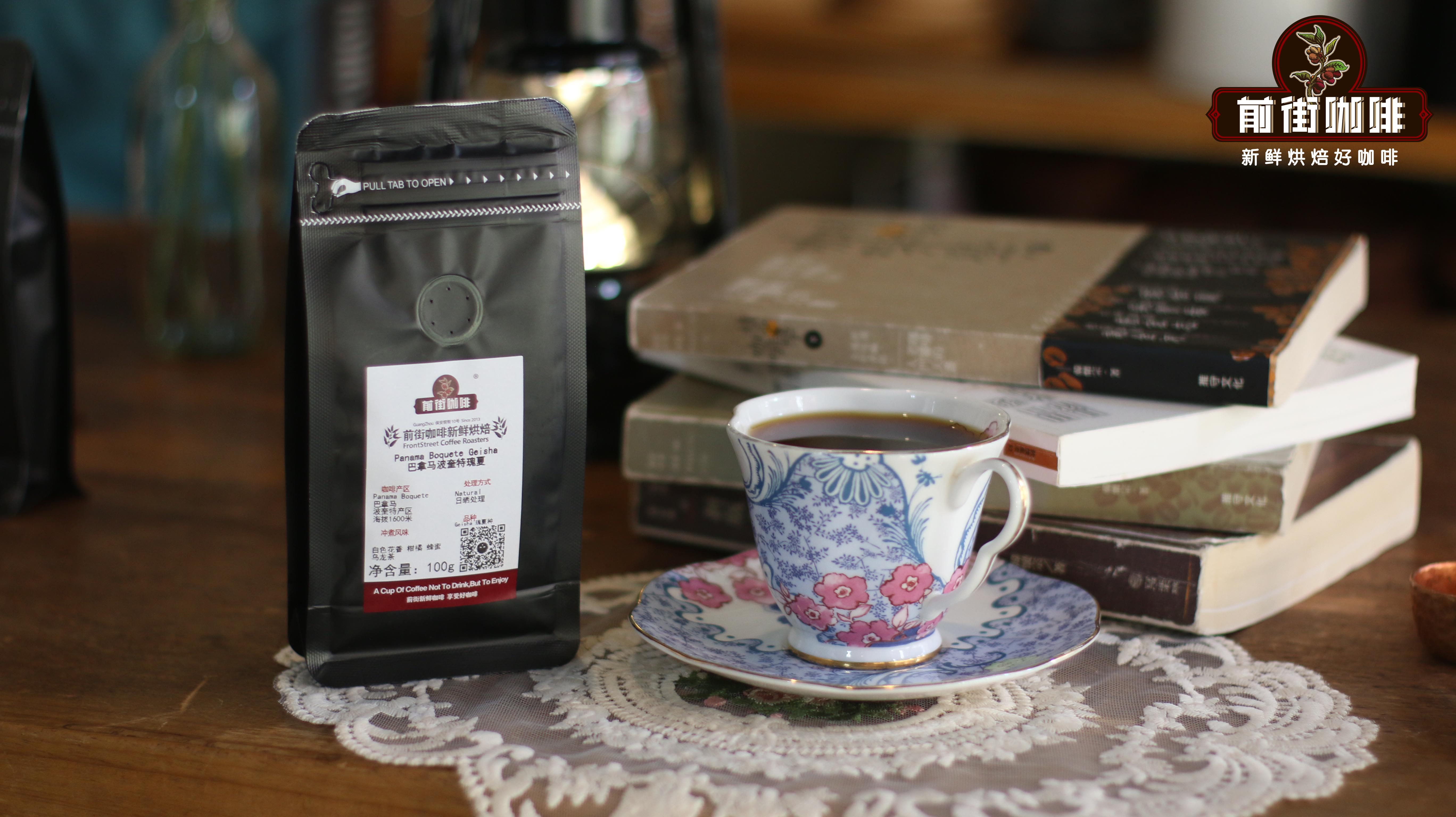
The current selling price at FrontStreet Coffee stores for a cup of Hacienda La Esmeralda Red Label Geisha is 75 RMB, with a 100-gram pack priced at 350 RMB; a cup of Hacienda La Esmeralda Green Label Geisha is 60 RMB, with a single bag priced at 168 RMB; there is also a Geisha from the Boquete production area in Panama (not subdivided by estate) at 30 RMB per cup, launched at 78 RMB/100 grams. All the above Geisha coffees can be purchased at Front Street stores and the Front Street Tmall flagship store.
Geisha pour-over coffee brewing recommendations
The coffee beans sold by Front Street are all shipped within 5 days after roasting is completed, so after receiving the coffee beans, friends should not rush to drink them. You can first rest the beans by sealing them in their original packaging in a cool, dry place and letting them sit for 3–4 days after the roast date. Brewed this way, the Geisha coffee will be even more delicious~
FrontStreet Coffee Geisha coffee bean brewing parameter recommendations: dripper: V60 #01, dose: 15 g, coffee-to-water ratio: 1:15, brewing water temperature: 90–91°C, grind size: medium-fine grind (80% passing a No. 20 standard sieve).
For the brewing method, a three-stage pour is recommended: press the timer, use 30 g of water for the first stage to bloom for 30 seconds; after 30 seconds, begin the second stage, pouring in a small circular stream up to 125 g; when the coffee liquid level in the dripper drops to two-thirds of the coffee bed, begin the third stage, pouring in a small circular stream up to 225 g and then stop pouring. When all the coffee liquid in the dripper has flowed into the server, remove the dripper and end the extraction. The total extraction time for Geisha coffee beans is generally 2 minutes 10 seconds to 2 minutes 20 seconds.
The pour-over Hacienda La Esmeralda Red Label Geisha coffee tastes of fresh jasmine, citrus, and tropical fruit acidity. The flavor layers vary with temperature changes, the overall mouthfeel is smooth, and the tea-like finish is pleasant.
The above content is compiled by CoffeeHunters, a coffee news website.


