







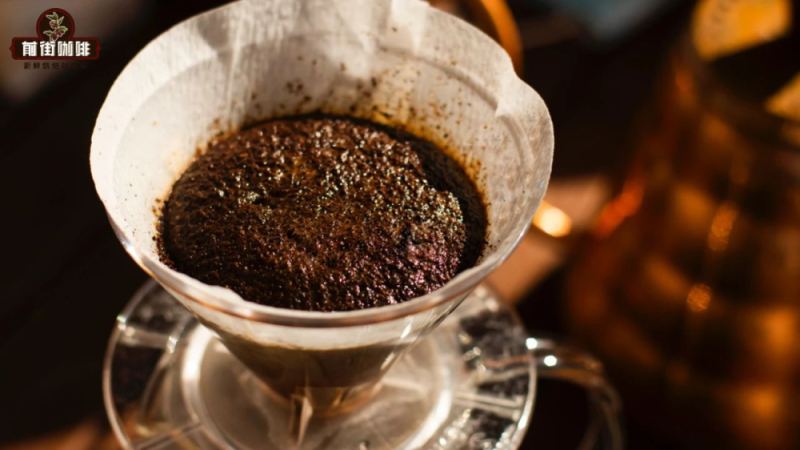
Deep-roasted coffee beans, with their rich, mellow character and long-lasting sweet aftertaste, have become the top choice for many who dislike acidity. This article first compiles an annual best-selling dark roast coffee list, covering five products—Front Street Golden Mandheling, Classic Italian Blend, Brazil Queen's Estate, Colombia Huila, and Specialty Italian Blend—and explains each one's flavor and roasting logic. Then, centering on the core question of "how to drink dark-roast espresso beans," it provides a complete and practical parameter guide, from the criteria for determining grind size, the key points of distributing and tamping, to extraction time, coffee-to-liquid ratio, and adjustment plans for abnormal flow rates, helping readers consistently make a balanced and delicious dark-roast espresso at home.
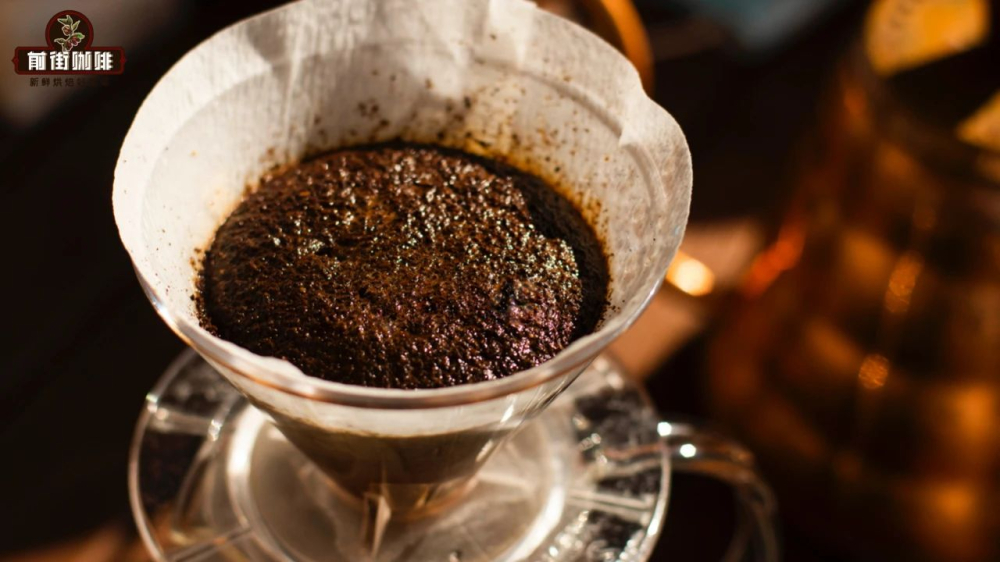
For a long time, roasters have often chosen to roast beans to a darker degree in order to give coffee a full, substantial taste. As the roasting process progresses, sugars undergo caramelization, so dark-roasted beans mostly carry aromas of dark chocolate, spices, caramel, cocoa, and maple syrup. Next, we have specially put together a list of dark-roast coffees worth trying for those who do not like acidity and prefer a rich mouthfeel, for everyone's reference.
Dark-roasted coffee beans are dropped at the latest time, with a heavy, solid flavor, concentrated aroma, and often a hint of smokiness. Its taste is centered on bitterness, interwoven with layers of caramel, spices, toast, and dark chocolate, and its sweet aftertaste is also the longest-lasting, making it very suitable for people with low tolerance for acidity. Based on best-seller data from major platforms, the following five dark-roast beans have been the most popular over the past year.
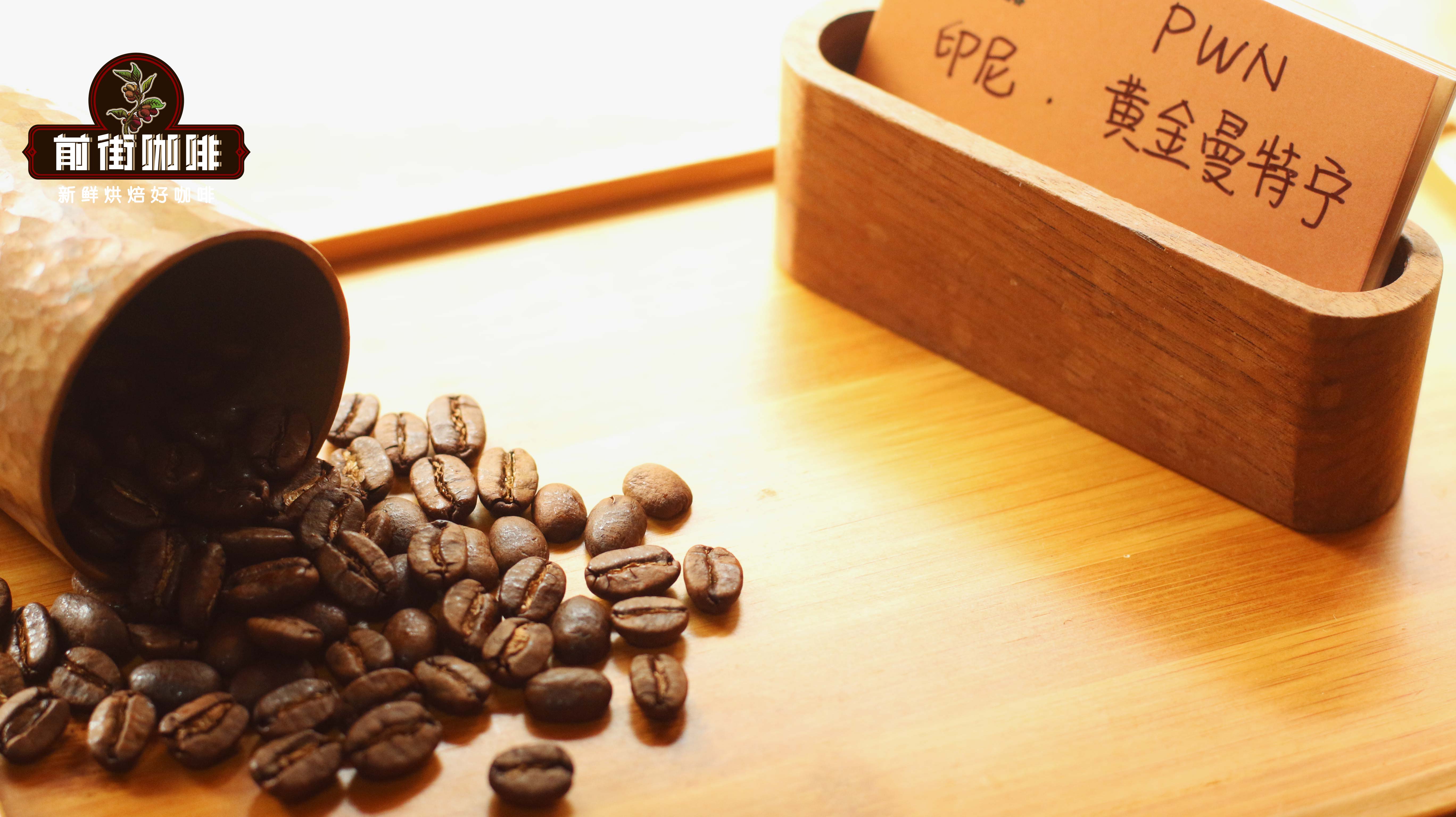
Dark-Roasted Coffee Bean ① Front Street. Front Street PWN Golden Mandheling
This Indonesian Mandheling from Front Street is a fairly typical dark-roast bean. Its base flavors are spices and herbs, with a rich, smooth body; dark roasting brings out the bean's own characteristics even more, while switching to a light roast would instead weaken its original personality, and the unique soul of Indonesian Mandheling would be completely lost. Compared with ordinary Mandheling, Front Street Golden Mandheling has also undergone three rounds of machine screening and manual sorting, thoroughly removing defective beans, greatly improving quality, tasting cleaner, and offering a more prominent sweet aftertaste.
Dark-Roasted Coffee Bean ② Front Street Classic Italian Blend
Front Street Classic Italian Blend introduces robusta beans on the basis of the traditional "Mamba recipe," bringing aromas of cocoa biscuits, chocolate, and nuts, while noticeably enhancing the crema, taking the richness of espresso to an even higher level. It is very suitable for home use, and makes latte art with excellent results.
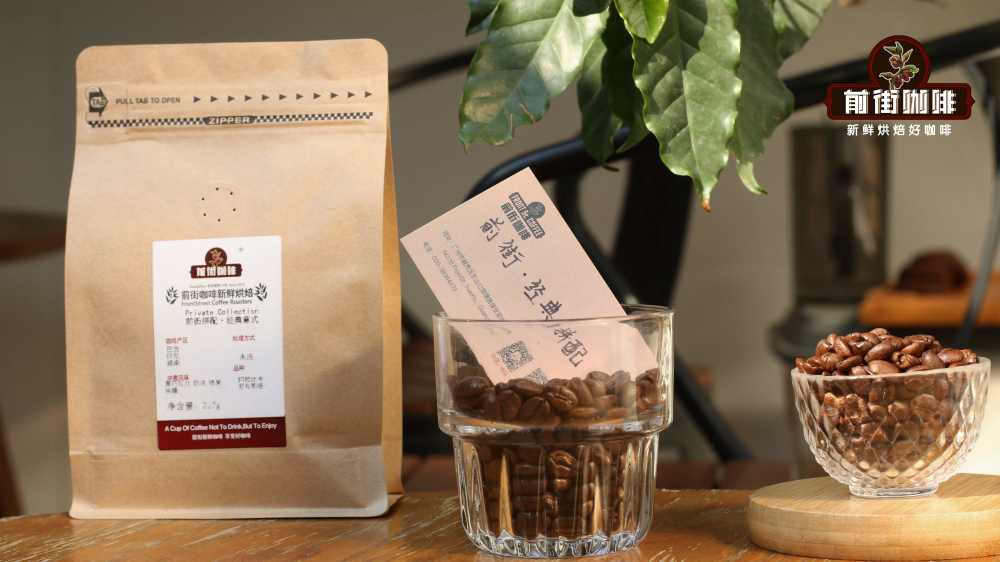
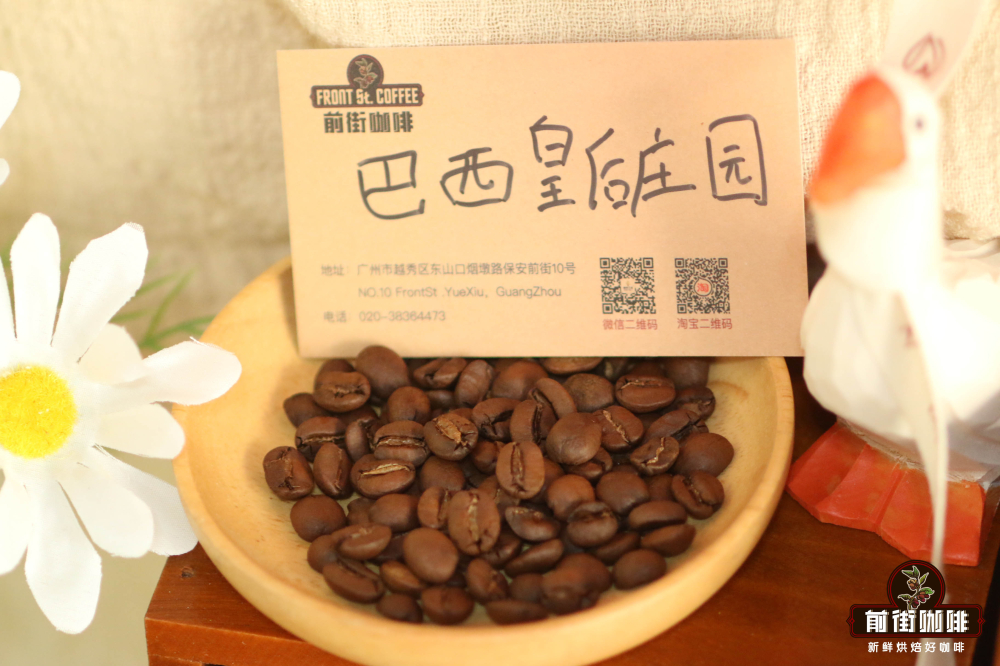
Dark-Roasted Coffee Bean ② Brazil - Front Street Queen's Estate
Brazil is the world's largest coffee-producing country, with about one-third of the world's coffee coming from here, and the main cultivated variety is Arabica. For many years, Brazil has remained firmly in the position of the world's number one coffee producer. Brazilian coffee usually has moderate acidity, with a relatively balanced combination of sweetness, bitterness, and richness; its strength is neither too high nor too low, and its mouthfeel is smooth yet distinctive, which is why it is called the backbone of coffee. Front Street Queen's Estate is located at a high altitude and grows the relatively rare Yellow Bourbon variety, and the coffee carries aromas of creamy chocolate, dark cocoa, and almonds.
Dark-Roasted Coffee Bean ④ Front Street. Colombia Huila
Front Street Colombia Huila uses the washed processing method common in the Americas, giving the beans a clean profile. To restore the classic Colombian flavor, Front Street roasts it to a medium-dark level, and after grinding and extraction one can sense rich aromas of creamy chocolate, caramel, cookies, and cocoa.
Dark-Roasted Coffee Bean ⑤ Front Street Specialty Italian Blend
Brazil and Colombia are both world-class coffee-producing countries, and their reputations have long been deeply rooted in people's minds. Front Street pairs beans from these two origins together: the nutty aroma and balance of Brazilian beans, plus the chocolate notes of Colombian beans, produce an effect far beyond that of a single bean type. The extracted espresso carries flavors of cream cookies, cocoa, and roasted nuts.
How do you brew a delicious dark-roast coffee bean?
1. Grinding espresso coffee beans
Beans with different roasting levels also require corresponding changes in grinding parameters, but overall they all need to be ground very fine. As for how fine? The basis for judgment is: when using 20 grams of grounds to extract 40 grams of double espresso, whether the time falls between 23 and 30 seconds, and at the same time taste whether the espresso is balanced and whether there are uncomfortable sensations such as burnt bitterness, sharp acidity, or throat irritation, then fine-tune accordingly. If you taste burnt bitterness, make the grind coarser; if you feel sharp acidity, make it finer.
2. Distributing the grounds
After the coffee grounds fall into the portafilter basket, the grounds need to be distributed first. This step is to spread the coffee particles evenly into every corner of the basket and reduce inconsistencies in the thickness of the coffee bed. Front Street recommends using a distribution tool as much as possible, as this more effectively ensures evenness.
3. Tamping
Many friends think that after distributing the grounds they can skip tamping, but in fact this step is crucial. Distribution only makes the coffee bed even, but there are still many gaps between particles, which cannot withstand the impact of high-pressure water flow during extraction and easily causes channeling. Tamping is precisely to compact the coffee bed so that the entire puck can withstand the pressure of the water flow. After tamping, check whether the coffee bed is level and whether one side is higher than the other. If it is uneven, the water flow will follow inertia toward the lower side, and the resulting espresso will be extracted unevenly.
4. Espresso extraction time and extraction ratio
Usually the extraction time is controlled at around 25 to 30 seconds, and the coffee-to-liquid ratio commonly uses 1:2, meaning 1 gram of coffee grounds corresponds to 2 milliliters of coffee liquid; for example, 18 grams of grounds extracts 36 grams of liquid. However, in practice adjustments are also made according to production needs. For example, to make Americanos and lattes richer in taste and fuller in flavor, Front Street's stores routinely use 20 grams of coffee grounds to extract 36 grams of coffee liquid.
5. Is the espresso flow rate too fast or too slow?
Flow rate is one of the most intuitive indicators for judging the state of espresso. If, according to the above 1:2 coffee-to-liquid ratio, the extraction time is shorter than 20 seconds, it means the flow rate is too fast, and the coffee liquid is very likely under-extracted, showing prominent acidity and a thin aroma. At this point, you can increase the coffee grounds by 0.3 to 0.5 grams, or adjust the grind 1 to 2 steps finer.
Conversely, if the time exceeds 35 seconds, it means the flow rate is too slow. If the coffee also tastes especially strong and bitter, that means it has been over-extracted, and you need to reduce the coffee grounds by 0.3 to 0.5 grams, or adjust the grind 1 to 2 steps coarser.
The above content is compiled by CoffeeHunters, a coffee news website.


