







Search Results for: Sasini Estate
Flavor Analysis of Kenyan Washed Coffee Beans: Are SASINI and Berman Estate Offerings Worth a Try?
Kenya, as a major producing region for specialty coffee in the world, is known for its washed beans with bright fruit acidity and rich sweetness. Starting from its planting history and geographical and climatic conditions, this article reviews the variety selection and unique processing methods of Kenyan coffee, and discusses the specific flavor performance of SASINI Estate and Berman Estate. At the same time, combined with recommendations from Front Street Coffee, it helps enthusiasts determine whether these two Kenyan washed beans match their personal taste preferences. [more…]
Kenya PB Round Bean Full Analysis: Sasini Estate Flavor Characteristics and 72-Hour Washed Processing Method
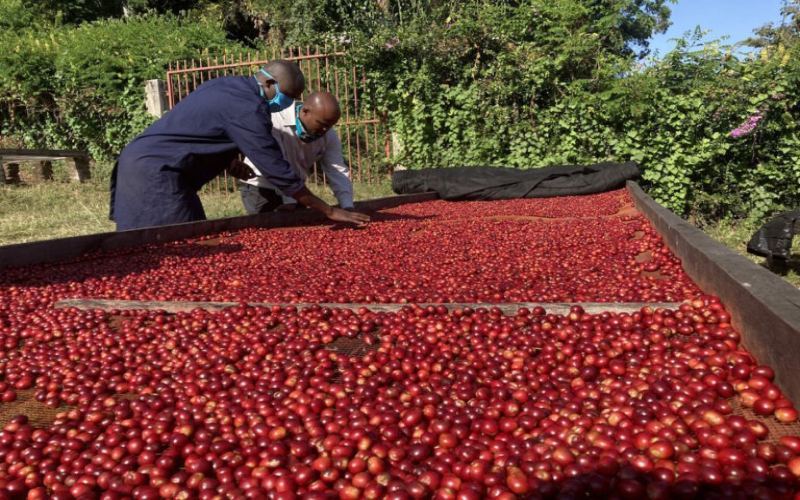
Although Kenya is not the birthplace of coffee, it has turned coffee into a pillar of its national economy thanks to its high altitude, fertile soil, and rigorous scientific research system. This article focuses on Kenya PB Peaberry, a unique variant, and sorts out its growing geography, variety origins (SL28 and SL34), and grading system, while also taking an in-depth look at the K72 washed processing method of Thunguri Estate. The pour-over parameters and three-stage brewing method recommended by Front Street Coffee will also be shared, so you can experience the full-bodied berry acidity and caramel aftertaste of Kenyan coffee. [more…]
Kenya AA Coffee Flavor Grade Analysis and Overview of Main Coffee Estates and Producing Regions
Kenyan coffee is renowned for its bright fruit acidity, full body, and complex flavors, and AA grade is the benchmark among them. This article is based on a five-day visit to Kenya's producing regions, starting from Nairobi and passing through Thika, Kiambu, and Nyeri, with on-site inspections of Sasini Estate, Jane's smallholder farm, and the Thika coffee processing plant, systematically sorting out Kenya's coffee growing conditions, variety characteristics, grade classifications, and washed processing methods. Whether you are interested in estate beans or smallholder beans, you can find answers here. Front Street Coffee also continues to recommend Kenya AA, and the information in this article can serve as a reference for purchases. [more…]
Kenyan Coffee Bean Grading and Variety Analysis: Flavor Differences Between AA and AB Grades and Brewing Guide for Two Front Street Coffee Beans
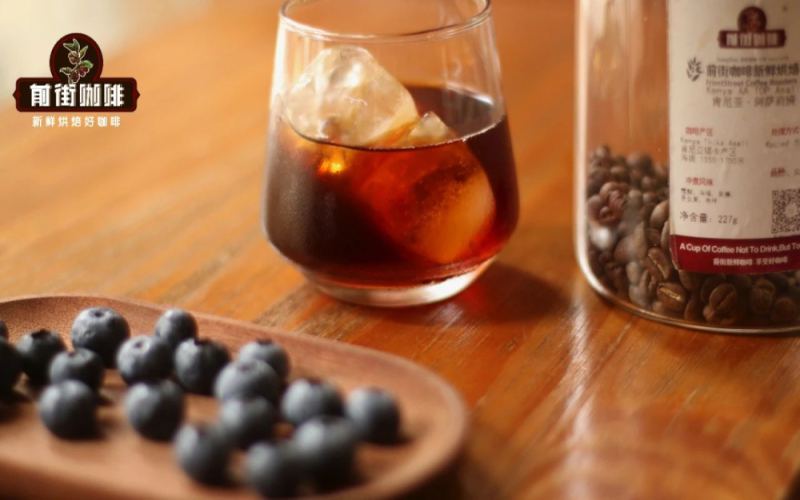
Kenyan coffee is renowned for its multilayered mouthfeel and juicy acidity, with its flavor core stemming from the two major varieties SL28 and SL34, as well as the unique K72 washed processing method. This article systematically reviews the history of variety selection and breeding, cultivation patterns, trading methods, and flavor differences across producing regions of Kenyan coffee, and provides a detailed interpretation of the origin information, flavor characteristics, and brewing parameters of Front Street Coffee's two Kenyan beans, Sathini and Azalea, helping coffee enthusiasts gain a more comprehensive understanding of the allure of Kenyan coffee. [more…]
Kenya Coffee Market Trends and Price Analysis: A Complete Overview of Varieties, Regions, Processing Methods, and Flavors
Kenyan coffee has always been a star in the specialty coffee world, thanks to its multi-layered taste and bright, juice-like acidity. This article examines the current market situation and prices of Kenyan coffee, systematically sorting out its varietal origins—the breeding history of SL28 and SL34, the positioning of Ruiru 11, and the coexistence of large estates and cooperatives in its cultivation model. It also explains in detail how the unique K72 washed processing method shapes intense acidity and delicate texture, introduces the two trading models of the Nairobi auction and direct trade, and reviews one by one the flavor differences of major producing regions such as Kiambu, Thika, and Nyeri. Finally, it includes product information and brewing suggestions for two Kenyan coffees from Front Street. [more…]
A Detailed Guide to Kenyan Coffee Varieties SL28 and SL34: Flavor Characteristics, Bean Origins, and Grading System
Kenyan coffee stands out among Africa's specialty regions with its bright and pleasant acidity, and behind this consistent quality lies the support of two iconic varieties: SL28 and SL34. This article, from the perspective of Front Street Coffee, traces the breeding history and variety characteristics of SL28 and SL34, compares their similarities and differences in flavor expression, and extends the discussion to later-developed varieties such as Ruiru11 and Batian. At the same time, the article will systematically explain Kenya's coffee bean grading system, including the traditional size-based classifications of AA, AB, and PB, as well as the new quality grading procedures established by the Kenya coffee research institute. Finally, it includes detailed information, roasting parameters, and brewing suggestions for two Front Street beans—Kenya Asalia and Sachini PB—for coffee enthusiasts' reference. [more…]
Kenya PB Peaberry Flavor Analysis: A Complete Guide from Grading System to SL28 Variety and V60 Brewing
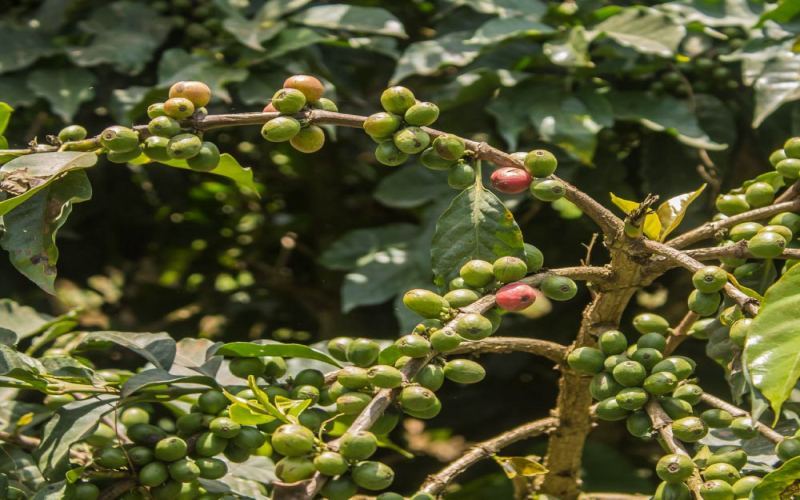
Kenyan coffee has always been known for its bright fruit acidity and rich mouthfeel, but there are also plenty of questions surrounding it: What exactly do AA and PB stand for? What is the story behind SL28? Starting from Front Street Coffee's store experience, this article systematically sorts out Kenya's coffee grading system, explains in detail the origin and characteristics of PB peaberry, introduces the historical background and flavor performance of the SL28 variety, and uses two beans—Sasini Estate PB and Front Street Azalea—as examples to provide complete V60 brewing parameters and tasting notes, helping coffee lovers fully understand the unique charm of Kenyan coffee. [more…]

A Comprehensive Guide to Kenyan Coffee Beans: An In-Depth Analysis of the AA Grading System and the K72 Washing Process
Kenyan coffee is renowned worldwide for its intense, full-bodied fruity acidity and rich fruit flavors, and its unique grading system and processing methods have always been a focal point for coffee enthusiasts. This article will systematically review the development history, cultivation models, variety composition, and regional characteristics of Kenyan coffee, provide a detailed interpretation of the complete grading system from E to T, and deeply analyze the flavor differences between AA and AB grades. At the same time, Front Street Coffee will share roasting suggestions and pour-over parameters for two beans, the Kenyan Asaliya and the Sasini Estate PB, taking you through every step of Kenyan coffee from seed to cup. [more…]
A Complete Guide to Kenya K72 Washed Processing: SL28 and Other Variety Distribution, Flavor Characteristics, and Brewing Guide
Kenyan coffee is famous in the specialty coffee world for its bright, clean acidity. Its iconic K72 washed processing method, together with varieties such as SL28 and SL34, creates its unique flavor. From the perspective of Front Street Coffee, this article systematically reviews the complete process of Kenyan-style 72-hour fermentation washing, analyzes the origins and characteristics of major varieties such as SL28, SL34, Ruiru11, and Batian, introduces Kenya's coffee growing conditions and grading system, and includes the roasting curves and brewing parameters for two Front Street beans, Kenya Asaliya and Sasini PB, to help coffee lovers fully understand the flavor code of Kenyan coffee. [more…]

A Complete Guide to Kenyan Coffee Regions: Tracing the Origins of the SL Series Varietals and the Flavor Characteristics of K72 Washed Processing
Kenyan coffee has long been renowned worldwide for its distinct fruity aromas, bright acidity, and multi-layered mouthfeel, making it an irreplaceable classic origin in the hearts of many coffee lovers. This article will systematically outline the lineage of Kenyan coffee varieties—from SL28 and SL34 to the breeding history of Batian and Ruiru11—explain in detail the 72-hour cyclic fermentation process of the K72 washed processing method, and introduce one by one the terroir characteristics and cupping performance of six major production regions: Thika, Kirinyaga, Nyeri, Kiambu, Muranga, and the western side of Mount Kenya. At the same time, it brings the detailed parameters and flavor descriptions of two Front Street single-origin Kenyan coffees—Sasini Estate PB and Athalia—providing coffee enthusiasts with a complete cognitive framework and purchasing reference for Kenyan coffee. [more…]
A Complete Analysis of African Coffee Origins, Flavors, and Processing Methods: Bean Characteristics of Ethiopia, Kenya, and Other Countries
As the continent of coffee's origin, Africa produces beans renowned worldwide for their bold aromas and lively fruit acidity. Due to arid climates, the natural process has become a traditional choice in many producing regions; while the bean shape may not be perfect, it gives rise to richly layered flavors. From Ethiopia's Yirgacheffe to Kenya's SL28, from Burundi's double washing to Rwanda's Bourbon, each producing region has a unique terroir expression. This article systematically reviews the cultivation patterns, processing techniques, and flavor characteristics of Africa's major coffee-producing countries, and introduces several representative African single-origin coffees from Front Street Coffee, guiding you to a deeper understanding of this continent's coffee charm. [more…]
A Comprehensive Analysis of Kenya K72 Double Washed Processing: From Fermentation Process to SL Varieties and Flavor Origins
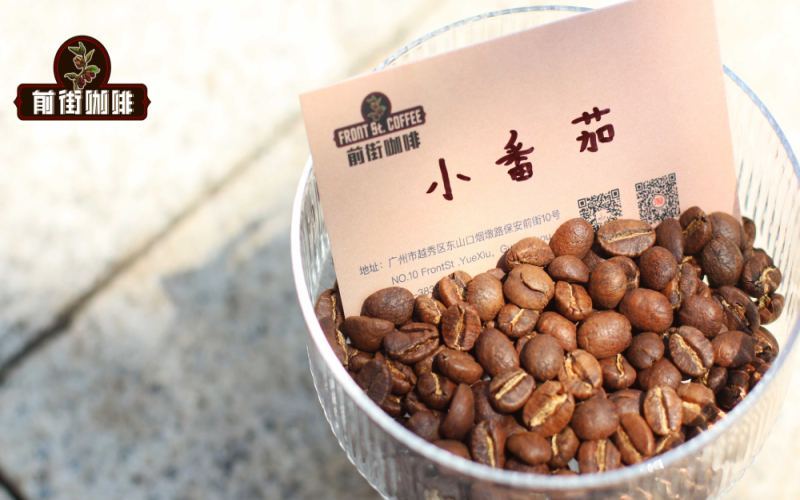
Kenyan coffee is renowned for its bright, clean acidity and deep berry flavors, and behind this lies the widespread use of the double washed process locally, with the K72 method being particularly iconic. From the perspective of Front Street Coffee, this article systematically outlines the complete process of the Kenyan-style 72-hour fermentation washed method, including the specific operations and roles of the two rounds of washing and fermentation; it also introduces Kenya's growing conditions, the origins and characteristics of the main varieties SL28, SL34, Ruiru11, and Batian, as well as the grading system for Kenyan coffee beans. At the end, it also includes the roasting curves, brewing parameters, and flavor descriptions for two Front Street beans, Kenya Small Tomato and Sachini PB, helping coffee enthusiasts fully understand the logic behind the formation of Kenyan coffee flavors. [more…]
A Detailed Guide to Kenyan Coffee Bean Grading: What Exactly Is the Difference Between AA TOP and AA?
Kenyan coffee is renowned worldwide for its bright, intense fruit acidity and full, robust body, while its grading system—AA, AB, PB, and so on—often leaves enthusiasts confused. What exactly is the difference between AA and AA TOP? Does the grading standard look only at bean size, or does it also take cup profile into account? This article sorts through Kenya's coffee history, growing conditions, variety selection, regional characteristics, grading system, and auction trading model one by one, and combines tasting examples from several Kenyan beans at Front Street Coffee to help readers clarify the real difference between AA and AA TOP. [more…]
Exploring Kenya's K72 Washed Processing Method: How SL28 and SL34 Create Explosive Fruit Flavors
In the ever-diversifying wave of specialty coffee processing methods, Kenya's K72 washed process stands out with its unique three-cycle fermentation technique, becoming the key to shaping bright, clean flavors. This article will provide an in-depth analysis of the complete K72 process, from green bean selection to raised-bed sun drying, revealing how it imparts coffee beans with vibrant fruit acidity and delicate layers. At the same time, the article will systematically review Kenya's growing conditions, the origins and characteristics of the main varieties SL28 and SL34, and Kenya's coffee grading system. Finally, Front Street Coffee will share the roasting and brewing data for two Kenyan beans, taking you on a comprehensive journey through the signature cherry tomato and smoked plum flavors of Kenyan coffee. [more…]
A Detailed Guide to Kenyan Coffee Bean Flavor Grading: A Full Breakdown of SL Varieties, K72 Washed Processing, and Light Roast Brewing Techniques
Kenyan coffee is renowned for its bright fruity acidity, and the cherry-tomato-like acidity in particular has captivated countless coffee lovers. Front Street Coffee has brought in many Kenyan beans over the years, and the response has always been positive. This article will systematically examine the factors behind Kenyan coffee's flavor, from terroir and variety characteristics to the grading system and the K72 washed processing method, and will also include the roasting curves and brewing parameters for the Kenyan beans currently sold by Front Street. Whether you are a beginner just getting to know Kenyan beans or an enthusiast looking to refine your brewing technique, you will find practical references here. [more…]
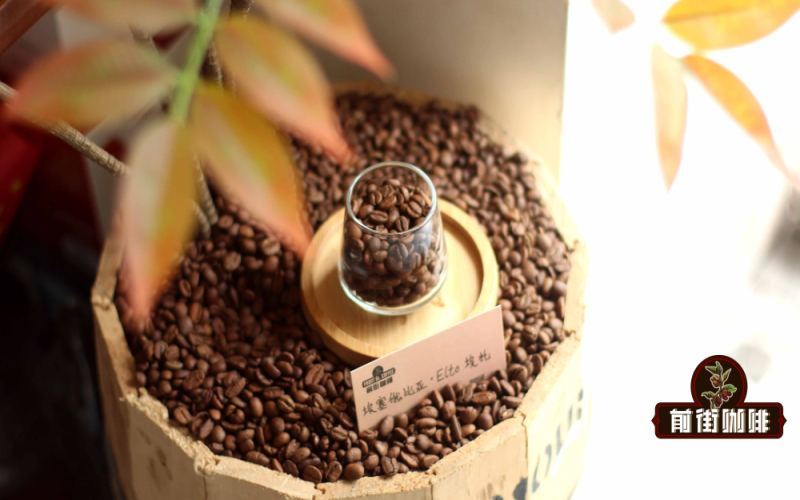
What makes Kenyan PB round beans unique? An analysis of Kenyan coffee grading and the K72 processing method
Kenyan coffee stands out in Africa with its distinctive cherry tomato acidity and bright cup profile, thanks in large part to the two major varieties SL28 and SL34. This article focuses on Kenyan PB round beans, outlining the high-altitude growing conditions of Kenyan coffee, the unique K72 washed fermentation process, and the eight-tier grading system based on bean size. It also compares the flavor differences among common grades such as PB, AA, and AB, and, drawing on three beans listed by Front Street Coffee—Sasini Estate PB round beans, Asali AA, and Gachatha Cooperative AB—shares practical brewing parameters and cupping performance to help coffee lovers gain a more comprehensive understanding of what makes Kenyan coffee so captivating. [more…]
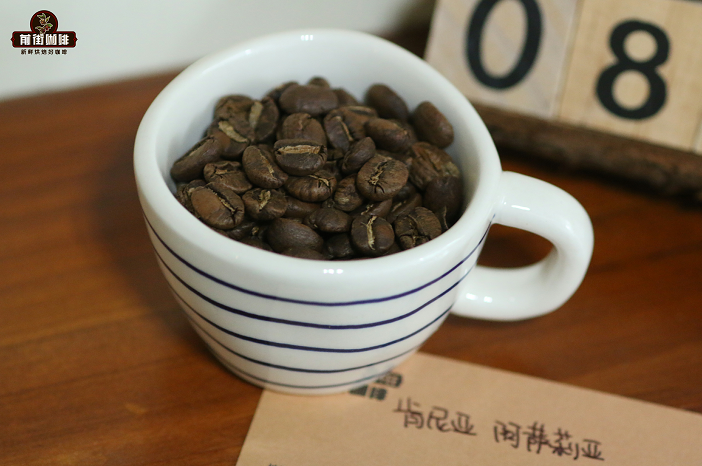
Kenya Coffee Characteristics | What Coffee Varieties Are Grown in Kenya? How to Make Pour-Over Black Coffee with Washed Kenya AA, and How to Describe the Coffee Flavor?
Front Street Coffee: Kenya Asaliya Coffee Beans Region: Kenya, Thika Region, Asali Processing Plant Altitude: 1550-1750m Processing Method: Washed Variety: SL28 & SL34 Flavor: Snow Pear, Smoked Plum, Yellow Sugar [more…]
Complete Guide to Kenya PB Round Beans: From SL28 and SL34 Varieties to the K72 Washed Process
Although Kenya is not the birthplace of coffee, its high altitude, large day-night temperature difference, and phosphorus-rich soil give rise to coffee beans with a distinct flavor. This article will guide you through Kenya's coffee-growing geography, the origins of the SL28 and SL34 varieties, the AA and AB grade classifications, and exactly what the unique PB round beans are. At the same time, we will also introduce the Kenya 72-hour washed processing method (K72) recommended by Front Street Coffee, and how to brew a cup of Kenyan coffee with bright acidity and rich layers using the pour-over method. [more…]
Kenyan Coffee Beans: Analyzing SL28 and SL34 Varieties and Flavor Differences Across AA, AB, and PB Grades
As a major coffee-producing country in East Africa, Kenya is renowned worldwide for its bright fruity acidity and rich aroma. From the perspective of Front Street Coffee, this article systematically reviews the terroir, historical context, and variety origins of Kenyan coffee, with a focus on analyzing the background and flavor characteristics of the two classic varieties SL28 and SL34. It also breaks down in detail the origins and differences of the grading systems such as AA, AB, and PB, introduces the K72 washed processing method and the characteristics of the seven major producing regions, and finally provides Front Street's brewing suggestions and flavor descriptions for Kenyan coffee, offering coffee enthusiasts a complete knowledge map of Kenyan coffee. [more…]
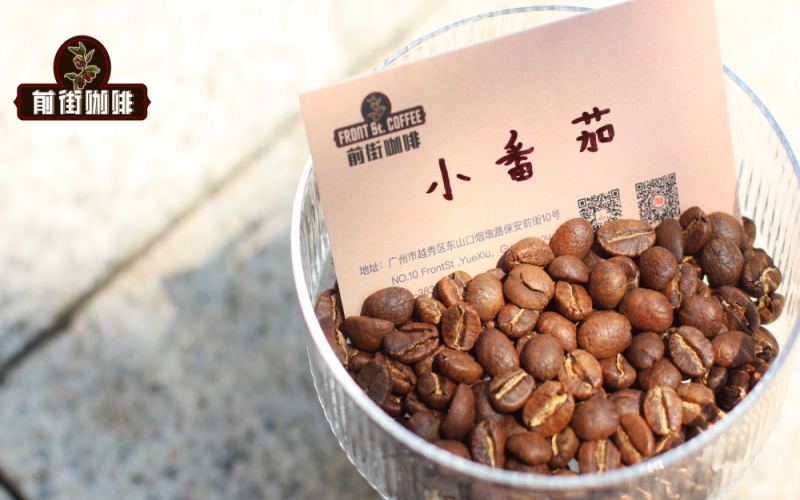
Analyzing the Causes of Kenyan Coffee Acidity: A Complete Guide to K72 Washed Processing and Pour-Over Parameters
Kenyan coffee's acidity has long been praised, and even Japanese consumers, who prefer a rich and mellow taste, are very fond of dark-roasted Kenyan coffee. Where does this distinct and substantial acidity come from? Front Street Coffee takes you back through the development of Kenyan coffee, from variety selection during the British colonial period and the natural advantages of red soil to its unique grading system and the K72 washing process, uncovering the secrets of Kenyan coffee's acidity layer by layer. At the same time, Front Street also shares the pour-over parameters and brewing details for Kenyan coffee beans, helping you preserve a tomato-like acidity while maintaining a rich and mellow feel, so you can brew a fascinating cup of Kenyan coffee. [more…]