








How Does the Coffee Association Grade Kenyan Beans?
Kenyan coffee beans are graded from E down to T, and the AA grade is the largest screen size among the top lots. AA and AB lots share the same bright, full-bodied fruity acidity that made Kenya famous, but AA beans tend to be larger and more uniform. Kenya also uses the K72 washing process, a long fermentation that shapes the intense fruit character.
Kenya only began cultivating coffee in the 20th century, under British colonial rule, and growers were first pushed to plant for foreign exchange income. Coffee association grading then separated lots by bean size and quality. Kenya's acidity is stronger and fuller than Ethiopia's lighter, more transparent style, so newcomers are often advised to start with Ethiopian beans before moving to Kenyan lots such as Asaliya and Sasini Estate PB.
Kenyan coffee is renowned worldwide for its intense, full-bodied fruity acidity and rich fruit flavors, and its unique grading system and processing methods have always been a focus of attention for coffee enthusiasts. This article will systematically sort out the development history, cultivation models, variety composition, and regional characteristics of Kenyan coffee, provide a detailed interpretation of the complete grading system from E grade to T grade, and deeply analyze the flavor differences between AA and AB grades. At the same time, Front Street Coffee will share roasting suggestions and pour-over parameters for two beans, the Kenyan Asaliya and the Sasini Estate PB, taking you through every step of Kenyan coffee from seed to cup.

For more specialty coffee knowledge, please follow the WeChat public account: Front Street Coffee (FrontStreet Coffee)
Front Street Kenyan coffee beans exude a captivating and pleasant aroma, with balanced and moderate acidity, uniform and plump beans, and excellent fruit flavor performance. Front Street once compared Kenyan coffee beans with those from neighboring Ethiopia and found that although both center on fruity acidity, their styles are completely different—Kenya's acidity is strong and full-bodied, while Ethiopia's presents a light and transparent acidity. If you are new to African coffee, Front Street suggests starting with Ethiopian coffee beans and then gradually transitioning to Kenyan coffee beans.
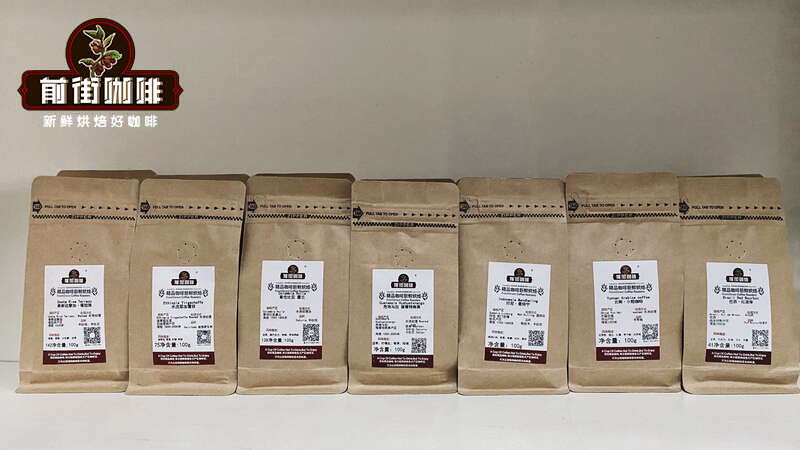
When it comes to the topic of choosing beans for beginners, many friends consult Front Street about how to select coffee beans. Front Street has a daily drinking bean series in its Guangzhou physical store and on its online Taobao shop, covering seven items: Front Street Ethiopia Yirgacheffe, Front Street Brazil Cerrado, Front Street Colombia Huila, Front Street Indonesia Mandheling, Front Street Costa Rica Tarrazu, Front Street Guatemala Huehuetenango, and Front Street Yunnan small-batch coffee, covering the world's major coffee-producing regions.
The Development Trajectory of Kenyan Coffee
Kenya is located in East Africa, adjacent to Ethiopia. Compared with Ethiopia's long coffee history, Kenya did not introduce coffee cultivation until nearly the 20th century. When coffee was introduced to Kenya, the country was under British colonial rule. To obtain foreign exchange income, the colonial government widely promoted coffee cultivation in Kenya, and the harvested coffee beans were shipped to London for export trade.
In 1922, Kenya established the Scott Agricultural Laboratories (Scott Labs, from which the names SL28 and SL34 are derived), specializing in coffee cultivation research. Over the following decade or so, researchers selected SL28 and SL34, which were suitable for cultivation in local producing areas, from 42 coffee varieties, laying a good foundation for the coffee industry. To this day, these two varieties still account for 90% of Kenya's planted area.
The Kenyan government attaches great importance to the coffee sales process. In 1931, the Kenya Planters Co-operative Union and the Kenya National Coffee Board were established one after another, guiding the coffee industry toward standardization from both the civilian and government levels. In 1937, the Nairobi Coffee Exchange was established, and Kenya's coffee auction system was officially launched. High-quality coffee was thus able to obtain premium prices, setting a benchmark for pricing in the industry. In 1938, the Kenyan government promulgated a coffee grading system, namely the AA, AB, PB, and other grades widely known today. This system provided the basis for evaluating the quality of Front Street Kenyan coffee.
The Cultivation Conditions of Kenyan Coffee
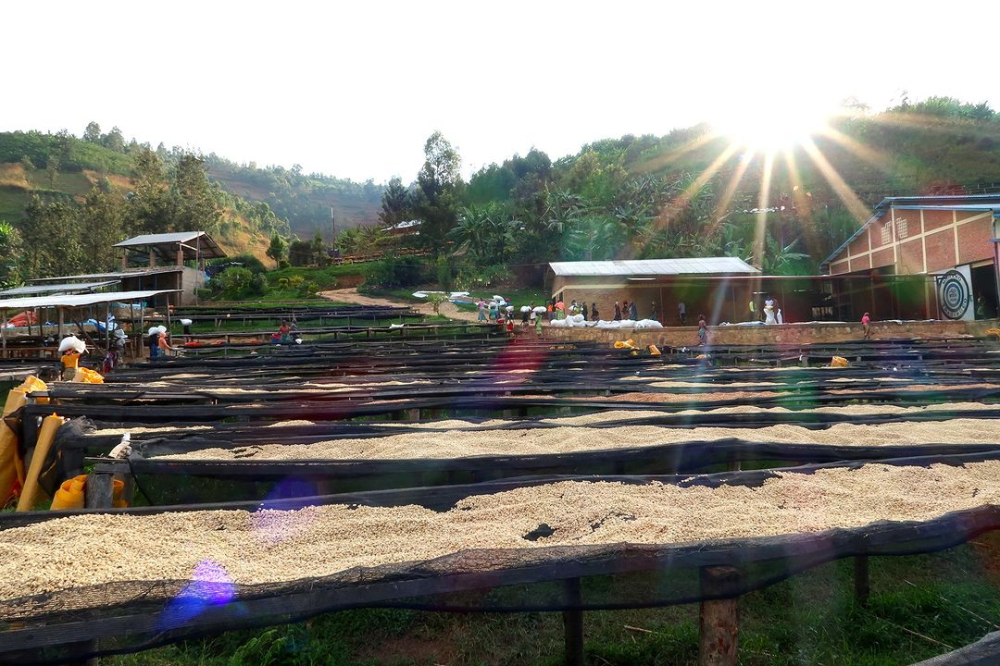
Kenyan coffee is mostly grown in the fertile, loose, acidic volcanic red soil of the highlands north and east of Nairobi. The producing areas have abundant sunlight, excellent drainage, and elevations between 1,400 and 2,000 meters. The higher the altitude, the greater the temperature difference between day and night. As a result, Kenyan coffee's ripening cycle is longer than that of lower-altitude producing areas, creating higher bean density and richer flavor.
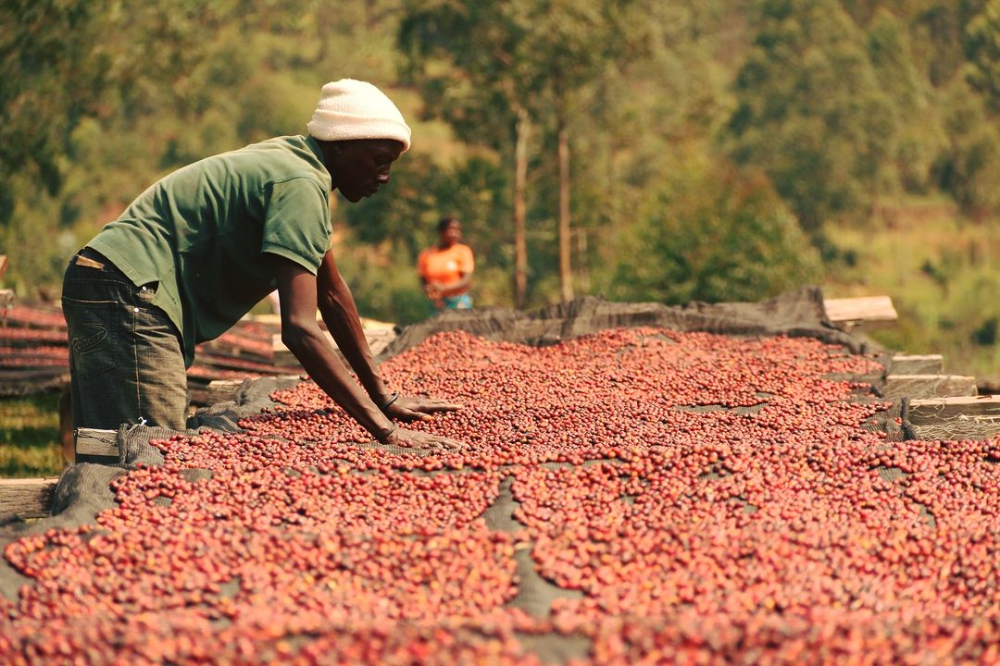
Front Street Kenyan coffee usually flowers after rainfall, with the flowering period concentrated in March and April. Coffee cherries (the fruit) gradually mature from May to July, and a second maturation period occurs in September and October, so two harvests can be obtained each year.
Distribution of Kenyan Coffee Producing Areas
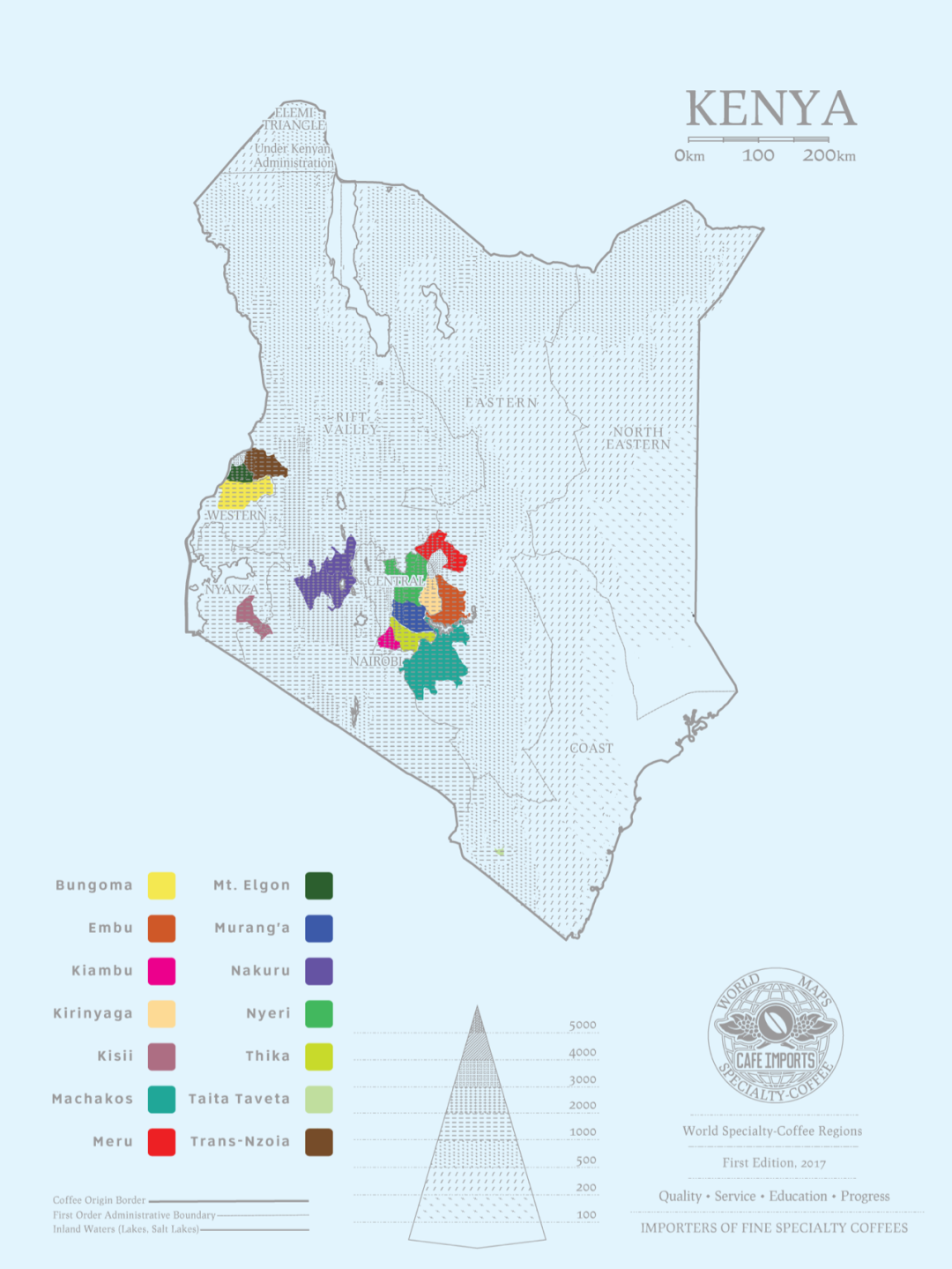
Kenyan coffee producing areas are mainly concentrated in the central and western regions. The central producing areas include Kiambu, Nyeri, Kirinyaga, Muranga, Embu, Machakos, Ruiru, and Thika; the western producing areas include Kisii and the Bungoma area located on Mt. Elgon.
Front Street Coffee (FrontStreet Coffee) regularly updates the coffee producing areas on its bean list, and Kenya is naturally no exception. Last month, Front Street Coffee (FrontStreet Coffee) introduced a batch of Kenyan coffee beans from different producing areas. After tasting them through multiple stages including roasting, cupping, and pour-over, it found that each producing area had its own unique performance.
Kiambu and Muranga perform with relatively bright and full-bodied acidity.
Nyeri has bright citrus and floral aromas. Compared with Ethiopia's Yirgacheffe, it is still slightly inferior, but it carries the full-bodied acidity of berries.
Kirinyaga's acidity also tends toward bright and full-bodied, and it carries a delicate sweetness.
Embu's acidity is not as full-bodied and strong as that of the previous producing areas, and its flavor tends toward balance and a long finish.
Machakos also performs outstandingly in acidity, with a delicate mouthfeel and a long aftertaste, and it is gradually attracting the attention of coffee buyers.
The biggest difference between Kisii and Bungoma and other producing areas is that they stand out for fruit sweetness, with soft acidity and nutty flavors.
The Cultivation Models of Kenyan Coffee
Kenyan coffee consists of two major cultivation systems: large estates, with more than 3,000 large farms, which account for about 25% of Kenya's coffee-growing land. The other 75% is agricultural cooperatives, totaling 270 cooperatives composed of a total of 700,000 smallholder farmers.
In the 1960s, smallholder cooperatives began building shared processing plants, enabling them to complete coffee harvesting and processing just like large estates. Front Street Coffee (FrontStreet Coffee) believes that this model allows coffee farmers to focus more on cultivation and production. Ethiopia's main cultivation model is likewise smallholder cooperatives. The Front Street Yirgacheffe Konga Cooperative coffee beans previously introduced by Front Street demonstrated outstanding floral and fruity aromas.
Overview of Kenyan Coffee Varieties
Common coffee varieties in Kenya include SL28, SL34, and Ruiru11.
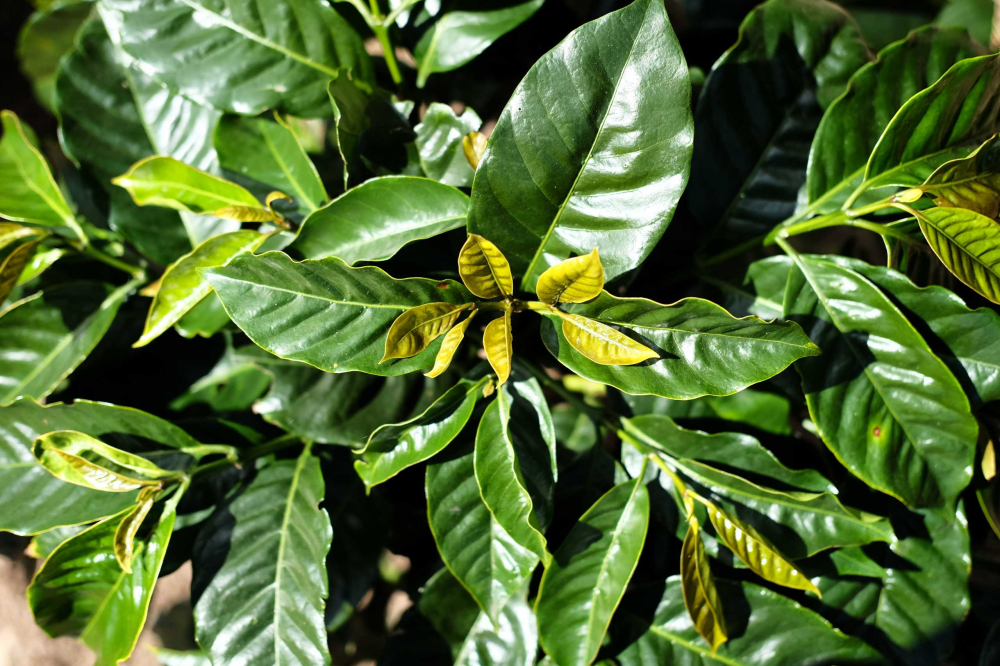
In 1922, Kenya established the Scott Agricultural Laboratories (Scott Labs) to conduct coffee cultivation research. Over more than 10 years after its establishment, the laboratory selected SL28 and SL34, which were suitable for cultivation in the producing areas, from 42 types of coffee, providing a good start for the development of the coffee industry. Both SL28 and SL34 are varieties selected after multiple rounds of breeding. SL28 belongs to the Bourbon genetic group and carries the bright tonality and rich acidity of the original Bourbon. SL34's lineage is closer to the Typica gene, and its acidity is milder than that of SL28. SL28 and SL34 currently account for 90% of Kenya's production. South America is also actively introducing SL28 as a cultivated variety, and the Asaliya coffee that Front Street likes very much is precisely composed of these two numbered varieties.
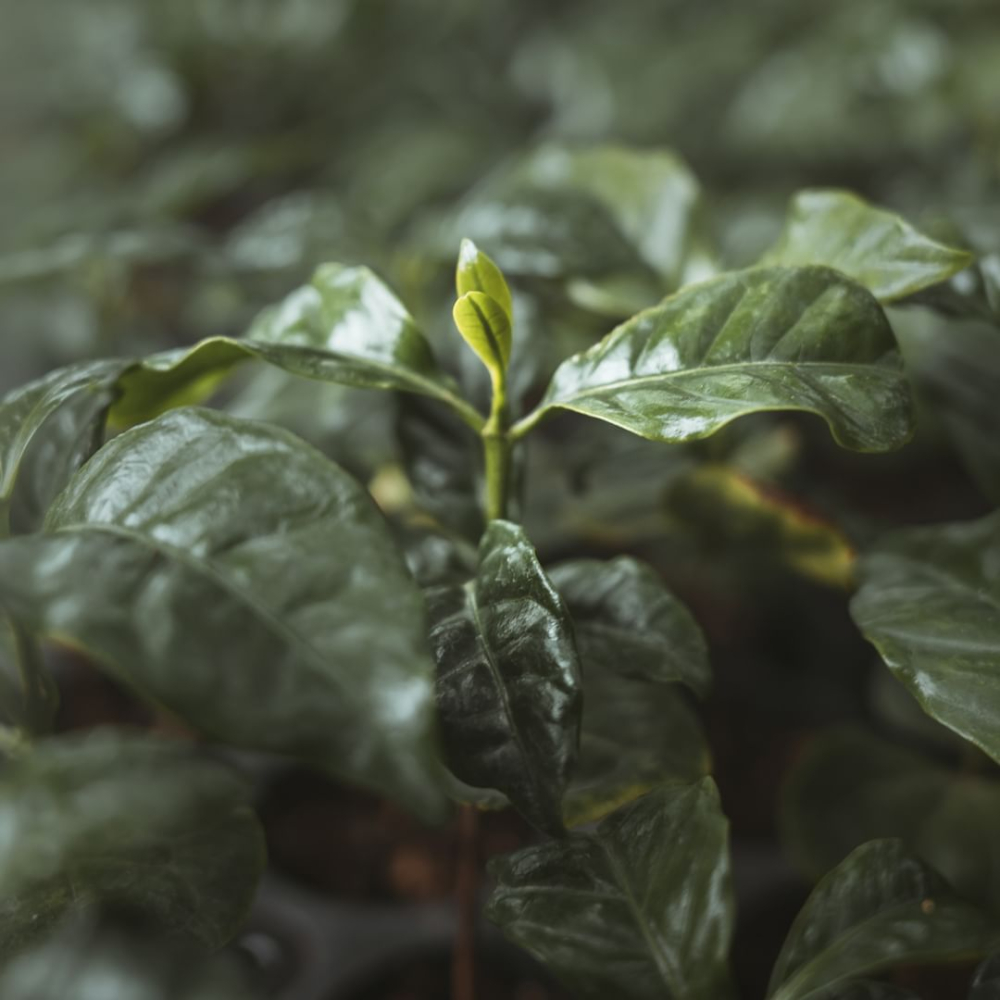
The birth of Ruiru11 stemmed from a large-scale global outbreak of coffee leaf rust. At that time, many Arabica varieties were deeply affected by the disease. To ensure that coffee production would not decline, researchers developed the hybrid variety Ruiru11. This variety performs outstandingly in disease resistance, but its flavor quality is far inferior to that of SL28 and SL34.
Detailed Explanation of Kenya's Coffee Grading System
Kenya classifies grades based on coffee bean size and cupping results. According to bean size, shape, and hardness, from high to low, the order is E, AA or AA+, AB, C, PB, TT, and T.
E (Elephant Bean): Here "E" stands for Elephant, but it is not the Maragogype elephant bean among coffee varieties. It is a bean that, due to abnormal development, has two seeds intertwined with each other, forming what looks like "a single bean," and it is considered a defect. Generally, a fruit contains two seeds facing each other and pressed together, so one side is flat, and these are called flat beans or female beans. E-grade beans are beans in which the two seeds merge and stick together during growth, becoming extremely large. E-grade beans are about 18 screen size (one screen is 1/64 inch) or larger, and they are rare in number.
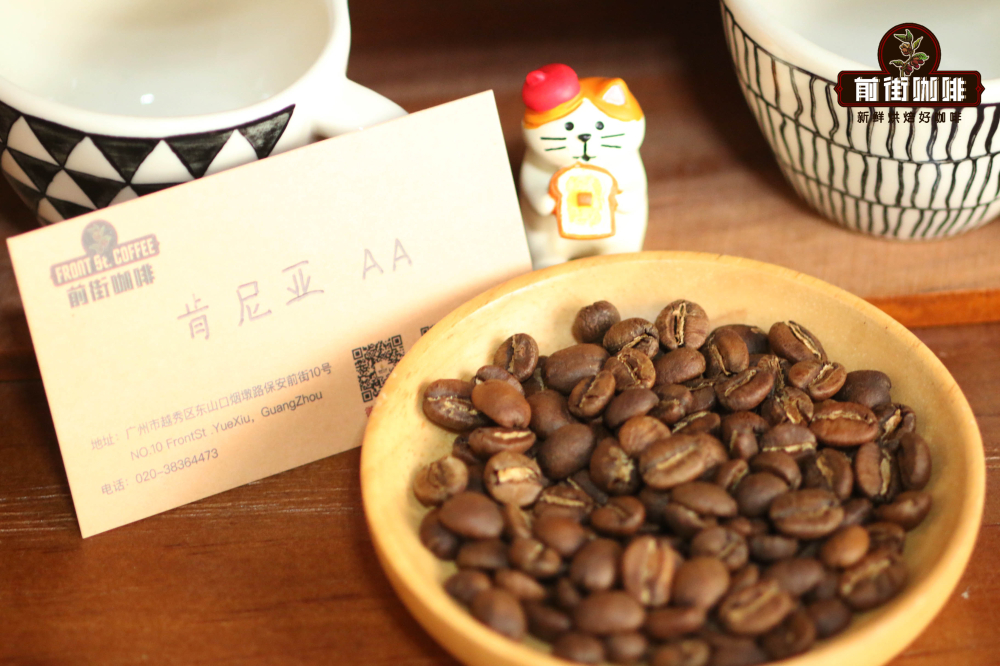
AA: This grade's size is about 17–18 screen size (about 6.7–7.1 mm). It is the Kenyan coffee grade most people have heard of, and in specialty coffee it is usually called AA TOP. It is also a bean that most coffee shops will promote, but AA does not necessarily mean the best; this is only bean size and cannot be confused with flavor.
Front Street Coffee (FrontStreet Coffee) Kenyan Sasini Coffee Beans AA Grade
AB: Most coffee beans fall into this grade. It is called AB mainly because A's screen size is 6.80 mm, while B's is 6.20 mm, and these two sizes of coffee beans (A grade and B grade) are sold mixed together, so it is called AB, with a size of about 15–16 screen size (about 6.0–6.4 mm). Front Street Coffee (FrontStreet Coffee) Kenyan Asaliya Coffee Beans AA TOP Grade
C: The bean size is roughly between 14–15 screen size (about 5.6–6.0 mm), a bit smaller than B grade.
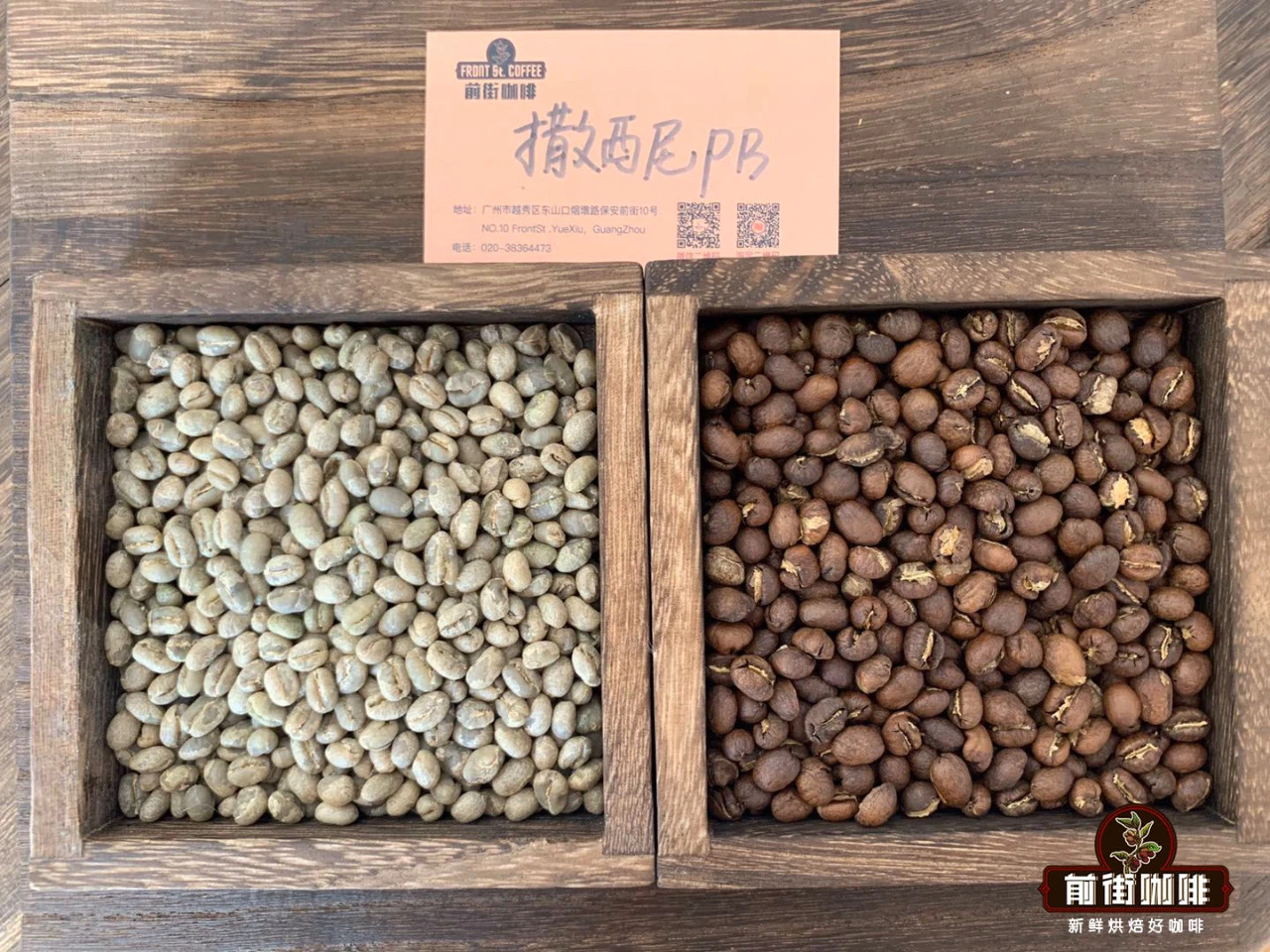
PB: The full name is Peaberry, also called small round bean, and it can also be called male bean. Compared with ordinary flat beans, this is also quite rare, accounting for about 10% of all coffee beans. It is mainly because only one seed develops fully inside the fruit that a small, round bean is obtained. Some people particularly love the flavor of PB, so they sort out PB and sell it separately.
Front Street Coffee (FrontStreet Coffee) Kenyan Sasini Coffee Beans PB Grade
TT: This type of coffee bean is a light bean screened out from AA and AB beans through an airflow separator. It is usually light in weight and does not meet hardness standards, and it also contains broken and defective beans.
T: Lightweight beans screened out from C-grade beans, mixed with damaged beans and even fragments of broken beans.
There is also another grade, MH/ML: This type of coffee bean is not exported. It is usually overripe coffee that has fallen to the ground, of poor quality, accounting for about 7% of all coffee beans, and it is only supplied to Kenya's domestic market.
For green coffee beans of AA grade and AB grade, an additional special grading based on cupping results has been added (not officially recognized by the Kenyan state, but established by exporters), from high to low as TOP, PLUS (+), and FAQ. The flavor level of the Front Street Kenyan Asaliya on Front Street Coffee's (FrontStreet Coffee) bean list has reached TOP grade. However, as mentioned earlier, this is not an officially recognized grading system. Among the coffee beans from several Kenyan producing areas that Front Street Coffee (FrontStreet Coffee) purchased, not every one carries a flavor grade, so there is no need to dwell too much on this. Generally, once beans reach AA grade and AB grade, their flavor is in fact already considered very high quality by default.
Front Street Coffee (FrontStreet Coffee) Kenyan Asaliya Coffee Beans AA TOP Grade
The Kenyan Auction System
Front Street Coffee (FrontStreet Coffee) mentioned earlier that in Kenya's colonial history, local farmers actually did not benefit much from coffee, which can be regarded as a dark moment in Kenya's coffee cultivation history. In 1931, in order to help coffee farmers obtain better prices and income and no longer be constrained by distant overseas traders, the government established the Kenya Planters Co-operative Union and the Kenya National Coffee Board, and established an auction mechanism. In 1937, the Nairobi Coffee Exchange was established. By this time, the auction trading system had become more widespread and widely supported.
Most coffee beans are uniformly graded and inspected by the Kenya Coffee Board and then sold at auction. The public auction system can be traced back to before 1934. The auction method adopted an agent system. Kenya had 50 licensed agents who sent sample beans to their respective clients for cupping. Clients could bid at auction through agents for the coffees they liked. However, this method seemed to encourage intermediary agents and erode farmers' income, so in 2006 Kenya opened up 32 independent sales agents who could directly contact foreign coffee buyers without going through the auction.
However, all of these must meet the Kenya Coffee Board's standards for quality, storage, and bank guarantees. The two systems operate in parallel at the same time. After years of development, this has become the most transparent auction distribution system. Coffee of better quality can obtain better prices through cupping, encouraging more cooperatives and estates to participate. Front Street Coffee (FrontStreet Coffee) also pays close attention to the coffee auction market. This not only helps to understand changes in the local coffee market, but the improvement of the auction mechanism ultimately benefits not only coffee farmers, but also buyers from around the world.
Two Core Trading Methods for Kenyan Coffee Beans
① Nairobi Coffee Exchange auction (central auction system); 85% of coffee beans are traded through the auction system.
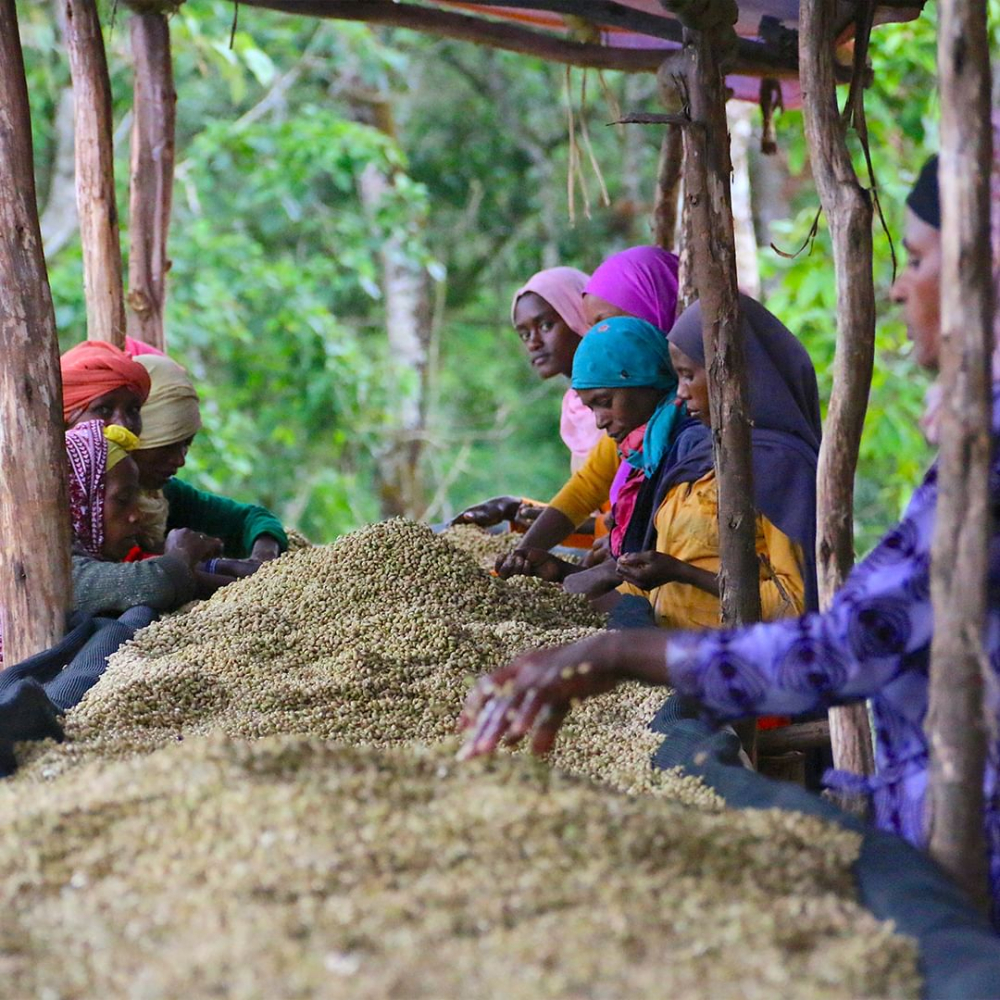
Since the auction system was established in the 1930s, the vast majority of Kenyan coffee has been traded in this way. Coffee auctions are held every Tuesday during the harvest season. It is an auction system developed from an "open outcry" auction system, in which each trader bids by pressing an electric trigger. Through this system, because agents compete with one another, the prices of high-quality, highly popular coffees soar.
② Direct trade (usually called the "second window"); only 15% of coffee beans are traded through this direct trade model.
After 2006, the Kenyan government allowed farmers and foreign buyers (such as roasters or importers) to trade directly, and a price different from the auction price could be discussed and determined before or during the harvest. Some exporters also buy coffee directly from the relevant marketing agents or factories, using the previous week's auction prices for a specific grade as a reference price for negotiation. Direct trade can enable farmers producing high-quality coffee to earn more income. When direct trade is not feasible, the coffee returns to the exchange for auction sale.
Introduction to Front Street Kenyan Coffee Bean Products
After several rounds of tasting by Front Street Coffee (FrontStreet Coffee), from the initial dozen or so coffee beans from different producing areas, only two or three ultimately made it onto the shelves. This is not to say that the remaining coffee beans are all bad. The original intention of Front Street Coffee (FrontStreet Coffee) is not to sell, but in this process, the purpose of Front Street Coffee (FrontStreet Coffee) is to understand each coffee producing area, different coffee varieties in the same producing area, different processing methods for the same coffee variety, and to establish a corresponding database, as well as comparisons among different coffee producing areas. Front Street Coffee (FrontStreet Coffee) hopes to enable more people who love coffee to understand the world of coffee.
Front Street Coffee (FrontStreet Coffee): Kenya Asaliya Coffee Beans
Producing area: Kenya, Thika producing area, Asali processing plant
Altitude: 1550-1750m
Processing method: Washed
Varieties: SL28 & SL34
Flavor: Tomato, snow pear, smoked plum, yellow sugar, plum, cherry tomato
【Roasting Suggestion】 These Front Street Kenyan Asaliya beans are plump and round. In order to fully express their bright, full-bodied acidity, Front Street uses a light roast level.
【Cupping Flavor】
【Front Street Pour-over Suggestion】 The brewing parameters used by Front Street are: V60 dripper, water temperature 90°C, coffee dose 15 grams, coffee-to-water ratio 1:15, grind size fine granulated sugar particle size (80% passing rate on China standard No. 20 sieve)
Here Front Street Coffee (FrontStreet Coffee) should mention one point: why should the grind be sieved before determining the grind size? This is actually the grinding recommendation provided by the Specialty Coffee Association of America (SCA) for pour-over coffee. After extensive verification, Front Street Coffee (FrontStreet Coffee) found that brewing with different grind sizes produces clearly different results, and the grind size for each coffee bean will differ somewhat. This is the significance of sieving. If you do not have a sieve at home, Front Street Coffee (FrontStreet Coffee) suggests judging by observing the flow rate: if the water flows too fast, the grind is coarse; if the water flows too slowly, the grind is fine.
Front Street Coffee (FrontStreet Coffee) uses staged extraction: use 30 grams of water for a 30-second bloom, pour in a small stream in circles until 125 grams for the first stage, and when the water level drops and is about to expose the coffee bed, continue pouring until 225 grams and stop. When the water level drops and is about to expose the coffee bed, remove the dripper. (Timing starts at the beginning of the bloom.) The extraction time is 2'00".
【Front Street Kenyan Asaliya Coffee Bean Flavor】 The wet aroma has ripe tomato and floral notes. On the palate, there are flavors of cherry tomato and smoked plum. The acidity is bright, and the mouthfeel is clean and rich. The middle section has prominent sweetness with a juicy feel, and the aftertaste has berry aroma and yellow sugar sweetness, along with green tea aroma.
Front Street Coffee (FrontStreet Coffee): Kenya · Sasini Estate PB Coffee Beans
Producing area: Kiambu producing area
Estate: Sasini Estate
Altitude: 1680 meters
Grade: PB
Varieties: SL28, SL34 & Ruiru
Processing method: Washed processing
【Roasting Suggestion】 Front Street Coffee (FrontStreet Coffee) uses a light roast. In fact, as mentioned earlier, the overall flavor of Kenyan coffee beans is mainly characterized by bright acidity. In order to emphasize this point, Front Street Coffee (FrontStreet Coffee) suggests making slight adjustments in the direction of a light roast.
【Cupping Flavor】
【Front Street Pour-over Suggestion】 The brewing parameters used by Front Street are: V60 dripper, water temperature 90°C, coffee dose 15 grams, coffee-to-water ratio 1:15, grind size BG#5I (80% passing rate on China standard No. 20 sieve)
Perhaps sharp-eyed readers will notice that the parameters used by Front Street Coffee (FrontStreet Coffee) for grinding this Kenyan coffee bean differ from those for the other bean earlier. The grind size for each coffee bean will differ because of factors such as variety, altitude, processing method, and roasting. Therefore, when Front Street Coffee (FrontStreet Coffee) receives a newly roasted bean, it will first sieve it once to determine the appropriate pour-over grind.
Front Street uses staged extraction: use 30 grams of water for a 30-second bloom, pour in a small stream in circles until 125 grams for the first stage, and when the water level drops and is about to expose the coffee bed, continue pouring until 225 grams and stop. When the water level drops and is about to expose the coffee bed, remove the dripper. (Timing starts at the beginning of the bloom.) The extraction time is 2'00".
【Front Street Kenyan Sasini Coffee Bean Flavor】 Distinct smoked plum and cherry tomato, almond in the middle, honey at the finish, a juicy mouthfeel, and bright acidity.
Flavor Comparison Between Front Street Kenyan AA and Kenyan PB
In fact, it can be seen that these two Front Street beans have obvious differences in grade classification, and the roasting parameters and brewing parameters used by Front Street also differ. Under these conditions, differences can also be perceived in their flavor presentation.
What the two have in common is that both have obvious flavors of smoked plum, cherry tomato, and honey, with a slight nutty flavor as the temperature drops, a juicy mouthfeel, and bright acidity. However, AA's acidity is brighter than PB's, and its overall layering is higher; PB highlights the sweetness of berries and honey, and is overall clean and soft.
The above content is compiled by CoffeeHunters, a coffee news website.


