







What Sets Kenyan PB Peaberry Beans Apart?
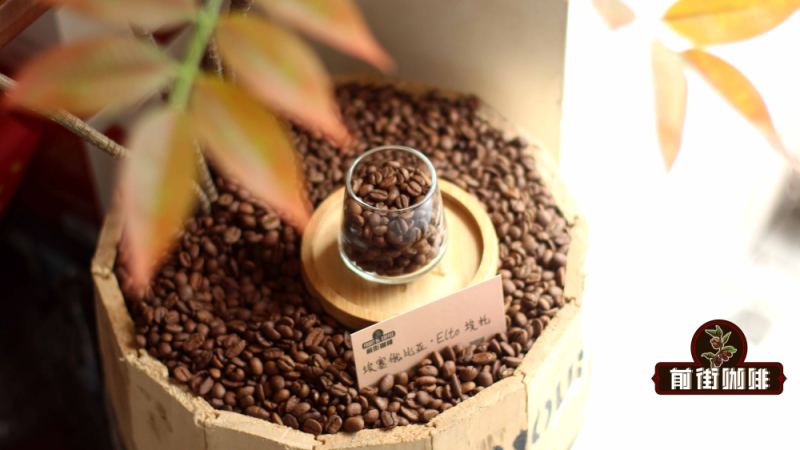
Kenyan PB peaberry beans are a single, round seed that forms when only one bean develops inside the cherry instead of the usual two. The grade is part of Kenya's eight-tier classification by bean size, which also includes AA and AB. Grown between 1,500 and 2,100 meters on the highlands around Mount Kenya, the SL28 and SL34 varieties give the cup its bright, tomato-like acidity.
Kenyan washing differs from Central American methods. The K72 process ferments the beans for up to 72 hours, with three cycles of 24 hours each and fresh water changed between stages, versus roughly 18 hours for typical washed coffee. Volcanic soil, ample sun and strong day-night temperature swings support the flavor, and the grade name elephant bean coffee sometimes refers to large beans.
Kenyan coffee stands out among African origins with its distinct cherry tomato acidity and bright mouthfeel, and the two major varieties SL28 and SL34 deserve much of the credit. This article focuses on Kenyan PB peaberry beans, outlining the high-altitude growing conditions of Kenyan coffee, the unique K72 washed fermentation process, and the eight-tier grading system based on bean size. It also compares the flavor differences among common grades such as PB, AA, and AB, and, in combination with three beans from Front Street Coffee — the Sassin Estate PB peaberry, the Asalia AA, and the Gachatha Cooperative AB — shares practical brewing parameters and cupping performance to help coffee lovers gain a more comprehensive understanding of the appeal of Kenyan coffee.
For more specialty coffee information, follow the WeChat public account: Front Street Coffee (FrontStreet Coffee).
Among African origins, Kenyan coffee has gradually become familiar to the public through its refreshing cherry tomato-like acidity. The two most representative local varieties are SL28 and SL34. After consulting reference materials, Front Street learned that these two varieties have quite outstanding drought tolerance, making them highly compatible with Africa's dry, rain-scarce climate. Kenya's coffee-growing belt is mainly distributed across the highlands centered on Mount Kenya, with elevations mostly between 1,500 and 2,100 meters. There, the volcanic soil is fertile and loose, sunlight is abundant, and drainage is excellent. The pronounced temperature difference between day and night brought by high altitude also allows Kenyan coffee to accumulate fuller flavor.
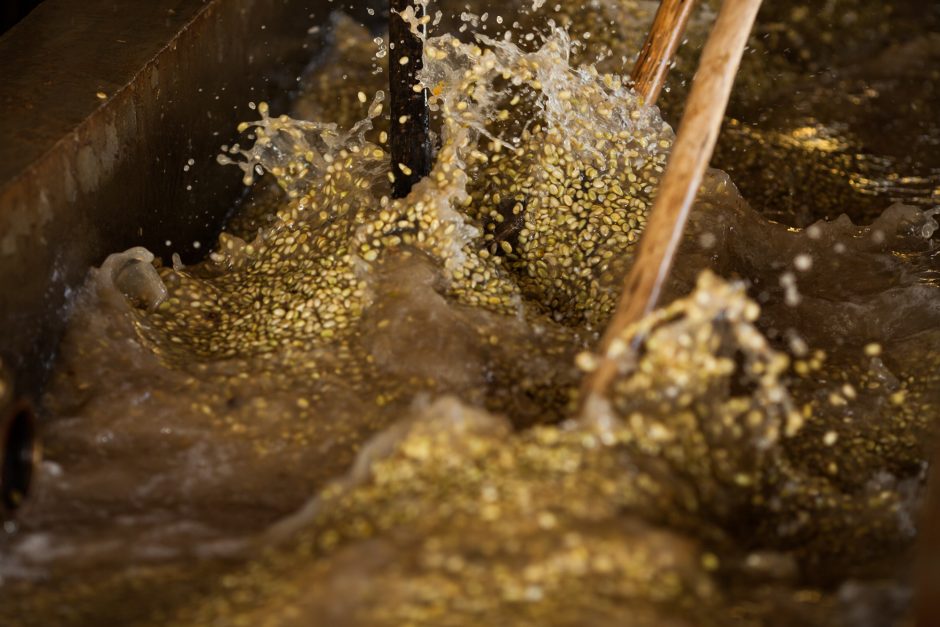
Another aspect of Kenyan coffee that people love to talk about is how it processes green beans — the Kenyan washed method. This process differs from conventional washing and is customarily called the K72 processing method in the industry. Compared with the washed process in Central America, Kenya repeats the washing stage three times, with the entire fermentation process lasting up to 72 hours. Ordinary washed coffee usually needs only about 18 hours of fermentation, while the Kenyan approach is: after the first 24 hours of fermentation, replace with a large amount of fresh water, ferment for another 24 hours, change the water again, continue fermenting for another 24 hours, and repeat for three cycles; only after fermentation is complete does it enter the drying stage.
Overall, washed Kenyan coffee beans show outstanding acidity and a bright, clean mouthfeel, which is also one of their key identifying features. Front Street also learned that Kenya's coffee grading method is completely different from that of most countries: it is based on coffee bean size. Friends who follow the Front Street Coffee (FrontStreet Coffee) public account should have seen many introductions to the grading systems of various countries. For example, Ethiopia, because it is difficult to classify during the growing stage, grades by cupping score and physical characteristics, and first distinguishes washed groups from unwashed groups; Indonesia, meanwhile, grades by the number of defective beans per 300 grams of green beans.
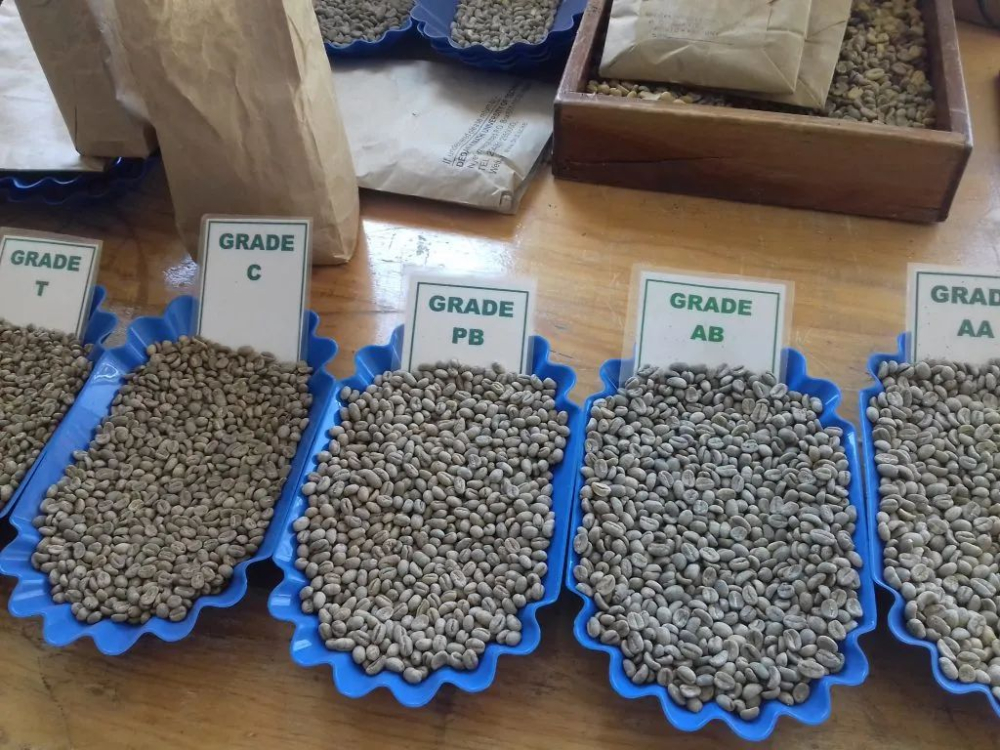
However, Kenya's grading logic is different from all of the above. Because local coffee is mainly washed, it is divided into eight grades by bean size: E, AA, AB, TT, C, T, PB, and UG. In the domestic market, the four commonly seen grades are mainly AA, AB, PB, and E, while the others are relatively rare. AA and AB are regarded as Kenya's highest grades, but this does not directly equate to the best flavor. Among them, E stands for elephant beans, while PB means peaberry. Front Street once offered a PB peaberry from Kenya's Sassin Estate. Normally, the interior of a coffee fruit splits symmetrically into two coffee beans, but in a few cases the seed does not split. Because the sides that face each other are flat, this type of bean is called a flat bean.
The formation of peaberries may be due to poor development of the coffee bean, which ultimately grows into a rounded shape. Peaberry output is extremely rare, accounting for only 5% to 10% of the total production of a whole tree. The varieties to which these peaberries belong are exactly the SL-28 and SL-34 mentioned earlier by Front Street. The flavor directions of these two varieties are quite similar, both possessing layered acidity and excellent sweetness. However, Front Street learned that in later evolution, SL28 gained more of an advantage in adaptability and flavor performance. SL28 has blackcurrant-like acidity, ample sweetness, both balance and complexity, and shows obvious citrus and smoked plum notes. SL-34 displays bright fruit flavors, with a soft and clean mouthfeel.
SL28
SL-34
In addition to offering Kenyan beans of the PB grade, Front Street has also introduced a coffee bean from the Asali honey processing station in the Thika region, called Asalia. This bean also uses the Kenyan 72-hour processing method and is graded AA. In addition, there is an AB-grade coffee bean from the Gachatha Cooperative. The flavors of these beans each have their own strengths.
Front Street used a three-stage method to brew these two Kenyan coffee beans in order to compare their respective flavor directions. For the parameters, 15 grams of coffee powder was used, with a coffee-to-water ratio of 1:15, paired with a V60 dripper. The V60 has a faster flow rate, making clogging less likely, while also better highlighting the coffee's original flavors. For the brewing ratio, 1:16 was adopted, with the water temperature controlled at 90°C to avoid extracting bitter substances at high temperatures and also to prevent overly emphasizing acidity if the water temperature is too low.
This time, staged pouring was used. First, 30 grams of water was poured for a 30-second bloom, at which point the coffee powder expanded quite fully. In the second stage, 120 grams of water was poured from the center outward in small circles, with a pouring height of about 5 centimeters, using a gentle force without deliberately stirring. When the water level dropped to one-half of the coffee bed, the third stage of pouring began. This stage gently circled from the center outward, with a flow rate of about 4 grams per second, continuing until 240 grams was reached. Extraction was stopped after all the coffee liquid in the dripper had finished dripping, with a total duration of about 1 minute and 50 seconds.
The wet aroma of Asalia gives off ripe tomato and intense floral notes; on the palate it carries cherry tomato and smoked plum flavors, with bright acidity and a very clean mouthfeel. The Gachatha Cooperative AB coffee bean, by contrast, has flavors that more prominently feature smoked plum and cherry tomato, with almond in the middle and honey in the finish, a juicy texture, and similarly bright acidity.
For more specialty coffee beans, please add the private WeChat of Front Street Coffee (FrontStreet Coffee), WeChat ID: kaixinguoguo0925
The above content is compiled by CoffeeHunters, a coffee news website.


