








Africa, as the continent of coffee's origin, produces beans celebrated worldwide for their bold aromas and lively fruit acidity. Due to arid climates, the natural process has become the traditional choice in many producing regions; though the beans may not be perfectly uniform in shape, they develop richly layered flavors. From Ethiopia's Yirgacheffe to Kenya's SL28, from Burundi's double washed process to Rwanda's Bourbon, each region expresses its own unique terroir. This article systematically reviews the cultivation models, processing methods, and flavor profiles of Africa's major coffee-producing countries, and introduces several representative African single-origin coffees from Front Street Coffee, guiding you to a deeper understanding of this continent's coffee charm.
African coffee as a whole is known for its bold aromas and delightful fruit acidity—that bright acidity is full of energy and invigorating. However, African beans tend to be on the thinner side in body, and their sweetness is not particularly pronounced. Because most producing regions have dry climates and scarce water resources, green beans are mostly processed by the natural method, resulting in less uniform bean appearance and a relatively higher proportion of defects. Below, we'll go through the African producing regions covered by Front Street Coffee one by one.
I. Ethiopia
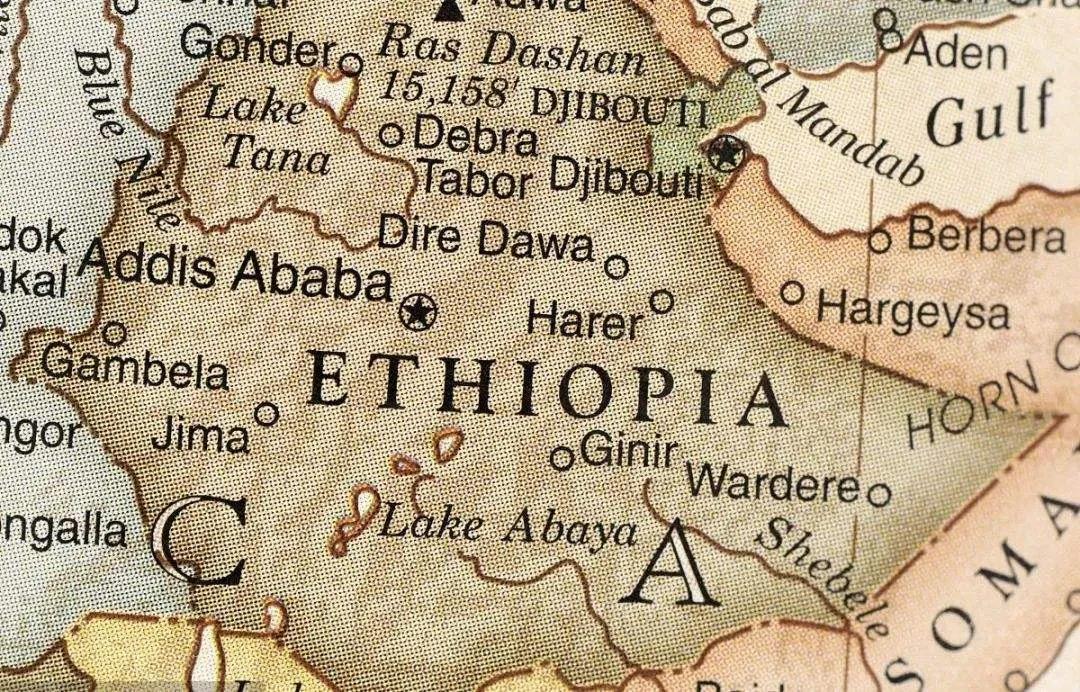
Coffee cultivation in Ethiopia is mainly concentrated in the west and south, with the primary producing areas including Harrar, Ghimbi, Sidamo, and Yirgacheffe.
Local coffee cultivation models can be grouped into four categories: ● Forest coffee (8-10%): Coffee trees grow mixed with other crops in primary forest, relying entirely on natural growth with no human intervention; farmers simply enter the forest periodically to pick the fruit.
● Forest-semi-forest coffee (30-35%): The growing area lies between the forest and farmers' living areas. Coffee trees likewise reproduce naturally, but farmers manage the plots and interplant other cash crops.
● Garden coffee (50-55%): Coffee trees are planted near farmers' homes, mostly sown and cultivated by the farmers themselves.
● Plantation coffee (5-6%): Operated by large private owners, equipped with relatively complete processing facilities and capacity.
Ethiopia's green bean processing methods are roughly as follows: ● Natural: The most traditional method. The Harrar region, being extremely arid and lacking water sources, cannot use washing and relies entirely on the natural process. Sidama, Yirgacheffe, Guji, Jimma, and other areas also produce natural batches.
● Washed: Places higher demands on processing equipment, water sources, and processing plant conditions, but enables stable production of high-quality coffee. Apart from Harrar, all other producing regions have washed processing.
● Honey: In the past two years, batches labeled Kochere honey process have gradually appeared on the market.
Different processing methods lead to different flavor directions:
● Washed: Presents citrus fruit tones, such as lemon, tangerine, orange, grapefruit, sweet pomelo. Intensity ranges from pronounced citrus peel aroma to varying layers of fruit acidity—from a soft little tangerine, to a medium-intensity orange, to the crisp acidity of lemon and grapefruit.
● Natural: Carries the aroma of ripe yellow, red, and black fruits, such as apricot, peach, cherry, strawberry, dried cranberry, dried blueberry, plum, etc., often accompanied by varying degrees of vinous notes resembling rum, whiskey, or even red wine (Beaujolais). Below are several Ethiopian single-origin coffees from Front Street Coffee.
1. Front Street Red Honey Red Cherry Coffee Region: Yirgacheffe Idido Growing altitude: 2000-2200m Processing method: Red honey Variety: Local heirloom Grade: G1 Flavor: Dry aroma with ginger flower notes; on the palate, citrus, lemon, and fruit candy tones, with cedar and honey sweetness emerging mid-palate, an oolong tea note in the finish, and a lingering creamy aftertaste.
The standout feature of this bean is its red honey processing. In 2007, Trabocca, the largest green bean trader in the Netherlands, launched the "Red Cherry Project" in search of high-quality Ethiopian beans. The project requires fully ripe red cherries to be hand-picked throughout, which is no easy task—it relies on hardworking Ethiopian women with sharp eyes, who are the vital backbone of the project. Coffee processed this way has a unique flavor that fully expresses Ethiopia's regional character.
Honey processing is the bean-making process of sun-drying with the mucilage still attached. After the coffee fruit's outer pulp is removed, a sticky gelatinous layer remains. Traditional washing rinses this off with water, yet the pectin mucilage is precisely the part where the coffee fruit's sugars are most concentrated and plays a key role in fermentation—roughly eighty percent of the nutritional supply depends on it. Yellow honey retains 60% of the mucilage, red honey retains 75%, and black honey removes almost none. In some high-altitude regions constrained by water resources, this direct sun-drying method came into being.
2. Front Street Natural Red Cherry Coffee Region: Yirgacheffe Washing station: Aricha Altitude: 2300m Variety: Local heirloom Processing: Natural Flavor: Berries, lemon, strawberry, fermented vinous notes.
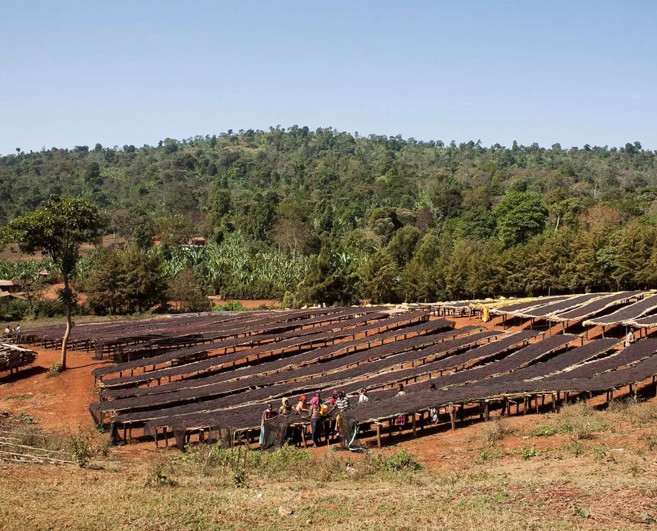
The natural process is the oldest and most primitive coffee processing method. This Red Cherry is dried whole—fruit, pulp, and skin together—on raised beds to avoid direct contact with the ground and prevent earthy off-flavors. After more than two weeks of sun-drying, the fruit turns dark brown and is stored to let the flavors mature. Only before shipment does the washing station remove the beans from the dried fruit. This method yields lower acidity, prominent sweetness, and good body, but less cleanliness than washed processing.
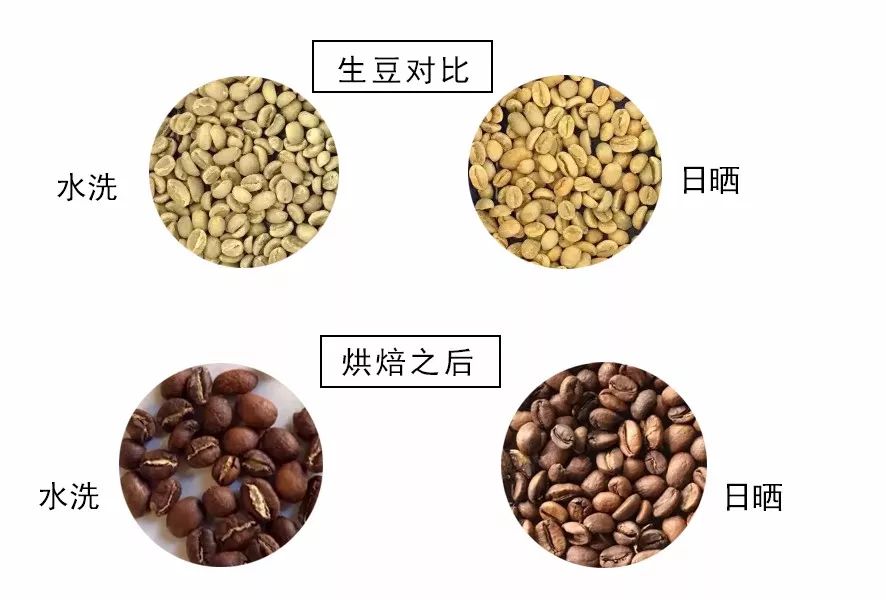
3. Front Street Washed Gedeo Coffee Region: Yirgacheffe, Gedeo Zone Altitude: 1900-2300m Variety: Heirloom Processing: Washed Grade: G1 Flavor: Citrus and black tea on the palate; as the temperature drops, creamy, caramel, and almond notes emerge in the finish, with pronounced sweetness returning and a clean, sweet taste.
4. Front Street Kochere Coffee Region: Yirgacheffe Kochere Variety: Local heirloom Growing altitude: 1650m~1800m Processing method: Washed Grade: G1 Flavor: Lemon, floral, tangerine, cane sugar; overall clean and refreshing, with a honeyed sweetness returning and an oolong tea finish.
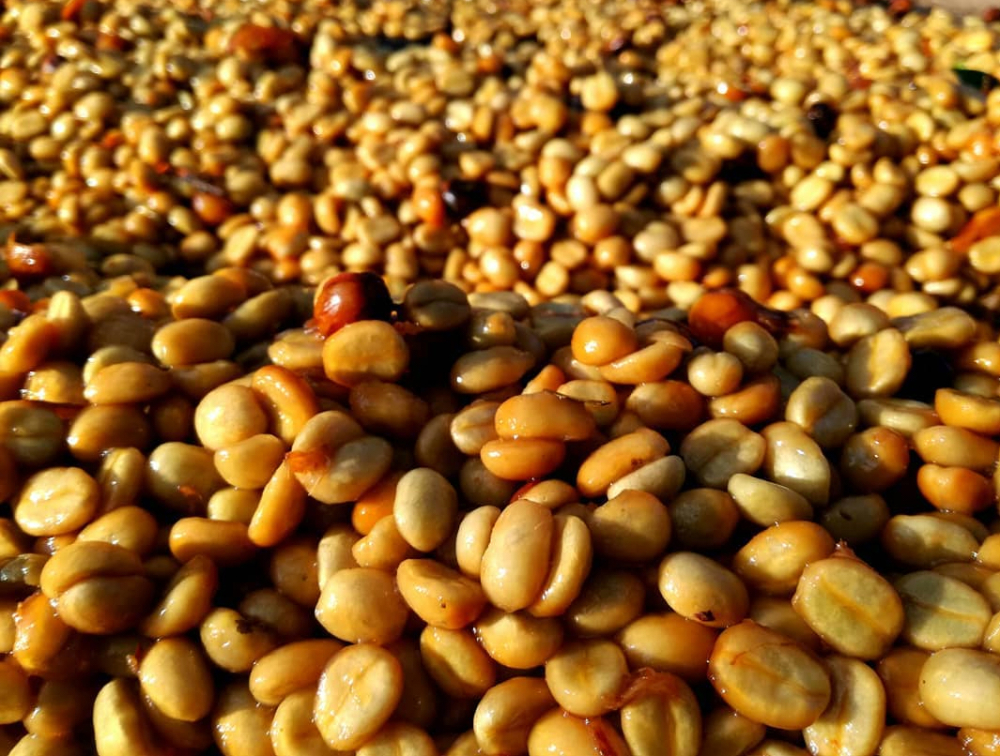
Kochere's production model is mainly local smallholders delivering batches to cooperatives for centralized processing. Advanced processing equipment has kept the Kochere region at a consistently high standard in washed coffee, delivering a clean, sweet profile woven with molasses and citrus.
Front Street Coffee's Yirgacheffe Kochere is of the highest G1 grade, with intense origin flavors, a clean and fresh lemon aroma, and rich, elegant aromas and flavors of jasmine, cantaloupe, citrus, ginger, and spiced tea.
5. Front Street Worka Coffee Region: Yirgacheffe Worka Altitude: 1800-2000m Processing method: Washed Variety: Local heirloom Flavor: Lemon, jasmine, brown sugar, cane sugar.
The Worka cooperative was founded in 2005 and is known for producing high-quality natural Yirgacheffe. It uses refined washing, fermenting in washing channels for about 72 hours before hulling; part of the acid produced by mucilage fermentation seeps into the bean. Because no pectin remains on the parchment during drying, it lacks the fruity aroma characteristic of natural beans, leaning toward a clean, bright flavor with more pronounced acidity. It is then dried on raised beds, hand-sorted, and exported after passing inspection by the Ethiopian Coffee Authority—yielding coffee with a pure, refreshing character.
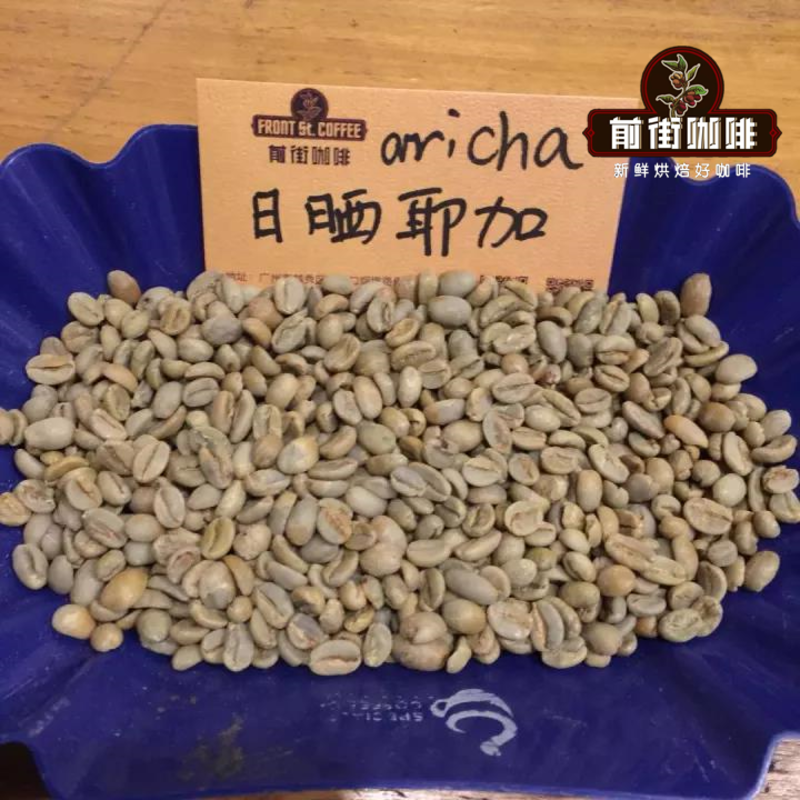
6. Front Street Aricha Coffee Region: Yirgacheffe Gediyo Variety: Heirloom Altitude: 1900-2100m Processing method: Natural Flavor: Faint fermented vinous notes, sweet orange, spice, honey sweetness.
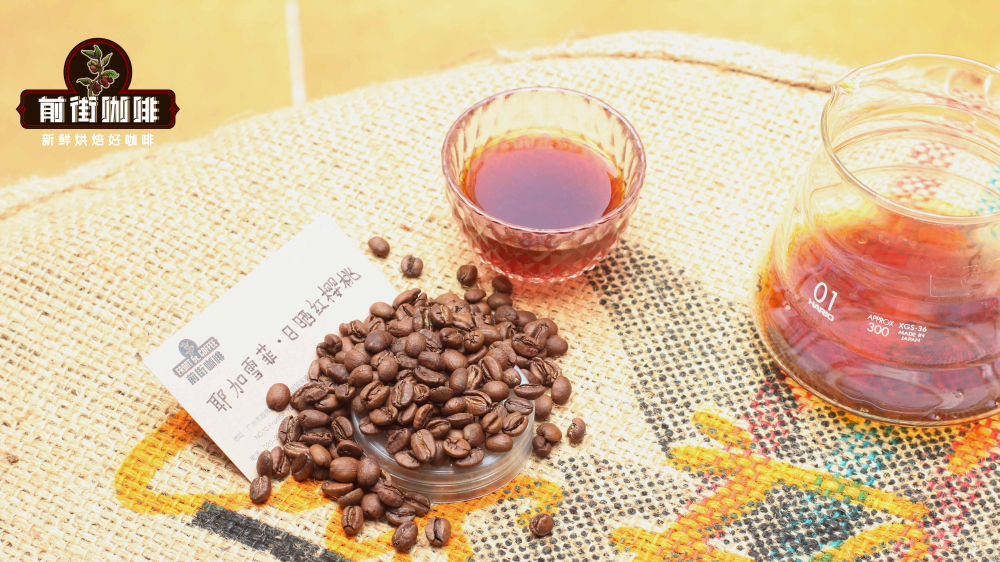
The Yirgacheffe region has many high-quality washing stations, and much of the coffee from them commands a much higher price—the natural Yirgacheffe from Kebel Aricha Mill is one such example, commonly known as ARICHA beans. After refined natural processing at this station, it is graded Gr.1 or G1 by the ECX (Ethiopia's highest grade) and hailed as the "king of fruits." Every coffee from this station can be regarded as a premium, meticulously processed batch, performing better than others; regardless of processing method, it is considered the best coffee in the Yirga area. These natural beans are slightly larger in size with lower density and moisture content; on the palate they are extremely smooth, with ripe fruit sweetness emerging from a delicate body, sweeter than any Yirga I've tasted before.
7. Front Street Konga Coffee Region: Yirgacheffe, Keble Konga Altitude: 1800-2000m Processing method: Natural Variety: Heirloom Washing station: Konga Flavor: Berries, cantaloupe, lemon, citrus, lychee Grade: G3
The Konga cooperative was founded in 2002 and is located in a small area of Gedeo near Yirgacheffe town in southern Ethiopia. It is a member of the Yirgacheffe Coffee Farmers' Cooperative Union (YCFCU). The cooperative uses no chemical fertilizers or pesticides during cultivation, thus earning organic coffee certification, and is an outstanding member of the YCFCU union.
8. Front Street Ninety Plus Candlelight Coffee Region: 90+ SNNP, Sidama (Sidamo) Altitude: 1750-2000m Processing method: Natural Variety: Heirloom Flavor: Floral aroma, nectarine, tropical fruit, blackberry, blueberry, plum, cream, cinnamon.
"90+" does not mean all coffees scoring above 90 in evaluations, but rather a top-tier coffee series comprising 13 flavor profiles.
Ninety Plus's green beans all come from Ethiopian heirloom varieties—even Panama estate Geisha was transplanted from Ethiopia's Heirloom original varieties. They sometimes appear on different estates with various flavor characteristics. During processing, the roasters separate them one by one by variety, climate, and harvest timing, tasting each one—like crafting a near-perfect work of art, sparing no effort to bring them to their optimal taste and present them in their most perfect form. "90+"'s pursuit of ultimate flavor is admirable, and its sustainable development model and environmentally friendly practices are a learning goal for many coffee producers.
9. Front Street Cup of Excellence (COE) 22 Coffee Region: Ethiopia, Sidamo, Arsi Producer: Adem Banta Sute Processing method: Natural Variety: Typica Flavor: Sweet-tart strawberry and lychee, fermented vinous notes, creamy smoothness, honeyed finish.
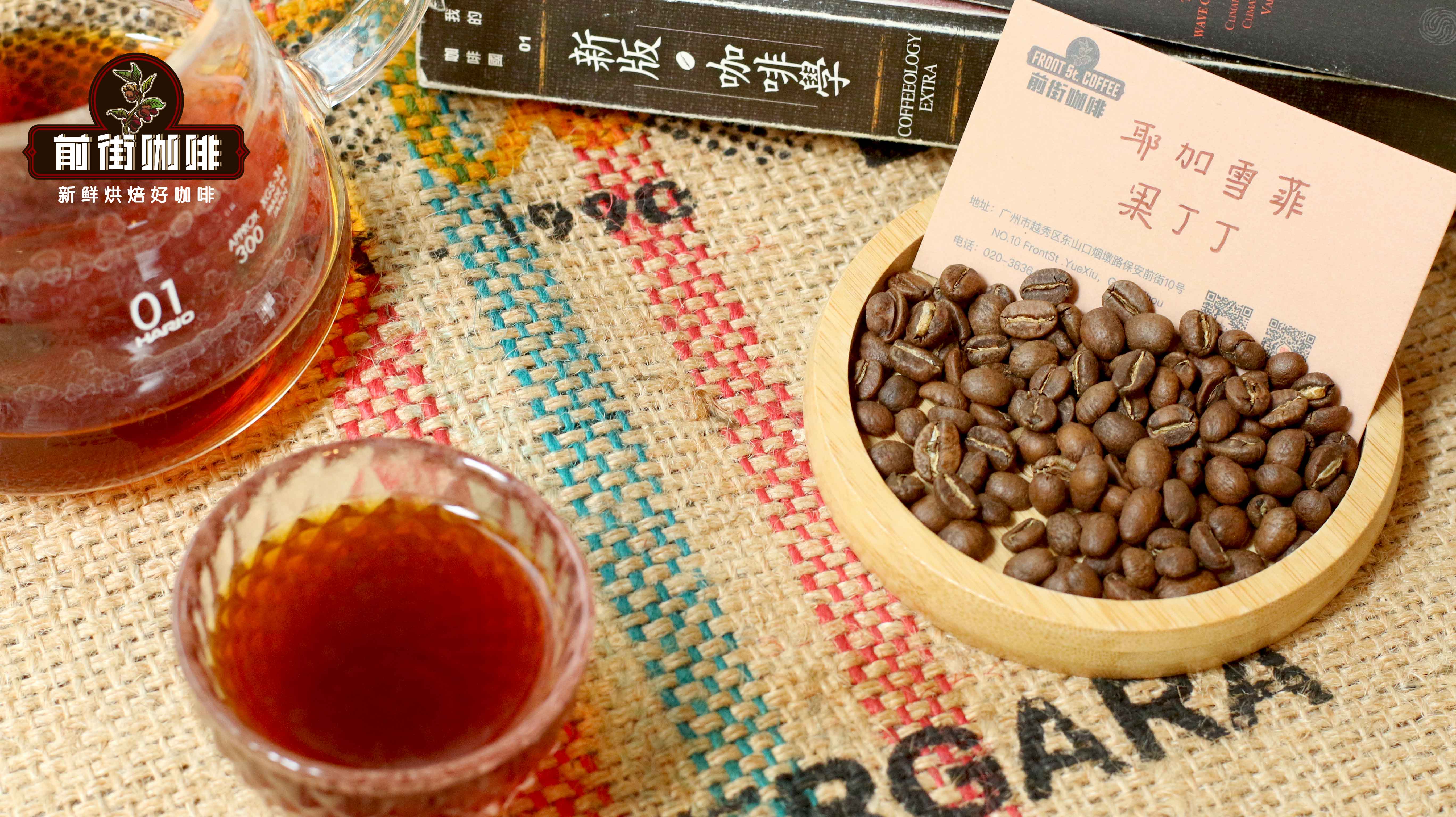
West Arsi sits at an altitude of 1900-2200m, located in the western part of the Sidamo region; the place name comes from a branch of the Oromo people who have long lived here. About 88.52% of West Arsi's population is Oromo, which is significant in coffee history, since they were the first tribe in human history to drink coffee; half of the coffee produced in Ethiopia comes from this region.
In the 2020 Ethiopia COE competition, 28 beans stood out with scores above 87. Among them, the three beans scoring above 90 all came from the Sidamo producing region. Front Street Coffee secured the 22nd place in this year's COE—a natural Typica from Sidamo Arsi, grown by Adem Banta Sute, with a score of 87.64.
10. Front Street Washed Yirgacheffe Coffee Region: Yirgacheffe Altitude: 1800-2000m Processing method: Washed Variety: Local heirloom Flavor: Dry aroma of lemon and nuts; lemon acidity on the palate, clean cane sugar sweetness, faint florals, and an oolong tea finish.
11. Front Street Gesha Village Gold Label Coffee Region: Bench Maji Altitude: 1909-2069m Variety: Gori Gesha Processing method: Natural Flavor: Dry aroma with fermented vinous notes; on the palate, soft acidity of citrus and strawberry, nutty and creamy sweetness mid-palate, cane sugar sweetness returning; as the temperature drops, strawberry jam and fresh lemon emerge.
Gesha Village Coffee Estate, unlike the vast majority of Ethiopian farms, is not a small farm but a large 500-hectare estate with its own washing station and laboratory, located in the southwest near the Sudanese border. Most notably, the entire farm grows only the Geisha variety, rather than the generally unidentifiable Ethiopian heirloom varieties.
Gesha Village divides the farm into 8 blocks, growing 3 main Geisha varieties, all with seeds collected from nearby forests rather than from Panama. Gesha Village's coffee grades are: Auction, Gold Label, Red Label, Green Label, and CHAKA. Geisha is an original variety within the Arabica species, extremely picky about its growing environment—requiring high altitude, cloud cover for shade, fertile soil, and sufficient accumulated heat.
This Gold Label Geisha uses natural processing. Floating debris and impurities are first removed, then it is sun-dried in thin layers under plastic sheeting on African-style raised beds; it is sorted again during drying to remove insect-damaged and underripe beans, with a total drying time of 18-30 days.
12. Front Street Gesha Village Red Label Coffee Region: Bench Maji, Ethiopia Estate: Gesha Village Estate Altitude: 1909-2069m Processing method: Natural Variety: Gori Gesha Flavor: Tropical fruit, citrus, cream, fermented fruit notes, pineapple, green tea; overall quite balanced.
This Front Street Coffee Gesha Village Estate Red Label Geisha comes from an estate in Bench Maji, Ethiopia; the Red Label batch is from the estate's Shewa-Jibabu block, located in the northwest of the estate, with coffee trees growing at altitudes of 1973 to 2069m.
13. Front Street Gesha Chaka Coffee Region: Bench Maji Altitude: 1900-2100m Variety: Gori Gesha, Gesha 1931, Illubabor Processing method: Natural Flavor: Citrus, grapefruit, plum, nuts, cream, oolong tea, florals, brown sugar; overall fairly full-bodied.
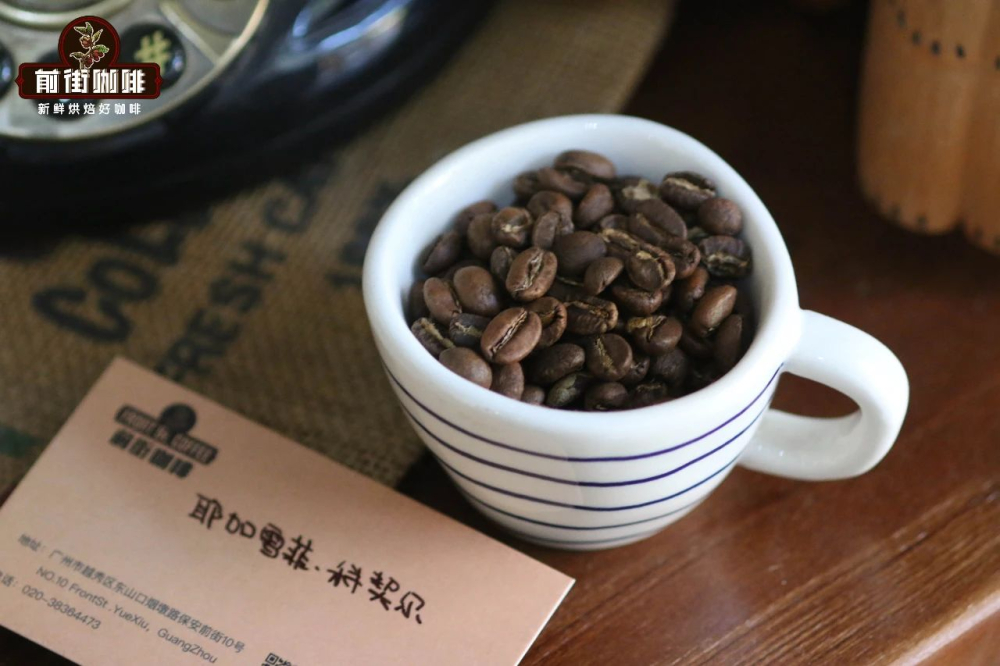
II. Burundi
Burundi is a landlocked country situated atop the steep East African Rift, with complex terrain; the dramatically towering ridge on the eastern shore of Lake Tanganyika is the divide between Africa's two great river systems, the Nile and the Congo, and it enjoys the reputation of "the heart of Africa." Coffee was introduced to Burundi by the Belgians, with cultivation beginning in 1930; as in neighboring Rwanda, the varieties are mostly Bourbon series, grown on high mountains at altitudes of 1750 to 2000 meters.
Like other East African countries, Burundi has its own special processing method—double washing (also called double fermentation)—and coffee processed this way carries an extremely clean and bright flavor.

1. Heart of Africa Region: Rutana town Altitude: 1400m to 1700m Variety: Bourbon Processing method: Washed Flavor: Dry aroma with mandarin and tea notes; on the palate, black plum and mandarin flavors, rich mouthfeel, with the nutty caramel sweetness in the mid-to-late palate. The flavor is full of wildness, leaving intense taste and aroma in the mouth, with a rich, lingering finish.
III. Kenya
Kenyan coffee mostly grows at altitudes of 1500-2100 meters, with two harvests a year. Its main characteristic is vivid fruit aromas, commonly citrus tones. Kenyan coffee has multi-layered flavors and juicy acidity, perfect grapefruit and wine notes, and moderate body—a favorite single origin among many industry insiders.
Kenya Asaliya and Kenya Sasini: Kenyan K72 processing method. Ordinary coffee beans rarely ferment in washing channels for more than 36 hours, but Kenyan fermentation lasts as long as 72 hours—commonly called 72-hour washing, also known as the double washing method.
After 30-48 hours of fermentation, the mucilage layer on the surface is completely removed, followed by a 24-hour soak in clean water; this extra step instantly brings out the beans' bright, clean flavor. The final drying stage is also quite particular, with beans placed on specially made mesh racks that allow ventilation from above and below—helping prevent moisture and ensure even drying, while also avoiding picking up earthy or off-flavors from the ground.
1. Sasini Origin: Kiambu producing region Estate: Sasini Estate Altitude: 1680m Variety: SL28, SL34 & Ruiru Processing method: Washed Flavor: Pronounced smoked plum, cherry tomato, honey; slight nuttiness when cooled, juicy mouthfeel, bright acidity.
Sasini Estate is located in the Kiambu producing region at an altitude of 1500 to 2000 meters. The area has beautiful scenery, a pleasant climate, ample sunshine, and fertile soil—a fertile acidic red loam that is loose, deep, and well-draining, with water pH between 5.5 and 6.5. Sasini's grade is Kenya AA.
2. Front Street Cherry Tomato Coffee Region: Thika Washing station: Asali Honey Washing Station Altitude: 1550—1750m Variety: SL-28, SL-34 Processing method: 72-hour washed Flavor: Wet aroma of ripe tomato and florals; at high temperature, caramel and yellow sugar sweetness on the palate; as it cools slightly, cherry tomato and smoked plum acidity emerge—bright acidity, clean mouthfeel, medium body, prominent mid-palate sweetness, with a juicy quality.
Asali means "honey" in Swahili (Kenya's official languages are English and Swahili). The Asali Honey Washing Station is located in the Thika producing region of the Great Rift Valley, in Kenya's Aberdare Mountains, bordering Ethiopia to the east. The station's green beans are mainly washed, graded by screen size, and finally priced by cupping to determine actual value. Asaliya's grade is Kenya AA TOP.
IV. Rwanda
Rwanda is located in central Africa and is a standard landlocked country, with none of its neighbors anything less than major coffee-producing nations. In the early 20th century, Rwanda was successively colonized by Germany and Belgium, with German missionaries introducing coffee first.
It was not until after Rwanda's independence, when the first official coffee organization OCIR was established, that coffee bean production gradually gained attention. Rwandan coffee production grew continuously from the 1960s to the 1980s, reaching an unprecedented peak in 1986, until domestic political instability in the early 1990s (the Rwandan genocide) brought the coffee industry to a halt.
Rwanda has a temperate and tropical highland climate, with average temperatures of 24.6-27°C—lower than typical equatorial countries. But coffee is grown in the mountainous west and other areas, where temperatures are lower than in the low-lying east, with greater temperature swings. For example, Lake Kivu in the north has an average altitude of 1463 meters and an average daily temperature of 22°C; combined with fertile volcanic soil, it is very well suited to growing coffee.
Rwandan coffee is mainly washed. Washing involves float-sorting the picked fruit to remove low-density beans, then depulping, leaving the mucilage-covered beans to ferment in water tanks; after fermentation, the mucilage layer is rinsed off with clean water, and finally the beans are dried to reduce moisture content to around 11% to 13%. Front Street Coffee believes that washed coffee has higher acidity, good cleanliness, and consistently stable overall performance.
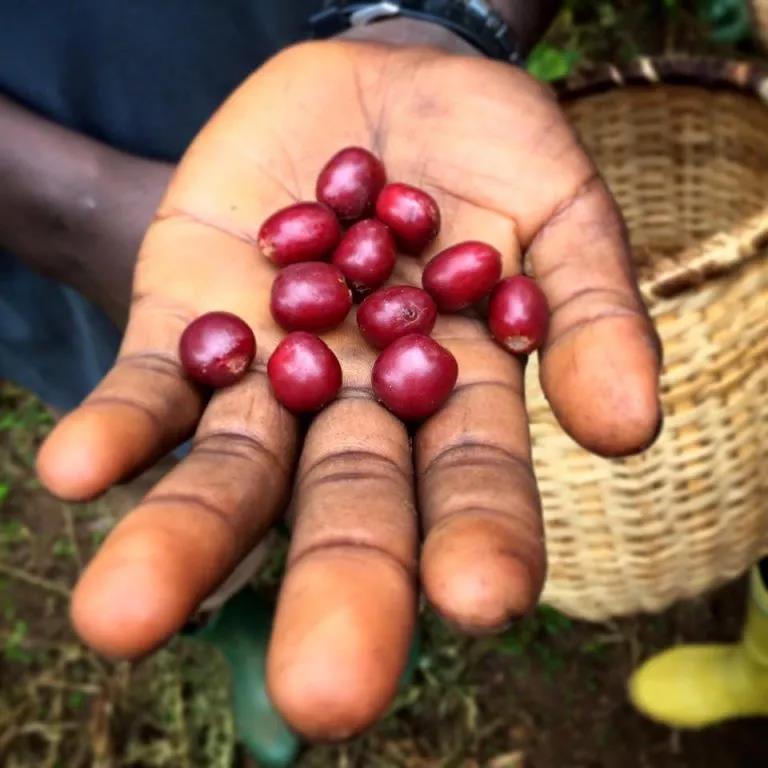
1. Front Street Washed Rwanda Red Bourbon Coffee Coffee region: Nyamasheke Washing station: Gaseke Washing Station Growing altitude: 1700 to 2000m Processing method: Washed Coffee variety: Bourbon Flavor: Delicious citrus sweetness, bright acidity, berries, apple, citrus, mid-palate honey sweetness, excellent sweetness and balance, almond and chocolate finish.
V. Tanzania
Tanzania is a typical East African country, bordered by Kenya and Uganda to the north, Malawi, Mozambique, and Zambia to the south, and Rwanda and Burundi to the west. Mention Tanzanian coffee, and many people think of Kilimanjaro coffee. Front Street Coffee believes Tanzanian coffee has less bright acidity, appearing softer and gentler, with more sweet aromas, and a strong vinous character is also one of its hallmarks.
Kilimanjaro is Tanzania's largest coffee-producing region, and Kilimanjaro coffee is also an important lifeline of the country's economy. Kilimanjaro coffee comes from Mount Kilimanjaro, Africa's highest mountain, in northeastern Tanzania. Local smallholder coffee is grown at altitudes of 1300-2000m, nurtured by volcanic ash; high-altitude cultivation gives the beans excellent quality.
1. Front Street Kilimanjaro Coffee Beans Region: Northern Highlands, Kilimanjaro volcanic area Variety: Bourbon Processing method: Washed Grade: AA Altitude: 1300-2000m Flavor: Honey, berries, tea notes.
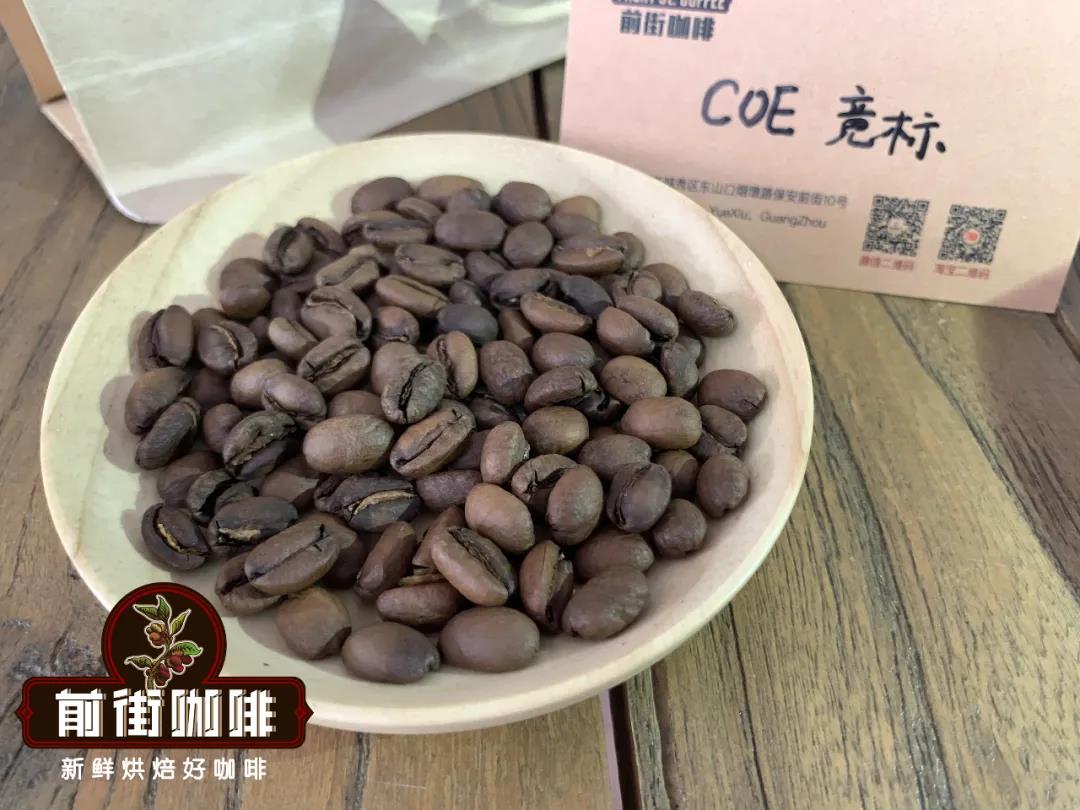
Tanzanian coffee mostly uses washed processing; after picking, coffee farmers deliver the fruit to the nearest washing station for processing. This Front Street Coffee Tanzania Kilimanjaro is also washed. Washed processing steps:
1. Sort to remove impurities from the coffee fruit. 2. Remove the pulp and outer skin. 3. Send to fermentation tanks to remove the mucilage layer clinging to the parchment through fermentation. 4. Rinse clean, then proceed with drying.
The above content is compiled by CoffeeHunters, a coffee news website.


