







What is the K72 double washed method in Kenya coffee?
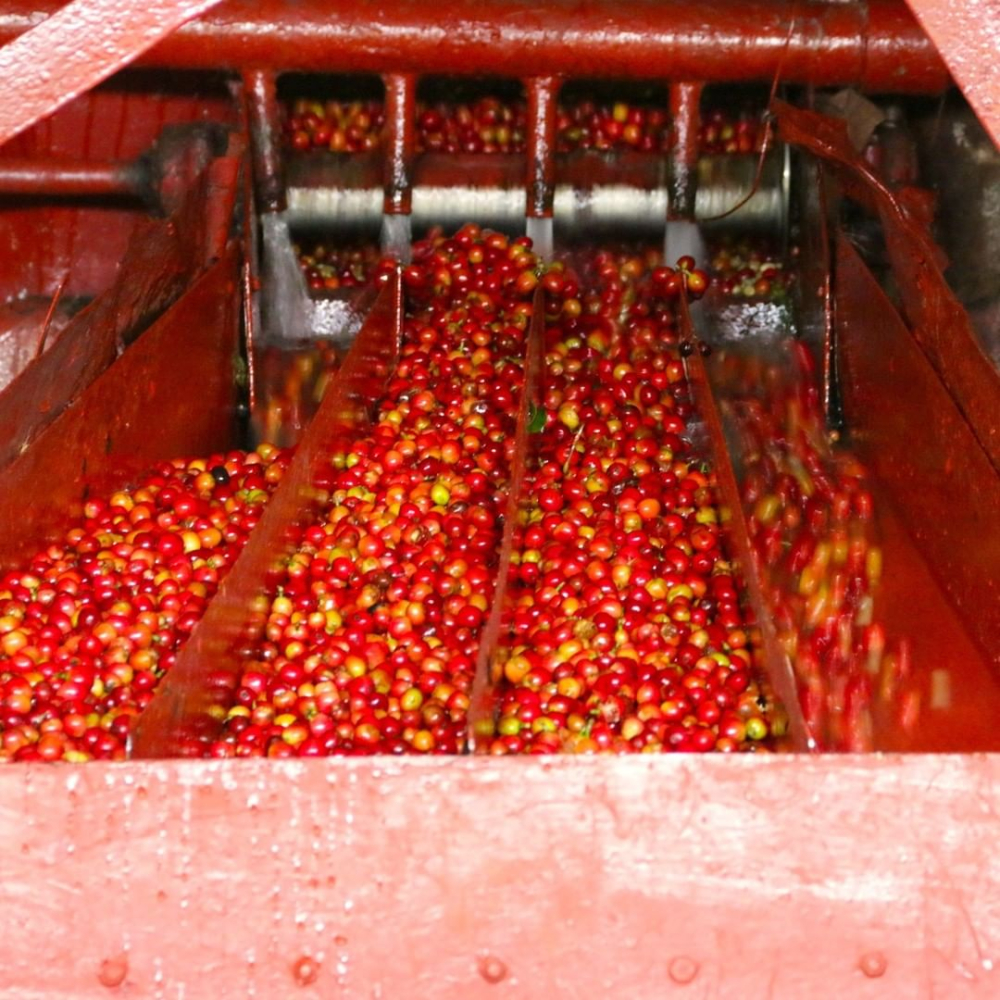
Kenya coffee is known for bright, clean acidity and deep berry flavors, and the K72 double washed process is central to that profile. Cherries are pulped on harvest day, fermented for 24 hours, rinsed with clean river water, then fermented and rinsed twice more, cycling three times for 72 hours total before drying.
The washed method improves overall cup quality and gives Kenyan lots their dark berry acidity. Kenya grows mainly arabica coffee bean varieties such as SL28, SL34, Ruiru11, and Batian, and the beans are graded by size and quality. Roasting curves and brewing parameters are then set to bring out that berry character.
Kenyan coffee is renowned for its bright, clean acidity and deep berry flavors, and behind this lies the double washed process widely used locally, with the K72 method being particularly iconic. From the perspective of Front Street Coffee, this article systematically reviews the complete process of Kenyan-style 72-hour fermentation washed processing, including the specific operations and effects of the two rounds of washed fermentation; it also introduces Kenya's growing conditions, the origins and characteristics of the main varieties SL28, SL34, Ruiru11, and Batian, as well as the grading system for Kenyan coffee beans. At the end, it also includes the roasting curves, brewing parameters, and flavor descriptions of two Front Street beans, Kenya Cherry Tomato and Sasini PB, to help coffee enthusiasts fully understand the logic behind the formation of Kenyan coffee flavors.
To get more specialty coffee knowledge, welcome to follow our WeChat public account: FrontStreet Coffee
In Kenyan producing regions, double washing is a widely adopted green bean processing method. After the coffee fruit is stripped of its outer skin, it must go through two rounds of rinsing with clean water, hence the name double washing. This practice not only significantly improves the overall quality of the coffee beans, but also gives Kenyan coffee a richer dark berry acidity that is unforgettable after drinking.
In this article, FrontStreet Coffee will guide everyone through what kind of process Kenya's K72 processing method actually is.
What is Kenya's K72 washed processing method?
As FrontStreet Coffee mentioned above, this processing method is improved on the basis of the traditional washed method. Kenyans first adopted an approach of washing after fermentation and then repeating the cycle: processing is done on the day of harvest, first selecting the highest-quality coffee cherries, then removing the skin and entering fermentation for 24 hours; after 24 hours, rinsing clean with clean river water. Then ferment again with clean river water for 24 hours, and rinse again. This cycle is repeated three times, totaling 72 hours, hence the name Kenyan-style 72-hour fermentation washed processing method, or K72 processing method for short.
K72 fermentation washed processing method process:
① First washing and fermentation After the coffee cherries are harvested, they first undergo water-based density sorting. The principle of this step is to use the differences in the coffee fruit's own density and mass for screening: high-density, heavy coffee beans sink to the bottom, while low-density ones float on the surface. Ripe, high-quality coffee fruits have greater density, so they are selected for subsequent processing.
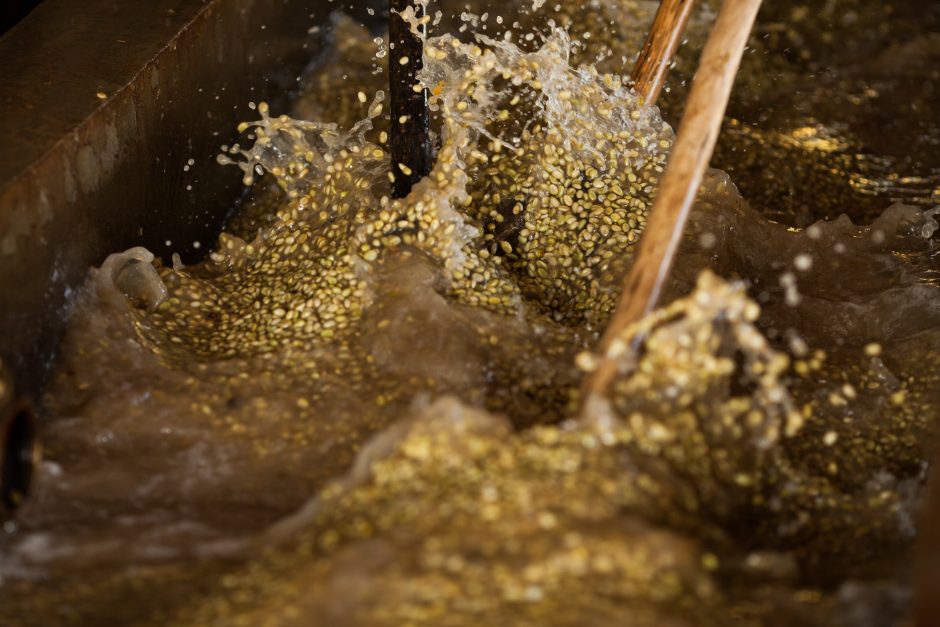
After selecting high-quality, sufficiently ripe fruits, remove the skin and soak them in water for washing, allowing the mucilage attached to the outer layer of the green beans to ferment. The mucilage itself contains natural sugars and alcohol compounds, which play a key role in the development of coffee sweetness, acidity, and overall flavor. The fermentation time is 24 hours, after which 80% to 90% of the mucilage can be removed, leaving only the flavor substances inside the coffee beans.
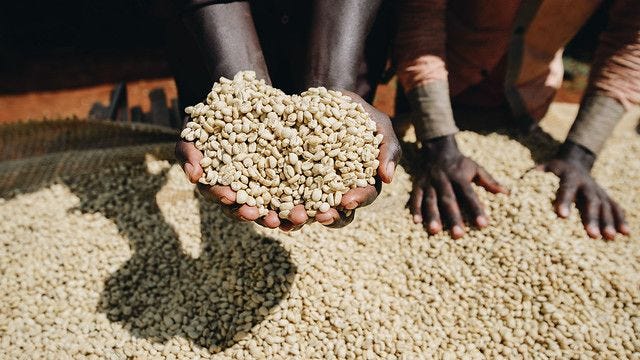
② Second washing and fermentation Next comes the second washing and fermentation procedure. After the coffee beans from the previous stage are cleaned, they are soaked in water again for 24 to 48 hours. This process increases proteins and amino acids, and the acidity of the coffee beans thereby develops complex and delicate layers. Finally, all remaining mucilage is removed, and the coffee beans are transferred to raised drying beds for sun drying.
The fermentation time is also 24 hours, after which 80% to 90% of the mucilage can be removed, preserving only the flavors inside the beans. Finally, all remaining mucilage is removed, and the coffee beans are moved to raised drying beds for sun drying. The drying time depends on weather conditions and usually takes 5 to 10 days to complete.
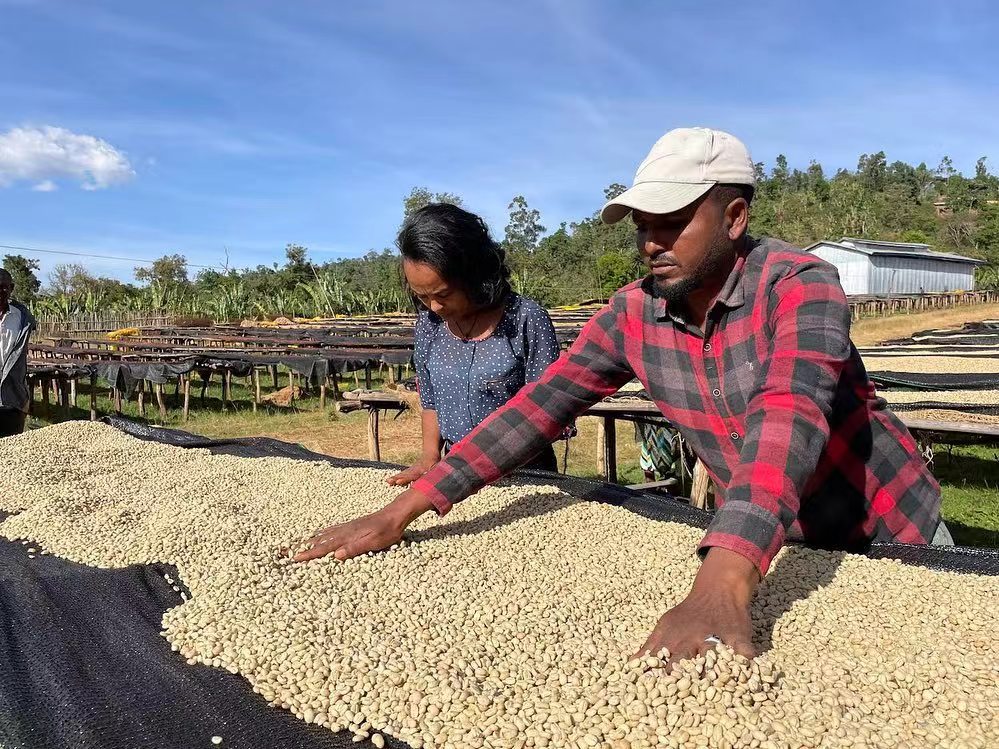
Front Street believes that Kenya's 72-hour fermentation washed processing method allows the coffee beans to ferment for a long time under low-temperature conditions, and then they are only considered finished after drying and dehydration, ultimately giving the beans a brighter, cleaner yet fuller flavor.
Kenya coffee growing conditions
Of course, the quality of a coffee bean cannot be judged only by whether the processing method is good or bad; more critical is whether the bean itself has a strong enough foundation. FrontStreet Coffee has also often mentioned in previous articles that the flavor of a coffee bean depends on its coffee-producing region, variety, and processing method. In other words, the quality of the processing method is built on the premise of high-quality coffee fruit.
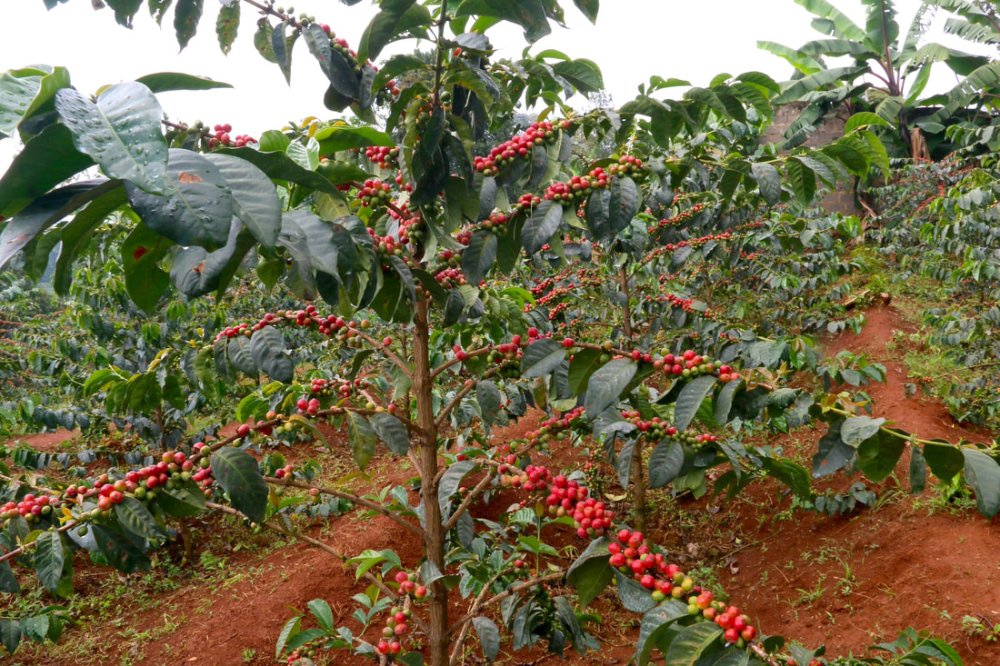
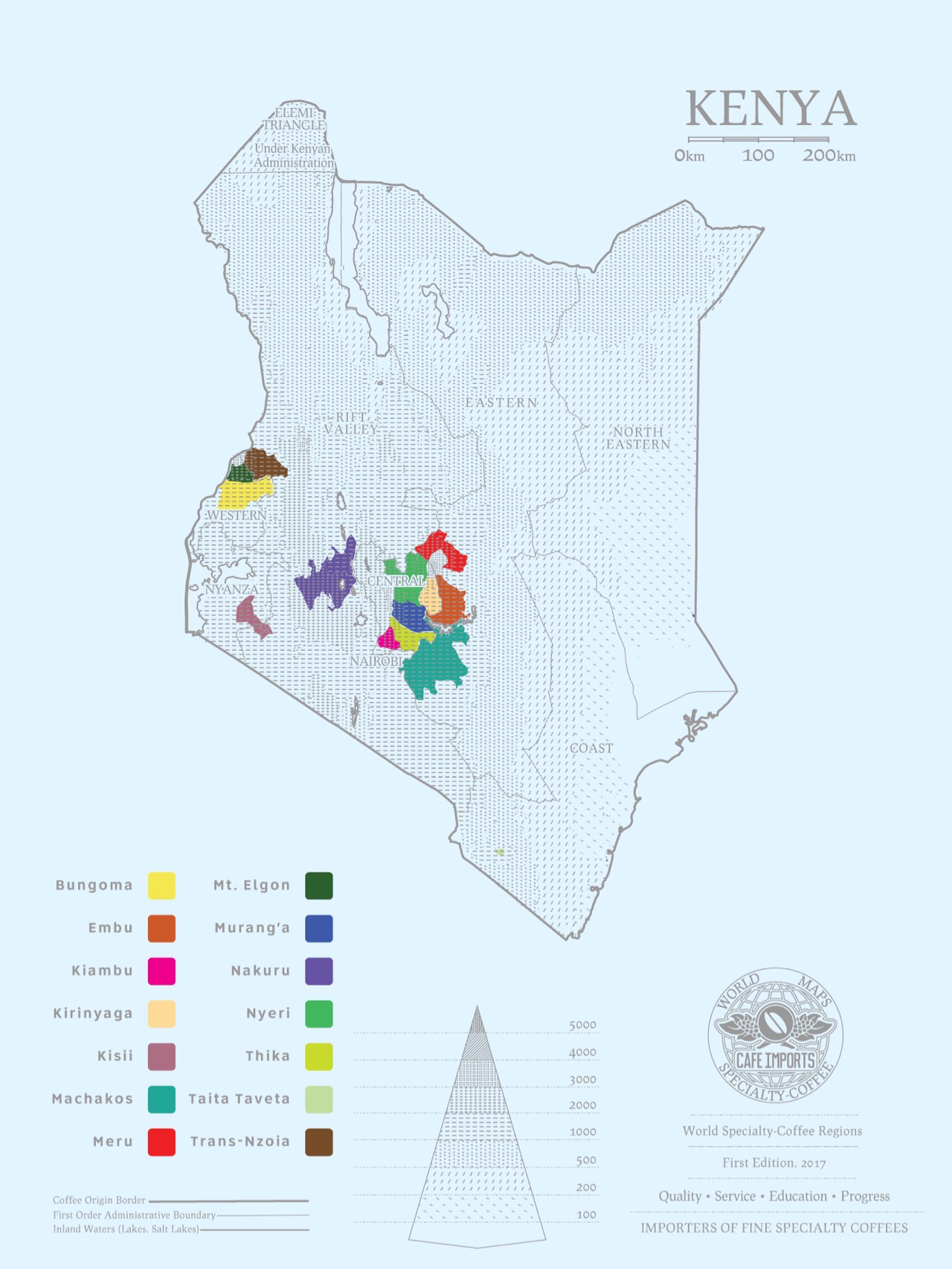
Kenya is located in eastern Africa, with the equator crossing its center and the East African Rift Valley running north to south through the country. It borders Somalia to the east, Tanzania to the south, Uganda to the west, Ethiopia and Sudan to the north, and the Indian Ocean to the southeast. The territory is mostly plateau, with an average altitude of 1,500 meters. Mount Kirinyaga (Mount Kenya) in the center is 5,199 meters above sea level, with snow on its summit year-round, and is the second-highest peak in Africa.
Kenya belongs to a tropical producing region, with two rainy seasons each year, so it can harvest twice: 60% concentrated from October to December, and the other 40% from June to August. Coffee is mainly grown in the volcanic lands around the capital Nairobi to the Kenyan highlands at altitudes of 1,600 to 2,100 meters. This altitude is suitable for the development of coffee bean flavor because the lower temperatures in the highlands slow the growth rate, allowing the aromatic components of the coffee beans to fully develop, the fruity acidity to become more pronounced, and the texture to become harder. This fertile, crescent-shaped coffee zone is the main producing area for Kenya's specialty beans.
FrontStreet Coffee also often says that the growing conditions of Arabica coffee beans are inevitably limited by altitude. The higher the altitude, the better the flavor and the richer the acidity, which is why Kenyan coffee is known for its excellent acidity.
But Kenya's acidity is completely different from that of neighboring Ethiopia's coffee. Coffee fans all know that FrontStreet Coffee's Front Street Ethiopian coffee beans are known for their bright citrus-lemon acidity, while Front Street Kenya's acidity is more like that of cherry tomatoes, which brings us to its coffee variety flavors.
Kenyan coffee bean varieties
The main varieties grown in Kenya are SL-28, SL-34, Ruiru11, and Batian. According to FrontStreet Coffee's understanding, these varieties are all research results of the Coffee Research Institute of Kenya.
SL-28, SL-34
SL stands for Scott Labs. In the 1930s, Scott Labs was commissioned by the Kenyan government to conduct research on coffee breeding and classification, attempting to find varieties that could adapt to Kenya's terroir, be used for large-scale cultivation, and have commercial value. SL-28 and SL-34 are two of the many research results. This organization was active from the 1930s to the 1960s and no longer exists today.
The SL series was developed through research and selection based on the ancient Yemeni Mocha variety and the Bourbon variety from Reunion Island, and now accounts for the majority of Kenya's coffee production. Relatively speaking, SL-28 has gained a higher reputation, while SL-34 has a larger yield and is grown at slightly lower altitudes. According to botanists at the SL laboratory, SL28 and SL34 are genetic variants. Among them, SL28 has a mixed lineage of Mocha and Yemeni Typica. The original goal of cultivating SL28 was to hope to mass-produce coffee beans that combined high quality with resistance to pests and diseases.
Although SL28's yield later did not reach the expected large volume, because its bronze leaf color and broad-bean-shaped beans have excellent sweetness, balance, and complex and varied flavors, as well as distinct citrus and smoked plum characteristics, it has been passed down to this day. This is also the main reason why Front Street Kenyan coffee is rich in pleasant acidity.
SL34 has a flavor similar to SL28. In addition to complex and varied acidity and a great sweet finish, its mouthfeel is heavier, richer, and cleaner than SL28. SL34 has Bourbon and more Typica lineage. Its bean appearance is similar to SL28, but it is more able to survive, for example adapting to sudden heavy rain.
Ruiru11
Ruiru appeared after SL28 and SL34. According to Front Street's understanding, in the 1970s, the Ruiru station began attempts to cultivate different CBD and rust-resistant varieties. The result was Ruiru11, released in the 1980s. High yield, along with CBD and rust resistance, seemed to be the solution to all of Kenya's coffee production problems.
Batian
The Batian variety was released by the Coffee Research Institute (CRI) on September 8, 2010, and is also the latest variety provided by Kenya. It was developed through further experiments based on lessons learned from Ruiru11. Genetically, it is essentially selected from backcrosses of SL28 and SL34, and is also closer to SL28 than Ruiru 11. This thereby eliminated the problematic Robusta variety coffee bean elements, thus improving cup quality.
Kenyan coffee bean grading system Kenya grades coffee by bean size and cup test results. According to the size, shape, and hardness of the coffee beans, from high to low they are AA or AA+, AB, PB, C, E, TT, T. For AA and AB grades of green coffee beans, an additional special grading based on cup test results is added (not officially recognized by the Kenyan state, but established by exporters), from high to low as TOP, PLUS (+), FAQ.
AA Plus (AA+) AA grade with particularly excellent cup quality (flavor, mouthfeel). AA bean size: Screen Size 17-18. AB bean size: Screen Size 15-16, accounting for most of production. C bean size: smaller than AB. TT from AA and AB grade beans: lighter-weight beans blown out by an airflow sorter. T from C grade beans: lighter-weight beans blown out by an airflow sorter. E Elephant Bean: large mutant beans formed by two beans joined together, also called elephant ear. PB Peaberry: classified by appearance, unrelated to flavor or weight.
From the above content of FrontStreet Coffee, it can be seen that whether it is the processing method, coffee-producing region, or variety, all have a greater or lesser impact on the flavor of coffee beans. The Kenyan producing region itself is very suitable for growing coffee beans, and the developed K72 washed processing further adds to the flavor of the coffee beans. Multiple washing also makes the flavor of the coffee beans cleaner and brighter, which is why Kenyan coffee beans all have bright fruity acidity similar to cherry tomatoes.
Next, Front Street will introduce to all coffee fans all of FrontStreet Coffee's current Front Street Kenyan coffee beans and roasting and brewing data analysis.
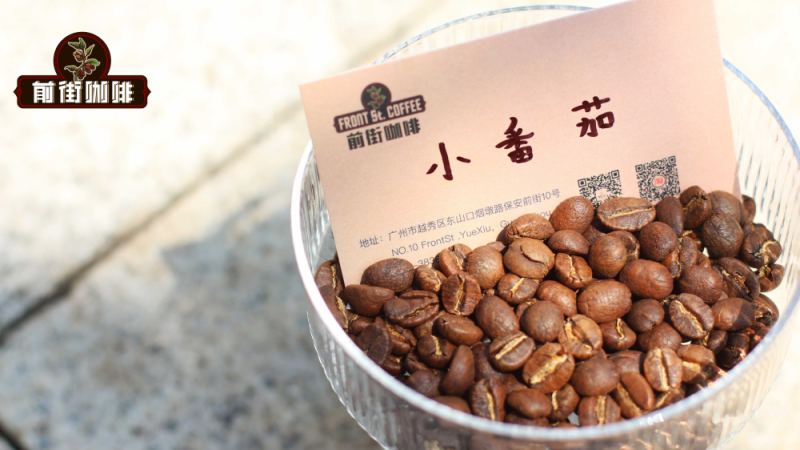
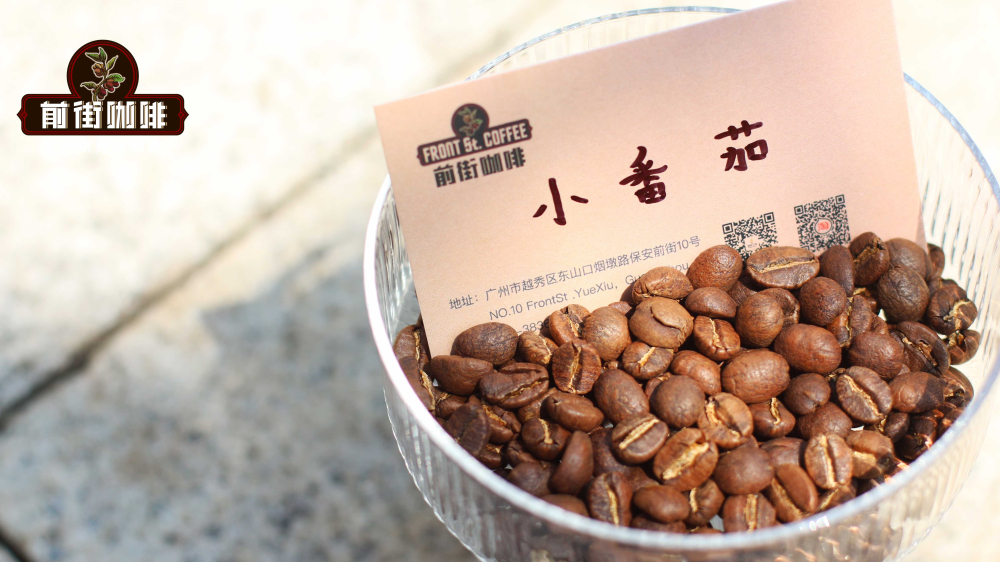
FrontStreet Coffee Kenya Cherry Tomato coffee beans
Country: Kenya Region: Asali (Honey Processing Station) Altitude: 1550-1750m Variety: SL28, SL34 Processing method: 72-hour washed processing Flavor: snow pear, smoked plum, yellow sugar, cherry tomato, plum
FrontStreet Coffee Kenya Asali coffee bean roasting record
This Front Street Kenyan bean is plump and round. In order to fully express its bright, mellow acidity, FrontStreet Coffee used a light roast level. Yangjia 800N semi-direct fire, bean input 480g: put into the drum when the temperature reaches 160°C, set airflow to 3, heat to 120. Turning point: 1'28". When the temperature rises to 130°C, set airflow to 4. Roast until 6'00'', temperature 154.6°C, the bean surface turns yellow, the grassy smell completely disappears, and dehydration is complete. When ugly wrinkles and dark spots appear on the bean surface, and the toasted bread smell clearly turns into coffee aroma, this can be defined as the prelude to first crack. At this time, listen carefully for the sound of the first crack point. At 9'28'' first crack begins, airflow remains unchanged, first crack development time 2'20'', drop at 193.8°C.
FrontStreet Coffee brewing recommendation
Dripper: Hario V60 Water temperature: 90°C Dose: 15 grams Coffee-to-water ratio: 1:15 Grind size: fine granulated sugar (80% passing through China standard No. 20 sieve)
FrontStreet Coffee brewing method: Use 30 grams of water for a 30-second bloom, then pour in a small stream in circles until 125 grams for a pulse pour. When the water level drops and is about to expose the coffee bed, continue pouring until 225 grams and stop pouring. When the water level drops and is about to expose the coffee bed, remove the dripper. (Time starts from the beginning of the bloom) Extraction time is 2'00".
[ FrontStreet Coffee Kenya Asali] Flavor description: The wet aroma has ripe tomato and floral notes. On the palate, there are flavors of cherry tomato and smoked plum. The acidity is bright, the mouthfeel is clean and rich, the mid-palate has prominent sweetness with a juicy feel, the finish has berry aroma and yellow sugar sweetness, along with green tea aroma.
FrontStreet Coffee Kenya Sasini Estate PB coffee beans
Country: Kenya Region: Sasini Estate Altitude: 1680m Variety: SL28, SL24, riuru Processing method: 72-hour washed processing Flavor: cherry tomato, almond, smoked plum, honey, grape
FrontStreet Coffee Kenya Sasini PB coffee beans Roasting analysis
Because this rich Front Street Kenyan coffee bean is grown at a higher altitude, its bean quality is harder. At the beginning, it rises with a relatively high temperature increase, with the turning yellow point at about 5 minutes, then the heat is lowered to enter the Maillard reaction, and at 166°C the heat is lowered again to extend the Maillard reaction time. When first crack begins, heat absorption is stronger, so it is recommended to maintain heat during this stage to prevent stalling. First crack development takes a relatively long time, which helps reduce acidity and develop flavor.
Roasting machine Yangjia 800N (roasting amount 300 grams)
Put into the drum at 170°C, heat 100, airflow set to 3; turning point 1'42", when the drum temperature is 140°C set airflow to 3.5, heat unchanged; when the drum temperature is 149°C the bean surface turns yellow, the grassy smell completely disappears, and it enters the dehydration stage;
7'14'' dehydration completed, dehydration completed, heat and airflow unchanged, at 7'30'' wrinkles and dark spots appear on the bean surface, the toasted bread smell turns into coffee aroma, which is the prelude to first crack. At this time, pay attention to listening for the sound of first crack. At 8'20'' first crack begins, airflow set to 4, heat lowered to 50. After first crack, development time 1'50'', at 188°C heat is lowered to 30 to flatten the temperature rise, drop at 193.3°C.
FrontStreet Coffee brewing recommendation
Dripper: V60 or cake cup Water temperature: 90-91°C Coffee-to-water ratio: 1:15 Grind size: fine grind (80% passing through China standard No. 20 sieve)
Brewing method: pulse extraction. Use 30 grams of water for a 30-second bloom, then pour in a small stream in circles until 124 grams for a pulse pour. When the water level drops and is about to expose the coffee bed, continue pouring until 228 grams and stop pouring. When the water level drops and is about to expose the coffee bed, remove the dripper. (Time starts from the beginning of the bloom) Extraction time is 1'55".
[ FrontStreet Coffee Kenya Sasini PB] Flavor and mouthfeel:
When brewed with a V60 dripper, it smells floral. On the palate there is the acidity of cherry tomato, citrus, and nuts, with creamy aroma in the mid-palate, brown sugar sweetness in the finish, and a finish of cocoa and oolong tea. The flavor layers are relatively rich, with obvious floral notes; when brewed with a cake dripper, it smells of herbal notes and cherry tomato aroma, with an overall obvious juicy feel and relatively lively acidity.
The above content is compiled by CoffeeHunters, a coffee news website.


