







Search Results for: Santa Ana Estate
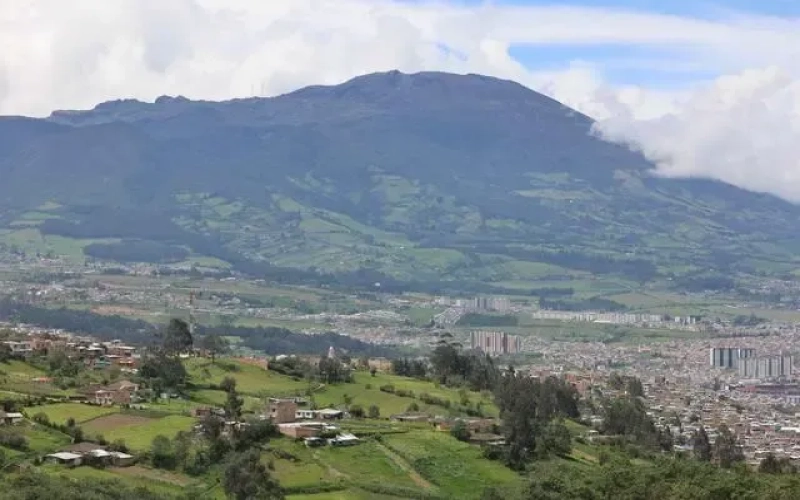
An In-Depth Analysis of Colombia's Nariño Region: From the Rise of the FNC to Hacienda Santa Ana's Road to COE Runner-Up
The Andes Mountains run the length of South America, nurturing numerous coffee-producing countries, and Colombia is among the most outstanding of them. After years of war and social upheaval, Colombia's coffee industry, supported by FNC's standardized management and its unique topography and climate, gradually grew into the world's third-largest coffee-producing country. Beyond well-known regions such as Cauca and Huila, the province of Nariño is emerging with highly complex flavors and floral characteristics, and Hacienda Santa Ana even secured runner-up in Colombia's 2023 COE. This article takes you deep into the natural conditions and historical context of the Nariño growing region, as well as the Geisha cultivation stories of Hacienda Santa Ana and Finca Bohemia. Front Street Coffee continues to follow developments in Colombian specialty coffee, bringing first-hand regional news to enthusiasts. [more…]
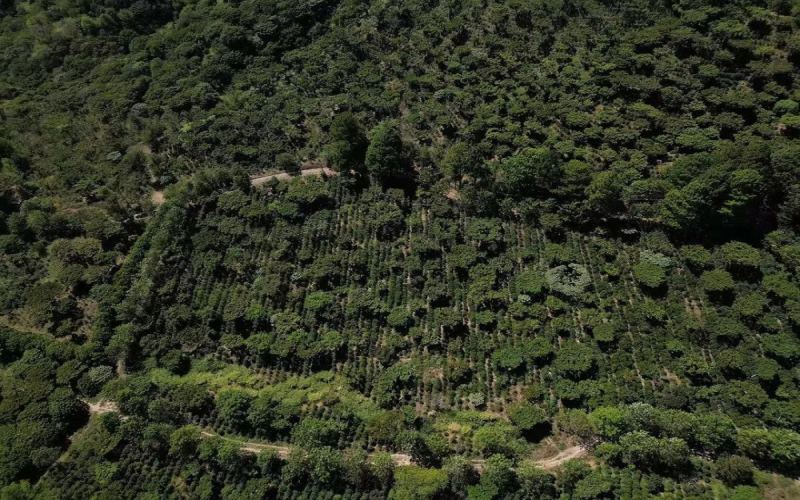
A Complete Analysis of Salvadoran Coffee Flavors: The Pour-Over Taste and Processing Characteristics of Bourbon Beans from the Santa Ana Region
Although El Salvador is a small country in Central America, it occupies an important place on the specialty coffee map. It is not only one of the birthplaces of the improved honey process, but also known for its balanced and mellow flavor. This article will provide a complete overview of the taste characteristics of Salvadoran coffee, from the distribution of producing regions, variety characteristics, and the microclimate of the Santa Ana volcano region, to the Bourbon beans of the Chocolate Lover Estate, the hybrid processing method, and the details of roasting and brewing. FrontStreet Coffee also provides specific reference on the pour-over performance of this bean, making it suitable for enthusiasts who want to gain a deeper understanding of Central American coffee. [more…]

The geographical and varietal reasons behind El Salvador's outstanding coffee quality, and a flavor analysis of Bourbon beans from the Santa Ana region
Although El Salvador is a small country in Central America, it occupies an important place in the specialty coffee landscape, and together with Costa Rica it is part of the region where improved honey processing techniques originated. Front Street Coffee summarizes its flavor as mild and slightly acidic, with pleasant sweetness, full aroma, and a clean mouthfeel. This article will review El Salvador's coffee-producing regions and altitude classification system, analyze the terroir advantages of the Santa Ana volcanic region, and introduce in detail the Bourbon variety and hybrid processing method of the Chocolate Lover Estate, as well as Front Street Coffee's roasting curve and pour-over parameters, giving you a comprehensive understanding of the coffee charm of this Central American producing country. [more…]
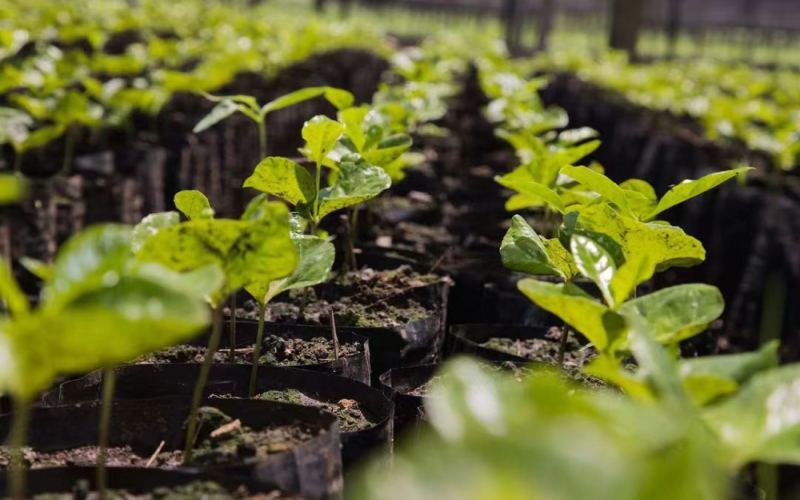
A Complete Analysis of Salvadoran Coffee Bean Origins: From Historical Changes to the Flavor of Bourbon and Pacamara Varieties
Although El Salvador is a small country, it occupies an important position on the coffee map of Central America. Here, there is both the delicate acidity and sweet balance nurtured by volcanic fertile soil, as well as a tumultuous history of dye substitution, land reform, and the ravages of leaf rust. Front Street Coffee has long been deeply involved in estates across multiple producing regions in El Salvador, accumulating a large number of flavor samples through roasting and cupping. This article begins with the coffee story of El Salvador, sorting out its growing conditions, the characteristics of nine major producing regions, and the main varieties (Typica, Bourbon, Pacas, Pacamara), and includes Front Street's roasting and brewing approach for the Santa Ana Chocolate Lover, taking you through a comprehensive understanding of the coffee charm of this "Volcano Country." [more…]
A Complete Analysis of Salvadoran Coffee Origins: Pipil Brand and the Flavor Characteristics of Six Major Regions, Plus Front Street Coffee's Roasting and Brewing Practices
Although El Salvador is a small country, its volcanic soil and high-altitude microclimates nurture specialty coffee with delicate acidity and a balanced mouthfeel, and Pipil Coffee is one of its most representative brands. This article traces the development of Salvadoran coffee from the 18th century to the present, analyzes the flavor differences and main variety characteristics of its nine major producing regions, and shares Front Street Coffee's specific approach to roasting and brewing Salvadoran beans, including how it handles beans such as Santa Ana Chocolate Lover and the brewing parameters, offering coffee lovers a complete origin reference. [more…]
Cup Tasting Flavor Profile and Origin Characteristics of El Salvador Finca Neblina Champion Lot Pacamara and Bourbon Coffee Beans
This article provides an in-depth introduction to the legendary Salvadoran coffee producer Ernesto Menéndez and his award-winning lots from Finca Las Brumas. This lot includes two varieties, Pacamara and Bourbon, sourced from microclimatic blocks above 1,700 meters, with a clean and sweet flavor profile featuring notes of cherry, berries, creamy chocolate, and spice sweetness. The article details the estate's history, the arduous journey of twice winning the Cup of Excellence, the characteristics of the Pacamara variety, and includes a cupping report and roasting degree recommendations. It also introduces an overview of El Salvador's coffee-producing regions and information recommended by Front Street Coffee, making it suitable for coffee enthusiasts to gain a comprehensive understanding of the unique charm of Central American specialty coffee. [more…]
Front Street Selection: El Salvador Himalaya Estate — Honey-Process Red Bourbon Flavor Analysis and Origin Story
The El Salvador Himalaya Estate is located in the Santa Ana region, at an altitude of 1,500 meters in the Apaneca mountain range, and is managed by Aida Batlle, primarily cultivating Bourbon varieties. This lot of Red Bourbon and Typica is washed at the El Divisadero processing station and then dried on African raised beds using the semi-dry process, presenting a complex flavor profile of red wine acidity, plum, and brown sugar, with a full body and a long-lasting finish. Front Street Coffee brings you this specialty roasted bean, and also introduces the Project Origin green bean sourcing initiative founded by Sasa Sestic—a project that works directly with farmers in impoverished regions, improves production conditions, and purchases at 20% above fair trade prices, supporting the sustainable development of high-quality coffee. [more…]

Overview of El Salvador's Six Major Specialty Coffee Regions: Bean Varieties, Flavor Characteristics, Grading Standards, and Brewing Notes from Representative Estates
Although El Salvador is a small country, it was once the fourth-largest coffee producer in the world. The civil war once left the industry in decline, and although it has gradually recovered today, production has struggled to return to its former peak. After recently cupping several Salvadoran coffees, Front Street found that regardless of which producing region they come from, a delicate and soft acidity along with a sweet, balanced mouthfeel are always common characteristics of the country's coffee. This article reviews the geographical and flavor differences of six specialty producing regions, explains the SHG and CS grading system based on altitude, and records the roasting, cupping, and brewing performance of the Bourbon from Chocolate Lover Estate and the Black Honey Pacamara from Posido Estate that Front Street acquired, for the reference of coffee enthusiasts. [more…]
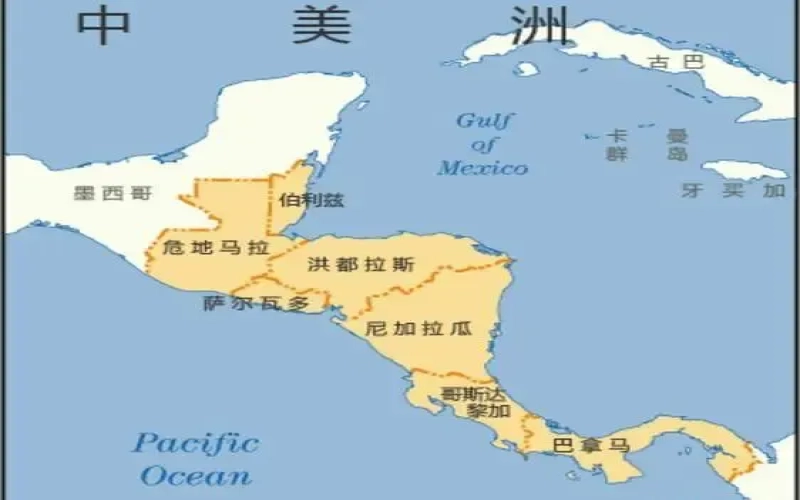
El Salvador Apaneca-Ilamatepec Region Analysis: Volcanic Soil, Historical Changes, and Finca El Angel
Among the many coffee-producing countries in Central America, El Salvador may not stand out in terms of volume, yet its volcanic ash soils and diverse microclimates give rise to a highly distinctive flavor profile. This article begins with the historical context, tracing how coffee replaced indigo as the backbone of the nation's economy and, after civil war and land reform, shifted toward competing on quality. The focus then turns to the largest producing region in the west, Apaneca-Ilamatepec, interpreting the high-altitude growing conditions around the Santa Ana volcano and the ecological value of shade cultivation, and introducing the varietal layout and terroir characteristics of Angel Estate, this year's COE Natural category runner-up. Front Street Coffee will also combine the region's characteristics to offer enthusiasts some reference ideas on bean selection and brewing. [more…]
Guatemalan Specialty Coffee Flavor Analysis: Antigua Region Characteristics, Front Street Coffee Bean Taste, Aroma, and Historical Origins
Guatemala, as an important specialty coffee producing country in Central America, nurtures coffee beans with rich layers and unique aromas thanks to its high-altitude volcanic soil and mild subtropical climate. Starting from the geography and history of the producing regions, this article analyzes the body, acidity, and flavor characteristics of Antigua coffee, and introduces detailed information on three Guatemalan specialty beans from Front Street Coffee, including the varieties, altitudes, processing methods, and flavor descriptions of Santa Ana, Finca El Injerto, and Finca Capetillo, guiding you through a comprehensive understanding of the unique charm and tasting highlights of Guatemalan coffee. [more…]
The Road to Revival of Bolivian Coffee: Exploring the Flavors of Pedro Rodríguez, Geisha, and Java Varieties
In the landlocked South American country of Bolivia, the development of specialty coffee is inseparable from the Rodríguez family, especially Pedro Rodríguez, who is regarded by the industry as a key figure in Bolivia's coffee revival. From trendy brands like Intellectuals snapping it up year after year, to Japanese competitor Miki Suzuki winning the World Runner-Up title with Geisha from his estate, Bolivian coffee is returning to the spotlight with its unique terroir and exceptional quality. Front Street Coffee recently cupped the Cacao Natural Java produced by the Rodríguez family, as well as the Washed Java Typica from the Tomorrow's Sun project, and the flavors were stunning. This article will trace the ups and downs of Bolivian coffee history, the characteristics of its producing regions, the contributions of the Rodríguez family, and the varietal origins of Geisha and Java, giving you a comprehensive understanding of the coffee charm of this high-altitude producing country. [more…]
A Detailed Explanation of El Salvador Coffee Grading SHG Standards: Origin History, Flavor Characteristics, and Front Street Coffee Roasting and Brewing Practices
Although El Salvador is a small country in terms of land area, it occupies an important place in the specialty coffee landscape of Central and South America thanks to its volcanic-rich soil and mild climate. Starting from its historical development, this article traces how coffee replaced indigo as the country's economic pillar, and details the impact and reconstruction of the industry brought by events such as the civil war, land reform, and leaf rust. It also systematically introduces the three-tier elevation grading system of SHG, HG, and CS, the flavor differences among the nine major producing regions, and the characteristics of the four major varieties: Typica, Bourbon, Pacas, and Pacamara. Front Street Coffee further uses two beans, Lemus Estate and Chocolate Lover Estate, as examples to share roasting approaches and V60 brewing parameters, helping readers gain a comprehensive understanding of the unique charm of Salvadoran coffee. [more…]
Bolivia Coffee Full Analysis: Specialty Bean Flavor Characteristics, Cultivation History, and the Rodriguez Family Geisha Java
Bolivia is celebrated as an ideal place for growing coffee, yet its annual output has long remained low, at one point even falling to the level of a minor coffee-producing country. And yet this land has given rise to a Geisha that won the favor of a World Barista Championship runner-up, as well as the Java variety known as Geisha's cousin. From the high-altitude terroir of the Yungas region, to the Tomorrow's Sun project promoted by the Rodriguez family, and on to innovative experiments with the cacao natural processing method, Bolivian coffee has carved out a winding yet fascinating path toward specialty coffee. Front Street Coffee will guide you through the origins, development history, varietal characteristics, and flavor profile of Bolivian coffee, with a focus on cupping a cacao natural Java coffee bean from the Valiki estate. [more…]
Colombia Tolima Region Montreal Estate: The Specialty Coffee Journey from COE Sixth Place to Champion
Colombia, as the world's third-largest coffee producer, owes its countless high-quality coffees to the high altitudes, volcanic soils, and diverse climates of the Andes. Among its regions, Tolima is the country's third-largest producing area, contributing 12% of the annual coffee output. It is here that Finca Montreal is located. Although its owner, Duberney Cifuentes Fajardo, is a third-generation coffee producer, he has already won the Cup of Excellence (COE). This article will guide you through the full picture of Colombia's coffee regions and take a deep dive into Finca Montreal's varieties, terroir, and competition journey. Front Street Coffee has also prepared relevant recommendations for you. [more…]
El Salvador Finca Colombia Estate Pacamara Natural: Variety Characteristics and Flavor Analysis
Pacamara is a well-known variety developed in El Salvador, attracting attention in the specialty coffee world for its unique flavor performance. This article focuses on Finca Colombia estate in the Apaneca-Ilamatepec mountain range of El Salvador, reviewing its century-long history, variety cultivation, and natural processing methods, and analyzing El Borbollon processing station's practices in quality control and social responsibility. The estate owner Rafael Gerardo Caceres family adheres to traditional varieties and meticulous processing, presenting flavor layers of strawberry, lemonade, and creaminess. Front Street Coffee also recommends paying attention to this estate's natural batch, suitable for pour-over enthusiasts to experience its flavor characteristics. [more…]
The Four Major Bourbon Coffee Derivatives: A Detailed Guide to Caturra, Villa Sarchi, Pacas, and Bourbon Mayaguez
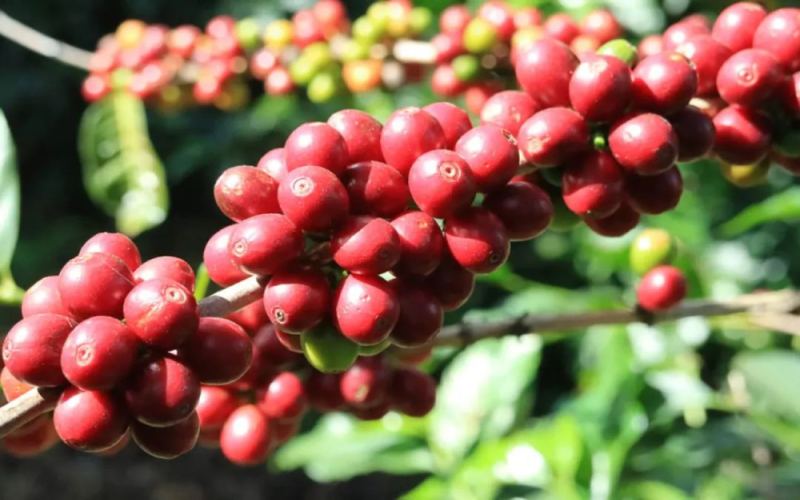
Bourbon is a coffee variety of exceptional cultural and genetic value within Arabica, known for its high-altitude cultivation and outstanding cup quality, but its low yield and susceptibility to major diseases have led to its gradual replacement in Latin America by derivatives such as Caturra, Catuai, and Mundo Novo. Nevertheless, Bourbon is still cultivated in Brazil, Guatemala, El Salvador, and elsewhere, and many Bourbon-line varieties circulate on the market. This article will introduce, one by one, the origins, botanical characteristics, growing regions, and flavor profiles of four derivative varieties—Caturra, Villa Sarchi, Pacas, and Bourbon Mayaguez—and share Front Street Coffee's corresponding bean recommendations and brewing suggestions. [more…]
Tracing the Origin and Analyzing the Flavor of Pacas Coffee Beans: From the El Salvador Bourbon Variety to Honduras Sherry
Pacas is a natural Bourbon mutation originating from El Salvador, later introduced to Honduras where it became an important local cultivar. This article systematically reviews the origin and discovery history of the Pacas variety, introduces the geographical conditions, cultivation history, six major producing regions, and main varieties of Honduran coffee, and provides a detailed review of Front Street Coffee's Honduras Sherry coffee beans—a specialty coffee that blends the Pacas variety and undergoes whiskey sherry cask fermentation, covering its roasting curve and the flavor performance under three brewing methods: V60, KONO, and Japanese iced pour-over. [more…]
Honduras Lychee Orchid Flavor Analysis: Brandy Barrel Fermentation Process and Brewing Parameter Reference
In recent years, the third wave of coffee has given rise to many new-style post-processing techniques, among which anaerobic fermentation and barrel fermentation are particularly eye-catching. As an important coffee-producing country in Central America, Honduras quickly rose to fame in the specialty coffee circle thanks to barrel-fermented beans such as Sherry and Litchi Orchid. This article organizes the underlying principles of barrel fermentation, the background of Honduran producing regions and varieties, the grading system, and Front Street Coffee's practical recommendations for roasting and brewing, to help coffee lovers understand the flavor sources and extraction approaches of these specially processed beans. [more…]
Analysis of Honduran Coffee-Growing Regions and Flavors: A Complete Guide from Six Major Origins to Sherry Cask Fermentation
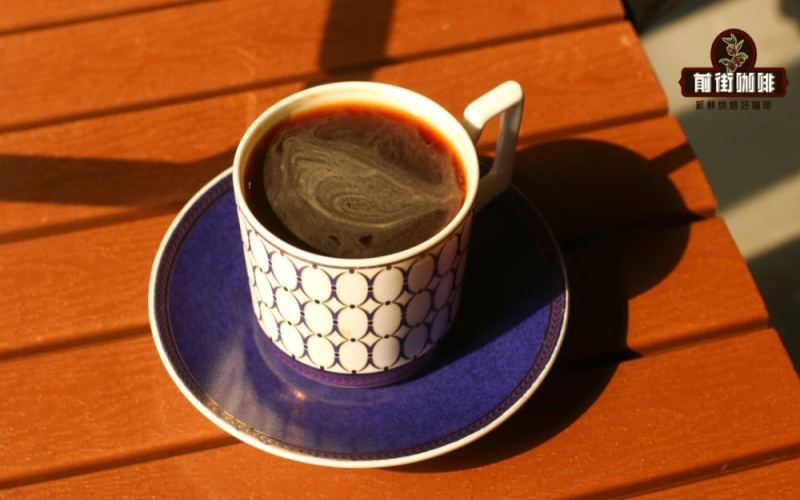
As the largest coffee producer in Central America, Honduras nurtures a diverse range of high-quality coffees thanks to its mild tropical climate and abundant rainfall. This article systematically reviews the terroir characteristics and cup profiles of Honduras's six major producing regions, explains the origins of major varieties such as Caturra, Catuai, and Pacas, and delves into how washed processing and whisky-barrel fermentation give coffee its distinctive boozy aroma. At the same time, Front Street Coffee's Sherry and Lychee Orchid beans serve as examples to present a complete picture of Honduran coffee from origin to cup. [more…]
A Complete Analysis of Bourbon Coffee Varieties: From Historical Spread to the Flavors of Red, Yellow, Pink, Pointed Bourbon, and Pacas Mutants
Bourbon coffee is one of the oldest varieties in the Arabica family, originating from Réunion Island and enjoying equal fame with Typica. Its cherries ripen to a bright red, and when grown at high altitudes it offers elegant aromas, bright acidity, and often a vinous character. Over centuries, Bourbon spread from the Indian Ocean to Brazil, Central and South America, and Africa, giving rise to numerous variants such as Yellow Bourbon, Pink Bourbon, Pointed Bourbon, and Pacas. This article traces the historical spread of Bourbon, explains the origins, cultivation status, and flavor characteristics of each variant, and retains relevant recommendations from Front Street Coffee, offering a comprehensive look at this classic coffee species. [more…]