







How does a coffee grading system work in El Salvador?
El Salvador sorts its coffee into three altitude tiers: SHG (Strictly High Grown), HG (High Grown), and CS (Central Standard). Coffee was introduced to the country in 1742 via the Caribbean, and by the mid-19th century it had replaced indigo as the main export crop after European synthetic dyes undercut the dye trade.
Volcanic soil and a mild climate give Salvadoran coffee a light body, clean profile, soft acidity, and balanced structure. Nine producing regions and four main varieties, Typica, Bourbon, Pacas, and Pacamara, show different cup profiles. Civil war, land reform, and leaf rust reshaped the industry, and farms such as Lemus Estate and Chocolate Lover Estate now supply specialty lots.
Although El Salvador is a small country in terms of land area, it occupies an important place in the specialty coffee map of Central and South America thanks to its volcanic fertile soil and mild climate. Starting from the historical context, this article traces how coffee replaced indigo to become the country's economic pillar, and details the impact and reconstruction of the industry caused by events such as the civil war, land reform, and leaf rust. It also systematically introduces the three-tier altitude classification system of SHG, HG, and CS, the flavor differences among the nine major producing regions, and the characteristics of the four major varieties: Typica, Bourbon, Pacas, and Pacamara. Front Street Coffee further uses two beans, Lemus Estate and Chocolate Lover Estate, as examples to share roasting ideas and V60 brewing parameters, helping readers fully understand the unique charm of Salvadoran coffee.
For more specialty coffee knowledge, please follow the WeChat public account: Front Street Coffee (FrontStreet Coffee)
Coffee beans produced in El Salvador are known for their light body, elegant aroma, clean profile, soft acidity, and excellent balance. Many friends who prefer Central and South American flavors often also develop a strong interest in high-quality Salvadoran coffee. Whether you follow the Front Street public account or are a regular customer who often visits the Guangzhou store, you should have noticed that Front Street has shared many beans from this country. The core purpose of Front Street compiling these origin materials is not simply to sell beans, but to build a searchable information base to help everyone understand coffee more systematically. In fact, every time Front Street lists a bean, it has gone through a great deal of origin identification and screening behind the scenes, and quite a few good-quality lots have not been included because their regional characteristics were not distinctive enough or because they overlapped with Front Street's existing product line.
The Story of Salvadoran Coffee
In 1742, coffee was introduced to El Salvador via the Caribbean region.
By the mid-19th century, the indigo (Indigo, a natural dye) on which the country had originally relied for exports declined due to the rise of European synthetic dyes, and coffee, promoted by the government, gradually replaced its position and became the most important export agricultural product.
It is worth noting that the land originally used to grow indigo was in the hands of a small number of large estate families, while coffee cultivation required finding other land. These families joined forces with the government to force poor farmers off their homes through legislative means and incorporate the vacated areas into new coffee plantations. At that time there was no compensation mechanism at all, and farmers who lost their land could only obtain seasonal employment opportunities.
In 1856, the first batch of 693 bags of coffee beans was shipped to Europe. By 1930, coffee accounted for more than 90% of El Salvador's total exports. Until the outbreak of World War II, Europe had always been El Salvador's most important export market for coffee, and only after the war was this position replaced by the United States.
In the 1970s, El Salvador set a coffee production record of 350,000 bags. Even after two world wars and the global economic depression, the country still remained among the top coffee producers.
It was not until after the end of the civil war in the 1980s that land reform reversed the previous policy direction and also dismantled the original large estate system. Although the land was redistributed among growers, the government still retained control and stipulated that no farmer could own more than 245 hectares of land. This set of reform policies continues to this day, and currently more than 90% of coffee production comes from small farmers with less than 20 hectares of land.
However, between 1997 and 2001, Salvadoran coffee bean prices fell sharply. According to ICO data, the country's coffee production dropped by more than 34% during those years.
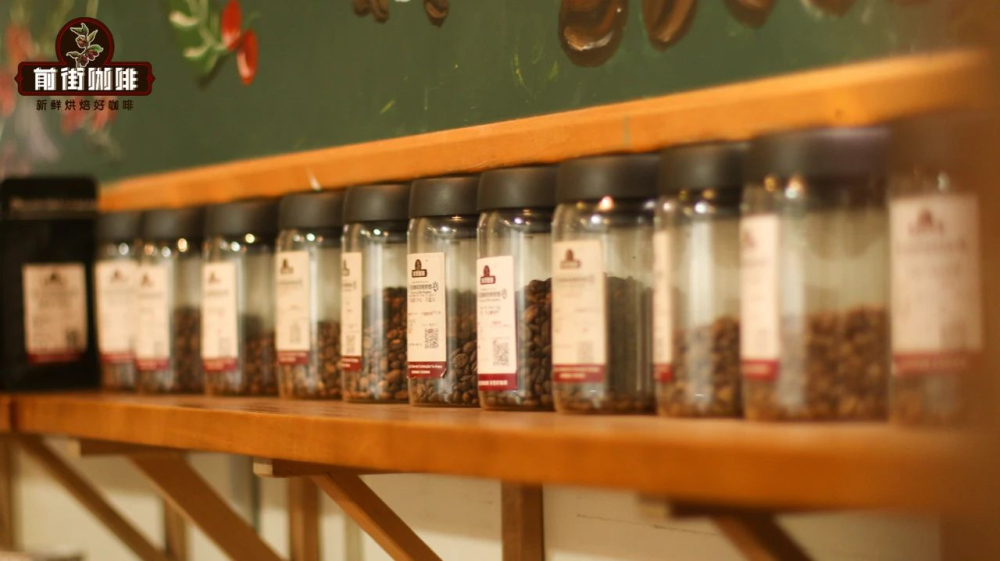
In addition to political and price factors, leaf rust spread on a large scale in El Salvador in 2013, causing production in the 2014 harvest season to plunge by nearly 60%. The reason was that at that time only 3% of the country's coffee trees were rust-resistant varieties, while the vast majority were Bourbon and Pacas, which have weaker disease resistance.
Since 2014, although private and government aid programs have boosted annual production by 7.5%, there is still a big gap from the former glory of 2.4 million bags.
In 2016, El Salvador's Ministry of Agriculture launched a new program to distribute 20 million rust-resistant plants to small farmers, striving to further revitalize the coffee industry.
At the end of 2017, the government signed a political agreement proposing to invest US$100 million over the next eight years to renew rust-resistant varieties on 70,000 hectares of land. But the report also pointed out: "The main problem is that most seedlings are uncertified, and before the plants enter the production period, there is a lack of necessary maintenance funds." At the same time, World Coffee Research established its Central American headquarters in El Salvador, has launched multiple research projects, and operates a 7-hectare research farm near Santa Ana.
Coffee Growing Conditions in El Salvador
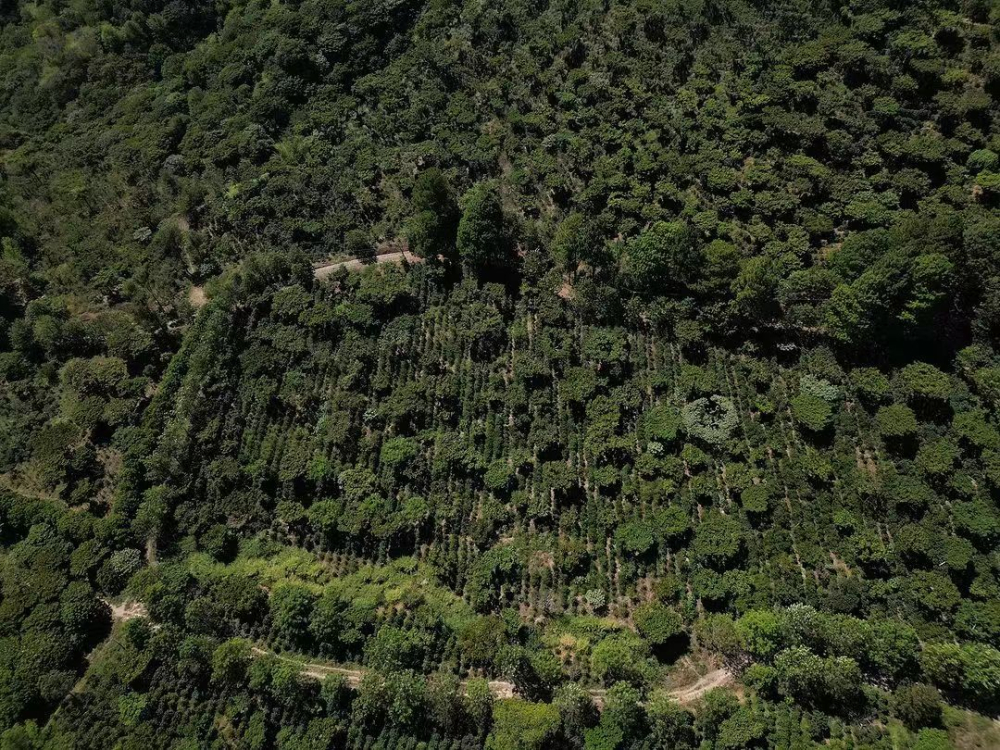
Geographically, El Salvador is sandwiched between Honduras and Guatemala, faces the Pacific Ocean to the south, and its terrain is mainly mountainous and plateau. The country is known as the "Land of Volcanoes." The volcanic zones are rich in minerals and have formed high-quality fertile soil, providing ideal conditions for coffee cultivation. Most Salvadoran coffee farms use shade cultivation, and the harvest season is concentrated from November to April of the following year.
At present, El Salvador has a total of 23,000 coffee growers, of whom nearly 90% own farms smaller than 17 hectares, and the cultivation area of small and medium-sized farmers accounts for 80% of the country's total production. In addition, about 15,000 small farmers have formed 119 cooperatives, providing economic and social support for member families.
Coffee cultivation in El Salvador is dominated by small farmers. Farmer classification is as follows:
Small producer, small producer, area less than 7.0 hect;
Medium producer, medium producer, area between 7.0-70hect;
Large producer, large producer, area greater than 70hect.
Note: 1 hect hectare = 10,000 square meters = 15 mu
Salvadoran Coffee Grading System
Salvadoran coffee is graded according to altitude; generally, the higher the altitude, the better the quality:
SHG (Strictly High Grown): ≥1200m
HG (High Grown): 900-1200m
CS (Central Standard): 500-900m
Salvadoran Coffee Producing Regions
El Salvador has nine major coffee producing regions, as follows:
Apaneca is located in western El Salvador
Coffee flavor: with an excellent aroma
Apaneca Llamatepec is located in the mountainous area of western El Salvador
Coffee flavor: the coffee has flavors of peach, cream, and chocolate, with a slight citrus acidity and a delicate mouthfeel
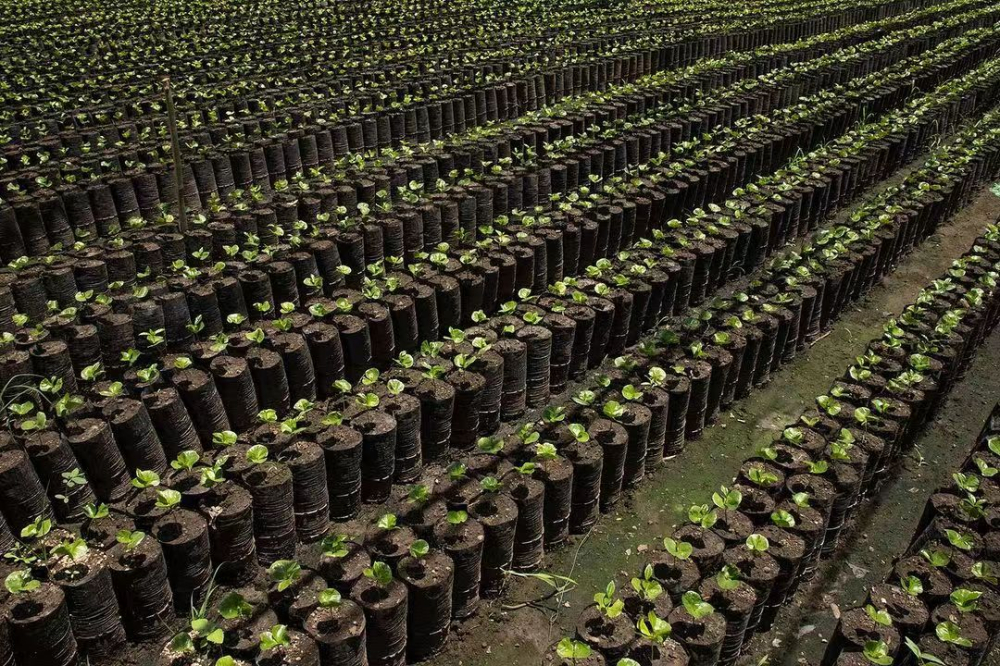
Front Street Salvadoran Lemus Estate Coffee Beans
Region: Apaneca-Ilamatepec mountain range
Estate: Finca Lemus Bella Vista
Altitude: 1,250 meters
Varieties: Bourbon, Catuai
Processing method: black honey processing
Grade: SHB
Flavor: citrus, berries, grape, cocoa, balanced
El Balsamo-Quetzaltepec is located in the mountainous area of southwestern El Salvador
Coffee flavor: with creamy flavor, excellent concentration, and a smooth mouthfeel
Cacahuatique is located between San Miguel Department and Morazan Department
Coffee flavor: with a delicate juicy flavor and almond aroma
Chalatenango is located in northern El Salvador
Coffee flavor: soft slight acidity, obvious sweetness, nutty chocolate, dense mouthfeel
Chichontepec is located in central El Salvador
Coffee flavor: with chocolate sweetness and orange aroma
Metapan is located in northern El Salvador
Coffee flavor: floral flavor, with chocolate, citrus, and a special acidic caramel sweetness balancing it out, obvious fruit flavor
Santa Ana is located in western El Salvador
Coffee flavor: aromatic flavor with slight soft acidity, good balance, smooth creamy chocolate flavor
Front Street Salvadoran Santa Ana Chocolate Lover Coffee Beans
Region: Santa Ana
Estate: El Guayabo
Altitude: 1450m
Variety: Bourbon
Processing method: 50% washed + 50% honey processed
Grade: SHB
Flavor: cocoa, caramel, cream, soft fruit acidity, berry finish
Tecapa-Chinameca is located in the area between San Miguel city, the Lempa River, and the Grande River
Coffee flavor: the coffee has a rich mouthfeel, with chocolate and the sweetness of ripe fruits such as cantaloupe, apple, and grape Salvadoran Coffee Varieties
The main coffee varieties grown in El Salvador are Typica, Bourbon, Pacas, and Pacamara.
Typica is the oldest native variety from Ethiopia. Its top leaves are bronze-colored, its beans are oval or slender-pointed, and its flavor is elegant, but the tree is weak, has poor disease resistance, and low yield. High-quality coffees such as Jamaican Blue Mountain, Sumatra Mandheling, and Hawaiian Kona all belong to the Typica family.
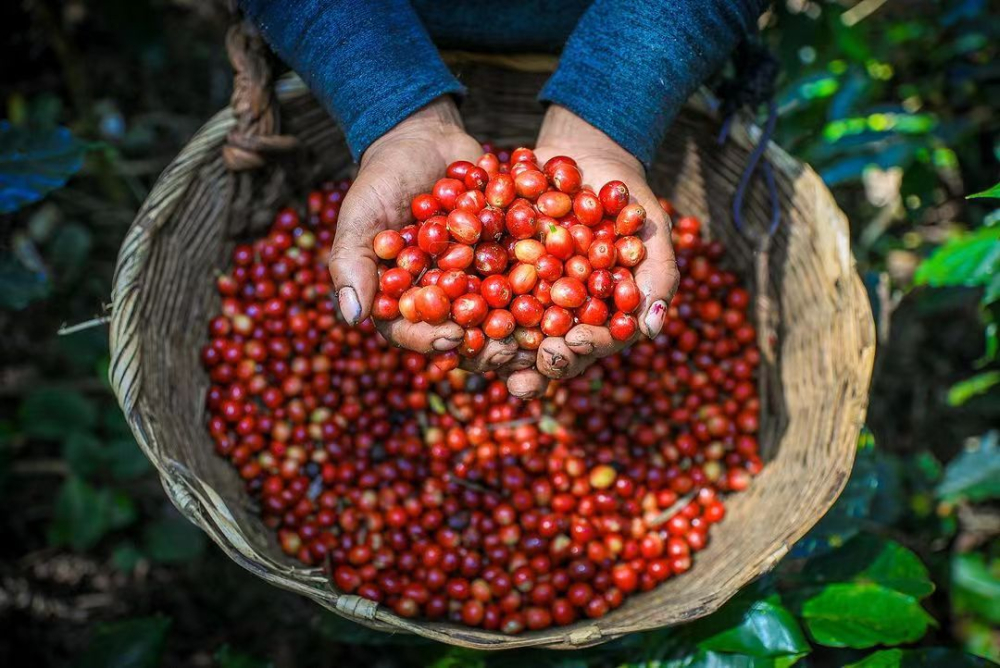
Bourbon is a variant produced after Typica was transplanted early to Yemen, and the bean shape changed from slender-pointed to round. In 1715, the French introduced the round bean of Yemen Mocha to Bourbon Island off the east coast of Africa (renamed Reunion Island after the French Revolution), and the name Bourbon comes from this. In 1727, the Bourbon round bean was introduced to Brazil and Central and South America; in 1732, the British also transplanted Yemen Mocha to the island of St. Helena (later Napoleon's place of exile), which was likewise Bourbon round bean. Bourbon has repeatedly achieved good results in American specialty coffee cupping.
Pacas is a Bourbon variant discovered in El Salvador. In 1935, local coffee farmer Pacas selected high-yielding San Ramon bourbon and moved it to his own farm for cultivation. In 1956, a friend discovered that the Bourbon on his farm bore noticeably more fruit than the same kind of coffee trees, so he invited a professor from the University of Florida to come for identification, and it was finally confirmed that a genetic mutation had occurred in the Bourbon, and the new variety was named "Pacas" after the farm owner. Because of its high yield and good quality, Pacas is quite popular in Central America.
Pacamara was first successfully bred by Salvadoran researchers in 1958, perfectly inheriting the advantages of its parent plants (Pacas and Maragogipe): it retains Pacas's excellent mouthfeel, while the green bean size also inherits the large size of Maragogipe. The beans are at least 70%-80% as large as Maragogipe, with 100% reaching screen size 17 and above, and 90% reaching screen size 18 and above. The average bean length is 1.03 cm (ordinary beans are about 0.8-0.85 cm), the average bean width is 0.71 cm (ordinary beans are about 0.6-0.65), and the thickness reaches 0.37 cm. The bean shape is plump and round. The most prominent feature of this variety is its lively and tricky acidity, sometimes showing a biscuit aroma, sometimes fruity notes, with excellent body and oily mouthfeel. Pacamara is best when produced in El Salvador and Guatemala.
How to Roast Salvadoran Coffee Beans
Taking this Lemus Estate coffee bean as an example, in order to highlight the soft acidity of Salvadoran coffee without losing its balanced mouthfeel, Front Street determined a light-medium roast approach.
How Front Street Brews Salvadoran Coffee Beans
Still taking this Lemus Estate coffee bean as an example, Front Street uses a higher water temperature together with a faster-flow V60 dripper for brewing. The higher water temperature is intended to extract the soft acidity of the Salvadoran coffee bean itself, but in order to avoid over-extraction caused by high temperature, a faster-flow dripper such as the V60 is used. The V60 dripper has a 60-degree conical shape, and the conical angle allows the coffee grounds to be concentrated together. When pouring, the water flow can also automatically converge toward the center of the dripper, ensuring sufficient contact time between water and coffee grounds, so that a suitable coffee liquid can be extracted. In addition, the ribs on the inner side of the V60 dripper extend in a clockwise spiral from the bottom to the top, leaving enough space between the filter paper and the dripper, so that the water flow has good mobility. Combined with the large hole at the bottom, the flow rate is relatively faster than that of many drippers.
Front Street's specific brewing parameters are: V60 dripper, water temperature 90°C, water-to-coffee ratio 1:15, coffee dose 15 grams, grind size (80% passing through China standard No. 20 sieve)
Front Street uses staged extraction. The amount of water for blooming is twice the coffee grounds, that is, 30 grams of water for a 30-second bloom. Pour in a small stream in circles to 125 grams, then pause. When the water level drops and is about to expose the coffee bed, continue pouring to 225 grams and stop. The total extraction time is 2 minutes.
For more specialty coffee beans, please add the private WeChat of Front Street Coffee (FrontStreet Coffee), WeChat ID: kaixinguoguo0925
The above content is compiled by CoffeeHunters, a coffee news website.


