







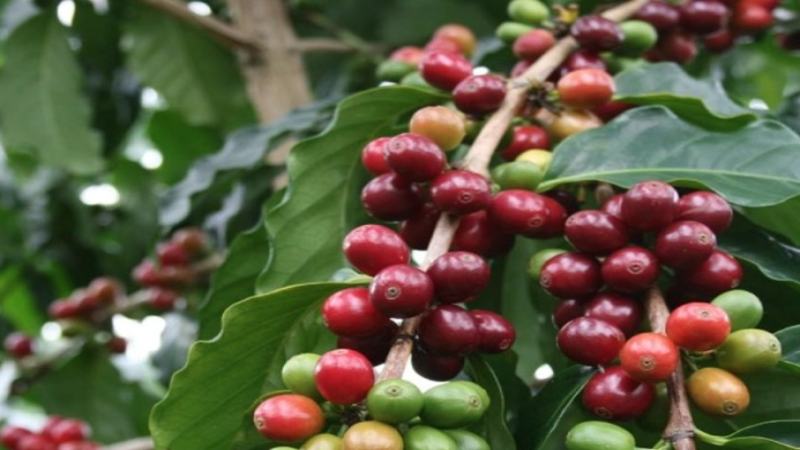
Which Coffee Producing Regions and Varieties Define Bolivia?
Bolivia's specialty coffee revival centers on the Rodriguez family and Pedro Rodriguez, whose estate beans have been bought by roasters such as Intelligentsia. Japanese competitor Miki Suzuki took runner-up at the 2017 World Brewers Cup using Geisha from his farm. Bolivian coffee is drawing attention again for its high-altitude terroir and quality.
The country is landlocked in South America, bordering Brazil, with average elevations above 3,000 meters and a capital, La Paz, above 3,600 meters. Annual output is only about 223,000 bags, held back by weak infrastructure and transport. Among coffee producing regions, Bolivia remains small, though Java variety lots from the Rodriguez family show balanced acidity, sweetness, and a creamy mouthfeel.
In the landlocked South American country of Bolivia, the development of specialty coffee is inseparably linked to the Rodriguez family, especially Pedro Rodriguez, who is regarded by the industry as a key figure in Bolivia's coffee revival. From trendsetting brands like Intelligentsia snapping up his beans year after year, to Japanese competitor Miki Suzuki winning runner-up at the World Championship with Geisha from his estate, Bolivian coffee is returning to the spotlight with its unique terroir and outstanding quality. Front Street Coffee recently cupped the Coco Natural Java produced by the Rodriguez family, as well as the Washed Java Typica from the El Sol de Mañana project, and the flavors were stunning. This article will sort through the turbulent history of Bolivian coffee, the characteristics of its producing regions, the contributions of the Rodriguez family, and the varietal origins of Geisha and Java, to give you a comprehensive understanding of the coffee charm of this high-altitude producing country.
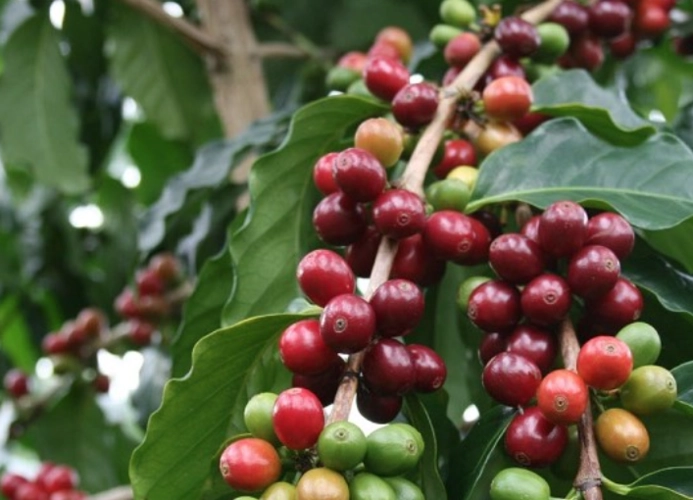
In specialty coffee circles, mention Pedro Rodriguez of Bolivia and almost everyone knows the name—he is seen as the central figure in the revival of Bolivia's coffee industry. Many well-known specialty coffee brands, such as Intelligentsia, compete to purchase his coffee beans every year. Miki Suzuki, the competition representative of Japan's Maruyama Coffee, chose Geisha from an estate under Pedro's banner, won the Japanese championship, and took runner-up at the 2017 World Brewers Cup.
Speaking of Bolivian Geisha, Front Street Coffee previously cupped a Java variety that is related to Bolivian Geisha, displaying an elegant and unique flavor, with balanced acidity and sweetness and a creamy, smooth mouthfeel.
Bolivia is a landlocked country in South America, bordering Brazil. The country has diverse terrain, from the towering peaks of the Andes to vast salt flats, with an average altitude exceeding 3,000 meters. Its constitutional capital is Sucre, while the government's actual seat, La Paz, sits at over 3,600 meters above sea level, making it the highest capital in the world. The high altitude provides natural advantages for coffee cultivation, yet Bolivia's coffee industry remains weak, with annual production of only about 223,000 bags (60 kg each).
The low production volume has multiple causes. First, poor transportation conditions: the roads in coffee-growing areas are rugged and dangerous, making it hard to transport coffee out smoothly. The North Yungas Road is recognized as the world's most perilous road, with mountain paths hugging cliffs and lacking guardrails. Fog is frequent, rollover accidents are constant, and hundreds of people die on it each year, earning it the name "El Camino de la Muerte" (Death Road). This creates a huge obstacle for coffee transportation. In recent years, the Bolivian government has recognized the importance of safe transport for exports and is investing heavily in road construction.
Another key factor is the country's sparse population—only about 10.5 million—and most people live in poverty. Growing coca leaves (used for drugs) is more profitable and more secure, leading many farmers to abandon coffee, or even abandon their farms entirely. Coca cultivation requires large amounts of chemical pesticides and fertilizers, causing severe soil damage.
In addition, the 2013 leaf rust outbreak caused Bolivia to lose 50% of its coffee production in just one year, directly reducing it to a minor coffee-producing country.
The Development History of Bolivian Coffee
In 1880, Bolivian coffee production was relatively large-scale, mainly concentrated on some large farms north of La Paz.
In 1991, the government launched a plan to encourage indigenous people to grow coffee, but it did not emphasize quality. At the same time, the government encouraged coca leaf cultivation, which was four times more profitable than coffee, causing many farmers to abandon coffee, and even completely abandon their farms.
In the early 2000s, the United States provided substantial aid to Bolivian agriculture, but because the Bolivian government supported coca cultivation, relations between the two countries deteriorated, and coffee farmers suffered the most. Subsequently, under Bolivia's limited resumption of anti-drug operations, many coffee development programs were restarted, such as the COE held with support from the United States Agency for International Development (USAID).
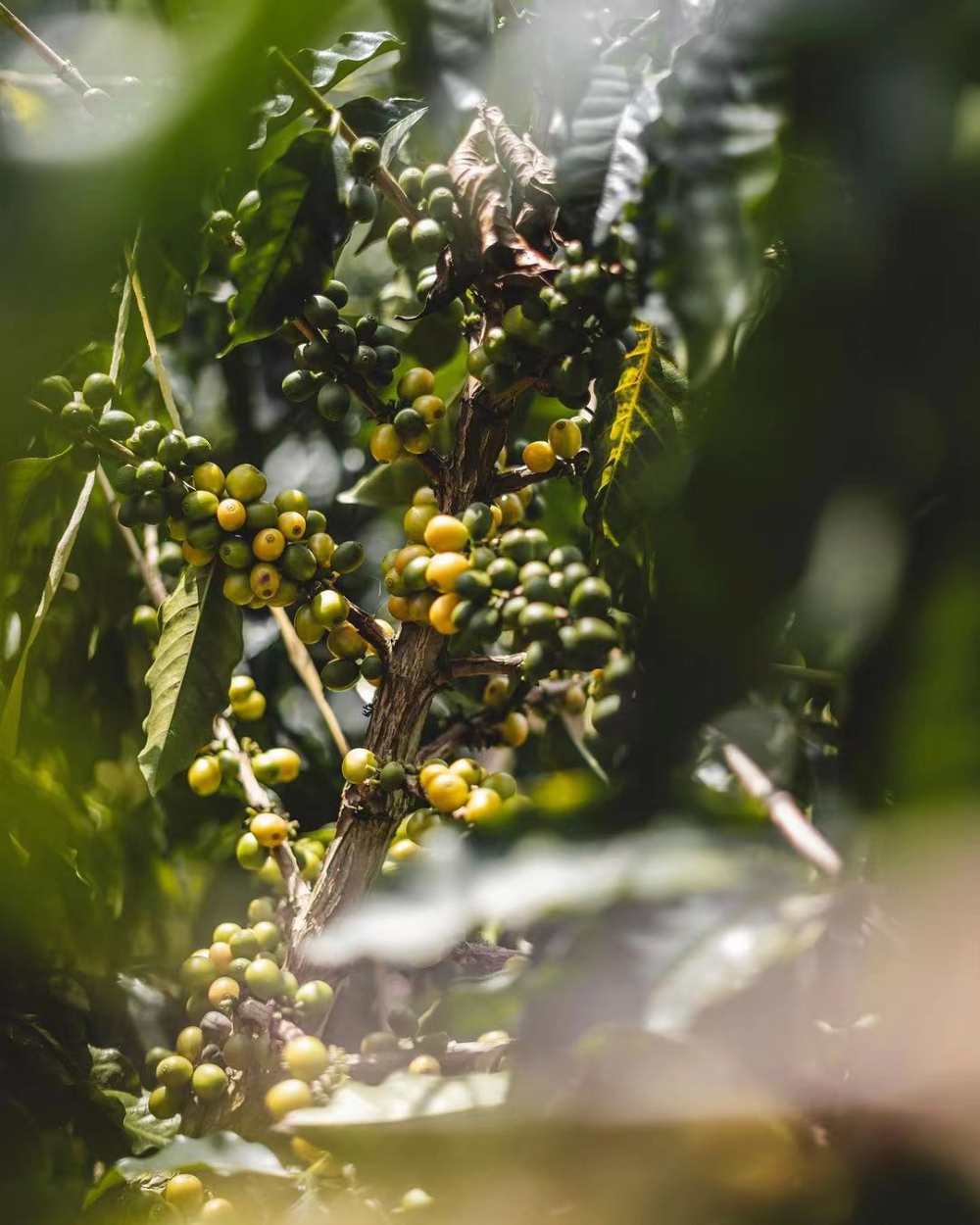
In 2004, the Cup of Excellence (COE) was held in Bolivia. At that time, 13 specialty lots scored above 84 points in cupping, and the champion lot scored as high as 90.44 points, driving green bean prices upward.
In 2009, Bolivia participated in the COE competition for the last time, and since then, due to political factors, it has not returned.
In 2013, leaf rust struck, and combined with the government's coca leaf policy, Bolivia's coffee production fell by 70% over the previous decade, reducing it to a minor coffee-producing country.
In 2018, Bolivia signed a coffee export quality inspection agreement with China.
In 2019, political turmoil in Bolivia made everything uncertain again; the coup paralyzed cities and made coffee exports extremely difficult.
Cultivation Model
Bolivian coffee can usually be traced back to a single farm or cooperative. Due to land reform, landlords with vast tracts of land have been greatly reduced since 1991. The country's 23,000 coffee-growing families all cultivate small plots of about 1.2 to 8 hectares.
Coffee Producing Regions
Bolivia's main coffee-producing region is Yungas, with cultivation at altitudes between 800 and 2,300 meters, a harvest period from July to November, and 95% of the country's coffee comes from here. Yungas is located on the eastern side of the Andes, covered by a continuous forest that extends from Peru through Bolivia and into Argentina. This region has some of the highest-altitude coffee in the world and is also Bolivia's oldest coffee-producing region. The government seat of La Paz mentioned earlier is located in the western part of this region.
Besides Yungas, Santa Cruz and Beni also grow coffee. Santa Cruz is located in the easternmost part of Bolivia, but its altitude is not high enough, so high-quality coffee is rare there, accounting for about 3% of national production.
The Rodriguez Family
The development of Bolivian specialty coffee owes much to the Rodriguez family. The family began growing coffee in 1986. Affected by multiple factors such as policies and natural disasters, Bolivian coffee estates gradually decreased. To develop the coffee industry, the Rodriguez family began buying land and establishing new estates to grow high-quality specialty coffee, such as Bolivian Geisha.
The Rodriguez family owns a total of 12 estates, 4 in Santa Cruz and 8 in Caranavi, La Paz. The estates have integrated harvesting, processing, packaging, and exporting.
[El Sol de Mañana] was initiated in 2016 by the Rodriguez family to support smallholders in growing high-quality coffee. By providing more vocational training and knowledge and skills, discounts on the latest coffee seeds and related consulting, and fairer trading prices; at the same time, it established a reward mechanism to encourage coffee farmers who farm diligently and reach a certain cupping score, thereby improving local coffee quality and bringing farmers' income and quality into a virtuous cycle of sustainable operation.
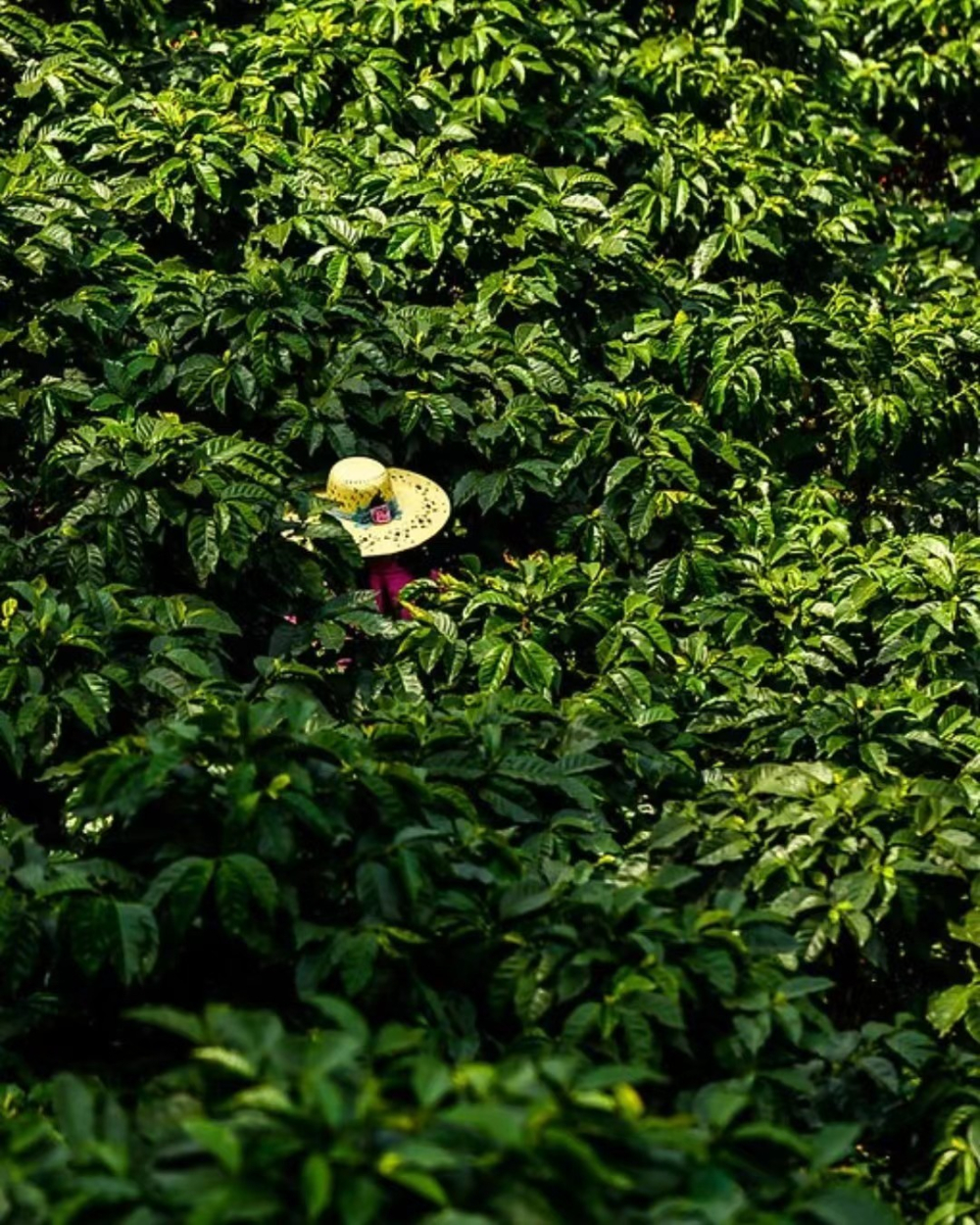
Front Street Coffee previously cupped a batch of Washed Java Typica from the El Sol de Mañana project. The flavor was rich, with soft strawberry acidity, caramel sweetness, and a slight cocoa and almond finish.
Coffee Varieties
Bolivia's traditional varieties mainly include Typica, Catuai, and Red and Yellow Caturra. With the advancement of the specialty coffee wave, over the past two decades, several estates have introduced varieties such as Bolivian Geisha, Pacamara, and SL28. The Rodriguez family's Bolivian Geisha seeds came from the world-renowned Hacienda La Esmeralda.
Java Nica, on the other hand, originates from an Ethiopian branch called Abysinia and is an ancient heirloom variety. This branch belongs to the same lineage and the same place of origin as Geisha, and also has excellent floral and fruity flavors, so Java is often called Geisha's cousin.
However, Front Street should remind you that the Java mentioned here is different from Java in Indonesia. Indonesian Java is actually a synonym for a coffee-producing region, while Bolivia's Java is a coffee variety; moreover, Indonesian Java has lost its innate excellent genes through centuries of movement, and the two belong to different branches.
Front Street will briefly review how Java came to the Americas. After Indonesia, the Java variety first spread to the nearby Timor archipelago, then to Cameroon in East Africa, and was first released to farmers for cultivation in Cameroon in 1980.
In 1991, to provide small coffee growers with more varietal choices while also taking into account conditions such as low fertilizer requirements, the then CIRAD (International Center for Agricultural Research and Development) introduced Java to Costa Rica, after which it was brought to various countries in Central and South America, and Java was found to perform well in flavor at high altitudes.
As Java was planted in Central America, Nicaragua's Mierisch family was the first to bring this variety to the attention of the specialty coffee market; to distinguish Indonesian Java coffee from the Java variety, they named the Central American Java variety JAVA NICA (meaning Java from Nicaragua). Java coffee has emerged in Central and South America in recent years, and after coming to Bolivia, it has been carefully cultivated by the Rodriguez family.
This year, Front Street cupped a Bolivian Coco Natural Java, produced by the Rodriguez family. It comes from a small estate called Waliki, located in the Bolinda community in a dense, steep valley about 10 kilometers outside Caranavi, La Paz, Bolivia, at an altitude above 1,600 meters. The area has a cold climate, and the coffee growing cycle is relatively long. Below, Front Street will introduce this bean in detail.
Processing Method
From the 1990s to the 2000s, thanks to development projects funded by foreign aid that established coffee washing stations, the vast majority of Bolivian smallholders used traditional washed processing. A few large estates, in addition to classic processing methods such as natural, washed, and honey, are also trying special processing methods such as anaerobic fermentation and yeast. The Rodriguez family is one of them.
As mentioned earlier, Front Street cupped a Bolivian coffee bean processed with Coco Natural, and Coco Natural processing was developed by the Rodriguez family. After selection and weighing, the coffee cherries are carefully washed and placed on raised African drying beds to dry, being turned every hour. After about a week, the coffee cherries are placed in a cocoa dryer.
Cocoa dryers had never been seen used for coffee bean processing before, but Pedro of the Rodriguez family has always innovated and tried different processing techniques, discovering that cocoa dryers can dry coffee beans slowly and continuously at low temperatures, thereby reducing the impact of weather conditions.
The coffee beans are placed in large steel drums at a temperature not exceeding 40 degrees Celsius for about 35 hours, being turned every 30 minutes. After drying, they are transported to La Paz to rest, and then hulled at a dry mill. The mill uses machinery for careful hulling and sorting, and in addition, manual sorting under ultraviolet and natural light is required.
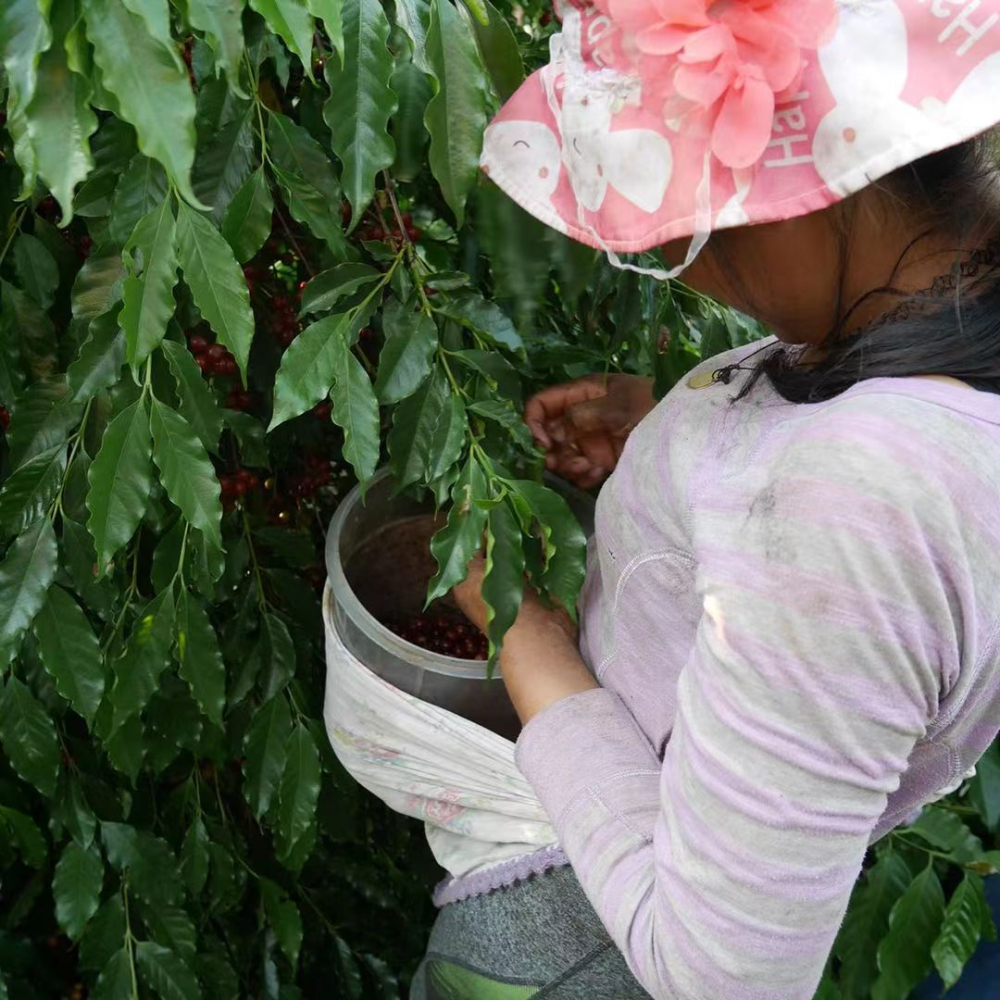
Front Street Coffee: Bolivia Waliki Estate Coco Natural Java Bolivia Waliki Coco Natural Java Coffee region: La Paz Growing altitude: 1,600 meters Coffee variety: Java Processing method: Coco natural
Roasting Suggestions
To bring out the aroma and juicy character unique to the Java variety, Front Street adopted a light roast profile.
Front Street Coffee Bolivia Java Coffee Bean Roast Curve
Cupping Flavors Dry aroma: fermented aroma, grape Wet aroma: honey, floral Palate: grape, citrus, honey, nut, cream
The above content is compiled by CoffeeHunters, a coffee news website.


