







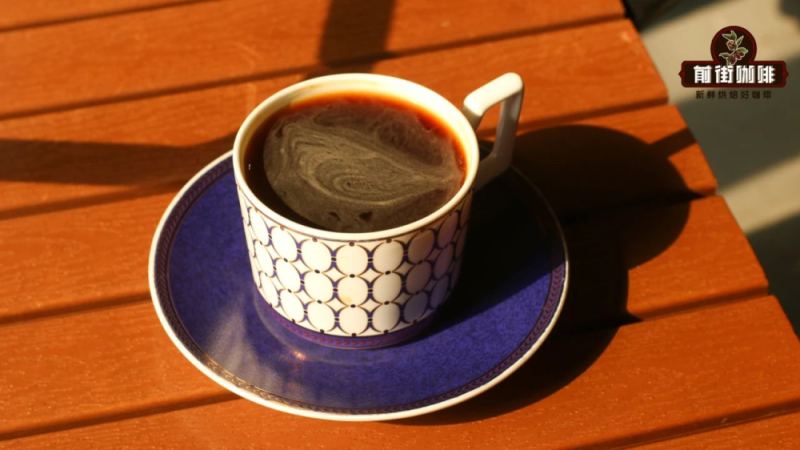
Why Does Honduran Coffee Smell Like Alcohol?
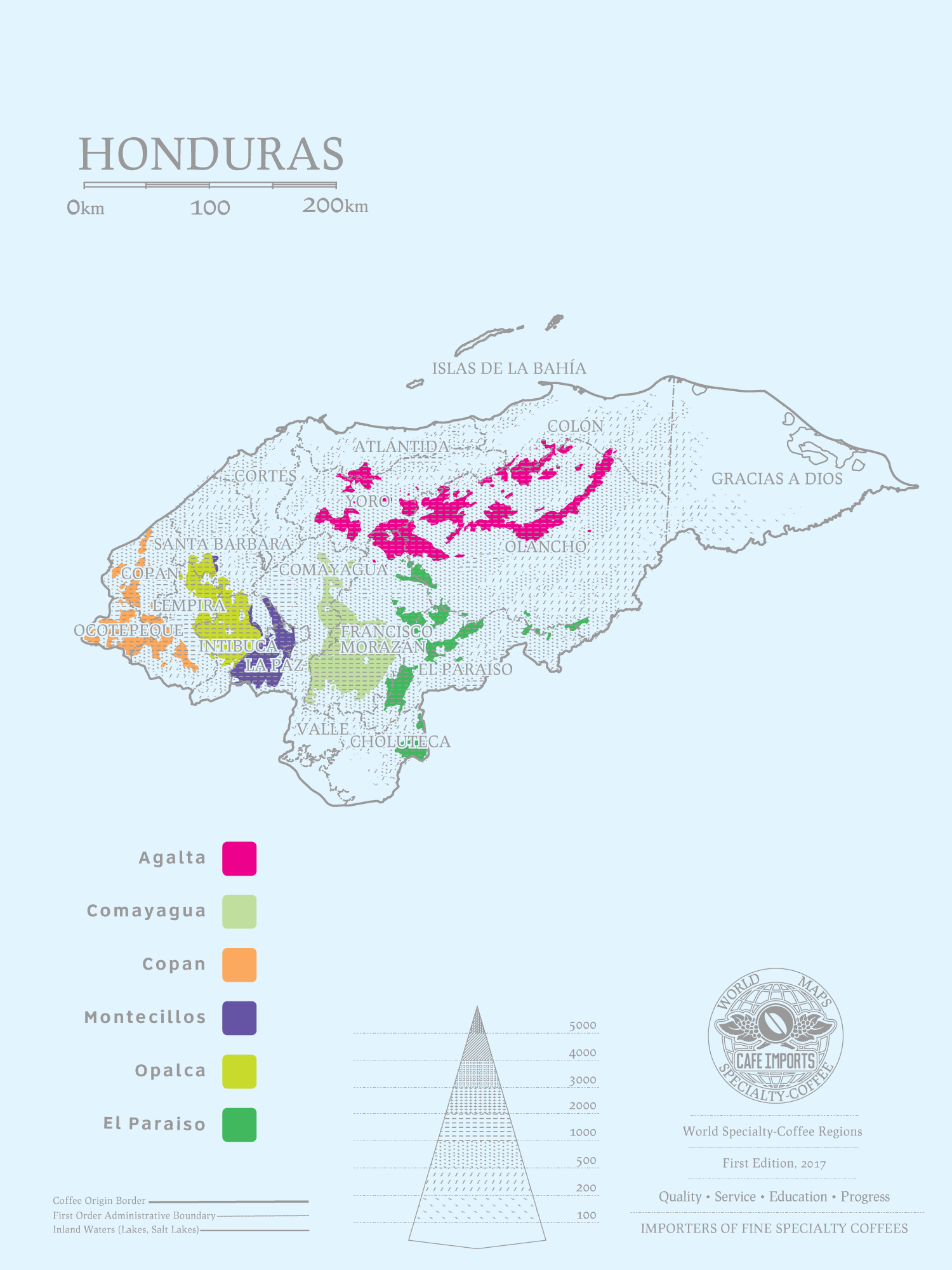
Honduras is the largest coffee producer in Central America, and its mild tropical climate and abundant rainfall support a range of regional styles. The country splits into six producing regions: Copan, Montecillos, Agalta, Opalaca, Comayagua and El Paraiso. Beans from 1,000 to 1,500 meters are Highland coffee, and 1,500 to 2,000 meters is Special Selected Highland.
The wine-like aroma comes from processing. Whisky barrel fermentation, alongside washed processing, gives certain lots a distinct sherry or wine character, which is why coffee smells like alcohol to some drinkers. Main varieties include Caturra, Catuai and Pacas. This fits the modern habit of coffee in the morning and alcohol at night, without confusing coffee after drinking alcohol with fermentation aroma.
Honduras, as the largest coffee producer in Central America, nurtures high-quality coffee with diverse styles thanks to its mild tropical climate and abundant rainfall. This article systematically reviews the terroir characteristics and cup performance of Honduras's six major coffee regions, explains the origins of main varieties such as Caturra, Catuai, and Pacas, and deeply analyzes how washed processing and whisky barrel fermentation give coffee a unique wine aroma. At the same time, Front Street Coffee's Sherry and Lychee Orchid beans will also serve as examples to present the complete picture of Honduran coffee from origin to cup.
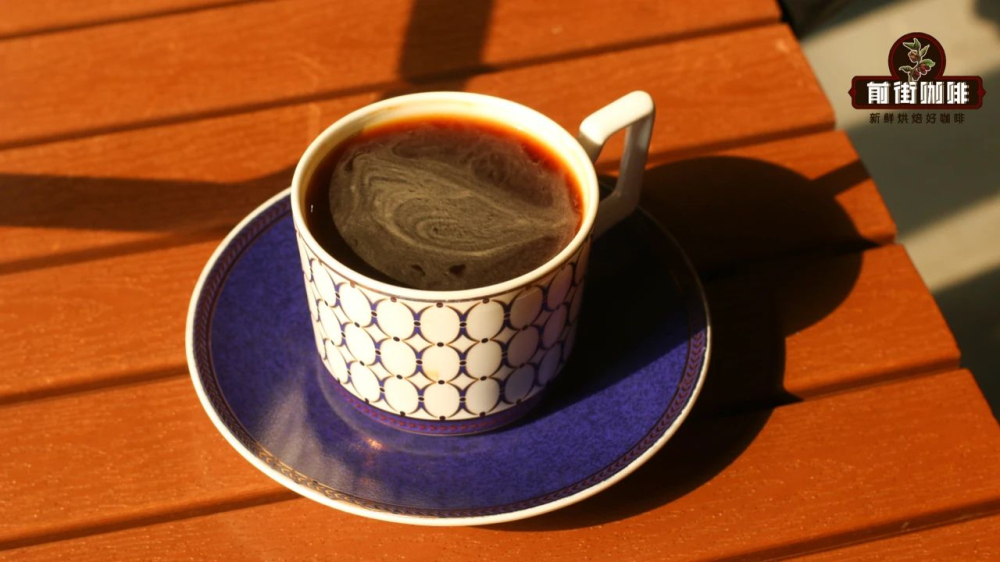
The domestic beverage consumption market continues to expand, and the previously clearly separated consumption scenarios of coffee and alcoholic drinks are now being cleverly integrated by lifestyles such as "C in the morning, A at night." Some friends need to wake up in the morning but find it hard to give up the aroma of alcohol—at this time, a coffee bean with inherent wine-like characteristics becomes an ideal choice. Customers often walk into Front Street stores and order a pour-over made with Sherry coffee beans from Honduras. After tasting it, they are deeply impressed by that unique wine aroma and want to learn the story behind this bean. Below, Front Street will introduce Honduran coffee beans to everyone.
Honduras
Honduras is located in northern Central America, bordered by the Caribbean Sea to the north, connected to the Pacific Ocean's Gulf of Fonseca to the south, adjacent to Nicaragua and El Salvador to the southeast, and bordering Guatemala to the west. Its terrain is mainly mountainous and plateau. The country has a tropical climate, with suitable temperatures and abundant rainfall, providing unique natural conditions for coffee cultivation.
Among the coffee produced in Honduras, two types are outstanding in quality and highly favored by enthusiasts. One is "Highland Coffee" grown at altitudes of 1,000 to 1,500 meters, and the other is "Special Selected Highland Coffee" grown at altitudes of 1,500 to 2,000 meters, representing the country's highest grade.
At present, Honduras is already the largest coffee-producing country in Central America. Its coffee-producing regions can be divided into six: Copan, Montecillos, Agalta, Opalaca, Comayagua, and El Paraiso.
[Copan]
The Copan region is located in western Honduras, close to the Guatemalan border. The average altitude in this area is between 1,000 and 1,500 meters, with high air humidity and obvious temperature differences between day and night, with the lowest temperature dropping to 11.5°C.
[Montecillos]
The coffee-growing belt in the Montecillos region has an average altitude of about 1,200 to 1,600 meters. The lower nighttime temperatures are conducive to the slow ripening of coffee cherries, thereby enhancing the sweetness of the final product. Coffee from this region presents fruit aromas such as citrus, peach, and apricot, with caramel-like sweetness and a smooth mouthfeel.
[Agalta]
The Agalta region is located in southeastern Honduras, with a more tropical climate, and the growing altitude ranges from 1,100 to 1,400 meters. Coffee from this region is mainly characterized by tropical fruit and chocolate flavors, with lower acidity and a caramel sweetness.
[Opalaca]
The Opalaca region is adjacent to Copan, and common grown varieties include Bourbon, Catuai, and Typica. The altitude range is between 1,100 and 1,500 meters. Coffee from this region has more complex flavor layers, more refined acidity, and a more balanced aftertaste.
[Comayagua]
Comayagua is located in central Honduras and was once the region with the highest coffee production in the country in 2016. Coffee from this region has citrus-like acidity and a creamy mouthfeel.
[El Paraiso]
The El Paraiso region is located in southern Honduras, bordering Nicaragua. The growing altitude is between 1,000 and 1,400 meters, and the temperature is relatively high, ranging from 16°C to 22.5°C. This region is the largest and oldest coffee-producing region in Honduras.
Coffee Bean Varieties
Front Street's bean list currently includes two Honduran coffee beans—Sherry and Lychee Orchid. Among them, Lychee Orchid's varieties are Caturra and Catuai; Sherry includes three varieties: Caturra, Catuai, and Pacas.
[Caturra]
Caturra is a natural mutation of Bourbon, discovered between 1915 and 1918 on a plantation in Minas Gerais, Brazil. This variety has a short plant, so it can be planted at higher density. In the 1940s, Caturra was introduced to Guatemala, and then gradually spread to Costa Rica, Honduras, and Panama.
[Catuai]
Catuai was bred by the Agricultural Research Institute of São Paulo State in Brazil by crossing Mundo Novo and Caturra. This variety has an even shorter plant and higher planting density, but is more susceptible to pest damage.
[Pacas]
The Pacas variety was discovered in 1949 on a farm of the Pacas family in the Santa Ana region of El Salvador. In 1960, the Salvadoran Coffee Research Institute (ISIC) launched a Pacas pedigree selection program, selecting individual plants through consecutive generations. Honduras's IHCAFE introduced and began planting Pacas in 1974. This variety is also a natural mutation of Bourbon. Similar to Caturra, the plant is relatively short, but yields are higher and quality is excellent.
Processing Methods
High-quality Honduran coffee is usually processed by the washed method. First, soaking is carried out. During this process, defective fruits float to the surface and can be drained away and discarded first. Then the intact fruits are sent to a depulper, where the skin is removed by mechanical rotation. The depulped fruits are then machine-sorted to select excellent beans. Usually, the larger the fruit, the better the maturity.
After the washing stage, FrontStreet Coffee's Honduran Sherry coffee beans are also placed in wine barrels for fermentation. Sherry belongs to the whisky barrel fermented coffee bean category.
Front Street Honduras Sherry
Region: Mocca Estate, Marcala, Honduras
Altitude: 1500m——1700m
Processing method: Fine washed + whisky barrel fermentation
Varieties: Caturra, Catuai, Pacas
After washed processing, Front Street's Sherry is placed into Sherry whisky barrels and fermented for 30 to 40 days at a low temperature of 15°C to 20°C, then moved to a shaded area to dry. The reason sunlight exposure is not used is that the temperature increase from sun-drying decomposes the wine aroma and may even produce more fermented acidity.
Brewing Suggestions
FrontStreet Coffee brewing parameters
Dripper: Hario V60
Water temperature: 90°C
Coffee dose: 15 grams
Coffee-to-water ratio: 1:15
Grind size: EK 43s#10 (80% passing through a standard No. 20 sieve)
Brewing method: When brewing Honduras Sherry, Front Street uses a three-stage pouring method. First, pour 30 grams of water to completely wet the coffee grounds and let it bloom for 30 seconds; then pour in a small stream in circles until 125 grams, then pause; when the water level in the dripper drops to the point where the coffee bed is about to be exposed, pour again in circles until 225 grams and stop; after all the water in the dripper has dripped into the server, remove the dripper. The total extraction time (starting from the bloom) is 2 minutes 00 seconds.
Honduran coffee has a rich and mellow mouthfeel, neither astringent nor sour, with outstanding body and aroma and a distinct character. Front Street's Honduras Sherry is exactly like this—creamy smoothness on entry, accompanied by whisky aroma and vanilla notes, berry-like acidity, and an aftertaste of dark chocolate and honey.
Professional Coffee Knowledge Sharing
More Coffee Bean Information
Please follow the WeChat public account: FrontStreet Coffee
The above content is compiled by CoffeeHunters, a coffee news website.


