







Search Results for: San Pedro Estate
Colombian Geisha Coffee Flavor Analysis: A Complete Record of Cultivation at San Pedro Estate, Washed Processing, and Roasting & Brewing
Geisha has always been a top-tier name in the specialty coffee world, with Panama Geisha enjoying the most dazzling halo, but Colombia Geisha is equally not to be underestimated. This article takes you into Finca San Pedro in the Tolima region of Colombia to learn about this Geisha's terroir, washed processing flow, green bean information, and roasting curve, along with cupping and brewing records. From floral and citrus notes to a black tea finish, see how this Colombian Geisha recommended by Front Street Coffee showcases soft and elegant sweet-acidity layers with a lingering sweet aftertaste. [more…]
A Complete Analysis of Bolivian Coffee Estates: Terroir and Varieties — From San Angel to Illimani, the Flavors of Specialty Beans
Bolivia, with its high altitudes and tropical climate, has become a coffee origin that cannot be overlooked in the specialty coffee world. This article takes an in-depth look at several representative estates in the country—San Angel, Sugar Mill, Castle Ruins, Brugmansia, Wish, Alpaca, Provincial Eagle, and more—covering the cultivation stories and flavor characteristics of varieties such as Typica, Caturra, Java, and Geisha, and explaining how the Sunrise Project helps local coffee farmers improve quality. Front Street Coffee also continues to follow the unique performance of these estates. [more…]
Guatemala Huehuetenango El Progreso Estate Coffee Beans: A Comprehensive Guide to Processing Methods and Flavor Characteristics
Located in the Huehuetenango region of Guatemala, Finca Providencia has been run by the Palacios family since 1954 and has now passed down through three generations. The estate sits at an altitude of between 1,550 and 1,900 meters and mainly cultivates varieties such as Caturra, Bourbon, Mundo Nuevo, and Catuai. The coffee is washed-processed and sun-dried on African raised beds, yielding a cup with layered notes of hazelnut, apple, raisin, and chocolate. This article will give you an in-depth look at the estate's geographical environment, cultivation challenges, harvest and processing details, as well as Front Street Coffee's professional recommendation of this bean. [more…]
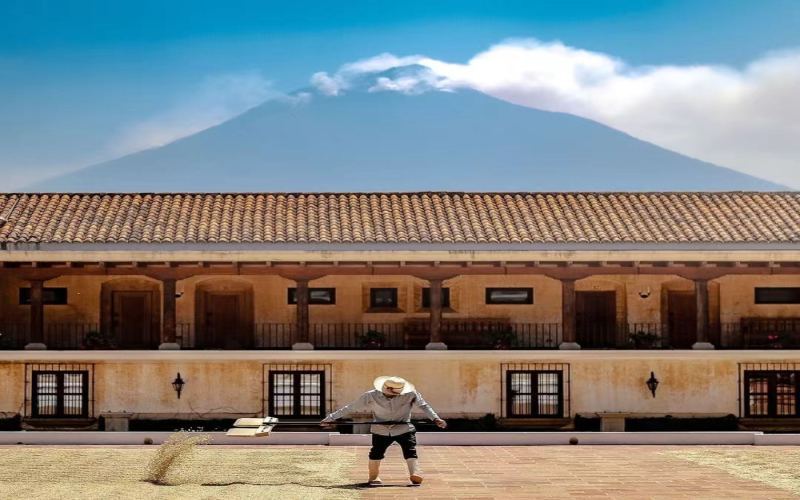
Guatemala Huehuetenango Rose Estate Geisha: Rose Aroma and Flavor Analysis Under Washed Processing
In the high-altitude mountains of northwestern Guatemala, the Huehuetenango region nurtures many specialty coffees with its unique terroir. Among them, Finca Las Rosas has been growing coffee since 1915. After a century of inheritance, it is famous for its washed Geisha and has twice been selected for the C.O.E winners' list. This article will explore in depth whether the Geisha coffee from this estate carries rose flavors, and analyze the regional characteristics, varieties, and processing methods of Guatemalan coffee. At the same time, Front Street Coffee's Huehuetenango and Flor del Café, as everyday beans, will also provide coffee lovers with practical brewing suggestions and flavor references. [more…]
Guatemalan Coffee Origin Story and Flavor Analysis: Huehuetenango La Rosa Estate Geisha and Pour-Over Techniques
Guatemala, with its high-altitude volcanic terrain and more than three hundred microclimates, nurtures specialty coffee renowned worldwide. This article takes you into Rose Estate in the Huehuetenango region to learn about its century-long history and the distinctive rose flavor of its washed Geisha beans, while also outlining Guatemala's eight major producing regions, main varieties, and washed processing methods. You will also see Front Street Coffee's roasting approach for Guatemalan beans and V60 three-pour brewing parameters, as well as a flavor comparison between two beans, Huehuetenango and Flor del Café. Whether you are a beginner just getting started or a seasoned enthusiast, you will find practical references here. [more…]
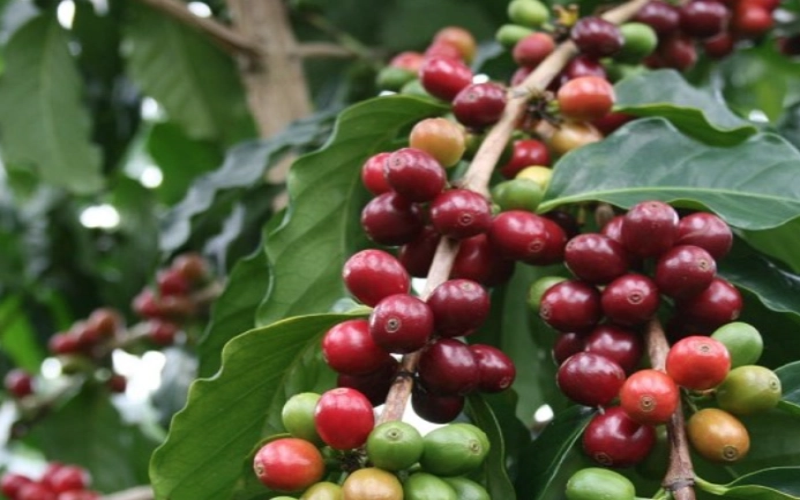
The Road to Revival of Bolivian Coffee: Exploring the Flavors of Pedro Rodríguez, Geisha, and Java Varieties
In the landlocked South American country of Bolivia, the development of specialty coffee is inseparable from the Rodríguez family, especially Pedro Rodríguez, who is regarded by the industry as a key figure in Bolivia's coffee revival. From trendy brands like Intellectuals snapping it up year after year, to Japanese competitor Miki Suzuki winning the World Runner-Up title with Geisha from his estate, Bolivian coffee is returning to the spotlight with its unique terroir and exceptional quality. Front Street Coffee recently cupped the Cacao Natural Java produced by the Rodríguez family, as well as the Washed Java Typica from the Tomorrow's Sun project, and the flavors were stunning. This article will trace the ups and downs of Bolivian coffee history, the characteristics of its producing regions, the contributions of the Rodríguez family, and the varietal origins of Geisha and Java, giving you a comprehensive understanding of the coffee charm of this high-altitude producing country. [more…]

A Complete Analysis of the Flavor and Origin of Guatemala Huehuetenango Rose Estate Geisha Washed Coffee
This article provides an in-depth introduction to the Geisha washed coffee from Rose Estate in the Huehuetenango region of Guatemala, covering the estate's century-long history, its COE award experience, and the flavor characteristics of the Geisha variety, while also systematically outlining Guatemala's eight major coffee regions, coffee varieties, and the washed processing method. It also shares Front Street Coffee's roasting approach and V60 brewing parameters for two beans, Huehuetenango and Flor de Guatemala, offering coffee enthusiasts a complete reference from origin to cup. [more…]
2022 China Coffee Bean Price Guide and Buying Guide: What Beans to Use for Opening a Coffee Shop and How to Calculate the Cost per Jin
For friends who want to open a coffee shop or are currently running a café, one of the most pressing questions is: how much does coffee beans cost per catty, and where can you buy them with the best value for money? This article compiles the latest 2022 quotes and purchasing insights from China's coffee bean market, covering estate-level coffee beans from major producing regions such as Ethiopia, Indonesia, Jamaica, Panama, Colombia, and Yunnan, the price ranges from half a pound to one pound, and how different roast levels and processing methods affect flavor and cost. It also specifically retains product information and recommendations from Front Street Coffee, helping you make clearer judgments when selecting beans for your shop. [more…]
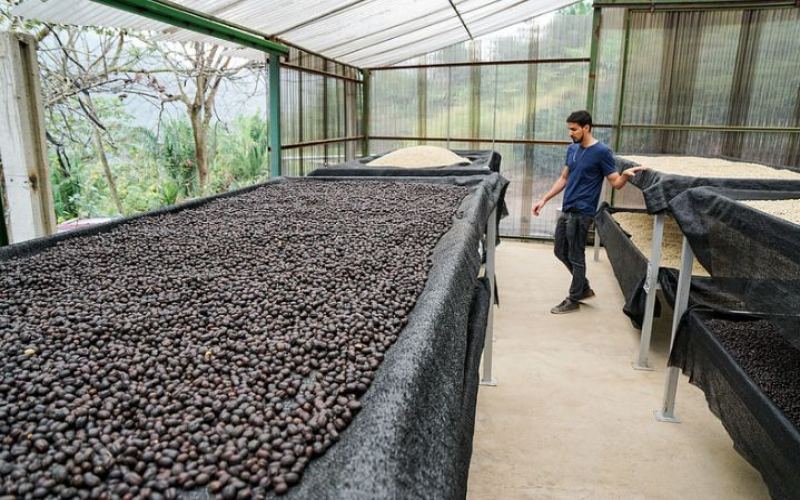
Bolivia Waliki Estate Java Coffee Beans: The Rodriguez Family's Cultivation Story and Roast Flavor Analysis
Although Bolivia is landlocked and produces scarce amounts of coffee, its superior natural conditions give rise to distinctive specialty coffee. The Rodríguez family has cultivated deep expertise over many years through Agricafe, growing special varieties such as Geisha and Java at the Huari Estate in the Caranavi region. Among these, the Java variety originated in Ethiopia and made its way to Bolivia via Indonesia and Central America, and is known for its elongated bean shape and outstanding flavor. Front Street Coffee is pleased to present this natural-process lot of Java beans from the Huari Estate, roasted on a Yangjia 800N semi-direct-fire roaster, with a cupping profile of hazelnut, cream, citrus, and fermented wine aromas. This article provides a comprehensive analysis of its origin background, variety lineage, processing method, and brewing recommendations. [more…]
What Variety Is Geisha Coffee? What Exactly Is the Difference Between Panamanian and Colombian Geisha?
Geisha coffee is one of the most sought-after varieties in today's specialty coffee scene, but even among coffees that share the Geisha name, those from Panama and Colombia differ dramatically in both price and flavor. Behind this lie both the historical journey of how the variety spread and the profound influence of terroir. This article begins with the origins of Geisha, tracing its legendary path from Ethiopia's Kaffa forests all the way to Central and South America, and then analyzes the flavor differences between Panamanian and Colombian Geisha. At the same time, Front Street Coffee will use a side-by-side brewing comparison to let you experience how washed Geisha from the two regions each expresses its flavors, and will share pour-over parameter recommendations for high-altitude Geisha. [more…]

Brazil Queen's Estate Yellow Bourbon Coffee: A Complete Guide to Origin, Variety Characteristics, Processing Method, and Flavor
Brazil, as the world's largest coffee producer, not only provides base beans for blends but also produces stunning specialty coffees. Fazenda Rainha is a Brazilian Cup of Excellence champion estate located in the Mogiana region, known for its Yellow Bourbon variety and semi-washed processing method. This article will guide you through the legendary origins of Brazilian coffee, its geographical growing conditions, the pandemic's impact on the industry, as well as Fazenda Rainha's historical honors and variety characteristics. Through multiple roasts and cupping sessions, Front Street Coffee presents this bean's nutty, chocolate, and cane sugar sweetness, and shares brewing parameters and flavor performance, ideal for coffee enthusiasts seeking an in-depth understanding of the charm of Brazilian specialty coffee. [more…]
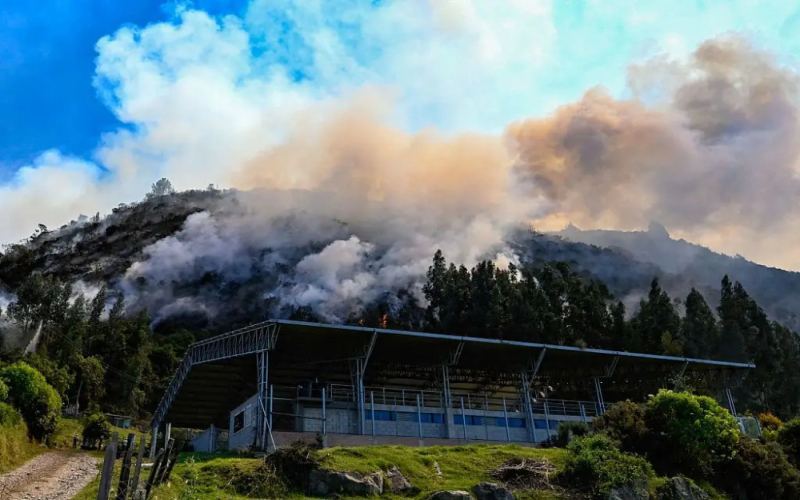
Forest fires rage in Colombia, coffee-growing heartlands face a severe test
Colombia has recently been hit by sustained high temperatures and drought, with more than 500 forest fires breaking out nationwide. President Pedro has declared a state of natural disaster. The department of Cundinamarca has been particularly hard hit, activating a public disaster emergency mechanism. Meanwhile, the fires have affected several coffee-producing regions in the central and southern parts of the country, and since March to June is the main coffee harvest season in these areas, there is widespread concern in the industry that coffee production will suffer a major blow. [more…]
Flavor Analysis of Bolivian Washed Coffee Beans: Cocoa Natural Processing and the Rise of the Specialty Industry
Bolivia's specialty coffee has risen prominently in recent years, and behind this success are the efforts of Agricafé and the Sol de la Mañana program. This article will guide you through the unique flavors of Bolivian washed coffee—a blend of rich floral aromas and juicy acidity, accented with notes of lemon and papaya; it also introduces the taste differences brought by the可可 natural process. From Caturra and Catuai varieties to the growing environment at 1,800 meters, as well as the smallholder production system and domestic sales tradition, we will also share Front Street Coffee's observations and recommendations on Bolivian coffee, helping you fully appreciate the charm of this South American origin. [more…]

Flavor Analysis and Pour-Over Parameters Guide for Colombia San Caldas San José Estate Oak Barrel Fermented Coffee Beans
In the world of specialty coffee, barrel-fermentation processing has attracted much attention in recent years, and the pioneer of this technique was not Honduras' Moca estate, but rather El Finca San José in Colombia's San Caldas region. In a moment of inspiration, the estate's third-generation female owner placed green coffee beans into rum oak barrels for low-temperature fermentation. After repeated experiments, she ultimately created the distinctive rum barrel-fermented coffee. This article will guide you through the background of Finca San José, the birth of barrel fermentation, the origins of the Castillo variety, and Front Street Coffee's pour-over performance and brewing recommendations for this bean at different water temperatures, helping you gain a more comprehensive understanding of this uniquely flavored Colombian specialty coffee. [more…]
An Analysis of Rum Barrel Fermented Coffee Beans Processing Method: The Specialty Coffee Innovation Craft of Finca San José in Colombia
The highly sought-after "Front Street San Jose Estate Rum Barrel Fermented" coffee beans at the coffee market greet you with a rich rum aroma the moment you open the bag. Where exactly does this unique boozy scent come from? Starting from the terroir conditions of San Jose Estate in Caldas Province, Colombia, this article tells how the estate owner, inspired by rum aging, conceived the idea in 2013 of putting green coffee beans into oak barrels. After years of experimentation, the low-temperature rum barrel fermentation process was established in 2017, using the Castillo variety, and involving fully washed processing, 20-hour fermentation, resting in oak barrels aged over 8 years for three months, and daily tumbling, so the beans evenly absorb the rum aroma. These beans once won silver as a blend in the Cappuccino category at the 2019 RASV Australian International Coffee Roasting Competition. Suitable for pour-over, espresso, ice drip, or cold brew, it is a versatile specialty choice recommended by Front Street. [more…]
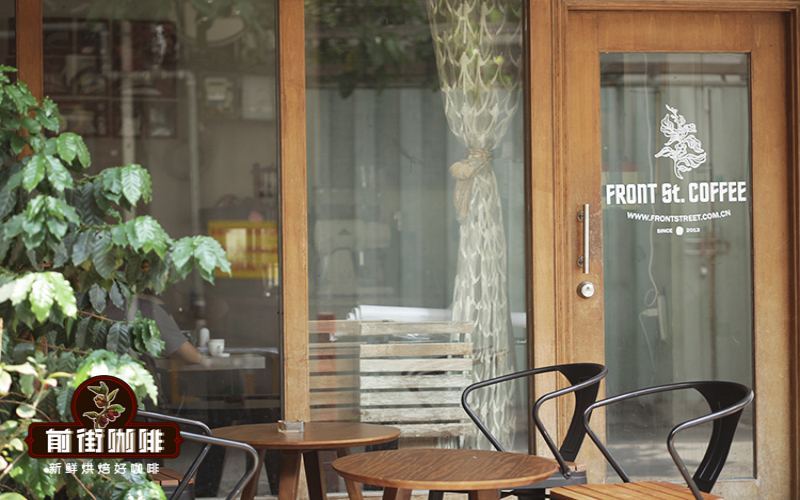
Rum Barrel Fermented Coffee Flavor Analysis: Colombia San Jose Estate Processing Method and Pour-Over Parameters
Winey coffees have attracted much attention in recent years. Front Street Coffee has three beans with winey notes, among which Sherry and Lychee Orchid are well known, but the origin of barrel fermentation actually lies in the San Jose Estate in Colombia. This article provides a complete breakdown of Front Street Colombia Rum Barrel Fermented Coffee, from the producing region, estate story, and processing method to roasting and brewing. The San Jose Estate is located in the Caldas region at an altitude of 1750 meters, uses the Castillo variety, and after meticulous washing, is placed in aged rum oak barrels for low-temperature fermentation for three months. The cup profile presents notes of rum truffle, rum, tropical fruit, and maple syrup. The article also provides V60 staged extraction parameters and measured taste results, making it suitable for coffee enthusiasts who want to understand the principles of barrel fermentation and brewing methods. [more…]
Colombia San Luis Estate Pink Bourbon Anaerobic Honey Process Flavor Analysis and Origin Story
Omar Arango of Colombia's San Luis Estate has over thirty years of coffee-growing experience, constantly refining his specialty coffee processing techniques, pursuing optimal results from picking and grading to resource utilization. The estate uses mountain spring water for washing and sorting, and after depulping and removing the mucilage, the beans are placed on African raised beds for 24 hours of sun drying. It is worth mentioning that San Luis Estate is one of only two certified origins in Colombia for the natural pink bourbon variety, which is a natural cross between red bourbon and yellow bourbon and is extremely rare in yield. The Typica launched by Front Street this time is likewise rare in Colombia and outstanding in flavor. Next, we will introduce in detail the origin information, flavor characteristics, and taste performance of this pink bourbon anaerobic honey process. [more…]
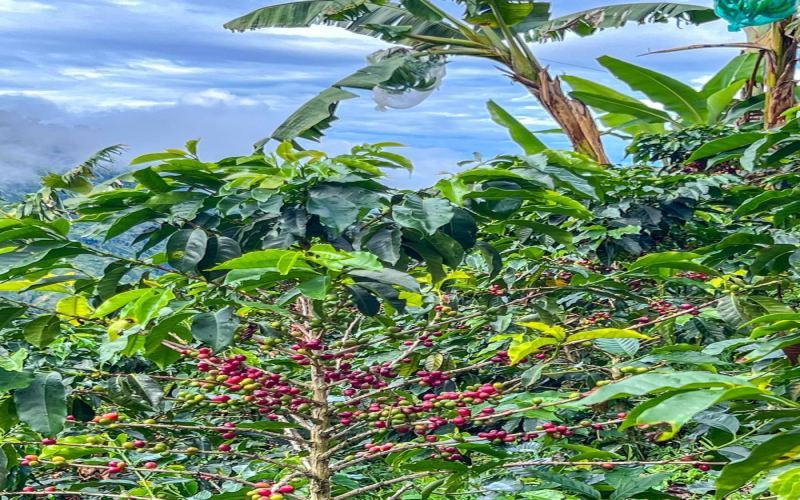
Colombia Rose Valley and San Jose Coffee Flavor Analysis and Pour-Over Parameter Guide
Colombian coffee has always been known for its balanced and smooth character, but on this land nourished by the Andes Mountains, there are also surprising works with bold personalities. This time, Front Street Coffee brings two Colombian beans with distinctly different styles—Finca El Arbol Rose Valley and Finca San Jose. The former is processed with anaerobic double enzyme washed method, releasing an explosive aroma of peach, strawberry, and rose; the latter is low-temperature fermented in rum barrels, presenting mellow layers of rum, liqueur chocolate, and tropical fruits. This article will break down their origin backgrounds, processing techniques, brewing parameters, and pour-over flavor performance one by one. Whether you are a beginner just getting into Colombian beans or a veteran looking for a flavor breakthrough, you can find an option worth trying. [more…]
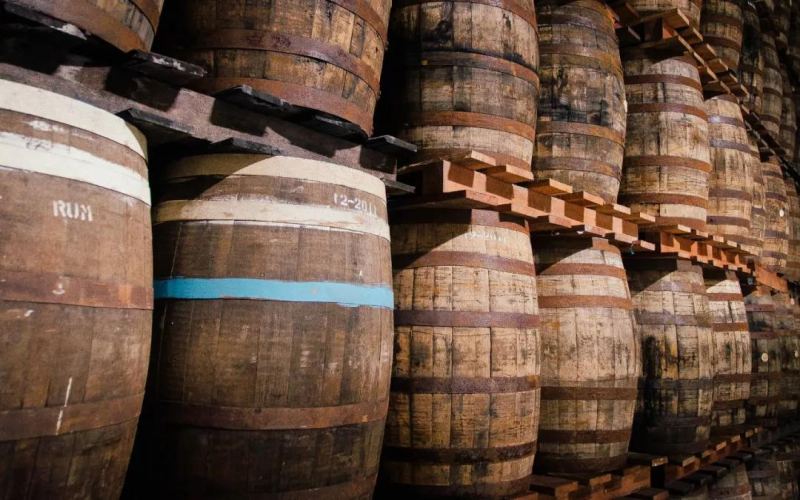
San Jose Estate Rum Barrel Fermented Coffee Bean Analysis: Colombia Castillo Variety Flavor Review
Colombian coffee occupies an important place in the global specialty coffee landscape thanks to its exceptional natural conditions and refined cultivation techniques. This article focuses on a Front Street Colombian coffee bean that uses a special processing method—a refined washed rum-process coffee from Finca San Jose. Finca San Jose is located in the Caldas region of central Colombia, with a century-old heritage and 18 hectares of cultivated land, abundant sunshine year-round, and an average temperature of 22°C, providing an ideal environment for coffee cultivation. This bean uses the Castillo variety, undergoes low-temperature fermentation in oak barrels, and is then washed and dried, presenting a rich flavor profile interwoven with rum truffle, rum, tropical fruit, and maple syrup, with a creamy, smooth, and balanced mouthfeel. The following sections will introduce the estate background, processing technique, variety characteristics, as well as V60 brewing parameters and flavor evaluation in detail. [more…]
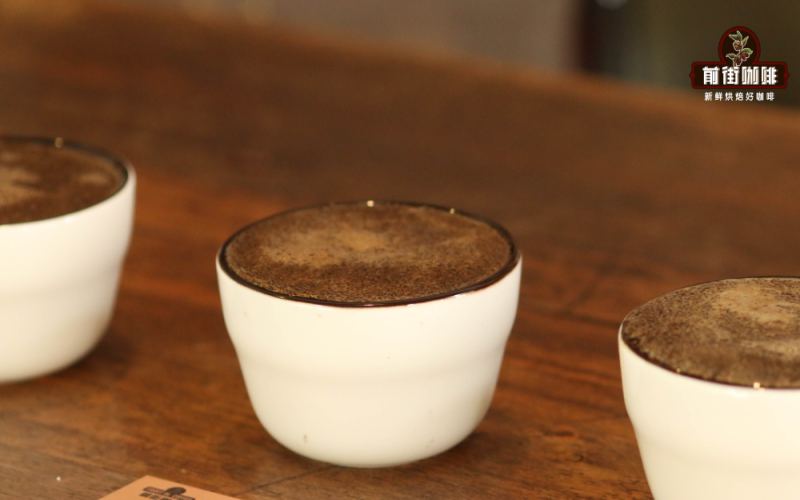
Exploring the Origin of Rum Barrel Fermented Coffee: The Unique Processing at Finca San José in Colombia and Front Street's Brewing Analysis
Wine-aroma coffee beans have gained great popularity in recent years. Many people believe that barrel fermentation technology originated in Honduras, but in fact, Finca San Jose in Colombia is the true pioneer of this process. This article will guide you through an in-depth understanding of how Finca San Jose cleverly combines rum oak barrels with green coffee beans—from the selection of the Castillo variety, the details of refined washed processing and three-month barrel fermentation, to Front Street Coffee's roasting curve and brewing parameters—fully revealing the flavor secrets of this rum barrel-fermented coffee. Whether you are curious about its historical origins or want to replicate a cup of wine-aroma pour-over, you will find detailed answers here. [more…]