







How Do Forest Fires Affect Coffee Production in Colombia?
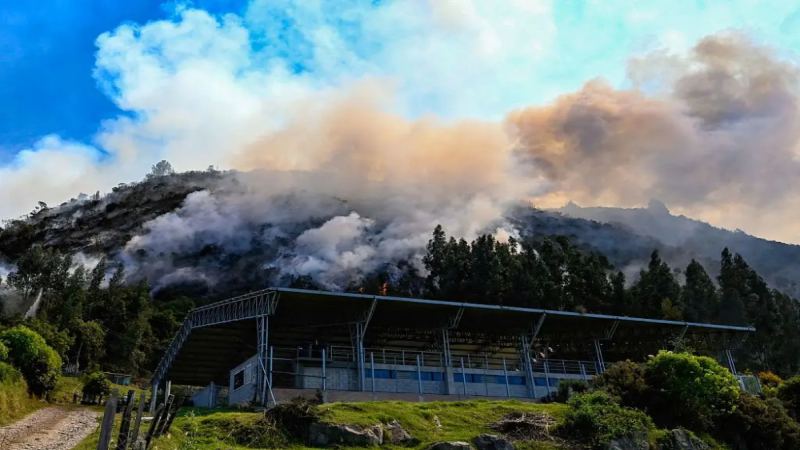
More than 500 forest fires have broken out across Colombia during a prolonged drought linked to El Niño, prompting President Pedro to declare a state of natural disaster on the 24th. The fires have hit coffee-growing regions in the central and southern parts of the country just as the main harvest runs from March to June, and industry insiders expect coffee production to take a serious blow.
Cundinamarca has been hit especially hard, with 35 fires across 25 municipalities and roughly 40 hectares burned nearby, leading the governor to declare a public calamity for the entire department. Nationwide, about 385 hectares have been affected and 21 fires remain active, according to the National Unit for Disaster Risk Management.
Colombia has recently experienced prolonged high temperatures and drought, with over 500 forest fires breaking out nationwide. President Pedro has declared a state of natural disaster. The department of Cundinamarca has been particularly hard hit and has activated a public calamity emergency mechanism. Meanwhile, the fires have affected multiple coffee-producing regions in the central and southern parts of the country, and March to June is precisely the main coffee harvest season for these areas. Industry insiders widely fear that coffee production will suffer a major blow.
Affected by prolonged high temperatures and scant rainfall, forest fires have broken out frequently in many parts of Colombia recently, with the cumulative number of fires nationwide exceeding 500. Colombian President Pedro declared a state of natural disaster on the 24th to respond to the current severe situation.
According to Colombia's El Colombiano, the impact of the El Niño phenomenon on the country is intensifying, and disaster control agencies are working around the clock every day to deal with fires across the country. A delegation of firefighters from the department of Cundinamarca recently submitted a detailed report on the department's forest fires. The report noted that 35 forest fires occurred across 25 municipalities in the department, of which 22 have been extinguished and 5 are effectively contained, but 8 are still burning, with the burned area affecting about 40 hectares nearby.
In view of this, the governor of Cundinamarca officially declared a state of emergency for the entire department due to forest fires at a meeting. The El Niño phenomenon has already caused severe impacts nationwide, and Cundinamarca is one of the four most vulnerable regions, so the entire department has entered a state of public calamity and will fully implement all resolutions and measures under that state in order to respond quickly to the shocks brought by the El Niño phenomenon.
In addition to Cundinamarca, other regions of Colombia have also been affected. According to a report from Colombia's National Unit for Disaster Risk Management, 385 hectares of land nationwide have so far been affected by forest fires, 21 fires remain active, large areas of vegetation have been destroyed, and wild animals have been forced to flee into cities in search of refuge. A report released by the Colombian Institute of Hydrology and Meteorology shows that multiple regions have broken high-temperature records, and the risk of fires continues to rise across most of the country. Currently, 977 municipalities are at fire alert level, of which 681 are on red alert. As temperatures continue to rise and rainfall remains extremely scarce, the number of cities on the fire risk list is very likely to increase further.
The Colombian president said the fires have left more than 60 cities facing water shortages, and the risk of landslides is also continuing to rise. To this end, the government issued a natural disaster decree aimed at "mobilizing resources" to help extinguish forest fires within the country. If the situation continues to deteriorate, it does not rule out requesting rescue from the international community.
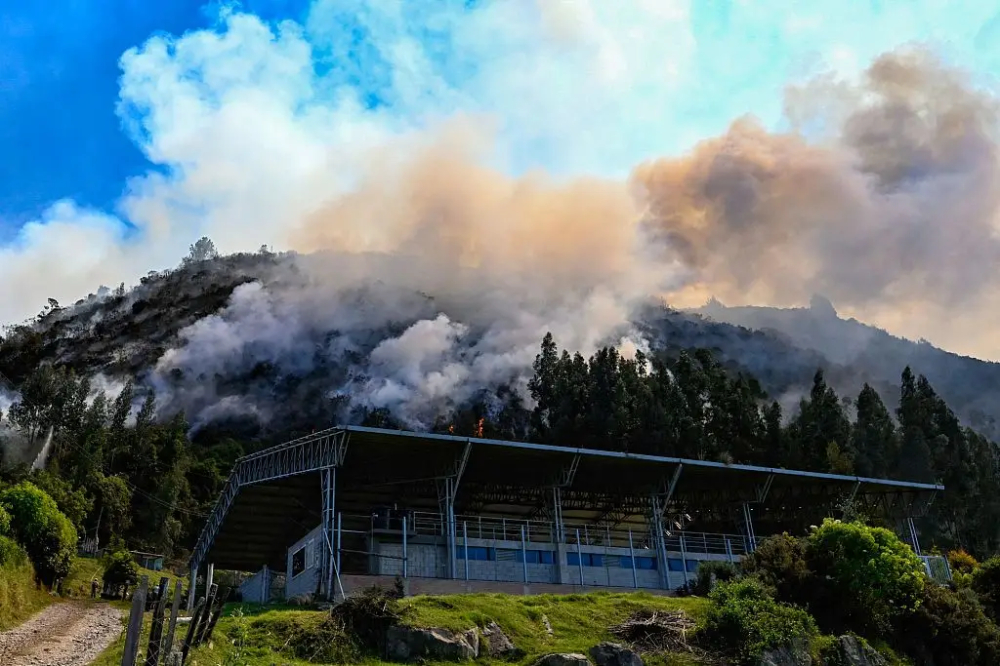
It is understood that the affected areas are mainly concentrated in central and southern Colombia. This region is home to multiple coffee-producing areas and quite a few coffee estates, and the coming March to June is precisely the local main coffee harvest season. Although there is currently no specific data on losses to coffee production caused by the fires, multiple industry insiders have pointed out that high temperatures and fires will have a major impact on coffee production.
The above content is compiled by CoffeeHunters, a coffee news website.


