







Search Results for: Sakura Anaerobic
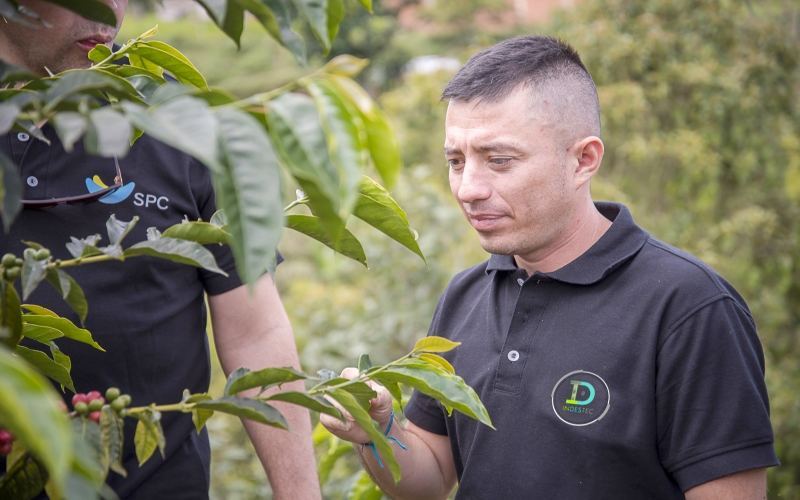
Exploring Colombia Sakura Coffee Beans: A Full Analysis of the Double Anaerobic Washed Process and Flavor
Front Street Colombia Sakura coffee beans are produced at Finca El Paraiso in the Cauca region and use a double anaerobic washed processing method, an innovative technique that has attracted considerable attention in recent years. Since it began operating in 2008, Finca El Paraiso has continuously improved its coffee quality, and in 2015 it even won first place in a Cauca regional competition. This Sakura bean uses the Castillo variety, which combines high disease resistance with excellent flavor. This article will introduce in detail its origin background, processing method, and variety source, and share V60 brewing parameters and flavor experience, giving you a comprehensive understanding of this bean's unique charm. [more…]
Colombia Finca El Paraiso Sakura Coffee Beans: A Dual Anaerobic Washed SOE Analysis from a COE Champion Estate
In the specialty coffee wave, Colombia's Finca El Paraiso stands out with its unique fermentation processing methods and outstanding flavors. Since taking over in 2008, farm owner Diego Samuel Bermúdez Tapia has continuously innovated microbial fermentation techniques, enabling Finca El Paraiso to set Colombia's record highest bid price in the COE auction. In this article, Front Street Coffee will provide an in-depth analysis of Finca El Paraiso's Sakura coffee beans, covering the origin background, the characteristics of the Castillo variety, the double anaerobic washed processing method, and the specific parameters and flavor performance of pour-over and SOE espresso extraction, giving you a comprehensive understanding of this Colombian specialty coffee that combines strawberry sweetness and tartness with spicy aromas. [more…]
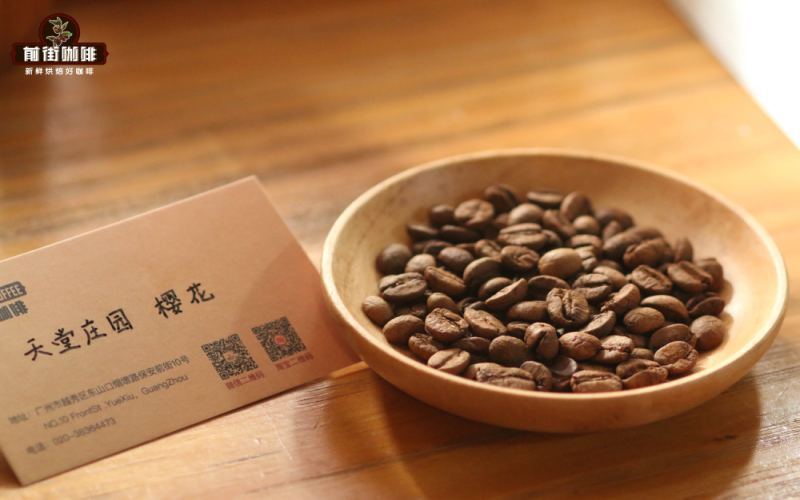
Flavor Analysis of Colombia Finca El Paraiso Sakura Coffee Beans and V60 Brewing Parameter Guide
The Sakura coffee beans from Finca El Paraiso that I got from Front Street Coffee—though named Sakura—display a rich aroma in cupping that interweaves basil, rosemary, chamomile, and strawberry jam, leading many tasters to joke that it resembles a pot of herbal tea. This article will guide you through the origin background of these beans—the Cauca region of Colombia and Finca El Paraiso—introduce the characteristics of the Castillo variety and the double anaerobic washed processing method, and reveal Front Street Coffee's roasting curve, cupping report, and V60 three-stage brewing method to help you fully recreate the optimal flavor expression of this coffee. [more…]
How to drink Colombia Finca El Paraiso Sakura Coffee Beans? Cauca Region Flavor and Brewing Parameters Explained
Many people first encounter specialty coffee through a cup of SOE latte. Luckin once used Huakui SOE to open up the specialty coffee conversation, and when Huakui supply became tight, Colombian Finca El Paraiso coffee beans were pushed to the forefront, becoming the flagship single-origin that took up the baton. The name Finca El Paraiso is poetic in itself—but what does it actually taste like? This article, from Front Street's perspective, sorts through the background of Colombian coffee-growing regions, the terroir characteristics of the Cauca region, and the cultivation and innovation journey of Finca El Paraiso's owner Diego Samuel, with a focus on introducing the variety, processing method, roasting approach, and pour-over parameters of Front Street's Colombian Finca El Paraiso Sakura coffee beans, helping coffee enthusiasts understand the flavor origins and brewing methods of this bean. [more…]
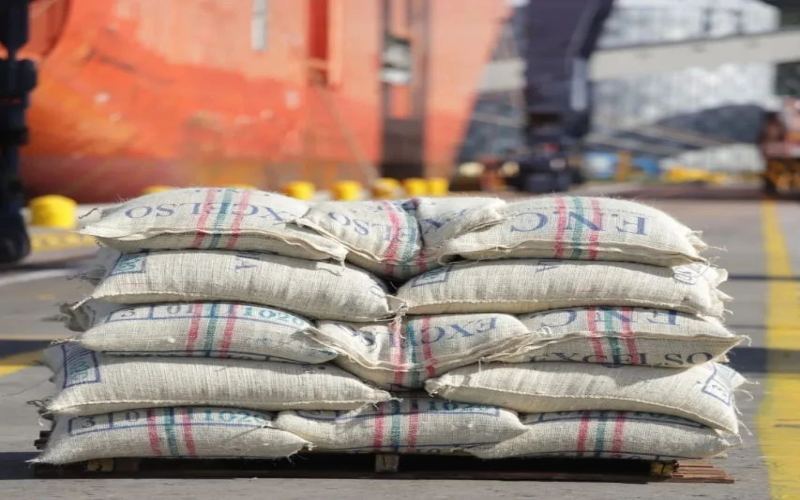
Flavor Analysis of Colombia Finca El Paraiso Sakura Anaerobic Beans and Castillo Variety Characteristics
Front Street Coffee has previously offered several Colombian coffee beans, among which the Sakura anaerobic beans from Finca El Paraiso have a unique aroma with a faint hint of mugwort. This article will guide you through the background of Finca El Paraiso, the characteristics of the Castillo variety, and Front Street's cupping and brewing process for this Sakura coffee. In addition, Front Street also evaluated the Strawberry Yogurt double anaerobic washed beans from the same estate and attempted to make them into an SOE. Through this article, you will gain an in-depth understanding of the flavor performance of Finca El Paraiso coffee and Front Street's selection standards. [more…]
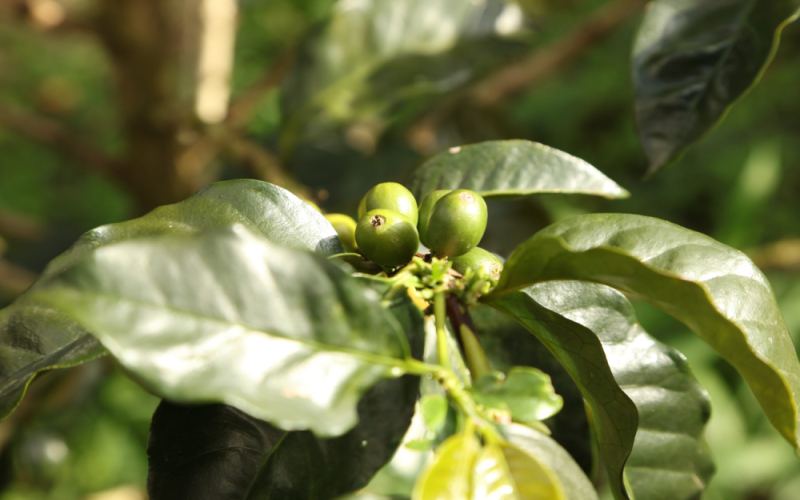
Colombian Coffee Flavor Analysis: From Rose Valley to Sakura, Exploring the Regional Characteristics of Strawberry-Flavored Coffee Beans
Colombian coffee is known for its balanced, smooth body and bright acidity, and on this land nourished by the Andes Mountains, different regions and processing methods give rise to distinctly characteristic flavors. This article takes you deeper into the geographical indication background of Colombian coffee and the distribution of its main producing regions, with a focus on analyzing the flavor characteristics and processing techniques of coffee beans such as Rose Valley, Huila, Flower Moon Night, and Cherry Blossom, while also sharing Front Street Coffee's brewing suggestions to help you find your ideal strawberry-flavored coffee beans. [more…]
The Origins and Industry Characteristics of Colombian Coffee: From Historical Evolution to Flavor Analysis of Finca El Paraiso Sakura Beans
Although Colombia is not a large country in terms of land area, it is a major coffee nation whose Arabica coffee production is second only to Brazil worldwide. From Jesuit priests bringing coffee seeds to this land in the 18th century, to the rise of smallholder farming after the Thousand Days' War, and then to the founding of FNC and the advancement of the specialty coffee wave, Colombian coffee has traveled a unique path of development. In Front Street Coffee's everyday bean series, the washed beans from Colombia's Huila region stand out for their rich dark chocolate flavor and soft fruit acidity, while the Cherry Blossom beans from Finca El Paraiso in the Cauca region present full fruit sweetness and fermented notes thanks to the double anaerobic washed process. This article will take you through the historical context, industry landscape, and specific brewing suggestions to give you a comprehensive understanding of the charm of Colombian coffee. [more…]
Colombian COE Champion Finca El Paraiso Coffee Bean Analysis: Luckin Little Black Cup SOE Flavor and Front Street Coffee Sakura Series Brewing Test
After Luckin Coffee launched its Huakui SOE, it quickly followed up with a Finca El Paraiso SOE, sparking interest among many coffee enthusiasts in this Colombian champion estate bean. Front Street Coffee's bean list happens to include the Finca El Paraiso Sakura series as well. Starting from the concept of SOE, this article will introduce Finca El Paraiso's estate background, cultivated varieties, and double anaerobic washed processing method, and share the pour-over parameters and flavor performance of Front Street's Sakura coffee bean. At the same time, we will also put it to the test by making espresso, americano, and latte with it, to see which type of Italian-style coffee this bean is actually suited for and whether it can take on the role of the same SOE used in Luckin's small black cup. [more…]
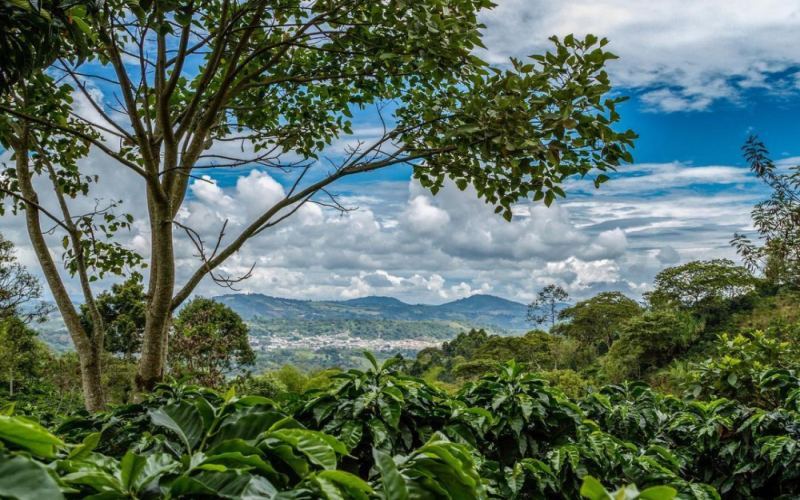
Flavor Analysis and Brewing Parameters of Colombia Finca El Paraiso SOE Double Anaerobic Washed Coffee Beans
Colombia, as the world's third-largest coffee producer, holds a special position in the international coffee market thanks to government regulations restricting the country to growing only Arabica varieties and the support of NFC institutions. Recently, Luckin Coffee launched its Little Black Cup series, featuring a Finca El Paraiso SOE, bringing this estate in the Cauca region into the spotlight. Finca El Paraiso was founded by Diego Samuel in 2008, starting as a small 2.5-hectare family estate, and rose to fame in a regional competition in 2015 through technological innovation. Front Street Coffee's bean list happens to include a Finca El Paraiso Sakura coffee bean, produced using a double anaerobic washed process, of the Castillo variety. This article will provide a detailed interpretation of this bean, covering its regional background, the principles of its processing method, variety characteristics, roasting approach, and pour-over brewing plan. [more…]
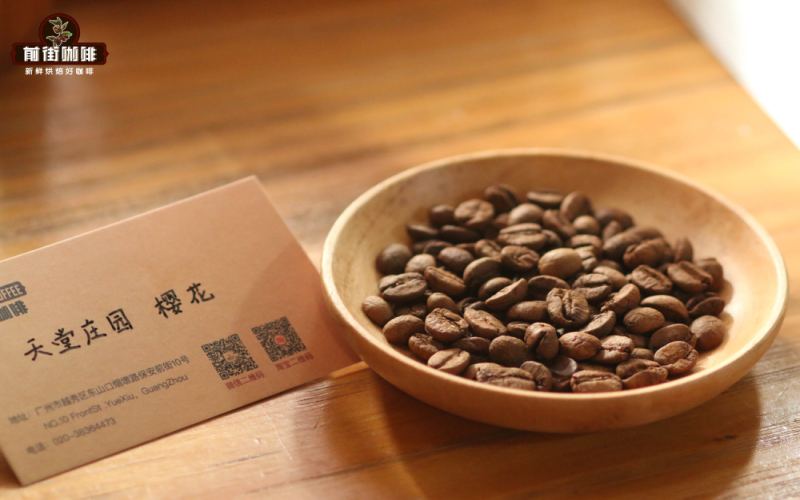
Colombia Finca El Paraiso Double Anaerobic Washed Castillo Coffee: Full Flavor and Brewing Guide
Located in the Cauca region of Colombia, Finca El Paraiso is run by Diego Samuel and has focused on specialty coffee exploration since its founding in 2008. Its double anaerobic washed Castillo coffee beans, introduced to China by Front Street Coffee, present fruity sweetness and acidity reminiscent of berries, raspberries, and strawberry jam, accompanied by notes of mugwort and spice, with extremely high flavor distinctiveness. This article will discuss Finca El Paraiso's regional terroir, processing techniques, variety characteristics, as well as Front Street's roasting and brewing recommendations, helping coffee enthusiasts fully understand the flavor sources and extraction key points of this bean, while providing reusable pour-over parameter references. [more…]
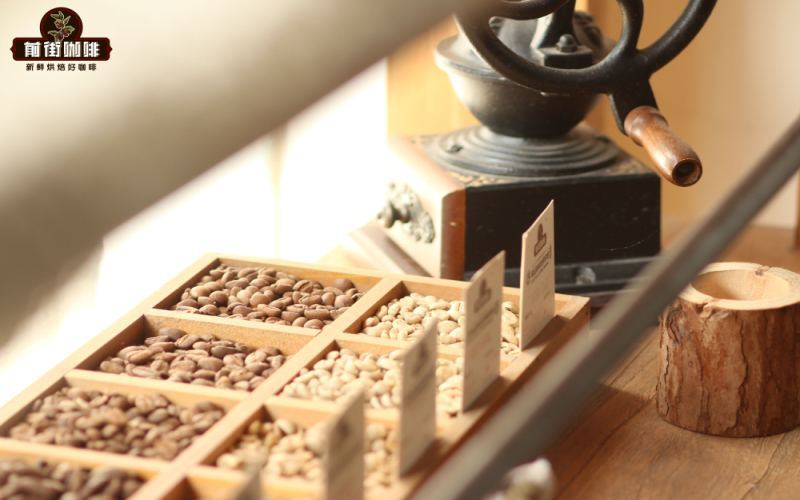
A Complete Guide to Colombian Coffee Regions: From Huila Everyday Beans to Finca El Paraiso Cherry Blossom – Flavors and Pour-Over Tips
Colombia is one of the few single-origin coffee-producing countries that sells worldwide under its national name, and the complex terrain along its Andes Mountains has created a flavor spectrum from north to south, each with its own character. From the perspective of Front Street Coffee's bean selection, this article sorts out the flavor differences among Colombia's three major growing regions—northern, central, and southern—with a focus on the dark chocolate and caramel notes of Huila's everyday drinking beans, and an in-depth analysis of Finca El Paraiso Sakura, a double anaerobic washed bean with its unique spice aroma and strawberry jam finish. At the end, it includes the V60 pour-over parameters and staged pouring steps used by Front Street Coffee baristas, helping enthusiasts reproduce at home this cup of Colombian flavor that combines floral and fruity acidity with a full-bodied mouthfeel. [more…]
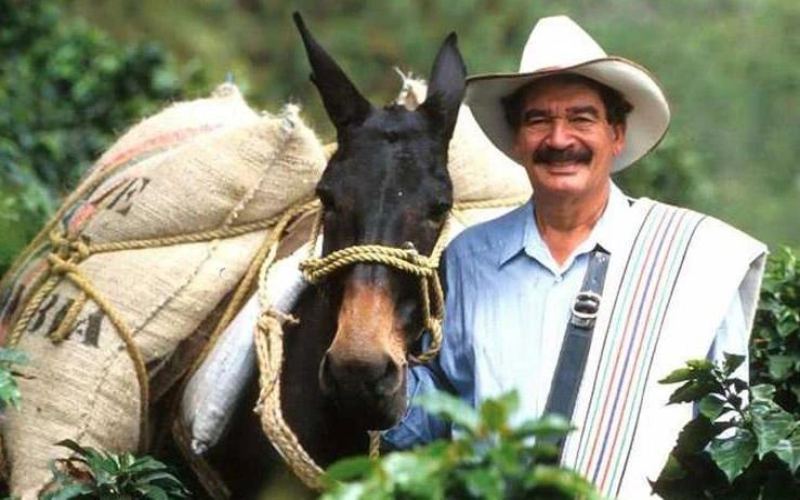
A Comprehensive Analysis of Colombian Coffee Regions: Flavor, Varieties, Processing Methods, Grade Classification, and Comparison
Colombia, as a global powerhouse of specialty coffee, boasts distinctive flavors across its various producing regions. From the perspective of Front Street Coffee, this article systematically reviews the geographical environments, variety characteristics, and processing method differences of Colombia's main producing regions (Santander, Huila, Cauca, etc.), comparing the effects of washed, anaerobic double enzyme washed, and anaerobic natural processing methods on flavor. It also introduces the origins, estates, altitudes, varieties, and flavor descriptions of Front Street Coffee's representative products—Colombia Rose Valley, Hanami Geisha Blend, and Sakura Coffee Beans—along with recommended brewing parameters. The article is comprehensive and suitable for coffee enthusiasts seeking an in-depth understanding of Colombia's diverse coffee charm. [more…]
Exploring Colombian Coffee Flavor Characteristics and Cultural History: From Front Street Everyday Beans to Hacienda El Paraíso Cherry Blossom
Colombian coffee is famous for its classic dark chocolate-like flavor, and its soft fruity acidity and full-bodied mouthfeel make it a favorite among many veteran coffee lovers. From Jesuit priests bringing coffee seeds to this land in the 18th century, to the formation of a smallholder farming pattern after the Thousand Days' War, to the birth and growth of FNC, Colombian coffee has gone through a tumultuous history. Front Street Coffee's daily drinking bean series uses washed beans from the Huila region to showcase the classic chocolate flavor, while Hacienda El Paraiso's Cherry Bean uses a double anaerobic washed process to deliver surprises of basil, rosemary, and strawberry jam. This article takes you through the past and present of Colombian coffee and the code to its flavor. [more…]
Colombia Finca El Paraiso Sakura Coffee Beans: A Complete Guide to Double Anaerobic Washed Processing and SOE Flavor
The launch of Luckin's Little Black Cup Finca El Paraiso SOE brought this Colombian estate into the public eye. As early as 2019, Finca El Paraiso made a name for itself in the specialty coffee scene with its special processing methods, with its strawberry and cherry blossom series standing out in particular. The Colombian Finca El Paraiso Cherry Blossom coffee beans selected by Front Street Coffee use a double anaerobic washed process, are of the Castillo variety, and in cupping present a complex flavor profile of mugwort, berries, fermented aromas, and strawberry jam. This article will thoroughly break down the whole story of this bean—from the estate's background, variety origins, and processing techniques to the roasting curve and brewing parameters—and explore its performance as an SOE. [more…]
How Does Colombian Coffee Taste? A Complete Analysis from Regional History to Finca El Paraiso Sakura Beans
What exactly is the flavor of Colombian coffee? Its soft dark chocolate notes and balanced taste have won the hearts of many seasoned enthusiasts. This article begins with the history of how Colombian coffee spread, sorts out the background behind the founding of FNC, and then focuses on the Huila washed beans in Front Street Coffee's everyday drinking series, as well as the much-talked-about Sakura coffee beans from Finca El Paraiso in recent years. You will learn about the high-altitude advantages of the Cauca region, the unique qualities of the double anaerobic washed processing method, and how Front Street's roaster uses medium roasting and brewing parameters to bring out the captivating expression of basil, rosemary, and strawberry jam in these Sakura beans. [more…]
Top Ten Colombian Coffee Brands Reviewed: Front Street Explains the Flavors and Brewing of Specialty Beans Including Huila, Flower Moon Night, and Rose Valley
As a major coffee country in northwestern South America, Colombia benefits from a mild climate and diverse terrain, with coffee harvests occurring year-round, and its Arabica beans are renowned for being rich and well-balanced. From the classic three major regions of Medellín, Armenia, and Manizales to Huila and Cauca, which have gained attention in recent years, Colombian coffee displays rich layers of flavor. Front Street Coffee has selected a variety of Colombian single-origin coffees, covering washed, anaerobic natural, double enzyme washed, barrel fermented, and decaf processing. This article analyzes one by one the origin, variety, processing method, and flavor of beans such as Huila, Flower Moon Night, Rose Valley, Sakura, Decaf, and San Jose Estate, and also includes V60 pour-over parameters and pouring techniques to help enthusiasts fully understand the diverse charm of Colombian coffee. [more…]
Colombian Coffee Varieties and Flavor Analysis: A Comprehensive Guide from Huila Region to Specialty Processing Methods
Colombia, as a major coffee-producing country in South America, nurtures Arabica coffee with diverse flavors thanks to its varied climates and high-altitude geographical advantages. This article approaches the subject from three dimensions—variety, region, and processing method—systematically sorting out the characteristics of varieties such as Typica, Caturra, and Castillo, interpreting the terroir differences of regions like Huila, Cauca, and Santander, and detailing the effects of processes such as washed, anaerobic natural, double enzyme washed, rum barrel fermented, and Swiss Water Process decaffeination on flavor. At the same time, combined with products under Front Street Coffee such as Huila, Flower Moon Night, Rose Valley, Sakura, Decaf, and San Jose Estate, it presents the multifaceted charm of Colombian coffee from classic balance to innovative fruity aromas, and includes V60 brewing parameter suggestions. [more…]

Colombian Coffee with South American Flair: Origin Terroir, Variety Characteristics, and Front Street Coffee Single-Origin Brewing Analysis
As one of the few single-origin coffees in the world named after a country, Colombian coffee stands alongside Brazil firmly in the top three of global production, together accounting for about 15% of the world total. Unlike Brazil, which relies on technology to compensate for its flat terrain and dry climate, Colombia is blessed with clustered volcanoes, fertile soil, and abundant rainfall, nurturing a coffee that is clean, sweet, and full of fruity aromas. This article will take you into the major producing regions among the Andes Mountains, from Bucaramanga in the north to the southern specialty zone, and further into the evolution of varieties such as Castillo. At the same time, the processing methods and brewing recipes for Colombian single origins such as Rose Valley, Flower Moon Night, Sakura, and Huila under Front Street Coffee will also be presented, helping you understand the scenery in the cup of this gentle land of Latin America. [more…]
Starbucks Colombia Coffee Bean Origin Story and a Comprehensive Comparison of Huila Region Flavor Characteristics
Colombia occupies a significant place in the specialty coffee landscape thanks to its natural advantages of low latitude, high altitude, and volcanic soil. Its flavor is rich and balanced, often with nutty and cocoa notes, and Starbucks'首选 coffee became a core product in 1990 using Colombian beans. In this article, Front Street Coffee takes you through the growing conditions and main producing regions of Colombian coffee, and compares the flavor differences of Huila, Cauca, and other areas one by one, including detailed characteristics of several beans such as Pink Bourbon Isabella, Washed Huila, Anaerobic Natural Flower Moon Night, and Cauca Sakura, helping coffee lovers gain a comprehensive understanding of the diversity of Colombian coffee. [more…]
Colombian Coffee Beans Pour-Over Parameters and Flavor Analysis: Grind Size, Water Temperature, and Review of Five Front Street Coffee Beans
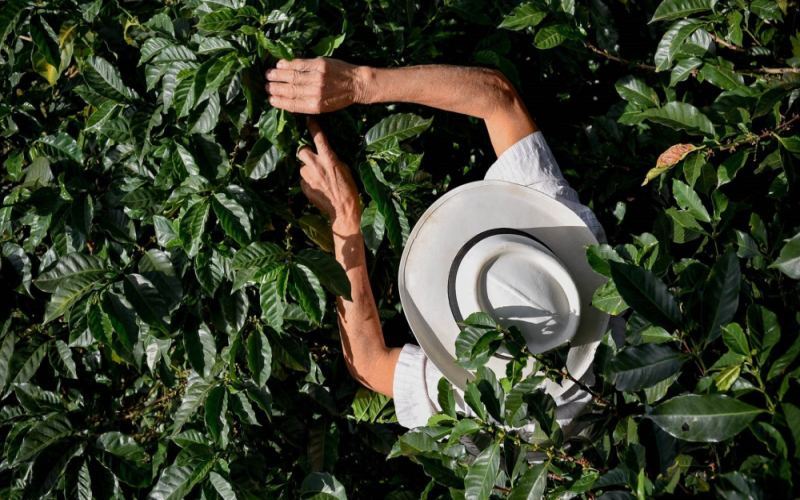
Colombia, as the world's third-largest coffee-producing country, is known for its coffee beans' balanced and gentle flavor, making them highly sought after whether as single-origin or in blends. This article starts from the flavor characteristics of the producing regions and provides a detailed explanation of the pour-over extraction method recommended by Front Street Coffee, including medium grinding, 90°C water temperature, a 1:15 coffee-to-water ratio, and a three-stage pouring technique. It also introduces one by one the five Colombian coffee beans currently on sale—Huila Caturra, Hanami, Tsukiyo, Sakura, and Rose Valley—covering processing methods such as washed, anaerobic natural, double anaerobic washed, and anaerobic enzyme washed, helping you fully understand the brewing key points and flavor performance of Colombian coffee. [more…]