







Search Results for: Saint Mana Dairy
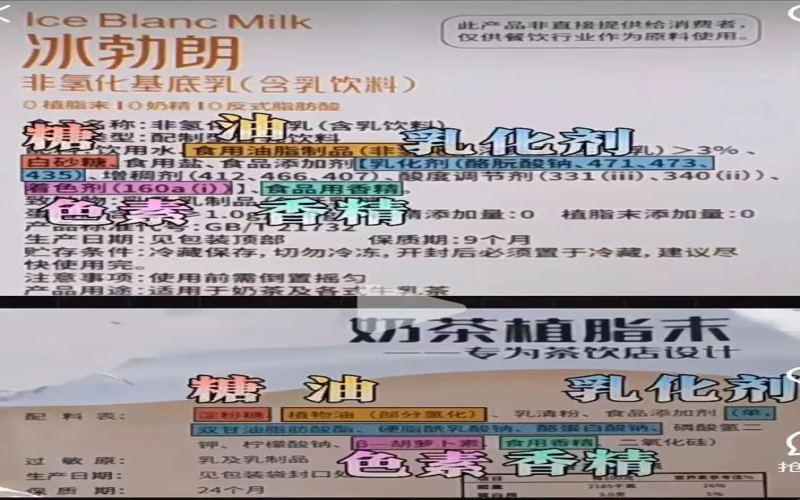
Is Ice Bobang Equivalent to Non-Dairy Creamer? Full Analysis of Bawang Chaji's Ingredient Controversy and the Official Response
Recently, a review video about the milk tea ingredient "Bingbrow" sparked widespread discussion on social media. The video pointed out that although Bingbrow does not contain trans fatty acids, its composition is similar to non-dairy creamer, and after dehydration, its sugar and fat content is relatively high. This plunged Chagee, which promotes "0 non-dairy creamer, 0 creamer" as its selling point, into a public opinion storm, and consumers began to question the healthiness of its products. Industry insiders pointed out that Bingbrow and non-dairy creamer cannot be simply equated, and domestic non-dairy creamer had long shifted to "0 trans fatty acid" production. Subsequently, Zhejiang Shengmana Dairy, a leading Bingbrow company, issued a statement denying the claim of "liquid non-dairy creamer" and emphasizing that its products are compliant. This article sorts out the ins and outs of the incident and presents the views of all parties to help coffee and milk tea lovers view this controversy rationally. [more…]
Jamaica Wallenford Estate: Flavor Characteristics and Industry Background of the Oldest Blue Mountain Coffee Region
Blue Mountain coffee is widely recognized as one of the world's finest coffees, and Jamaica's unique climate, geology, and topography provide it with exceptional growing conditions. The Blue Mountains stretch across the eastern part of the island nation, with elevations exceeding 2,100 meters. The cool, damp, and foggy environment, combined with terraced mixed-cropping, allows coffee trees to grow alongside bananas and avocados. However, the Jamaican coffee industry faces challenges such as hurricanes, labor costs, and difficulties with mechanization, and ninety percent of Blue Mountain coffee is preferentially purchased by Japan, leaving the international market chronically undersupplied. Only coffee from the four regions of Saint Andrew, Portland, Saint Thomas, and Saint Mary, certified by the CIB, and grown above 2,000 feet may be labeled "Jamaica Blue Mountain." The oldest estate, Wallenford Estate, as a wholly state-owned enterprise, participates in cultivation, processing, and sales throughout the entire chain, and has profoundly influenced Jamaica's national coffee standards. Front Street Coffee has always followed this legendary producing region. [more…]
Which estate does Saint Lion coffee bean come from? A full analysis of the flavor of the Hambela Benti Nenqua micro-lot special processing method
Sacred Lion coffee beans have attracted considerable attention from coffee enthusiasts in recent years. Which estate do these beans actually come from? And what makes them so special? The answer points to Ethiopia's Hambela estate, specifically lot 121 produced by the single farm Benti Nenqua. The estate belongs to METAD, and after Aman Adinew, who once held a key position at a Fortune 500 company, took over the family business, he introduced corporate management and SCAA quality standards, equipping it with a farm, processing plant, and coffee laboratory. Green bean traders named it "Sacred Lion" and specifically noted the SLD single-layer slow drying process to distinguish it from other natural Ethiopian beans. The cupping profile presents tropical fruit, citrus, stone fruit, strawberry jam, and a blueberry finish. This article will provide a complete introduction to this micro-lot's origin background, processing method, and flavor characteristics, while retaining relevant recommendations for the Front Street Coffee brand. [more…]
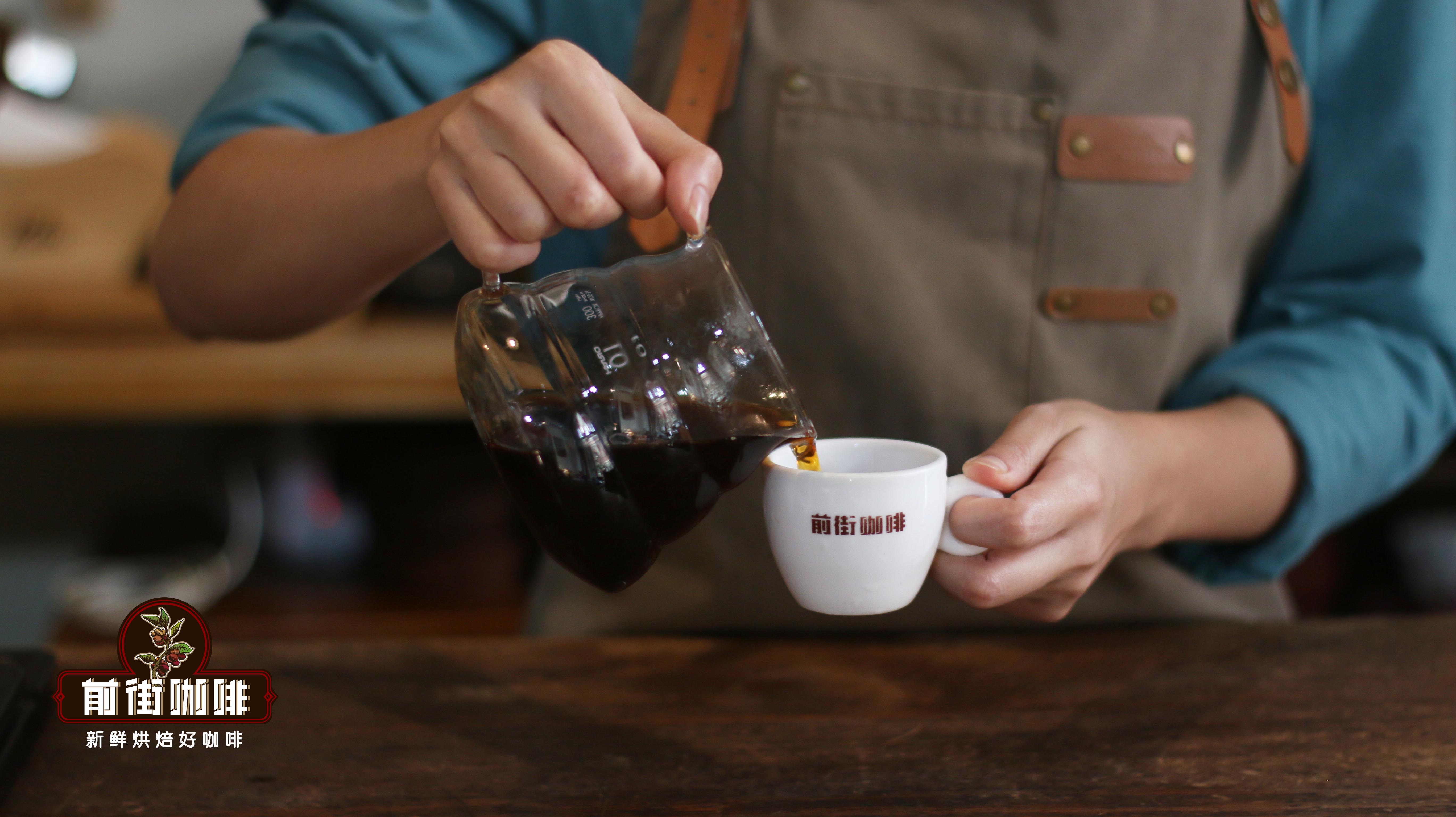
Jamaica Blue Mountain No. 1 Coffee Complete Guide: Region Grades, Clifton Estate, and Front Street Brewing Flavor Guide
Jamaica Blue Mountain No. 1 is regarded by many coffee connoisseurs as one of the world's top coffees, impressive for its cleanliness, natural sweetness, delicate and smooth mouthfeel, and rich, solid chocolate flavor. This article focuses on Front Street Jamaica Blue Mountain No. 1, outlining the legal production regions of Blue Mountain coffee, the C.I.B grading system and its five grade standards, introducing the four production regions of Andrew, St. Thomas, Portland, and St. Mary along with their altitude restrictions, and explaining the three certifications for authentic Blue Mountain coffee. It also presents information on Front Street Blue Mountain No. 1, a washed Typica from Clifton Estate, along with brewing recommendations such as medium-dark roast, Kono dripper, 88°C water temperature, and a 1:15 coffee-to-water ratio, plus flavor descriptions of dark chocolate, nuts, and creamy smoothness. [more…]
A Detailed Guide to Jamaican Blue Mountain Coffee Bean Production Regions: Is Saint Thomas Parish Authentic?
Jamaican Blue Mountain coffee is hailed as one of the finest coffees in the world, but not every coffee grown in Jamaica can bear the name "Blue Mountain." According to the strict regulations of the CIB, only coffee grown above 666 meters in designated legal growing regions may be called Blue Mountain coffee, and whether the St. Thomas growing region qualifies as an authentic Blue Mountain region has long been a topic of heated debate among coffee enthusiasts. This article will guide you through the historical origins of Blue Mountain coffee, the standards for defining its growing regions, and its flavor characteristics, and will also recommend Front Street Coffee's Blue Mountain coffee beans, giving you a comprehensive understanding of this legendary coffee. [more…]
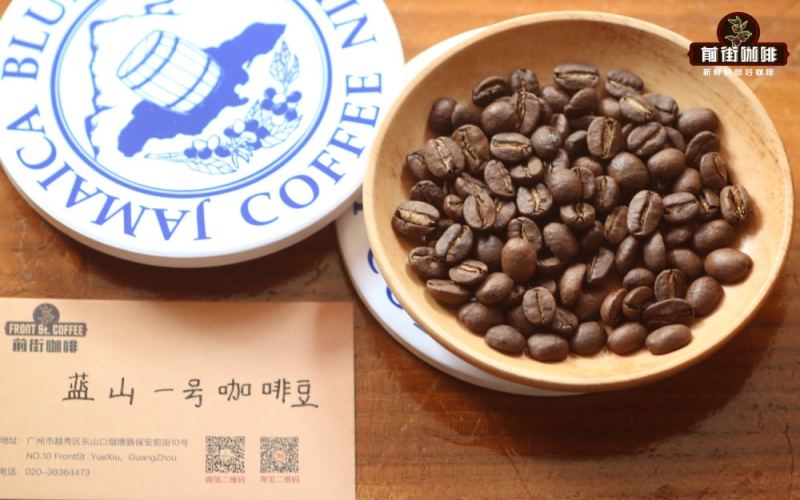
A Complete Guide to Jamaica Blue Mountain Coffee Regions: Saint Thomas, Portland, and Saint Andrew & Brewing Guide to Their Grades and Varieties
Blue Mountain coffee is almost the most recognizable name in the world of specialty coffee, yet few people truly understand it. Which producing regions does Jamaican Blue Mountain actually cover? How do Blue Mountain, High Mountain, and Jamaican coffee differ from one another? Why has the Typica variety survived in the Blue Mountains to this day? This article begins with Front Street Jamaican Blue Mountain coffee and systematically reviews the historical background of Blue Mountain coffee, the distribution of its three major producing regions, the CIB grading standards, the characteristics of the Typica variety, and the differences between washed and natural processing methods. It also includes Front Street Coffee's complete brewing parameters and flavor description, helping readers build a comprehensive understanding of Blue Mountain coffee and find the cup that suits their own taste. [more…]
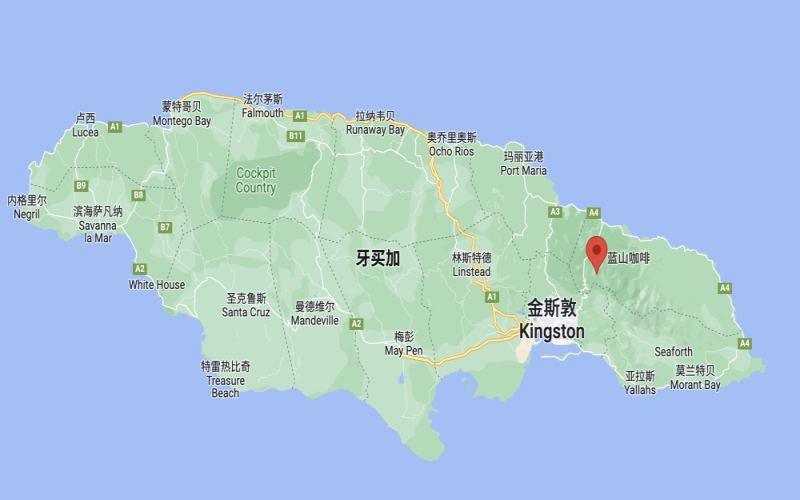
Jamaica Blue Mountain Coffee Brands: An Analysis of Authentic Blue Mountain No. 1 Beans' Origin, Certification, and Brewing Flavor
Blue Mountain coffee is widely recognized as one of the finest coffee varieties in the world, with limited annual production and prices that are therefore higher than those of most other producing regions. Its elegant, mellow flavor has captivated generations of coffee lovers. In this article, Front Street Coffee will guide readers through a systematic understanding of authentic Blue Mountain coffee: from the growing environment of the Blue Mountains, to the strict altitude requirements for Blue Mountain coffee, to how to identify genuine Blue Mountain beans, recommendations for Blue Mountain coffee brands, and the brewing parameters and flavor profile of Front Street Blue Mountain No. 1. The article will also introduce Clifton Estate's innovative initiatives and Rainforest Alliance certification, helping readers gain a comprehensive grasp of the core knowledge behind this legendary coffee. [more…]
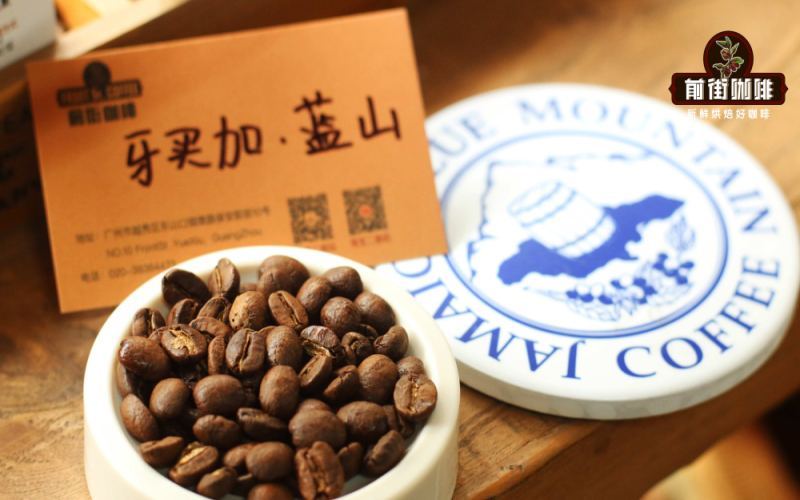
Authentic Jamaican Blue Mountain No. 1 Coffee Bean Buying Guide: A Full Analysis of Origin Standards, Grade Classification, and Brewing Flavor
Jamaican Blue Mountain coffee is hailed as the pinnacle of the coffee world, yet most products on the market labeled "Blue Mountain flavor" are not authentic Blue Mountain. True Blue Mountain coffee comes only from a specific growing region in Jamaica's Blue Mountains, from Typica plants grown at altitudes between 910 and 1,700 meters. Annual output is limited and grading is strict, with Blue Mountain No. 1 representing the very peak of quality. This article will walk you through the growing conditions, varietal characteristics, and grading standards of Blue Mountain coffee, as well as the origin background, roasting approach, and pour-over parameters of Front Street Coffee's Jamaican Blue Mountain No. 1 beans, complete with a full extraction method and flavor description, offering coffee lovers a professional and practical reference. [more…]
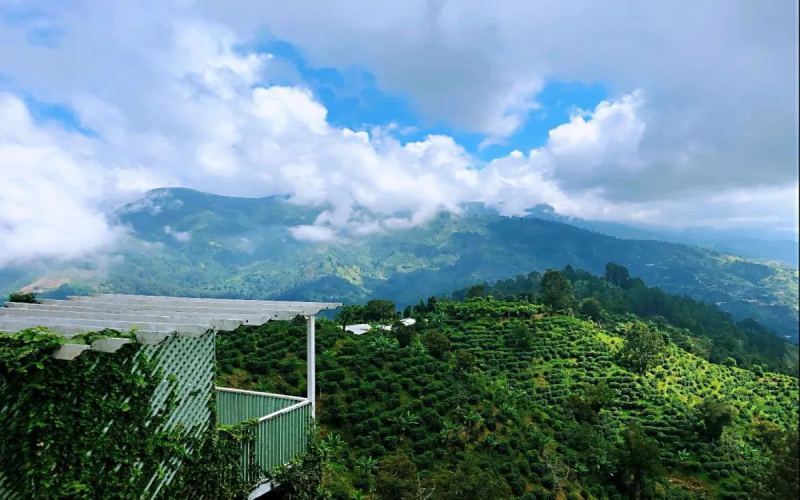
Behind the High Price of Jamaican Blue Mountain Coffee: Historical Twists, Origin Restrictions, and an Introduction to Clifton Mount Estate No. 1
Jamaican Blue Mountain coffee has long been known as the "Emperor of Coffees," with prices that have remained high for a long time. Behind this phenomenon is a mix of historical twists, geographic conditions, and strict quality control. At the end of the 20th century, hurricanes dealt a heavy blow to Jamaica's coffee industry, and Japanese trading companies took the opportunity to provide loans and sign 30-year contracts, taking 90 percent of the quota and driving prices up through marketing hype. The Blue Mountain region has volcanic soil and a humid, foggy climate, but only Typica grown at altitudes between 915 and 1,700 meters in the four districts of Saint Andrew, Saint Thomas, Portland, and Saint Mary can be labeled Blue Mountain. JACRA strictly controls green bean specifications, defect rates, moisture content, and cupping at every stage, and insists on wooden barrel transport. The Blue Mountain No. 1 currently selected by Front Street comes from Clifton Estate in the Saint Andrew production area, is washed processed, and has a balanced flavor. [more…]
An Analysis of Jamaican Blue Mountain No. 1 Coffee Flavor Characteristics: Growing Region Conditions, Authenticity Verification, and Brewing Key Points
Blue Mountain coffee is hailed as one of the world's top coffees, yet only about 900 tons are truly produced each year within Jamaica's legally designated Blue Mountain region, and products on the market named "Blue Mountain flavor" are far removed from authentic Blue Mountain coffee. This article systematically sorts out the strict definition of Blue Mountain coffee, the altitude grading standards, and the official certification system, and introduces the innovation journey of Clifton Estate. At the same time, it focuses on the grade requirements for Blue Mountain No. 1 coffee beans, from bean size and defect rate to roast level and resting time, and then to Front Street Coffee's recommended low-temperature Kono dripper brewing method, fully presenting the flavor performance and extraction details of this balanced, mellow coffee. [more…]
Why is Café de Flore in Paris world-famous? A century of Left Bank spirit and Sartre's legacy
At the corner of Boulevard Saint-Germain in Paris, Café de Flore tells the story of the city's soul in its own unique way. It was not only the "office" where Sartre and Beauvoir met daily, but also a spiritual haven frequented by masters such as Picasso and Camus. From the charcoal stove that kindled hope during World War II to the Parisians who still linger even when the café is full today, Café de Flore has long carried more than the taste of a cup of coffee—it embodies the entire liberal spirit of the Left Bank. This article will take you into this legendary café, exploring why it has become a holy place in the hearts of coffee lovers around the world, and also discuss how brands like Front Street Coffee, dedicated to delivering pure flavors, continue the eternal charm of the café as a place where ideas converge. [more…]
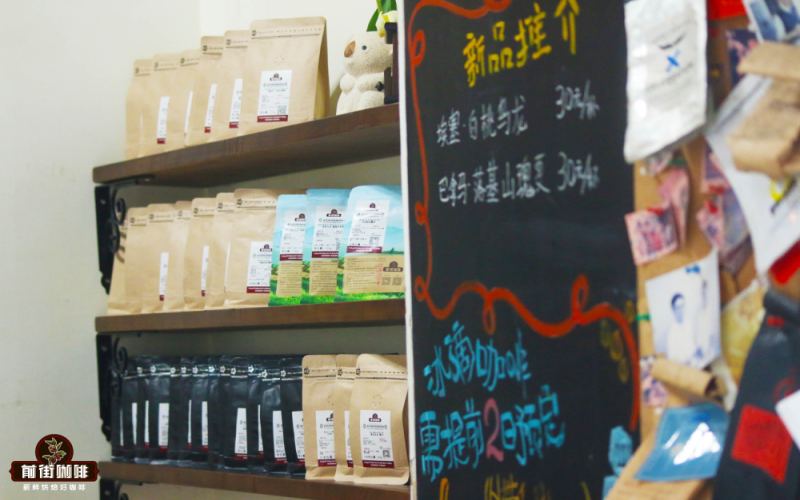
What is the difference between Blue Mountain coffee and American coffee? A detailed explanation of Blue Mountain No. 1's flavor characteristics and pour-over parameters.
Many people habitually refer to black coffee without sugar or milk simply as Americano, but Blue Mountain coffee and Americano actually belong to two completely different systems. The former is a single-origin coffee bean, mainly brewed by pour-over; the latter belongs to espresso-based coffee, made by diluting espresso with water. This article will clarify the essential differences between the two, while also outlining the producing region history and grading standards of Jamaican Blue Mountain coffee, with a focus on introducing the flavor profile of Blue Mountain No. 1 and the brewing method recommended by Front Street Coffee, to help coffee enthusiasts more accurately understand this legendary coffee bean. [more…]
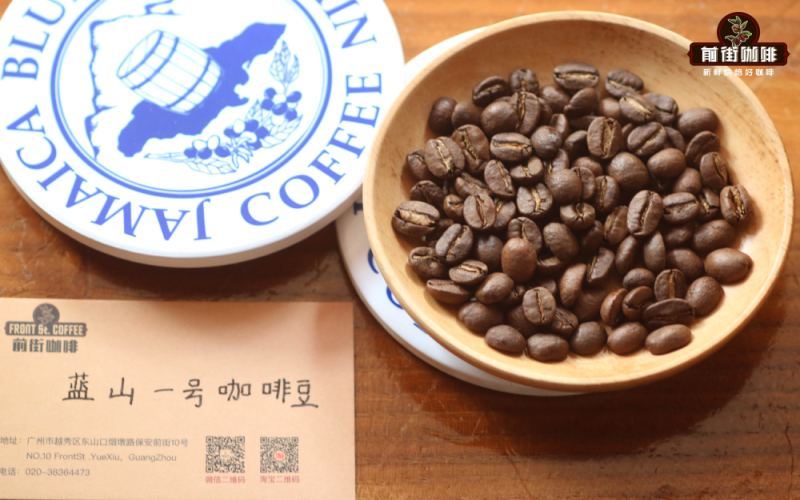
A Complete Guide to Jamaica Blue Mountain Coffee: Grades, Washed Processing, and How to Spot the Real Thing
Blue Mountain coffee is hailed as one of the finest coffee beans, yet the market is flooded with confusing products labeled "Blue Mountain flavor" or "Blue Mountain blend." Where exactly is authentic Jamaican Blue Mountain coffee grown? How are its grades classified? What is so special about its processing methods? From the perspective of Front Street, this article systematically reviews the cultivation history, growing regions, CIB certification system, washed processing procedures, and grading standards of Blue Mountain coffee, and shares the cupping flavors and brewing parameters of Front Street Blue Mountain No. 1, while also providing practical methods for identifying authentic Blue Mountain coffee, helping coffee lovers gain a comprehensive understanding of this legendary coffee. [more…]
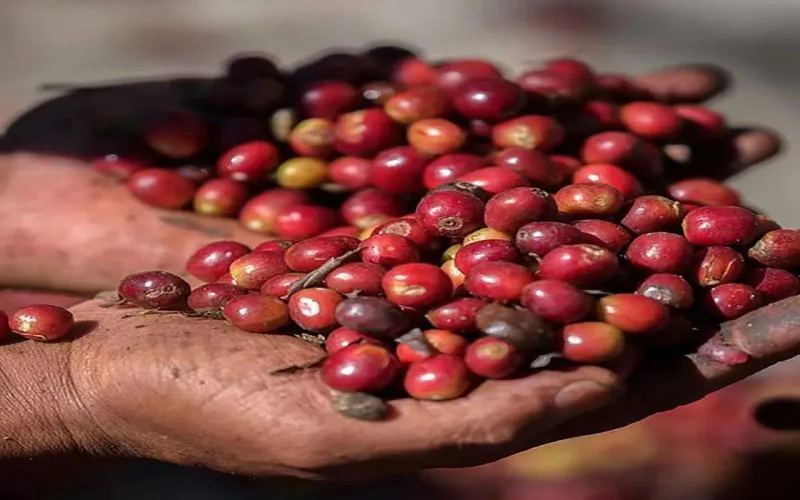
Why Are Ethiopian Coffee Beans So Uneven in Size? A Variety Analysis of the Sidamo Santaverry 74158
Ethiopia, as the birthplace of Arabica coffee, is known for beans with floral and citrus notes, but many enthusiasts notice that the coffee beans here often vary in size and shape. This is not a quality issue, but rather the result of the country's extraordinarily rich variety of coffee cultivars, diverse cultivation patterns, and a grading system that focuses on defect rate rather than bean size. This article will analyze the causes of differences in Ethiopian coffee bean morphology, introduce the three cultivation methods of garden, estate, and forest, explain the JARC digital variety series and the origin of 74158, and finally present the flavor profile of Front Street Coffee's Sidamo Santawini coffee beans. [more…]

A Comprehensive Analysis of the Evolution of the Jamaican Coffee Industry, the Blue Mountain Legal Production Region, and the Flavor of Blue Mountain Coffee
Jamaica is the third-largest island in the Caribbean. Its coffee industry, since the introduction of seedlings in 1728, has experienced rise and fall, ultimately gaining global renown through the Blue Mountain designated origin and strict quality supervision. In the late 18th century, cultivation expanded to the Blue Mountain region; the abolition of slavery and the loss of trade preferences led to the industry's decline, which was later reversed through legislation and institutional reforms to improve quality. Blue Mountain coffee is restricted to the Typica variety grown at elevations of 915 to 1,700 meters in the four parishes of Saint Andrew, Saint Thomas, Portland, and Saint Mary, and is packaged in wooden barrels; its flavor is renowned for being balanced and delicate. Front Street Coffee currently sells Blue Mountain from Clifton Estate, washed processing, with balanced acidity, body, and aroma, and a soft fruity acidity on the palate accompanied by a cocoa finish. [more…]
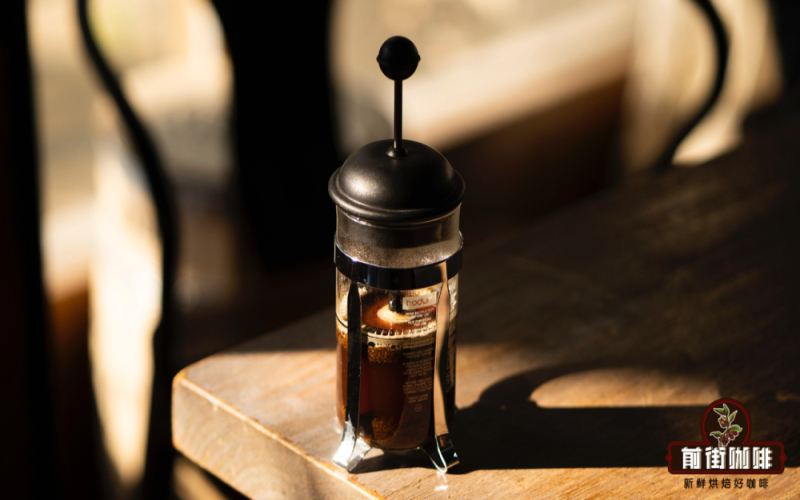
Is brewing Front Street Blue Mountain Coffee with a French press tasty? Master these key points and operational details
Making Front Street Blue Mountain coffee with a French press actually has few barriers to entry—no filter paper is needed, and the process is simple. However, if you want a balanced, delicious cup with prominent sweetness, you still need to pay attention to details such as grind size, water temperature, ratio, and steeping time. This article first introduces you to genuine Jamaican Blue Mountain coffee, from its producing region, grading system, and green bean quality control to barrel storage, then explains the complete French press brewing process step by step, and compares its flavor differences with pour-over and AeroPress, helping coffee enthusiasts reliably reproduce a sweet, smooth cup of Blue Mountain coffee at home. [more…]
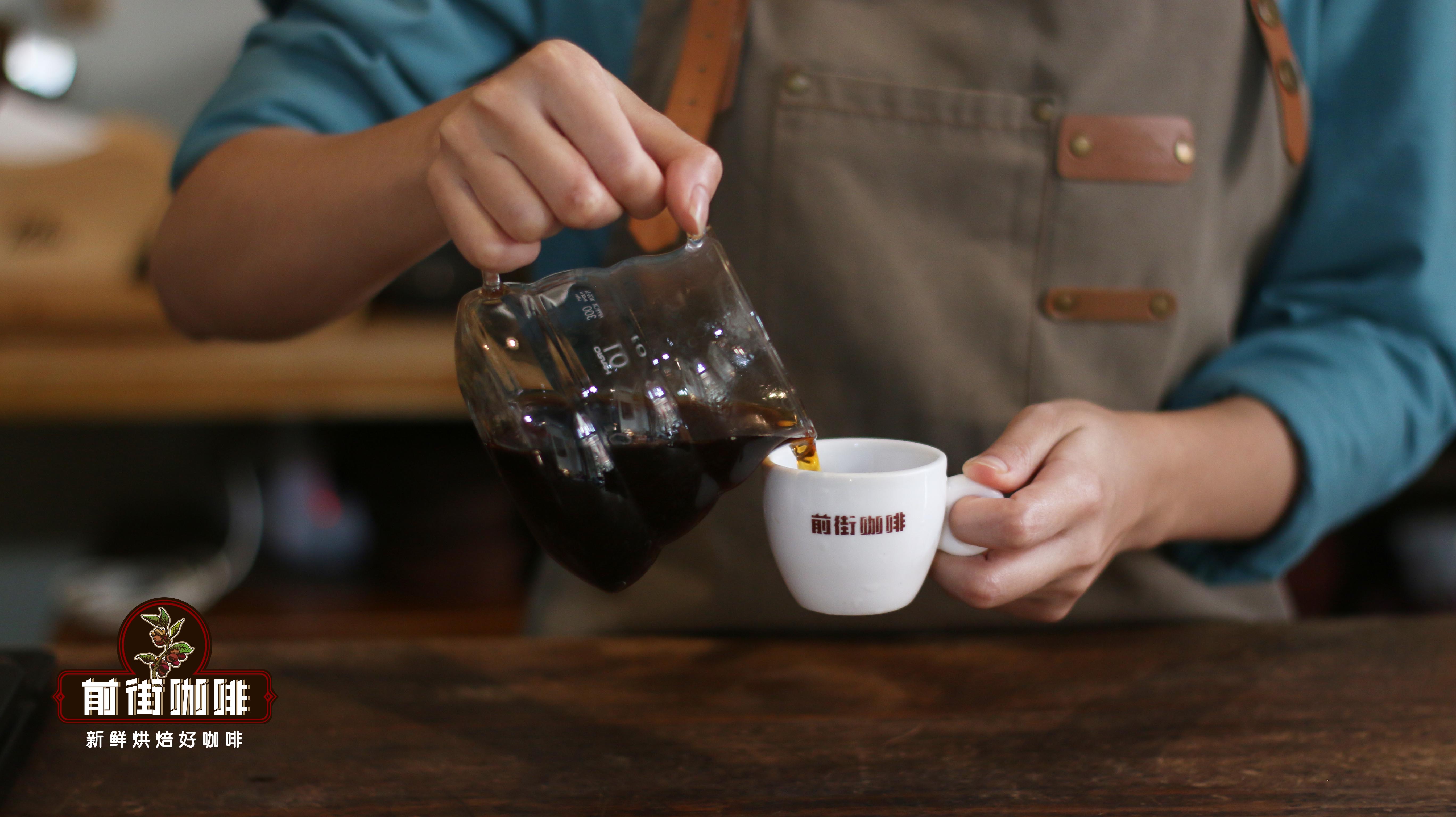
A Comprehensive Analysis of the Grading and Flavor Characteristics of Jamaican Blue Mountain No. 1 Coffee Beans
Before fruit-acidity coffees swept the market, the public's understanding of specialty coffee was still shallow, and coffee at that time was mostly dominated by bitterness. Yet Blue Mountain coffee, with its richly layered aroma and its balance among acidity, sweetness, and bitterness, became an irreplaceable classic in the hearts of many coffee lovers. This article will provide a detailed explanation of the grading standards for Jamaican Blue Mountain coffee, the unique characteristics of Blue Mountain No. 1, and Front Street Coffee's actual brewing parameters and flavor performance, giving you a comprehensive understanding of this legendary coffee bean. [more…]
Jamaica Blue Mountain Coffee: A Complete Guide to Origin, Terroir, Grades, and Pour-Over Brewing
Blue Mountain coffee is regarded by many as a classic symbol of the coffee world, its name almost synonymous with "top-tier coffee." But where exactly does Blue Mountain coffee come from, how is it graded, and what are its flavor characteristics? This article begins with the history of coffee cultivation in Jamaica, sorting through the terroir conditions of the Blue Mountains and the unique traits of the Typica variety, explaining in detail the Blue Mountain coffee certification standards and export grading system established by the CIB, and sharing Front Street Coffee's experience with the washed processing method and pour-over extraction plan for Clifton Estate Blue Mountain No. 1, giving you a comprehensive look at the real face behind this legendary coffee. [more…]
What does the frog logo on the Blue Mountain coffee barrel represent? Is Jamaican Blue Mountain Rainforest Alliance certified?
Friends who drink coffee regularly are certainly no strangers to the fame of Blue Mountain Coffee, but have you ever noticed the frog logo on Blue Mountain coffee barrels? It is actually closely tied to Rainforest Alliance certification. This article begins with Front Street Coffee's introductory experience and gradually breaks down Blue Mountain Coffee's legally defined production area, strict grading, unique barrel packaging, and why it has become a scarce treasure among specialty coffees. It will also explain Clifton Mount Estate's special certification status within the Blue Mountain production area, and introduce the flavor characteristics and availability channels of Front Street Blue Mountain No.1, giving you a comprehensive understanding of this legendary coffee. [more…]
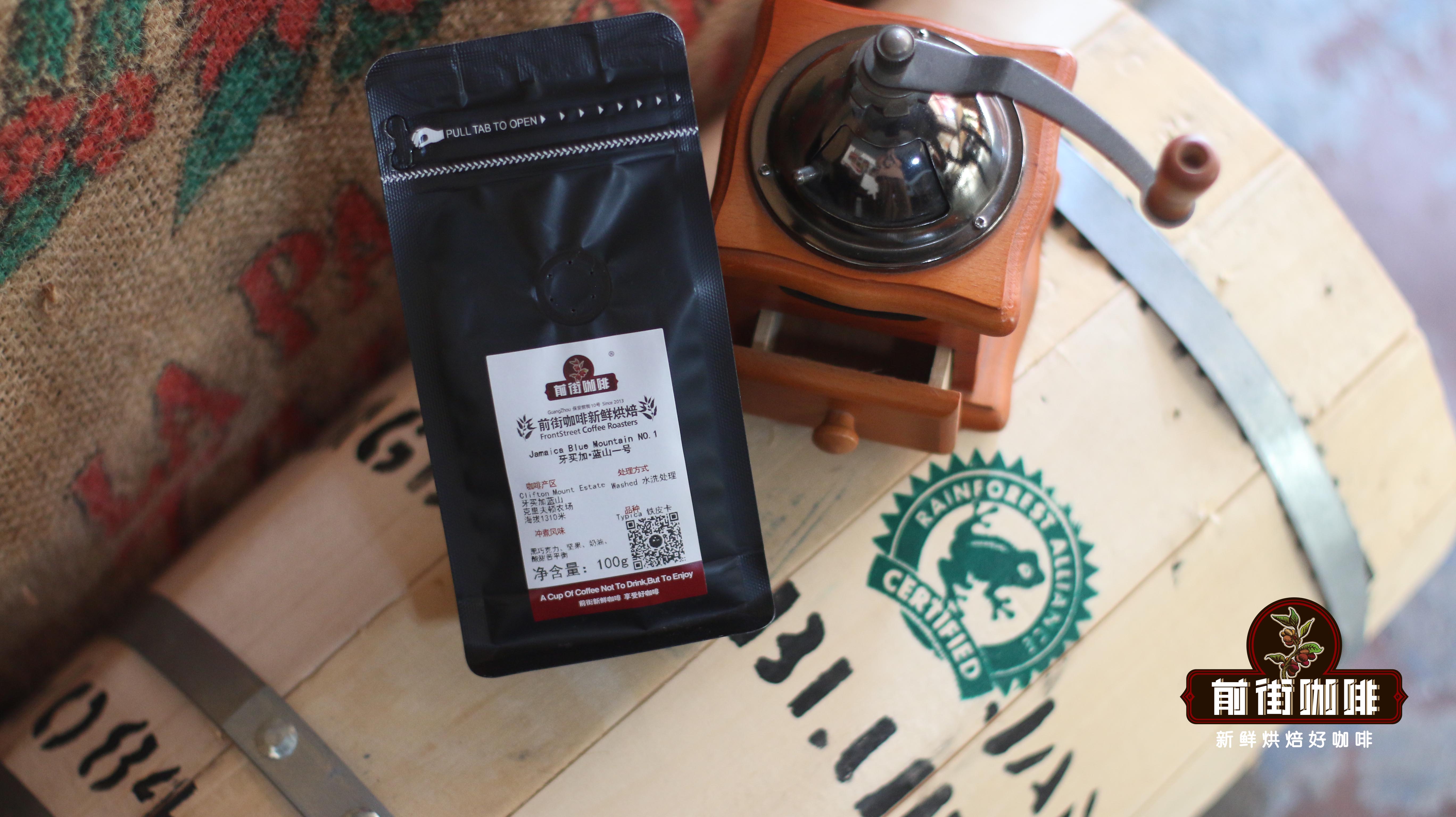
An Analysis of Jamaican Blue Mountain Coffee Bean Prices: How Much Does Authentic Blue Mountain Cost per Jin in China?
Blue Mountain coffee is hailed as the Hermès of the coffee world, but when it comes to its price and authenticity, plenty of outdated and even erroneous information circulates among enthusiasts. Some say Japan has monopolized Blue Mountain and that No. 1 beans are impossible to find domestically; others believe that authentic Blue Mountain costs no less than 300 yuan per cup. What is the truth? This article will start with Blue Mountain coffee's definition of origin, grading system, and import history, combine Front Street Coffee's actual purchasing experience, calculate the real price of Blue Mountain coffee beans for you, and share methods for identifying genuine Blue Mountain. If you also love Blue Mountain's balanced, mellow flavor, it is worth a read. [more…]