







Why Are Arabica Coffee Beans from Ethiopia So Uneven in Size?
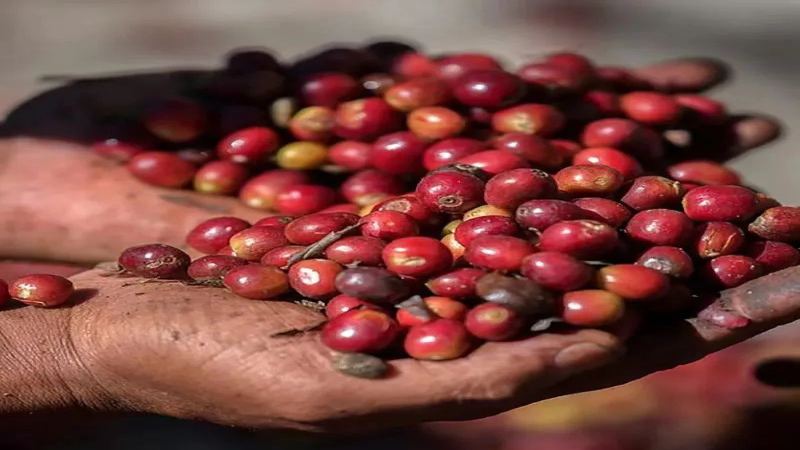
Uneven bean size in Ethiopian arabica coffee is normal, not a quality defect. Ethiopia is the birthplace of the arabica coffee species and Africa's largest coffee exporter, and it grows more than ten thousand coffee varieties, most still unidentified. Different varieties bear fruit and beans of different sizes, and the country's grading system prioritizes defect rate over bean size.
Cultivation is split into three models: garden, estate, and forest. Garden plots are the most common, each household usually under 4 hectares, with cherry delivered to nearby stations or cooperatives. Forest cultivation concentrates in the Kaffa Zone in the southwest, where wild arabica mother trees still grow in the kaffa forest, making it one of the richest genetic reservoirs for the species, as seen in lots like Sidamo Santaverry 74158.
Ethiopia, as the birthplace of Arabica coffee, is known for producing coffees with floral and citrus notes, but many enthusiasts will notice that the coffee beans here often vary in size and shape. This is not a quality issue, but rather due to the country's extremely rich variety of coffee species, diverse cultivation patterns, and a grading system that focuses on defect rate rather than bean size. This article will analyze the causes of Ethiopian coffee bean morphological differences, introduce the three cultivation methods of garden, estate, and forest, explain the JARC digital variety series and the origin of 74158, and finally present the flavor profile of Front Street Sidamo Saint Venice coffee beans.
Ethiopia is recognized as the birthplace of the Arabica coffee species and is also the largest coffee-exporting country in Africa. Local coffee has distinct floral and citrus notes and is favored by many coffee fans, and Front Street has also launched a number of related products. However, when purchasing Ethiopian coffee, many people notice that the beans often differ in size and shape. Does this mean the quality is poor?
The answer is no. The reason is that the coffee varieties cultivated in Ethiopia are extremely numerous, exceeding ten thousand, most of which have not yet been identified and classified. After different varieties grow and bear fruit, the sizes of the fruit and coffee beans themselves differ, so uneven size in the finished product is a normal phenomenon.
In Ethiopia, coffee cultivation is mainly divided into three types: garden cultivation, estate cultivation, and forest cultivation. Among them, garden cultivation is the most common, with more than half of the country's coffee coming from this model. Farmers plant coffee trees in their own yards, or interplant them with other crops in the fields, with each household usually having less than 4 hectares. When the picking season arrives, farmers deliver the harvested fruit to nearby processing stations or cooperatives, which then process and export it uniformly.
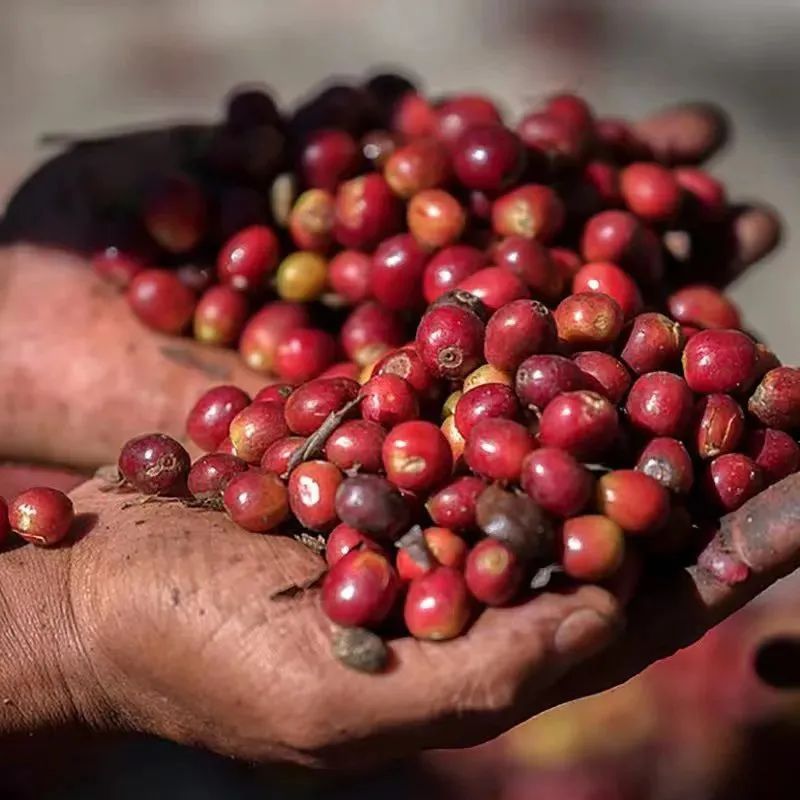
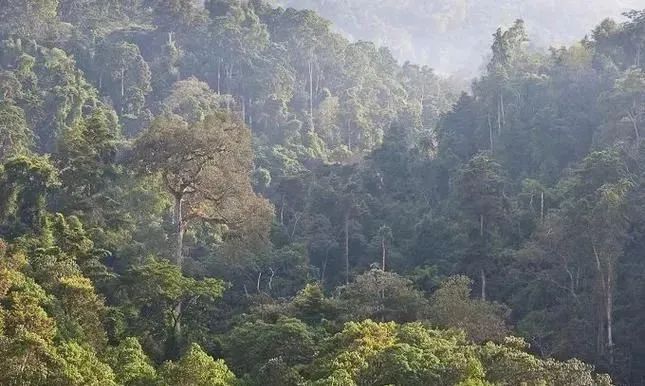
In addition, Ethiopia also has a forest cultivation model, mainly concentrated in the Kaffa Zone in the southwest. This is where coffee was first discovered, and to this day a large number of wild Arabica mother trees still grow in the Kaffa forest, making it arguably the richest genetic treasure trove of Arabica coffee. Around the forest are distributed about 30 coffee production cooperatives. When the coffee ripens, farmers enter the forest to pick the fruit, then sell or export it at processing points.
Under the garden cultivation model, many farmers cannot accurately identify and distinguish coffee varieties. The trees they plant may come from the previous landowner, or may have been shared among neighbors. After the coffee ripens, the processing plant collects fruit from multiple farmers and mixes it into one lot, which may contain several unclassified varieties, so the beans vary in size and shape and can be regarded as a "blended-type lot."
The same is true for the forest model. A large number of unidentified coffee varieties grow in the forest, and farmers find it difficult to distinguish them during harvest. This kind of mixed-harvest coffee is usually labeled "Heirloom," which in Chinese is called native species or heirloom varieties.
In addition, because bean size is uneven, Ethiopia's grading method differs from other countries that grade by green bean size; it only considers defect rate. As a result, even the highest-grade coffee beans are allowed to contain small beans, which is the most notable difference in appearance between the Ethiopian production region and other regions.
According to the latest grading system established by the Ethiopia Commodity Exchange (ECX), a 300-gram coffee bean sample is taken and comprehensively assessed based on the number of defects and cupping score, and is divided into G1 to G5 as well as Grade UG (the UG grade is further divided into P with parchment and NP without parchment), for a total of 6 grades. So even if Ethiopian coffee beans vary in appearance and size, it does not affect their intrinsic quality.
In addition to landraces, Ethiopia also cultivates JARC varieties. JARC varieties were bred by the Jimma Agricultural Research Center, one of the Ethiopian federal agricultural research centers, with the goal of enhancing resistance to pests and diseases and increasing yield. Between 1973 and 1975, the center collected 639 different coffee varieties from 15 regions and carried out identification and cultivation trials. In the end, 13 lots performed outstandingly, combining disease resistance, high yield, and drought tolerance, with quite good flavor performance as well.
The center classified these beans as "1974/1975 CBD-Rexistent Selections," which is the digital series that has attracted much attention in recent years. The currently common 74110, 74158, and 74112 all belong to this series, among which "74" and "75" represent the year of discovery, and the following three digits are the variety number.
At FrontStreet Coffee, there is a Front Street Sidamo Saint Venice coffee bean from the Sidamo production region, produced by the Saint Venice processing station under DWD Company. It uses the 74158 coffee variety and undergoes 96-hour anaerobic natural processing. After brewing, it has a faint fermented wine aroma, as well as citrus and berry-like tropical fruit flavors, with a full body and a long finish like red wine.
To learn more coffee origin information, please scan the QR code to follow: Coffee Review
Long-press the QR code to follow:
The above content is compiled by CoffeeHunters, a coffee news website.


