







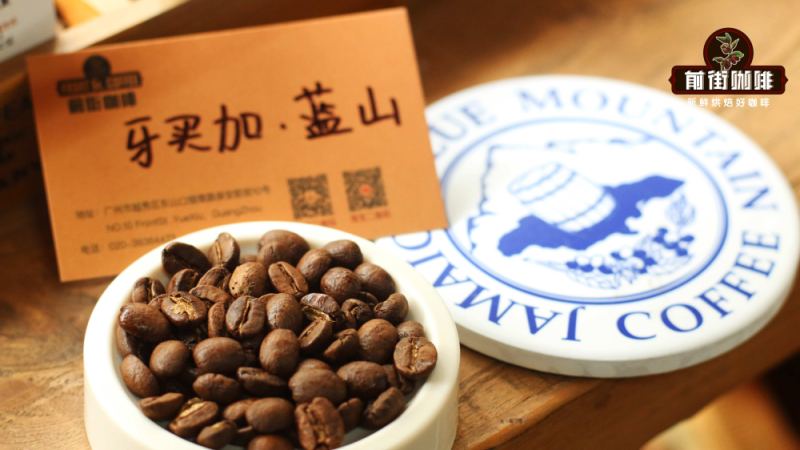
Where do arabica coffee beans come from in Jamaica's Blue Mountains?
In Jamaica, the arabica beans behind Blue Mountain coffee come from one variety: Typica, planted in defined parts of the Blue Mountain range at altitudes between 910 and 1,700 meters. Beans grown below 900 meters in the same range do not match that band in taste or mouthfeel.
Typica arrived in the Blue Mountains in the 18th century and adapted over roughly two hundred years, giving plump beans, prominent sweetness, and a clean mouthfeel. Output is limited and grading is strict, so Blue Mountain No. 1 sits at the top of the scale, while blend and style labels are not the same product.
Jamaican Blue Mountain coffee is hailed as the pinnacle of the coffee world, but most products on the market labeled "Blue Mountain flavor" are not authentic Blue Mountain. True Blue Mountain coffee is produced only from the Typica variety grown in specific areas of Jamaica's Blue Mountain range at altitudes between 910 and 1,700 meters. Its annual output is limited and its grading is strict, with Blue Mountain No. 1 representing the peak of quality. This article will guide you through the growing conditions, variety characteristics, and grading standards of Blue Mountain coffee, as well as the origin background, roasting approach, and pour-over parameters of Front Street Jamaican Blue Mountain No. 1 coffee beans, along with a complete extraction method and flavor description, providing coffee lovers with a professional and practical reference.
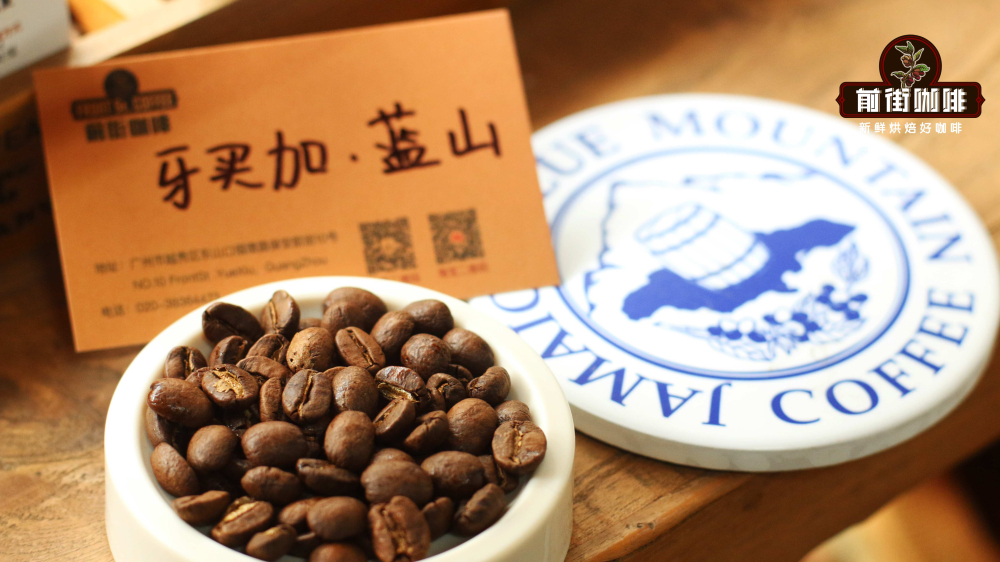
Front Street Jamaican Blue Mountain coffee refers to coffee brewed from single-origin coffee beans from Jamaica's Blue Mountain region. The so-called Blue Mountain flavor, Blue Mountain blend, and Blue Mountain style ready-to-drink beverages, instant coffees, and mixed beans commonly found on the market today cannot be considered true Jamaican Blue Mountain coffee.
Authentic Front Street Jamaican Blue Mountain coffee comes from the Blue Mountain range within Jamaica. This mountain range lies in the golden coffee-growing belt between 25 degrees north and south latitude, with fertile volcanic soil. Combined with the moderating effect of an island climate, it provides coffee trees with ample nutrients and rainfall, and gives the coffee cherries more opportunities to develop rich layers of flavor.
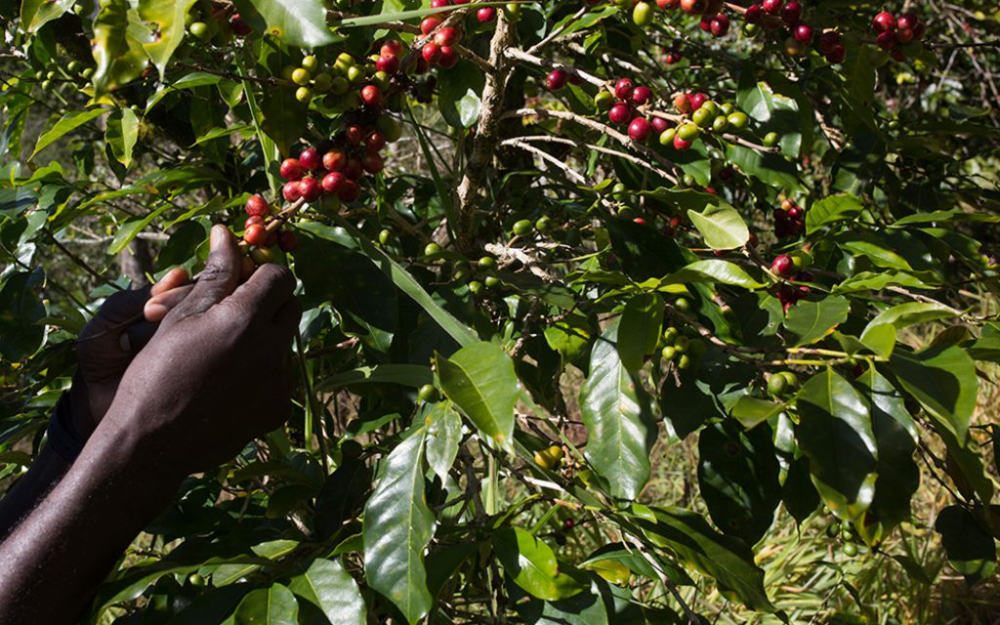
The trees planted on the mountain are exclusively of the Typica variety. This variety was introduced to the Blue Mountain region in the 18th century. After about two hundred years of adaptation and evolution, Blue Mountain Typica has developed into an Arabica variety with relatively strong disease resistance, is well suited to the local terroir, and has shaped a delicate flavor that is difficult to imitate elsewhere.
The Typica variety is characterized by plump beans, prominent sweetness, and a clean mouthfeel. Interestingly, however, although the entire Blue Mountain range grows the same variety, coffee beans produced below 900 meters cannot match those from the 910 to 1,700 meter range in taste and mouthfeel. Front Street Jamaican Blue Mountain coffee beans grown at high altitudes display a balanced harmony of acidity, sweetness, and bitterness, with a full-bodied flavor and a clean yet rich entry.
For this reason, the Jamaica Coffee Industry Board (CIB) stipulates that only coffee from the four parishes of Saint Andrew, Saint Mary, Saint Thomas, and Portland, grown at altitudes between 910 and 1,700 meters, is eligible to bear the name "Jamaican Blue Mountain Coffee." Coffee beans grown below 900 meters may only be sold as Jamaican High Mountain Coffee or Jamaica Select Coffee.
The output of true Jamaican Blue Mountain coffee is not high, at only about 300 to 600 tons per year. To maintain consistent quality year after year, it is graded based on green bean size, cup performance, and defect rate into Blue Mountain Coffee and Blue Mountain Premium Coffee. Under Blue Mountain Coffee, it is further subdivided into Blue Mountain No. 1, Blue Mountain No. 2, Blue Mountain No. 3, and Blue Mountain Peaberry.
Blue Mountain No. 1: screen size 19/18/17, defect rate below 3%;
Blue Mountain No. 2: screen size 16, defect rate below 3%;
Blue Mountain No. 3: screen size 15, defect rate below 3%;
Blue Mountain Peaberry: single peaberry beans of screen size 10, defect rate below 3%.
Among these, Blue Mountain No. 1 naturally represents the finest and most premium Blue Mountain coffee. To allow consumers to more intuitively appreciate the differences and quality of Blue Mountain coffee, the Jamaican government has established strict and detailed standards for its processing methods, export packaging, and certification, even specifying which organic fertilizers may be used during the growing period, requiring all harvesting to be done by hand, and mandating 100% export in wooden barrels.
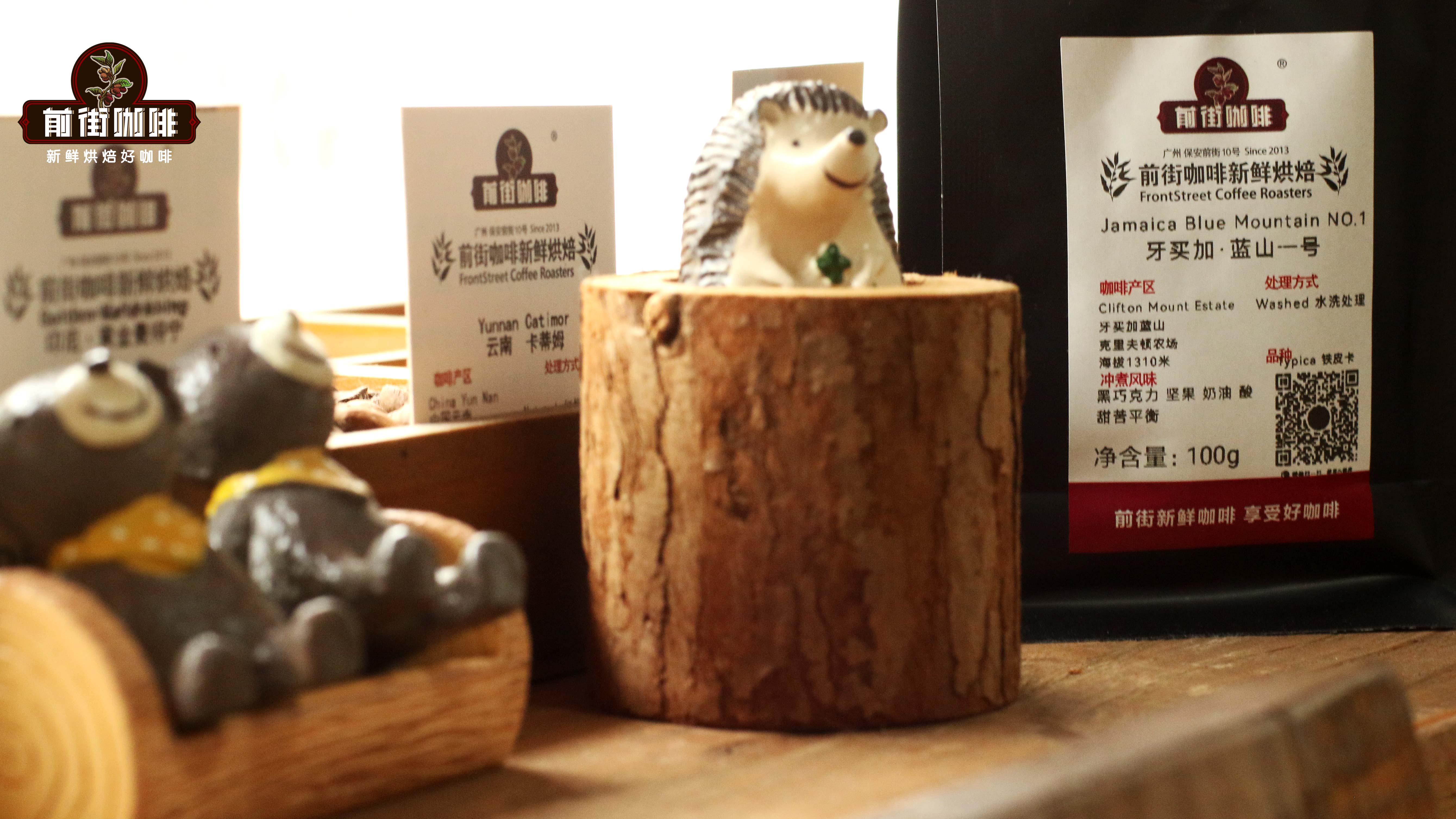
The Front Street Jamaican Blue Mountain No. 1 coffee beans currently sold by Front Street Coffee are priced at 158 yuan per 100g and come from Clifton Estate in the Saint Andrew parish. This estate is the oldest coffee-growing area in the Blue Mountain range, with a growing altitude of 1,310 meters. It is also Jamaica's largest and most historically established and capable green coffee exporter, maintaining stable coffee quality every year in both cultivation management and post-processing quality control.
At Front Street Coffee's physical stores, you can see Clifton Estate's certificate of origin for the Front Street Blue Mountain No. 1 coffee beans sold by Front Street Coffee, as well as the wooden barrels used to hold the green coffee beans.
To ensure that Front Street Blue Mountain coffee not only presents a balance of acidity, sweetness, and bitterness but also has a fuller body, the Front Street Jamaican Blue Mountain No. 1 coffee beans sold by Front Street Coffee are uniformly given a medium-dark roast and shipped within 5 days after roasting is completed.
The darker the roast, the faster flavor compounds dissolve. To avoid over-extraction, Front Street chooses to brew with a lower water temperature, paired with the slower-flowing Kono dripper, aiming to extract as much from the coffee as possible under low-temperature conditions.
When brewing Front Street Blue Mountain coffee, use a water temperature of 88°C, 15 grams of coffee grounds, a coffee-to-water ratio of 1:15, and a medium-coarse grind (70% passing through a No. 20 sieve).
The extraction method is as follows: In the first stage, pour 30 grams of water for blooming, with a blooming time of 30 seconds; in the second stage, pour water until about 125 grams, then wait for the coffee liquid level to drop. When the liquid level drops to halfway, pour the final stage of water until 225 grams. Once all the coffee has finished dripping, the extraction is complete. The total extraction time is approximately 2 minutes and 10 seconds.
The flavor performance of pour-over "Front Street Blue Mountain No. 1 Coffee": rich aromas of dark chocolate and nuts, a creamy and smooth mouthfeel, and a balance of acidity, sweetness, and bitterness.
The above content is compiled by CoffeeHunters, a coffee news website.


