







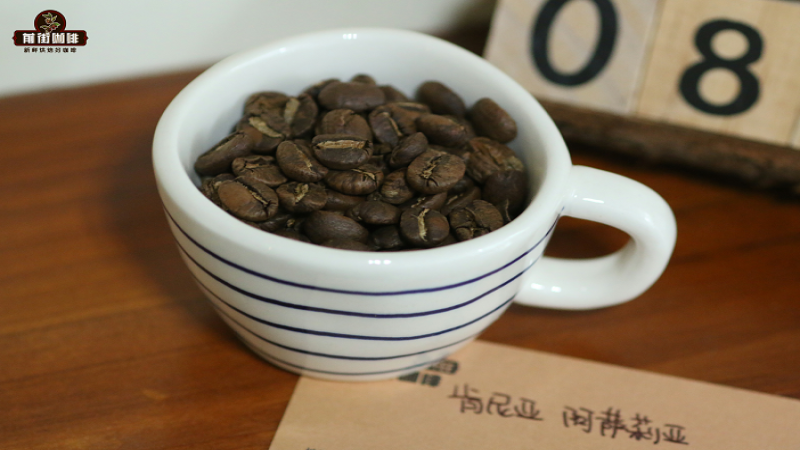
What does Kenya Asaliya arabica coffee taste like?
Front Street Kenya Asaliya is a washed coffee from the Asali processing plant in the Thika region, grown at 1,550 to 1,750 meters from the SL28 and SL34 varieties. The cup shows snow pear, smoked plum, brown sugar, plum and cherry tomato, with juicy body and a floral finish. It is fermented for 72 hours using the Kenyan K72 washed method.
Kenya sits on the equator with the Great Rift Valley running north to south, and its high plateaus and tropical savanna rainfall push slow cherry ripening. The guide compares V60 and cake-cup brews to show how the dripper changes the flavor. Neighboring origins differ too: Uganda coffee beans taste heavier and earthier, while Kenyan arabica beans keep a sharper fruit acidity.
Kenyan coffee is renowned for its bright fruit acidity and multi-layered flavors, and the Asaliya washed beans from Front Street Coffee are a typical example. These beans come from the Asali processing plant in the Thika region, at an altitude of 1,550 to 1,750 meters, with varieties SL28 and SL34, processed using the Kenyan-style 72-hour fermentation washed method. The flavor presents a complex profile of snow pear, smoked plum, brown sugar, plum, and cherry tomato. This article will guide you through the background of the Kenyan region, the origins of the SL varieties, the K72 processing method, and share Front Street Coffee's roasting curve along with two brewing methods using the V60 and cake cup, comparing the flavor performance under different drippers to help you fully unleash the juice-like body and floral finish of these beans.
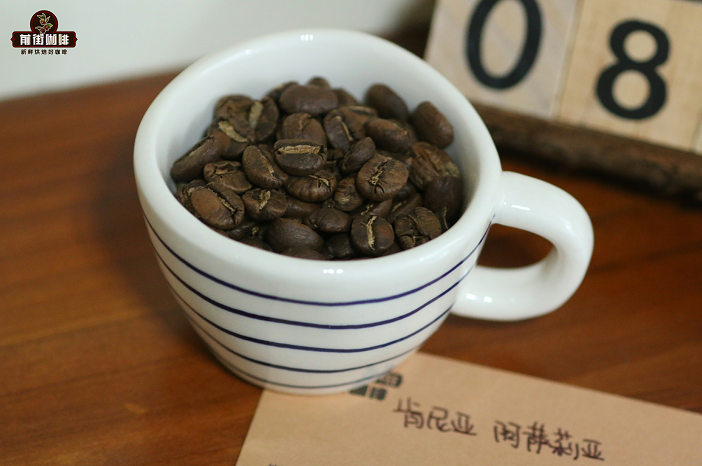
Front Street Coffee · Kenya Asaliya Coffee Beans
Region: Kenya, Thika Region, Asali Processing Plant
Altitude: 1,550-1,750m
Processing Method: Washed
Varieties: SL28 & SL34
Flavor: Snow Pear, Smoked Plum, Brown Sugar, Plum, Cherry Tomato
Kenya is located in East Africa, with the equator passing through its center and the Great Rift Valley running north to south. The country borders Somalia to the east, Tanzania to the south, Uganda to the west, Ethiopia and Sudan to the north, and the Indian Ocean to the southeast. Although it is a neighbor of Ethiopia, the flavor profile of Kenyan coffee is vastly different from that of Ethiopia.
Regional Information
Kenya's ability to produce high-quality coffee beans is inseparable from its unique climate and geographical environment. It is located in East Africa, with the equator crossing its center and the Great Rift Valley running north to south. It borders Somalia to the east, Tanzania to the south, Uganda to the west, Ethiopia and Sudan to the north, and the Indian Ocean to the southeast, with a coastline of 536 kilometers. The country is mostly plateau, with an average altitude of 1,500 meters. Mount Kirinyaga (Mount Kenya) in the center has an altitude of 5,199 meters, with snow on its summit, making it the second-highest peak in Africa. The entire country lies in a tropical monsoon zone, but due to its high terrain, it has a tropical savanna climate with significant seasonal differences in rainfall.
The coastal areas have a hot and humid climate, while the highland regions are mild and pleasant, with annual temperatures ranging from a maximum of 22 to 26 degrees Celsius and a minimum of about 10 to 14 degrees Celsius. Coffee is one of Kenya's pillar industries, with the vast majority of coffee trees growing at altitudes of 1,500 to 2,100 meters, yielding two harvests per year. The most prominent characteristic of Kenyan coffee beans is their clear fruit aromas, with citrus being the most common. This Kenyan coffee from Front Street Coffee exhibits rich layering and juice-like acidity, with particularly distinct flavors of pomelo and wine, and just the right body, making it a favorite single-origin choice for many coffee professionals.
SASINI Estate is located in the KIAMBU region, at an altitude between 1,500 and 2,000 meters. The area boasts beautiful scenery, a comfortable climate, abundant sunshine, and excellent soil conditions—fertile acidic red soil that is loose, deep, and well-draining, with water pH maintained between 5.5 and 6.5.
SL-28 is one of the two most highly regarded varieties developed by the Scott Laboratories in Kenya in the 1930s. Although the laboratory no longer exists, it has now been merged into the National Agricultural Laboratories under the Kenya Agricultural and Livestock Research Organization. Both varieties are Bourbon derivatives, but with different lineage origins: SL-28 originates from drought-resistant varieties initially planted in Tanganyika (now part of Tanzania) and is generally considered to be of the highest quality, though its yield is lower compared to other commercial Arabica varieties. The young leaves of these SL varieties exhibit a bronze color.
Processing Method Introduction
The Front Street Kenya Asaliya coffee beans obtained by Front Street Coffee are processed using the washed method.
The Kenyan-style washed processing uses a repeated cycle of fermentation and rinsing. On the day of harvest, the finest coffee cherries are selected, and after pulping, they enter the fermentation stage. The first fermentation lasts 24 hours, followed by rinsing with clean river water. Then a second 24-hour fermentation is carried out with clean river water, rinsed again, and this is repeated for three rounds, totaling 72 hours, hence the name Kenyan-style 72-hour fermentation washed processing, or K72 for short. This method allows the coffee beans to ferment for an extended period at low temperatures, giving the beans a brighter, cleaner, and fuller flavor expression.
Front Street Coffee Roasting Analysis
These richly flavored Front Street Kenya washed beans are hard in density due to the high altitude, so the roasting begins with a faster heating rate, reaching the yellowing point at about 5 minutes. After that, the heat is reduced to enter the Maillard reaction stage. When the temperature reaches 166 degrees, the heat is reduced again to extend the Maillard reaction time. After first crack begins, the endothermic reaction is strong, so it is recommended to maintain heat supply at this stage to avoid stalling the temperature rise. The first crack development period takes longer, which helps reduce acidity and promote flavor development.
Roaster Yangjia 800N (batch size 300g)
Charge at 170°C, heat setting 100, airflow opened to 3; turning point at 1'42", when the temperature reaches 140°C, open airflow to 3.5, heat remains unchanged; when the temperature reaches 149°C, the bean surface turns yellow, the grassy smell completely disappears, entering the dehydration stage;
At 7'14'' dehydration is complete, heat and airflow remain unchanged. At 7'30'' wrinkles and dark patches appear on the bean surface, the toasty bread aroma turns into coffee aroma, a prelude to first crack—at this point, listen carefully for the sound of first crack. At 8'20'' first crack begins, open airflow to 4, reduce heat to 50. After first crack, development time is 1'50''. At 188°C, reduce heat to 30 to flatten the temperature rise, and drop at 193.3°C.
Front Street Coffee Brewing Suggestions
Dripper: V60 or Cake Cup
Water Temperature: 88-90°C
Coffee-to-Water Ratio: 1:15
Grind Size: Fine grind (80% passing through China Standard No. 20 sieve)
Brewing Method: Pulse pouring. Bloom with 30g of water for 30 seconds, then pour in a slow circular motion until 124g for the first pulse. When the water level is about to expose the coffee bed, continue pouring until 228g and stop. When the water level is about to expose the coffee bed again, remove the dripper. (Timing starts from the beginning of the bloom) Total extraction time is 1'55".
When brewing this Front Street Kenya washed Asaliya with a V60 dripper, it smells of floral notes, with an acidity of cherry tomato, citrus, and nuts on the palate, creaminess in the mid-palate, a brown sugar sweetness in the finish, and a lingering aftertaste of cocoa and oolong tea. The flavor layers are quite rich, with prominent floral notes. When brewing with a cake dripper, it smells of herbal plant aromas and cherry tomato, with an overall pronounced juice-like body and lively acidity.
The above content is compiled by CoffeeHunters, a coffee news website.


