







Search Results for: Asalia
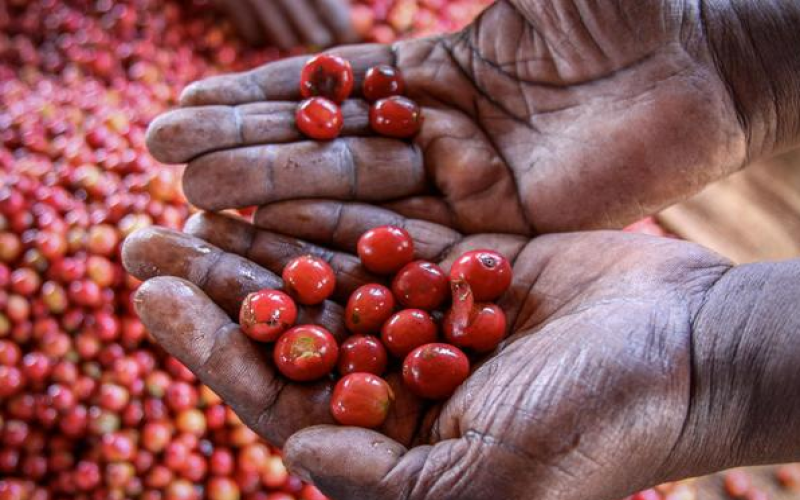
Kenya Coffee Region Classification and Asalia Flavor Analysis: The Key Role of K72 Washing and SL Varieties
Kenya is a highly regarded producing region in the specialty coffee world, and its bright acidity and intense berry notes have long been praised by enthusiasts. This article will begin with Kenya's geographical environment and six major producing regions, explain in detail the growing conditions of the Thika region, and deeply analyze how its iconic K72 washing process shapes a clean and full-bodied flavor. At the same time, the article will also sort out Kenya's grading system based on bean size, as well as the decisive influence of representative varieties such as SL28 and SL34 on flavor. Finally, Front Street Coffee will share the brewing parameters and three-pour method for Asalia coffee beans, taking you through the layered expression of cherry tomato, black plum, and honey sweetness. [more…]

Kenya Asalia Coffee Beans: A Complete Analysis from Origin Terroir to Front Street Brewing Flavor
Kenya is a brilliant coffee gem in East Africa, where the equator, highland volcanic soil, and abundant sunshine together create its unique flavor genes. This article will give you a comprehensive understanding of Kenya's national overview, geography and climate, and coffee-producing regions, with a focus on the characteristics of well-known regions such as Nyeri, Kirinyaga, Murang'a, Kiambu, and Thika. It will also share the brewing performance and flavor experience of the Asalia coffee beans sourced by Front Street Coffee under K72 washed processing and medium-light roasting, making it suitable for every enthusiast who wants to gain a deeper understanding of Kenyan coffee. [more…]

Kenya AA Pour-Over Coffee Ground-to-Water Ratio Practical Analysis: Flavor Differences from 1:15 to 1:13 and 1:17, and Front Street Asalia Brewing Record
The coffee-to-water ratio for pour-over coffee is often seen by beginners as the biggest obstacle. At Front Street Coffee, through conversations with customers in our stores and with enthusiasts, we have found that most questions revolve around this one parameter. This article uses the Front Street Asalia AA TOP coffee beans from Kenya's Thika region as a sample, keeping the three-pour brewing method and a water temperature of 90-92°C fixed, changing only the coffee-to-water ratio, and conducting comparative brews at 1:15, 1:13, and 1:17 respectively, recording the changes in flavor direction such as citrus, cherry tomato, smoked plum, and caramel. At the same time, it sorts out the difference between extraction yield and concentration, the Golden Cup theory range, the two major extraction methods of immersion and filtration, and includes a complete explanation of Kenya's 72-hour washed processing method, helping readers understand how the coffee-to-water ratio affects the acidity, sweetness, and body thickness of a cup of pour-over coffee. [more…]
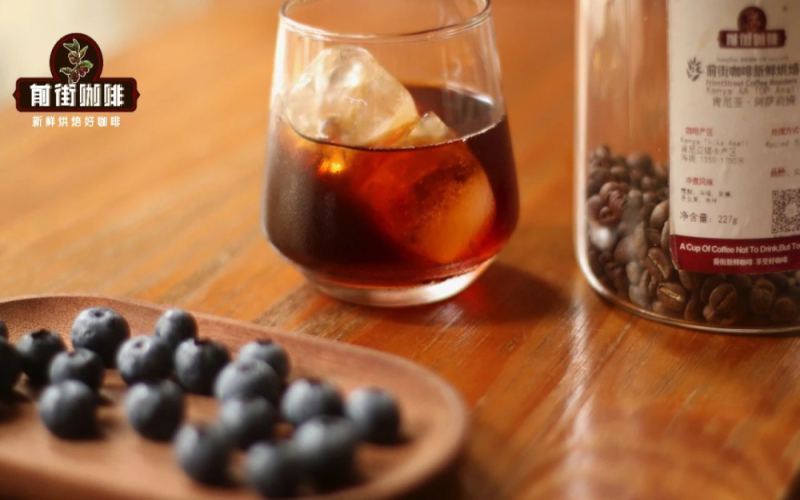
Analyzing the Grading Differences Between Kenya AA and AA TOP: A Detailed Look at the Asalia K72 Washed Beans from the Thika Region
Kenyan coffee is famous for its bright, juicy acidity, and labels such as AA, AB, and AA TOP are common in China. How exactly are these grades divided? Is there a substantial difference between AA and AA TOP? This article will start with Kenya's official grading system, analyze the criteria for grades such as AA, AB, PB, and E, and explain the meanings of secondary grading terms such as TOP, Plus, and FAQ set by exporters themselves. It will also introduce the K72 washed coffee beans from the Asali Processing Plant in the Thika region, which use SL28 and SL34 varieties, are AA grade, and are light-roasted by Front Street Coffee to present flavors of cherry tomato and smoked plum. [more…]
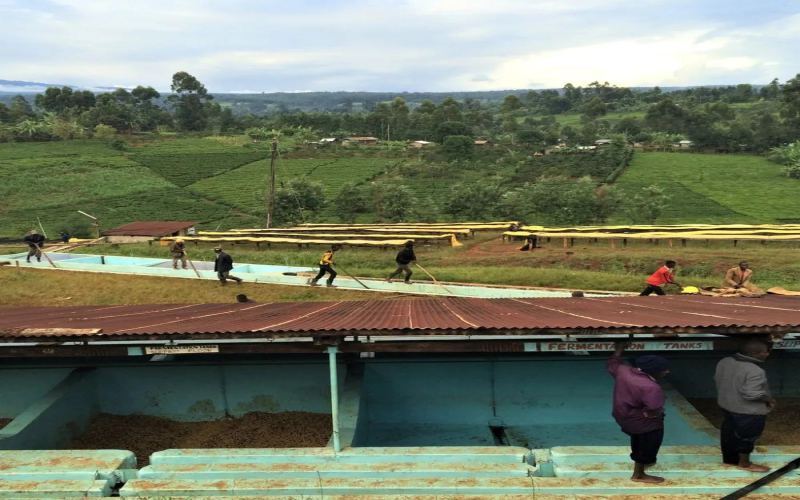
An Analysis of the Differences Between Kenyan K72 Washed and Regular Washed Processing: A Comprehensive Introduction to SL28 and SL34 Coffee Beans from Asalia in the Thika Region
Kenyan coffee stands out in the global specialty coffee scene with its distinctive notes of black plum and cherry tomato acidity, along with a juicy sweetness. The formation of this flavor profile benefits from the region's superior geographical and climatic conditions, as well as high-quality varieties like SL28 and SL34, and the highly distinctive K72 washing process. This article will start from the ordinary washing process, detail the origin and evolution of the K72 method, compare the key differences between the two in fermentation duration, process flow, and cost investment, and introduce the currently available Front Street Coffee SL28 and SL34 coffee beans from the Asali Processing Plant in the Thika region, giving you an in-depth understanding of the logic behind Kenya coffee's unique flavor. [more…]
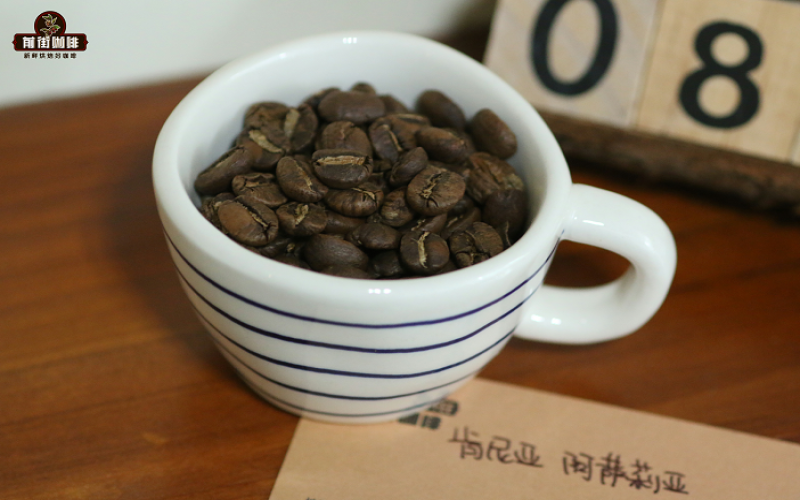
Kenya Asalia Washed Coffee Beans Pour-Over Guide: Flavor Layers and K72 Processing Method Explained
Kenyan coffee is renowned for its vibrant fruit acidity and multi-layered flavors, and the Asalia washed beans launched by Front Street Coffee are a typical representative. This coffee comes from the Asali processing plant in the Thika region, at an altitude of 1,550 to 1,750 meters, with varieties SL28 and SL34, using the Kenyan-style 72-hour fermentation washed method. The flavor presents a complex tonality of snow pear, smoked plum, yellow sugar, plum, and cherry tomato. This article will guide you through the background of the Kenyan region, the origins of the SL varieties, and the K72 processing technique, and share Front Street's roasting curve and two brewing methods—V60 and cake cup—comparing the flavor performance under different drippers to help you fully unleash this coffee's juicy feel and floral finish. [more…]
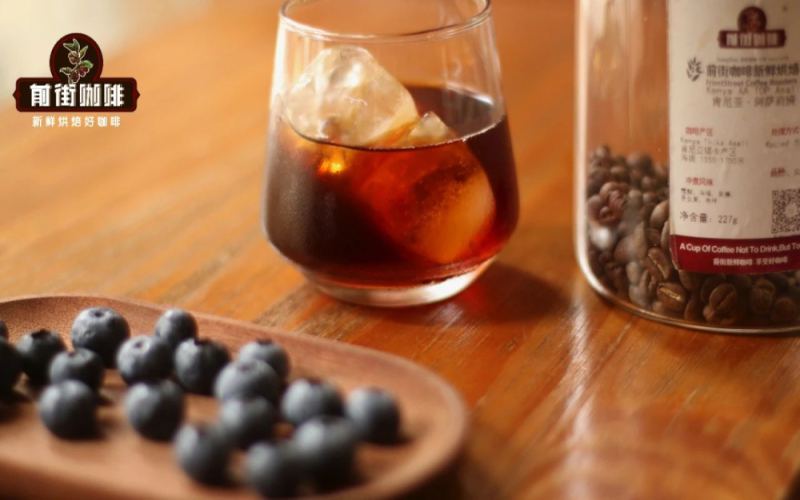
A Comprehensive Analysis of the Flavor Formation of Kenyan AA Washed Coffee Beans and SOE Production
Kenyan coffee is renowned for its wild berry-like acidity and clean, bright cup profile, making it a favorite among many coffee connoisseurs. From the perspective of Front Street Coffee, this article systematically reviews the history of Kenyan coffee cultivation, its main producing regions, and grading standards, while offering an in-depth analysis of the causes behind its signature acidity—red volcanic soil, the SL28 and SL34 varieties, and the unique K72 washing process. At the same time, using Kenya Asalia coffee beans as an example, the article also shares pour-over parameters and SOE espresso preparation steps to help coffee enthusiasts recreate a full-flavored cup of Kenyan coffee at home. [more…]
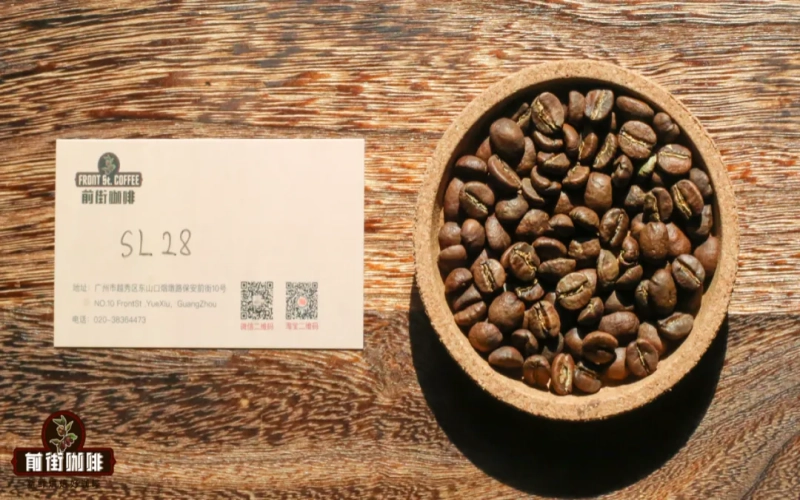
Kenyan Coffee's Grade Positioning and the Origins of Its Tomato Flavor: The Past and Present of the SL28 Variety
Kenyan coffee is world-renowned for its bright acidity and distinctive flavors of dark plum and cherry tomato, and behind this lies a key variety—SL28. This direct descendant of Bourbon, bred by Scott Laboratories in the 1930s, is not only drought-resistant and high-yielding but also boasts outstanding flavor performance, making it the core force behind the creation of the "Kenyan flavor." This article, from the perspective of Front Street, will trace the origins, characteristics, and spread of SL28, analyze the causes of Kenya's unique coffee flavor, and share a brewing guide for Front Street Kenya Asalia, giving you a comprehensive understanding of the charm of this African star bean. [more…]
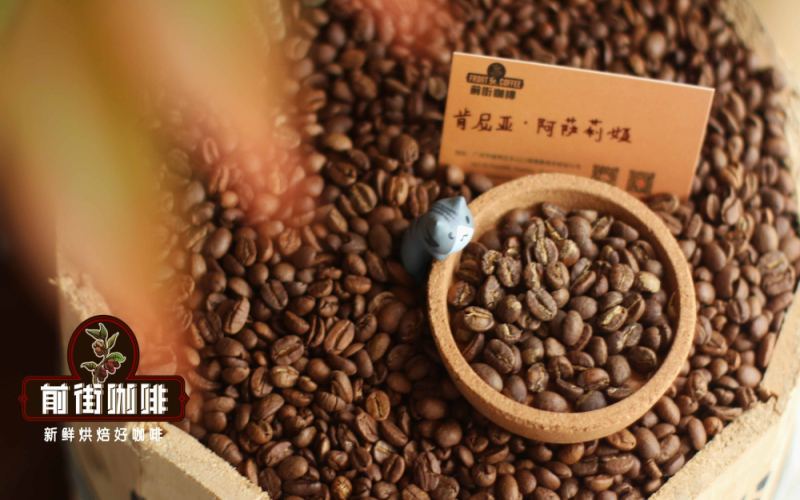
Kenyan Coffee Flavor Characteristics and Grading: The Berry-Like Acidity from Washed Processing and SOE Brewing Methods
Kenyan coffee is renowned for its bright, clean berry-like acidity, combined with caramel-like sweetness and a slight bitterness, making it suitable for a variety of brewing methods including pour-over, Americano, and SOE. From the perspective of Front Street Coffee, this article systematically reviews the cultivation history, major producing regions, and grading standards of Kenyan coffee, and provides an in-depth analysis of the causes behind its signature acidity—red volcanic soil, the SL28 and SL34 varieties, and the unique K72 washed processing method. In addition, the article presents in detail the pour-over parameters and SOE preparation process for Front Street Kenya·Asalia coffee beans, offering coffee enthusiasts a complete reference from theory to practice. [more…]
Kenyan Coffee Varieties and AA Grade Full Analysis: Why Is It So Acidic? Flavor Sources and Brewing Guide
Kenyan coffee, with its wild berry-like acidity, has become a beloved favorite among many coffee connoisseurs. But where exactly does its acidity come from? How do variety, producing region, grading system, and processing method affect the flavor in the cup? From the perspective of Front Street Coffee, this article systematically reviews the cultivation history of Kenyan coffee, its main producing regions, and the AA grading standards, deeply analyzes the contributions of the SL28 and SL34 varieties and the K72 washed processing method to acidity and cleanliness, and includes the pour-over parameters and SOE preparation demonstration for Front Street Kenya Asalia coffee beans, giving you a comprehensive understanding of the unique charm of this African star bean. [more…]
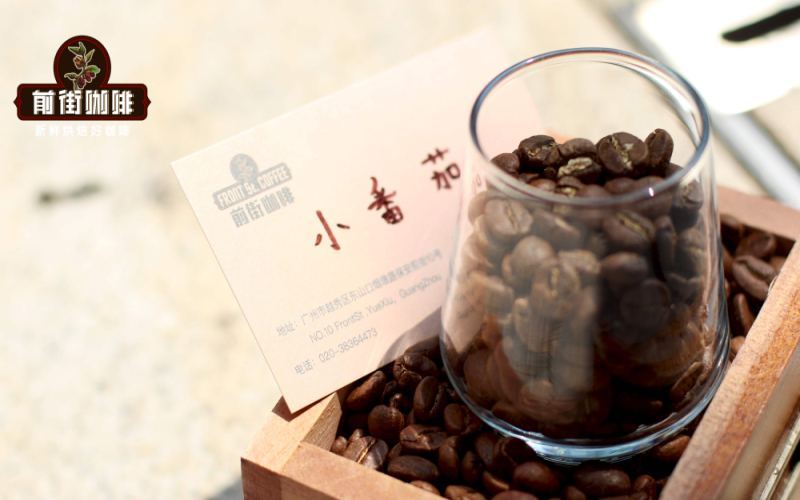
A Comprehensive Analysis of Kenyan Coffee Bean Grading and Cultivation Processing Systems: From AA Classification to Auction Trading
Kenyan coffee is renowned worldwide for its intense, full-bodied fruity acidity, and its unique flavor profile is inseparable from its strict grading system and refined cultivation and processing systems. This article will systematically sort out the development of Kenyan coffee, from its introduction during the colonial period to the Scott Laboratories' selection and breeding of SL28 and SL34, and then to the grading standards such as AA, AB, and PB established in 1938, interpreting one by one the meanings and characteristics of the E, AA, AB, C, PB, TT, and T grades. At the same time, it will provide an in-depth introduction to the flavor differences of major Kenyan coffee regions such as Nyeri, Kirinyaga, and Thika, analyze the coexistence of large estates and smallholder cooperatives, as well as the two trading mechanisms of the Nairobi Coffee Exchange auction and direct trade. Front Street Coffee will also share roasting and pour-over recommendations for Kenyan Asalia coffee beans, taking you through a comprehensive understanding of the coffee world of this East African producing country. [more…]
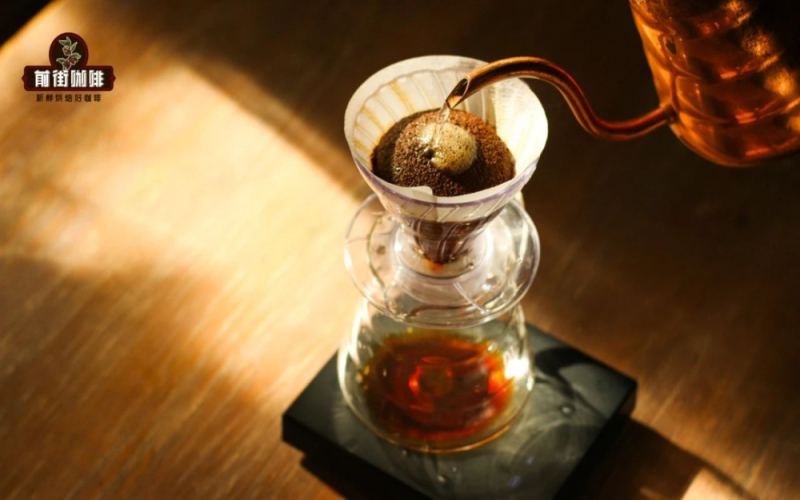
Analysis of Kenyan Asalia Pour-Over Parameters: V60 Dripper Coffee-to-Water Ratio and Key Operating Points
The joy of pour-over coffee lies in showcasing the unique character of beans from different origins by adjusting equipment and parameters. Using Front Street Coffee's Kenya Asaliya as an example, this article provides a detailed introduction to the V60 dripper's structural features, material and model selection, and offers specific brewing parameters and staged extraction techniques. It also analyzes the flavor performance of this AA TOP bean, helping coffee enthusiasts, based on an understanding of the relationship between dripper flow rate and extraction, master a practical method for consistently producing a bright, clean cup of Kenyan pour-over. [more…]

How to Choose the Coffee-to-Water Ratio for Pour-Over? A Side-by-Side Taste Test of Kenya Asalia at Different Ratios
What ratio of coffee to water is actually appropriate for pour-over coffee? This is the confusion that many coffee enthusiasts encounter most often when brewing. Front Street Coffee routinely uses a 1:15 coffee-to-water ratio in its daily offerings, but this ratio is not an ironclad rule—different ratios bring out completely different flavor expressions. Starting from the principles of extraction and the Golden Cup theory, and combined with actual brewing tests using Front Street Kenya Asalia coffee beans, this article compares three coffee-to-water ratios—1:15, 1:13, and 1:17—detailing the differences in sweetness-acidity balance, body thickness, and aftertaste length, to help readers find the cup that best suits their own taste. [more…]
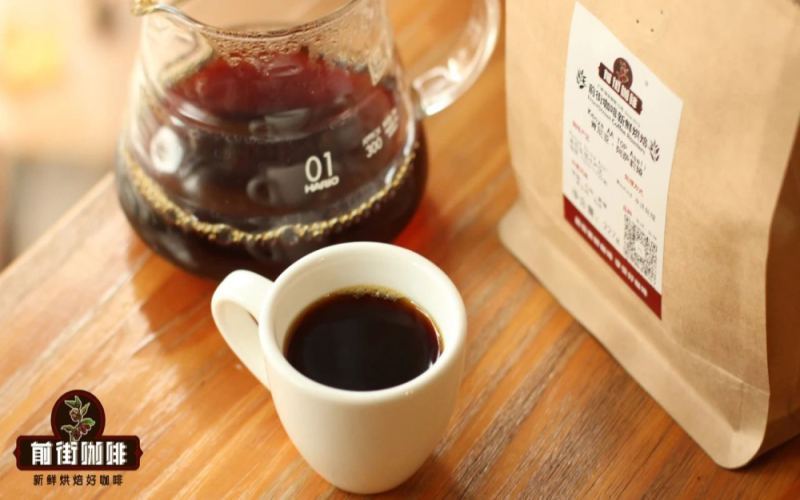
Kenya Coffee Industry Panorama: From Berman Estate to Front Street Asalia - Regions, Grading, and Flavor Analysis
Kenya, with its exceptional climate conditions and a continuously refined industry system, has cultivated Arabica coffee with distinct flavors and outstanding quality. This article starts with Dormans Estate, Kenya's largest coffee producer, to systematically trace the rise of Kenyan coffee—including the SL28/SL34 breeding mechanism, government promotion, the auction system, unique grading standards, and the 72-hour washed fermentation process—and further analyzes the characteristics of core producing regions such as Nyeri, Kirinyaga, and Murang'a. It also presents Front Street Coffee's Kenyan Asalia (Little Tomato) brewing recipe and flavor review, offering coffee enthusiasts a complete picture of Kenyan specialty coffee. [more…]
An Analysis of Kenyan AA Coffee Bean Variety Characteristics and a Full Description of Its Pour-Over Flavor and Mouthfeel
Kenyan coffee is renowned worldwide for its intense, full-bodied fruity acidity, forming a sharp contrast with the soft, bright character of neighboring Ethiopia. This article systematically reviews the development history, growing conditions, major producing regions, variety characteristics, and grading system of Kenyan coffee, and documents in detail Front Street Coffee's roasting, cupping, and pour-over parameters for two beans—Kenya Asaliya AA TOP and Sasini Estate PB—helping coffee enthusiasts gain a comprehensive understanding of Kenyan coffee from seed to cup. [more…]
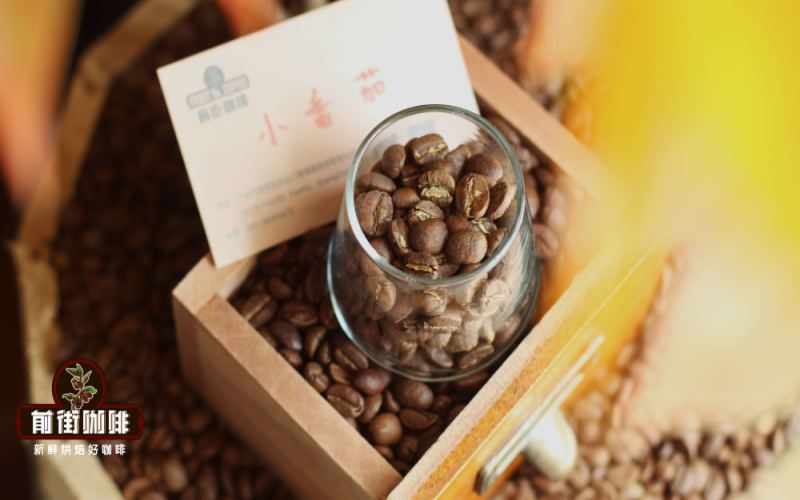
Why Is Kenyan Coffee Acidity So Strikingly Vivid? A Complete Analysis from Origin and Processing to Brewing
Kenyan coffee has always been known for its bright, uplifting acidity. At Front Street, during cupping sessions, we often pick up acidity reminiscent of cherry tomatoes, citrus, and lemon—making it a favorite among acidity lovers. Why is Kenyan coffee so acidic? Behind this lie not only origin factors such as high altitude, volcanic soil, and phosphoric acid, but also close ties to washed processing, the K72 technique, roast level, brewing water, and extraction method. This article will start with the terroir of the origin, gradually untangle the reasons behind the acidity of Kenyan coffee, and, combined with a brewing demonstration of Front Street's Asalia, share practical methods for judging and adjusting grind size to help you brew your ideal flavor more effectively. [more…]
Kenyan Coffee Bean Varieties and Flavor Analysis: The Impact of SL28, SL34, and the K72 Washed Process on Taste
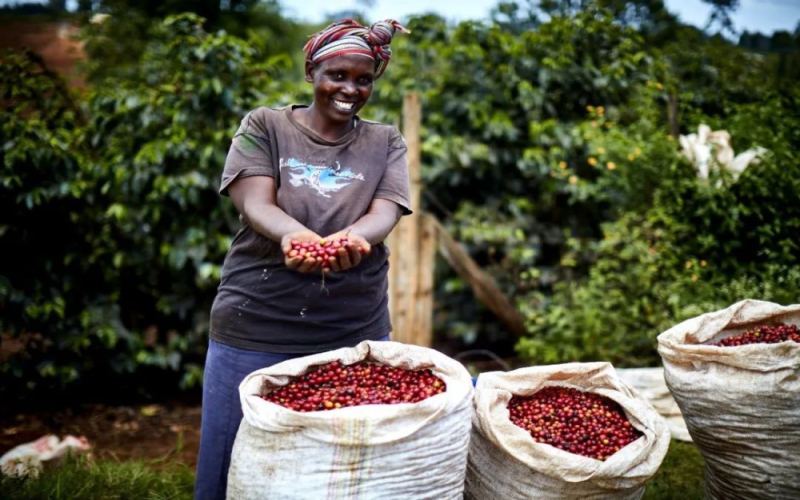
Kenyan coffee is renowned for its bright acidity and complex flavors. Its distinctive taste stems from the two major varieties, SL28 and SL34, and the Kenyan-style 72-hour fermentation washed processing. From the perspective of Front Street Coffee, this article systematically introduces the varietal origins, flavor differences, and washed processing characteristics of Kenyan coffee, and, using Asalia coffee beans as an example, shares in detail a light roast approach and V60 pour-over parameters, including water temperature, coffee-to-water ratio, grind size, and staged pouring steps, helping coffee enthusiasts understand the sweet-and-sour layers and brewing key points of Kenyan coffee. [more…]
Flavor Comparison of Kenya's Three Major Specialty Regions: Coffee Characteristics of Thika, Nyeri, and Kirinyaga, and Analysis of SL28 and SL34 Varieties
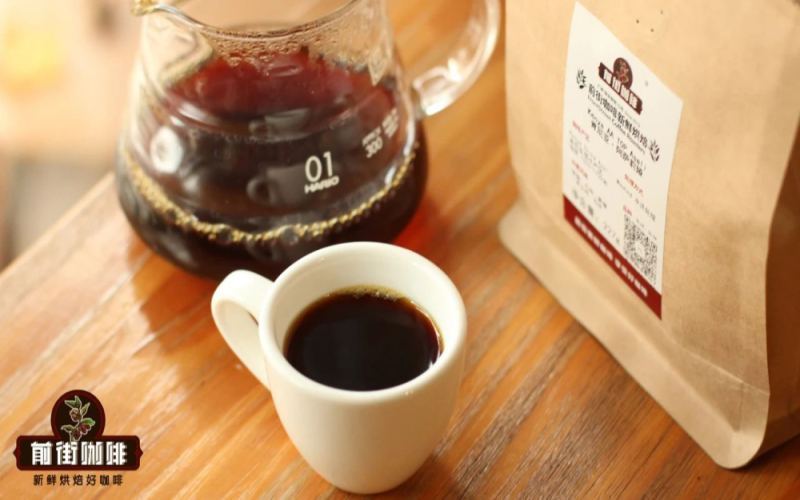
Kenya is one of Africa's most representative coffee-producing countries, known for its bright berry-like acidity. As the specialty coffee wave advances, regional differences have drawn increasing attention. This article focuses on Thika, Nyeri, and Kirinyaga, the most renowned of Kenya's seven major producing regions, comparing their altitudes, varieties, processing methods, and cup profiles, and explains in detail the origins of the two classic varieties SL28 and SL34, as well as Kenya's signature K72 washed processing. Front Street Coffee also shares the roast curves, cupping reports, and brewing parameters for three beans—Asalia, Timani Maiden, and Mugaya—for coffee enthusiasts' reference. [more…]
Why Is Kenyan Coffee Acidity So Bright? A Full Analysis from Terroir and K72 Processing to Roasting and Brewing
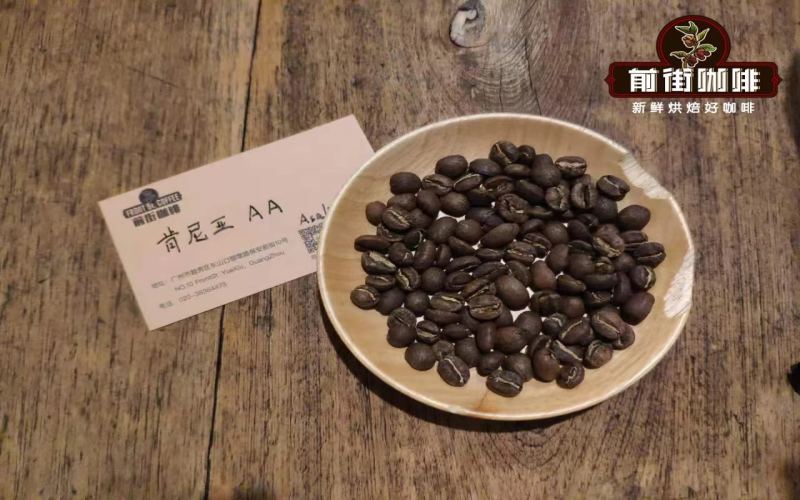
Kenyan coffee has always been renowned for its bright, striking acidity, and Front Street consistently captures notes of cherry tomato, citrus, and lemon-like tartness during cupping—truly a favorite among acidity lovers. What exactly gives Kenyan coffee such prominent acidity? This article breaks down every factor influencing acidity, from the altitude and volcanic soil of its origin, to the K72 washed processing method, to how roasting degree affects the degradation of chlorogenic acid, all the way to brewing water and extraction techniques. Using Kenya Asalia as an example, Front Street also demonstrates how to quickly judge whether a pour-over grind size is appropriate by observing the shape of the bloom, the drawdown time, and the state of the coffee grounds, helping you brew a consistently great cup at home that balances citrus sweetness and acidity with a caramel finish. [more…]

An In-Depth Analysis of Kenyan Specialty Coffee Beans: Regions, Varieties, Grading, and Front Street Recommendations
Kenyan coffee, with its intense and full-bodied fruit acidity, uniform bean size, and exceptional fruity flavors, has always held a unique position in the specialty coffee world. Unlike Ethiopia's gentle and translucent character, Kenya's acidity is more impactful and layered. This article will systematically examine the full picture of Kenyan coffee, from its development history, growing conditions, major producing regions, variety selection and breeding, grading system, to its auction trading model. At the same time, drawing on Front Street Coffee's cupping and brewing practices, it will take an in-depth look at the flavor differences between two beans—Asalia AA TOP and Sasini Estate PB—to provide coffee enthusiasts with a complete guide to Kenyan coffee. [more…]