








Which Coffee Variety Tree Grows in Kenya's Embu Region?
Kenya's Embu region sits near Mount Kenya at roughly 1,300 to 1,900 meters, where volcanic soil supports both coffee and tea. Smallholder farmers deliver cherries to cooperative-run washed plants. The ENA processing plant hand-sorts, ferments and washes the cherries multiple times, then dries them on raised beds for 14 to 21 days, giving the cup a cleaner acidity.
SL28 and SL34 were bred in the 20th century for resistance to coffee berry disease; SL28 belongs to the Bourbon genetic group, tolerates drought, and has a pure flavor. Ruiru11 arrived in the 1970s, resisting leaf rust and tolerating coffee berry disease while suiting dense planting. The Kiri beans from Embu ENA are SL28 and Ruiru11, washed, with berries, smoked plum, pomelo, and Earl Grey notes.
The Embu producing region in Kenya is located near Mount Kenya, at an altitude of about 1,300–1,900 meters, with fertile volcanic soil, and tea is also an important local export crop alongside coffee. The region is dominated by smallholder farmers, and fresh cherries are mostly delivered to cooperative-run washed processing plants for centralized processing and export. The ENA processing plant uses hand sorting, multiple fermentation and washing, and 14–21 days of raised-bed drying, giving the flavor a cleaner acidity. In terms of varieties, SL28 and SL34 originated from 20th-century breeding for resistance to coffee berry disease; SL28 belongs to the Bourbon genetic group, is drought-tolerant, and has a pure flavor; in the 1970s, Ruiru11 was introduced, resistant to leaf rust, tolerant of coffee berry disease, and suitable for dense planting. The Kiri Coffee beans recommended by Front Street Coffee come from the Embu ENA cooperative, at an altitude of 1,600–1,800 meters, with varieties SL28 and Ruiru11, washed processing, and flavors of berries, smoked plum, pomelo, and Earl Grey tea. This article also provides V60 staged brewing parameters and flavor experience.
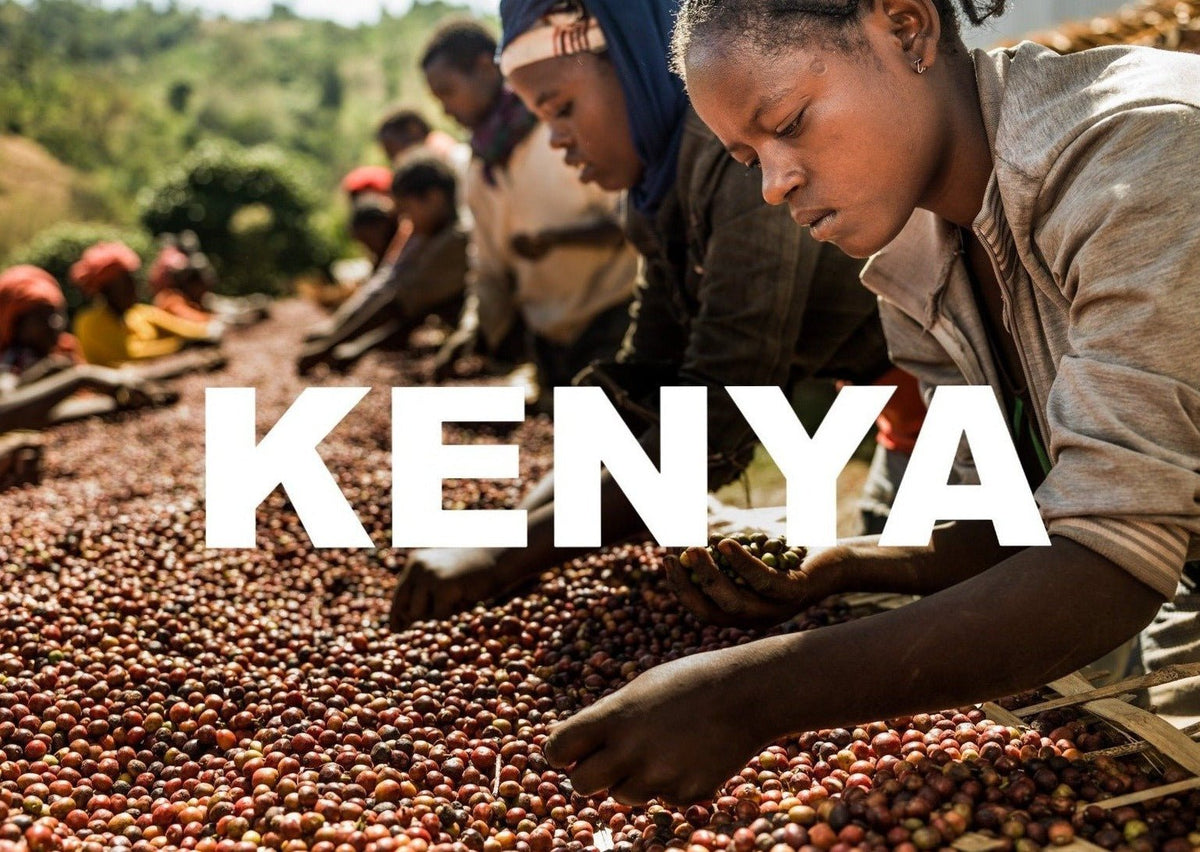
Kenya Embu Producing Region EMBU
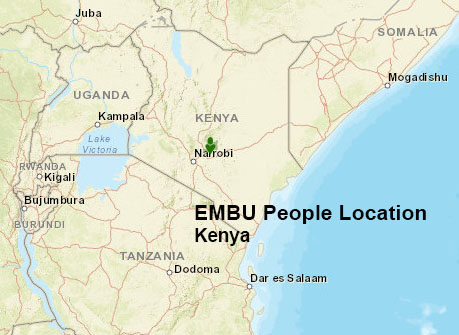
The Embu producing region is located in Embu County, Kenya, adjacent to Mount Kenya. Mount Kenya is the largest extinct volcano in the East African Rift Valley, and coffee in this region is generally grown at an altitude of between 1,300 and 1,900 meters. The volcanic soil here is very fertile, and in addition to coffee trees, tea trees are also grown locally; both are important local export cash crops.
About 70% of the population of Embu relies on small-scale family farming for their livelihood, and individual farmers generally have small yields, so they usually sell coffee cherries to cooperatives for centralized processing and ultimately export and sell under the cooperative's name.
The ENA processing plant is one of two washing stations under the New Runyenjes processing site, located about 150 kilometers north of Nairobi, Kenya's capital. Surrounding smallholder farmers send coffee cherries grown in their backyards to this washed processing plant to be processed into green beans, and then sell them according to the ENA processing plant's grading standards.
Processing Method
The ENA processing plant first removes defective beans by hand, then removes the skin and pulp, rinses with clean water, and then dries them on raised beds, usually for 14 to 21 days, until the moisture content of the coffee beans drops to 11–12%, after which they are packed into warehouses to await export sales. Because the washing stage uses multiple fermentation and washing, the finished flavor often shows a cleaner acidity. The processing plant not only promotes water-saving measures, but also encourages farmers to protect living water sources, thereby maintaining the ecological environment of the entire growing area.
Coffee Varieties
In the 20th century, Kenya experienced large-scale outbreaks of coffee berry disease, and Scot Laboratories bred new disease-resistant varieties SL28 and SL34 to address this problem. These two varieties can tolerate coffee berry disease and have good resistance to leaf rust, and have been widely planted since the 1930s.
SL28 belongs to the Bourbon genetic group, has round and plump beans, strong drought tolerance, relatively high yield, and a pure flavor.
By the 1970s, in order to breed coffee varieties resistant to leaf rust, Kenya introduced Ruiru11. This variety is suitable for intensive planting, does not require shade trees, and has advantages such as high yield, tolerance to coffee rust, and tolerance to coffee berry disease.
Front Street Coffee (FrontStreet Coffee): Kenya Kiri Coffee Beans
Region: Kenya Embu ENA Cooperative
Altitude: 1,600–1,800 meters
Varieties: SL28 Ruiru11
Processing Method: Washed
Flavor: Berries, Smoked Plum, Pomelo, Earl Grey Tea
Brewing Reference
In terms of roasting, this Kenyan coffee follows a fruity profile, with the goal of retaining more fresh acidity and dark fruit flavors, so the Front Street roaster chose a light roast. According to Front Street cupping, this Kiri Coffee has quite rich flavor layers: the dry aroma has the fresh sweetness of dried berries, the entry shows apple- and grape-like acidity, accompanied by soft honey sweetness, and the overall mouthfeel is an Earl Grey tea-like mellow aroma.
Dripper: V60 Water Temperature: 90–91ºC Dose: 15g Coffee-to-Water Ratio: 1:15 Grind Size: fine granulated sugar size (80% passes through a No. 20 sieve)
Staged Extraction: First bloom with 30 grams of water for 30 seconds, then pour in a small stream in circles until 124 grams for the stage, and when the water level drops and is about to expose the coffee bed, continue pouring until 228 grams and stop; when the water level drops again and is about to expose the coffee bed, remove the dripper (start timing from the beginning of the bloom). The extraction time is 1'55".
After grinding, the Kiri Coffee has an intense tomato aroma; on the palate there is plum and berry acidity, with caramel sweetness, and the fresh fragrance of pomelo rushes forward, like drinking a cup of Earl Grey tea.
For professional coffee knowledge exchange and more coffee bean information, please follow Coffee Studio (WeChat public account: cafe_style)
For more specialty coffee beans, please add the private WeChat of Front Street Coffee (FrontStreet Coffee), WeChat ID: qjcoffeex
The above content is compiled by CoffeeHunters, a coffee news website.


