







Search Results for: Pyramid Tea Bags
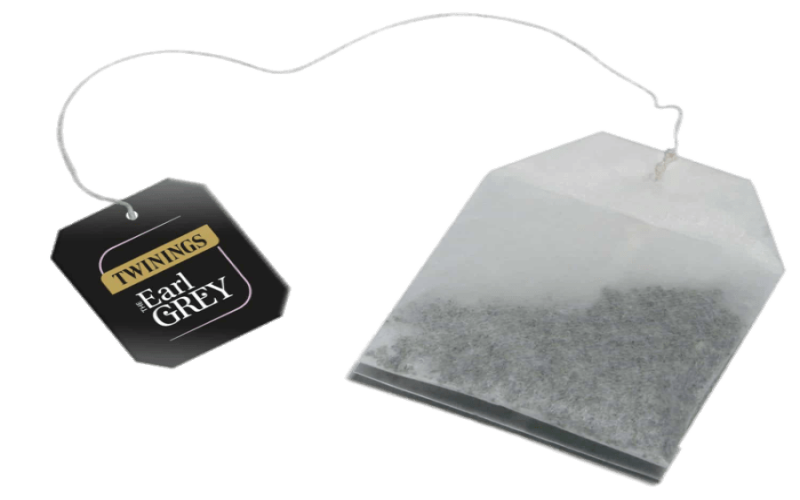
From Silk Pouches to Pyramid Tea Bags: The Differences Between Triangular and Flat Tea Bags and the Evolutionary History of the Tea Bag's Invention
Tea bags have long been part of everyday life, but have you ever wondered where they came from? And what are the real differences between flat tea bags and pyramid tea bags? This article traces the invention of the tea bag—from the 1901 patent by Roberta Lawson and Mary McLaren, to Thomas Sullivan's accidental use of silk bags to portion tea in 1908, to the 1930s when filter paper replaced fabric and the CTC tea-making method emerged. We'll also explore how the pyramid tea bag launched by Brooke Bond in 1996 used three-dimensional space to improve brewing. Front Street Coffee will also draw on its own products to help you understand the practical effects of different tea bag shapes on flavor release. [more…]
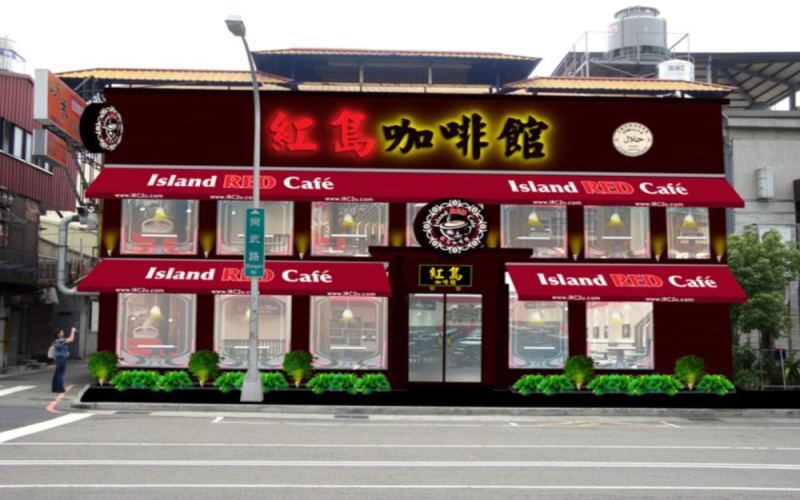
Chain Coffee Franchise Trap: Red Island Coffee Pyramid Scheme Swindles Over 30 Million Yuan, Founder Flees to Thailand and Is Finally Caught
During the 2008 financial crisis, a brand called "Red Island Coffee" was born in Malaysia, attracting Chinese businessmen with its upscale decor and high pricing. Founder Zhang Yufa claimed that investing 10,000 yuan would yield substantial monthly dividends, with an annual interest rate of 10%, and that recruiting downlines could bring even more returns. The temptation of low investment and high returns led many Chinese businessmen to open their wallets, and in the end Zhang Yufa absconded back to Malaysia with over 30 million yuan, with nearly 2 million Chinese people defrauded over the years. Although he once used money to smooth over relationships and evade justice, he was ultimately arrested under a joint operation by China, Thailand, and Malaysia. This case warns us: when faced with coffee franchise projects promising low investment and high returns, we must keep our eyes wide open. [more…]

Tea shop staff forced to chant slogans on a schedule sparked consumer complaints, yet why did employees instead voice loud support?
Recently, a customer complained on social media that employees at a Grandpa's Tea shop frequently shouted slogans, saying they had wanted to rest quietly but were startled by sudden advertising phrases, and described the experience as being in a pyramid scheme den. The post quickly resonated with consumers across the country, many of whom said they had been startled by similar scenes and believed such excessive promotion was both noisy and off-putting. Interestingly, however, when customers complained to the brand, the employees who were complained about not only showed no displeasure but thanked them repeatedly and encouraged more complaints. It turns out the brand mandates that employees recite scripts at set times, including shouting "Welcome" every 5 minutes and saying fixed phrases to customers and delivery riders; if surveillance catches them slacking off and shouting too little, they face punishment such as writing lines and pay deductions. Employees are full of complaints, and onlookers are also urging the brand to listen to real feedback and cancel this mandatory requirement that annoys customers and exhausts staff. [more…]
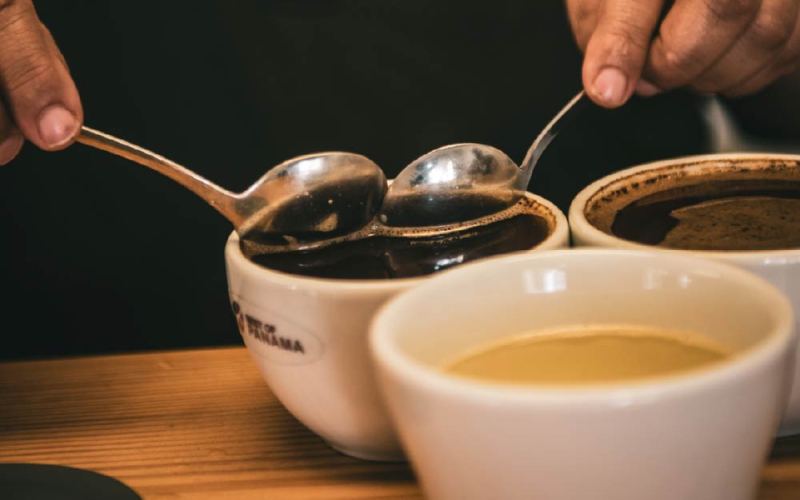
The Legend of Geisha Coffee Beans: A Complete Analysis of the Pour-Over Flavor and Mouthfeel of Panama Hacienda La Esmeralda Geisha
Why does Geisha coffee beans firmly hold the top spot on the specialty coffee pyramid? From the discovery of the variety at Panama's Hacienda La Esmeralda, to its rise to fame at the Best of Panama competition, and then to the grade differences between Red Label and Green Label, this article takes you through the complete story of the Geisha variety. Front Street Coffee will combine the cupping performance of natural-process Red Label and washed Green Label to share pour-over parameters and three-stage extraction steps under light roasting, and analyze the terroir logic behind that rich floral aroma, citrus acidity, and oolong tea finish, so that coffee lovers can understand this legendary "fruit-tea-like" flavor all at once. [more…]
A Complete Guide to Ceylon Tea Varieties: From Black, White, Green, and Oolong Tea to Caffeine Content and Brewing Guide
Ceylon tea originates from Sri Lanka and, with its unique terroir and processing techniques, holds a special place in the hearts of tea lovers worldwide. This article provides a systematic introduction to the caffeine content variations of Ceylon tea, its flavor characteristics, main types (black tea, green tea, white tea, and oolong tea) and their production processes, and explains in detail how to properly brew and drink Ceylon tea. Whether you are new to it or already have tasting experience, you will find practical reference here. [more…]

Luckin Opens Two Stores Simultaneously in Malaysia: Shrinking Menu and Price Wars Test Its Second Overseas Stop
Luckin Coffee has officially entered Malaysia, with two stores opening simultaneously at Sunway Pyramid and Menara EcoWorld in Kuala Lumpur, regarded as its second overseas market after Singapore. On the first day of opening, many consumers queued up to try it out, and with prices ranging from 8 to 17 ringgit plus a 2.99 ringgit first-cup discount for new users, it appeared to be continuing its low-price strategy from China. However, beneath the excitement, local netizens questioned the value for money, as Cotti, Starbucks, and the local brand Zus had long dominated the market; even more surprising to domestic fans was that bestsellers such as Orange C Americano and Meteorite Latte did not appear on the local menu. With a relatively small number of stores and a conservative product selection, whether Luckin can gain a firm foothold in Malaysia amid fierce rivals has become the focus of attention. [more…]
Ethiopia Guji Zone In-Depth Analysis: The Terroir Code of the Shakiso Micro-Region and the Traceability of 90+ Legendary Lots
Ethiopia, as the birthplace of coffee, has a regional division system like a precise pyramid, nested layer by layer from Region down to kebele. Southeast of Yirgacheffe lies a micro-region with an altitude exceeding 1,800 meters—Shakisso—where fertile black soil and significant day-night temperature differences nurture coffee flavors that astonish international specialty buyers. In 2010, Guji was made an independent region by the ECX, and Shakisso is the brightest star on this land. From the legendary 90+ bean Nekisse to Level Up's Flower Language, what terroir logic and processing techniques lie behind these repeatedly high-scoring coffees? Front Street Coffee will take you deep into Guji to uncover the unique charm and market value of Shakisso coffee. [more…]
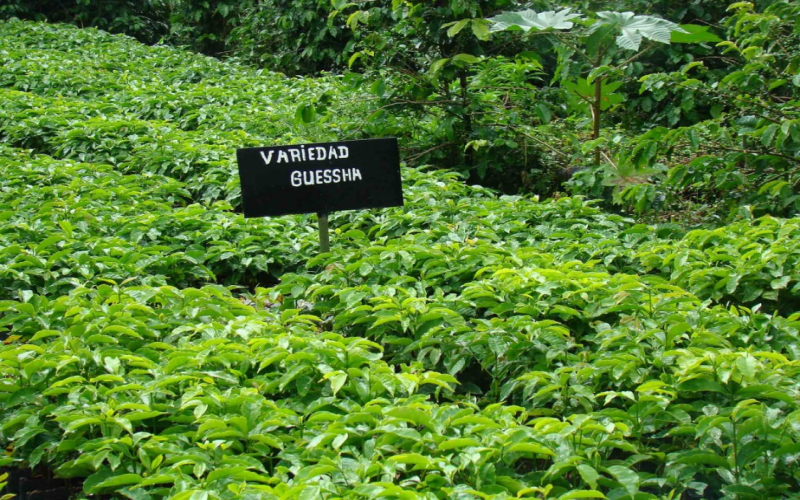
An Analysis of the Positioning of Geisha Coffee Beans: The Grade Differences Between Hacienda La Esmeralda's Red Label and Green Label Geisha
Geisha coffee beans are hailed as the most prestigious high-end coffee variety after Blue Mountain, and their price and quality have long stood at the pinnacle of the specialty coffee pyramid. When it comes to Geisha, Hacienda La Esmeralda in Panama is undoubtedly a name that cannot be overlooked. This article will systematically outline the tier positioning of Geisha coffee beans, provide a detailed explanation of the grading standards for Hacienda La Esmeralda's auction, Red Label, and Green Label Geisha, as well as their respective flavor characteristics and purchasing advice. At the same time, Front Street Coffee will also share brewing parameters and practical tips for Geisha coffee, helping coffee enthusiasts gain a more comprehensive understanding of this legendary bean variety. [more…]
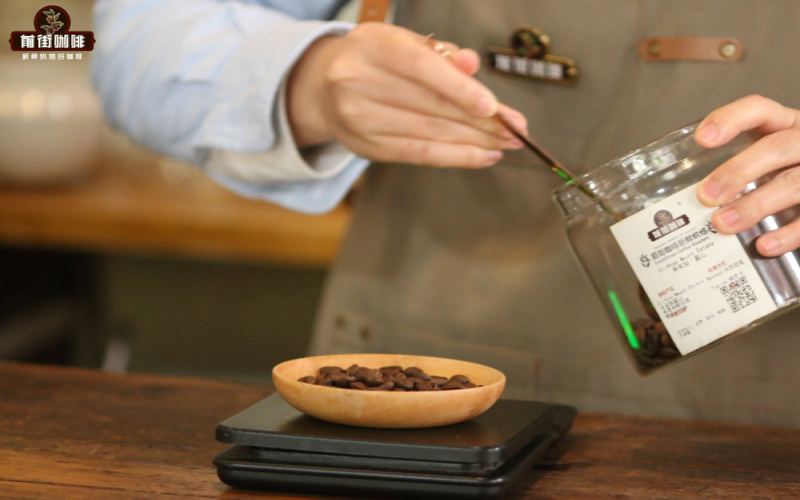
A Detailed Explanation of the Jamaican Blue Mountain Coffee Grading System: The Grade Positioning and Cupping Standards of Blue Mountain No. 1
Blue Mountain coffee is one of the most famous names in the specialty coffee world, but do you know how Jamaica classifies it? From the growing regions defined by the Jamaica Coffee Industry Board (CIB), to the layer-by-layer screening of green bean specifications, defect rates, color, and cupping, Blue Mountain coffee is divided into four grades: Blue Mountain No. 1, No. 2, No. 3, and Blue Mountain Peaberry. Among them, Blue Mountain No. 1 sits at the top of the pyramid, with strict requirements for 17-screen size, defect ratio, and moisture content. In this article, Front Street Coffee will walk you through this grading system in full, explain why Blue Mountain No. 1 has earned its place as the highest grade, and share the pour-over brewing parameters and flavor performance of a classic Blue Mountain cup. [more…]
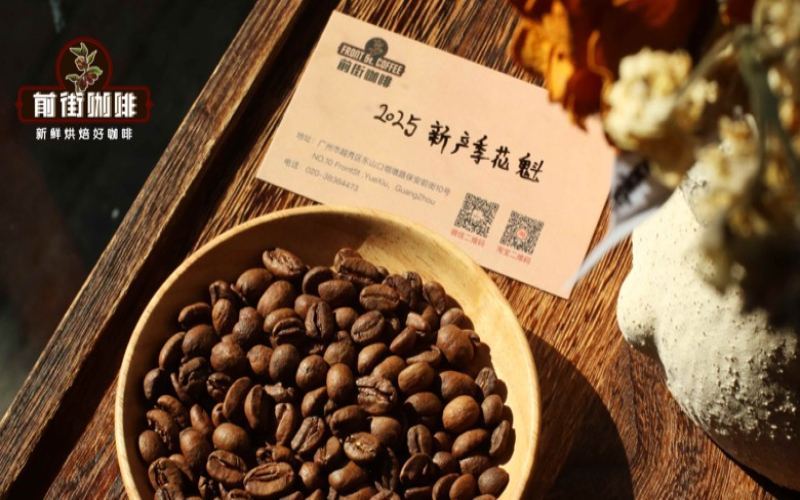
Variety and Floral-Fruity Aromas: The Aromatic Genes of Geisha, SL Lines, and Heirloom Varieties
Same estate, same processing method—so why do some varieties fill the cup with floral aromatics while others taste utterly ordinary? Half of the underlying code for floral and fruity aromas is written into the coffee variety's genes. This article sorts through several star variety families to see how genes determine the aromatic destiny in the cup. Geisha: the pinnacle example of floral aroma. This one, from Eth... [more…]
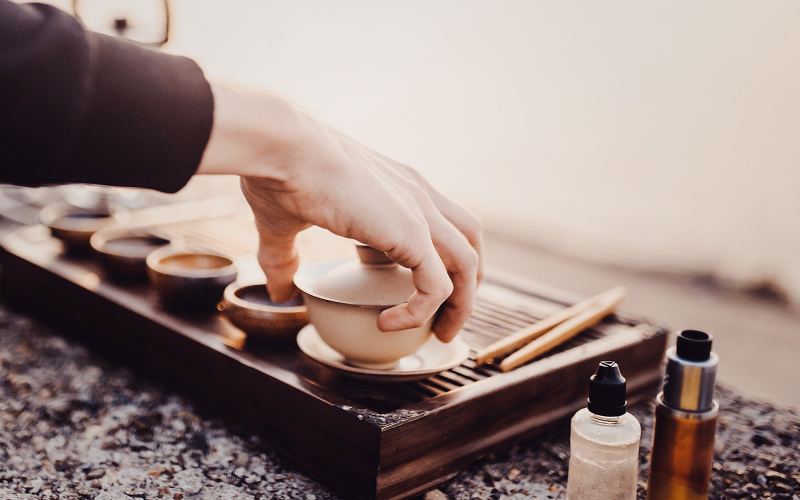
Which category of tea does Chaoshan Gongfu tea belong to? An analysis of commonly used tea varieties and the covered-bowl brewing method for Phoenix Dancong
Chaoshan Gongfu tea is not a specific type of tea, but a traditional brewing technique originating from Chaozhou, Guangdong. Oolong tea is the most commonly used, and it is especially suitable for brewing Phoenix Dan Cong. It emphasizes short, repeated infusions, with each steep lasting only 3 to 10 seconds, allowing the tea leaves to gradually unfurl and release layered aromas and flavors. Gongfu tea has developed into three styles: Chaoshan, Fujian, and Taiwan. Among them, the Chaoshan style uses a tea boat, a gaiwan or ceramic pot, and three teacups arranged in a triangular formation, symbolizing the Chinese character "品" (pin). This article will also introduce how to brew Phoenix Dan Cong with a gaiwan and recommend related product lines from the Front Street Coffee brand, helping coffee enthusiasts experience the refined nuances of tea culture across categories. [more…]
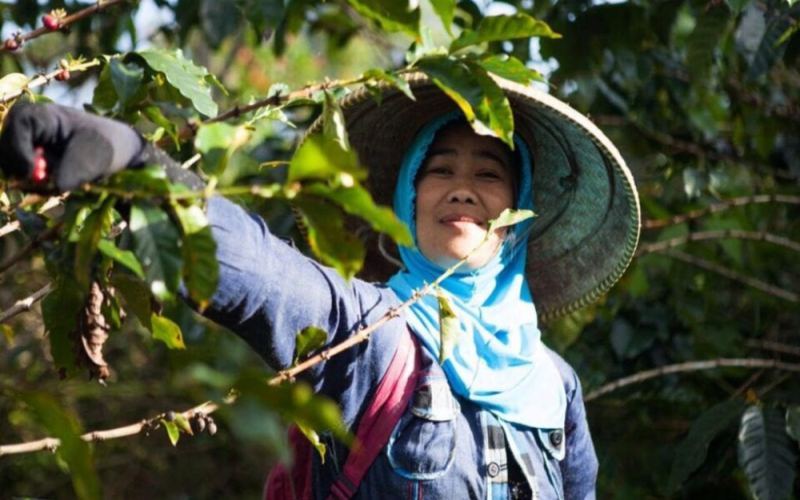
Analysis of the Style Characteristics of Asian Coffee Producing Regions and Thoughts on Selecting Yunnan Specialty Beans
Asian coffee has always stood out in the global landscape with its rich, steady style. From Indonesia's Mandheling to India's Monsooned Malabar, and to China's Yunnan Typica, each producing region has its own unique flavor expression. This article will systematically sort out the characteristics of Asia's main coffee origins, focusing on the historical origins, cultivation distribution, and quality performance of Yunnan coffee, and recommend Front Street 2013 Yunnan Typica, a natural-process bean suitable for introductory tasting. At the same time, it will also take you through the flavor differences and processing methods of Indonesian Sumatra, Java, and Indian coffee, helping you gain a more comprehensive understanding of the charm of Asian beans. [more…]
Where does Panamanian coffee come from? A full analysis of the flavor characteristics and pour-over parameters of Boquete Geisha
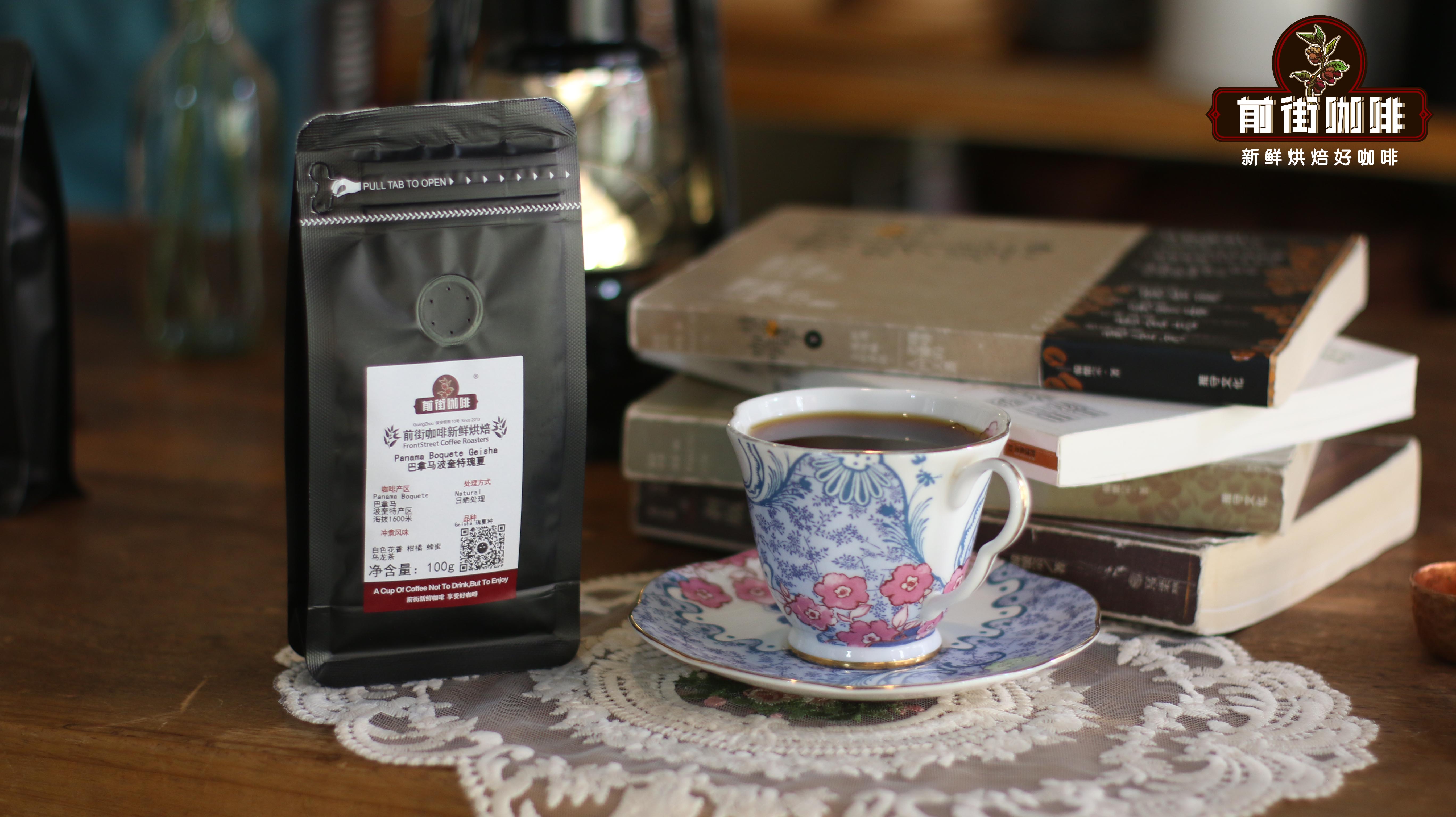
Panama is a renowned specialty coffee-producing country in Central America. Thanks to its unique terroir and meticulous estate management, it has produced the world-stunning Geisha coffee. From the perspective of Front Street Coffee, this article outlines Panama's geographical location, the microclimate advantages of the Boquete production region, and why the Geisha variety is so precious. It also provides a detailed explanation of the washed processing flow, a medium-light roast approach, and V60 three-pour hand-brew parameters, helping coffee lovers understand this Boquete Geisha's citrus acidity, white floral aroma, and green tea finish, and recreate a result at home close to what is served in the shop. [more…]
Panama Geisha Coffee Flavor Analysis: Origin Characteristics, Variety Advantages, and Front Street Washed Boquete Brewing Guide
Geisha coffee is renowned as one of the most expensive coffee beans in the world, and Panama is the stage where it rose to fame. This article will guide you through the terroir differences between Panama's main specialty coffee regions—Boquete and Volcán—analyze why the Geisha variety is so demanding about its growing environment and why its yields are so scarce, and introduce the washed Boquete Geisha launched by Front Street Coffee. From variety characteristics to processing methods, and then to brewing approaches under a medium-light roast, we will also share the specific parameters and steps for V60 pour-over, helping you fully capture this bean's elegant floral aromas, citrus acidity, and creamy smooth mouthfeel. [more…]

Starbucks Store Cup Display Sparks Controversy: Who Should Pay for Fragile Items Next to the Aisle?
As the "cup giant" of the coffee world, Starbucks launches so many new cups every year that many people joke its pace of new releases is faster than its main business of coffee. Recently, however, a netizen exposed that while waiting for coffee in a store, they knocked over two cups in one go: one stainless steel travel tumbler was dented, and the other glass cup shattered completely, ultimately forcing them to buy them at the employee discount price. The incident quickly sparked heated discussion: with fragile cups displayed on low shelves close to the aisle, was it the customer's carelessness, or is there a suspicion of a store design "trap"? Starbucks locations at home and abroad also handle broken cups very differently. Some people are asked with concern whether they were cut, while others can only pay the full price. Who exactly should be responsible for these accidents? [more…]
Must-read for coffee beginners: 100 key Q&As to master the basics from scratch
Friends who are new to coffee are often intimidated by all the technical jargon and complicated equipment, but coffee really isn't that mysterious. Starting from zero, this article helps beginners set aside their preconceptions and systematically lays out the basic types of coffee, brewing tools, and ways to drink it. Whether you want to understand the difference between instant and single-origin, or you're curious about how to drink espresso, you'll find clear and easy-to-follow answers here. The article also covers common coffee equipment choices, and how to slowly develop your own coffee taste without any pressure. It's worth mentioning that many of Front Street Coffee's single-origin beans are also suitable for beginners to try, helping you easily take your first step into the world of coffee. [more…]
Why Is Geisha Coffee's Flavor So Unique? A Full Analysis of the Variety's Origins, Panama Growing Regions, and Brewing & Grinding Parameters
Geisha coffee is widely recognized as the king of specialty coffee, and its unique floral and fruity aroma along with its complex sweetness keeps countless enthusiasts flocking to it. But do you know that this variety originated in the wild forests of Ethiopia and only after many turns did it shine brilliantly in Panama? How did Hacienda La Esmeralda discover its potential and distinguish between Red Label, Green Label, and Blue Label? This article will comprehensively sort out the reasons behind Geisha coffee's unique flavor, from the variety's origin, growth characteristics, the Boquete production region in Panama, the benchmark beans of Hacienda La Esmeralda and Elida Estate, to processing methods such as natural, washed, and anaerobic fermentation low-temperature slow natural, and then to the hand-brew grinding setting and V60 brewing parameters shared by Front Street Coffee. [more…]
Hacienda La Esmeralda Geisha Red, Green, and Blue Label Grading Explained: Flavor Characteristics and Brewing Guide
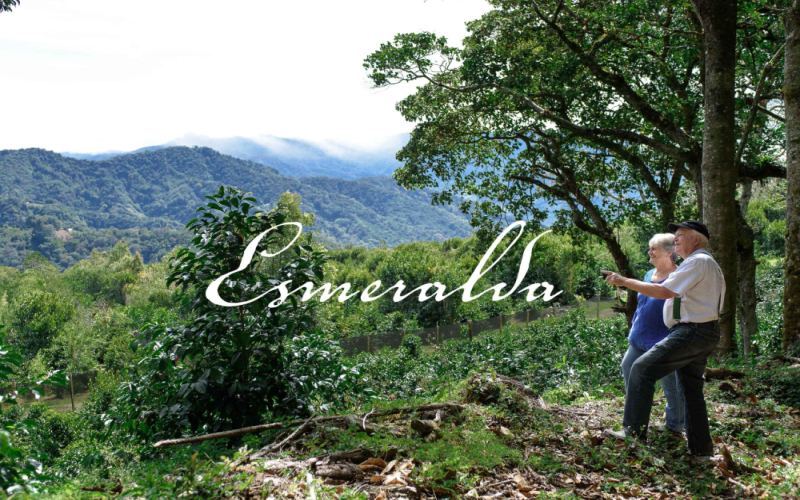
Hacienda La Esmeralda in Panama is a legend in the specialty coffee world, and its Geisha coffee is renowned for its Red Label, Green Label, and Blue Label grading. This article, from the perspective of Front Street Coffee, reviews the history and origins of Hacienda La Esmeralda and its grading system, explains in detail the definitions, production areas, altitudes, and flavor characteristics of the Red Label, Green Label, and Blue Label respectively, and introduces the corresponding Geisha products on Front Street Coffee's shelves. In addition, the article also shares two methods and parameters for brewing Geisha with a siphon and a V60 dripper, helping coffee enthusiasts better appreciate the unique charm of Panamanian Geisha. [more…]

An Analysis of Panama's Three Top Geisha Estates: The Expensive Secrets of Hacienda La Esmeralda, 90+, and Sophia
Geisha coffee is regarded by many specialty coffee enthusiasts as the ultimate pursuit, and Panama, with Hacienda La Esmeralda, the 90+ Geisha estate, and Sofia Estate, has long held the top spot for the world's most expensive coffee beans. Drawing on the store experience of Front Street Coffee, this article systematically sorts out the backgrounds, grading systems, and flavor characteristics of these three world-famous estates, including the logic behind Hacienda La Esmeralda's Red, Green, and Blue labels, the series composition and sustainable development model of the 90+ estate, and the high-altitude experimental cultivation at Sofia Estate. Whether you are a beginner just encountering Geisha or a seasoned player looking for your next bean, you can gain a clear cognitive framework from it. [more…]
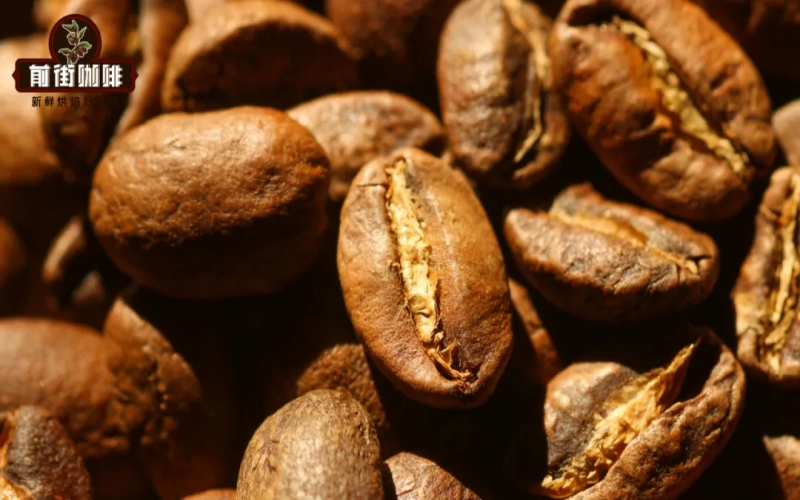
A Complete Guide to Panama Geisha Coffee: From Its 1931 Wild Discovery to the T2722 Variety and Hacienda La Esmeralda's Red and Green Labels
Geisha coffee is the most dazzling variety in the specialty coffee wave of the past two decades, constantly breaking global coffee price records. In 2022, the Lamastus family of Panama auctioned a batch of just 7 pounds of honey-processed Geisha for a staggering $6,034 per pound, drawing attention once again. However, Geisha's legend was not built overnight—it was discovered in Ethiopia in 1931, and after being cultivated and passed through Kenya, Tanzania, Costa Rica, and other places, it finally took root in Panama as the T2722 line. This article will trace the complete thread of Geisha from wild collection to fame, introduce in detail Hacienda La Esmeralda's Red Label and Green Label product lines, and share Front Street Coffee's Geisha brewing suggestions, giving you a comprehensive understanding of this rare variety. [more…]