







Geisha coffee is hailed as one of the most expensive coffee beans in the world, and Panama is the stage where it rose to fame. This article will guide you through the terroir differences between Panama's main specialty coffee regions—Boquet and Volcan—analyze why the Geisha variety is so picky about its growing environment and why its yield is so scarce, and introduce the washed Boquet Geisha launched by Front Street Coffee. From variety characteristics to processing methods, and then to brewing approaches under medium-light roasting, we will also share the specific parameters and steps for V60 pour-over, helping you fully bring out this bean's elegant floral aroma, citrus acidity, and creamy smooth mouthfeel.
For more specialty coffee knowledge, please follow our WeChat official account: FrontStreet Coffee
Geisha is now an undisputed star in the global specialty coffee scene, firmly positioned at the top of the coffee bean pyramid. However, before delving into Geisha itself, it is worth turning our attention to the origin that made it famous—Panama.
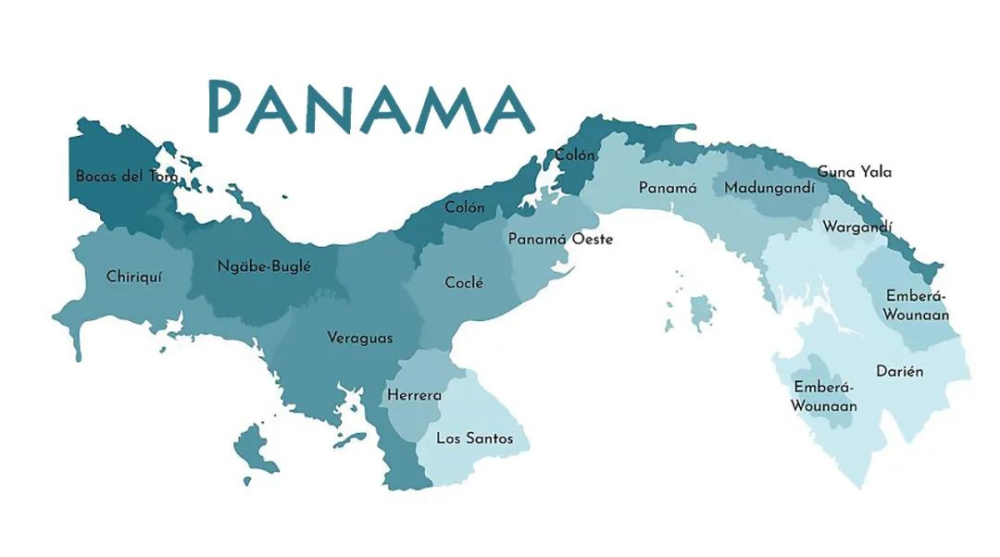
What are the coffee regions of Panama?
Panama is located in Central and South America, with its coffee-growing belt concentrated in the western part of the country. The main regions include Boquet, Volcan, Santa Clara, and Piedra de Candela. Among them, Boquet and Volcan are the two most prominent names in the specialty coffee world. Both belong to the Chiriqui Province region, situated right in the center of the coffee-growing belt, with fertile volcanic soil and surrounded by virgin forests.
Boquet is a town under Chiriqui Province, close to the border between Panama and Costa Rica, near the famous Baru Volcano, with beautiful scenery and deep, fertile soil. One side faces the warm, humid monsoon from the Caribbean, while the other is influenced by the cold Atlantic current, with tall, steep mountains. The Volcan Baru National Park within its territory is an ecological conservation area with extremely rich biodiversity, containing seven microclimates. Coupled with year-round mist and abundant rainfall, it creates excellent conditions for coffee cultivation. Many well-known estates such as Hacienda La Esmeralda, Elida Estate, and Duncan Estate are located here.
The Volcan region is known for its ultra-high altitude, with coffee cultivation at approximately 2,000 to 3,000 meters. In the early days, the area mainly grew fruit crops, with very few coffee estates, and the Hartmann family was the most representative presence. Volcan's average annual rainfall is lower than Boquet's, and it is located on the western side of Baru Volcano. Additionally, coffee is often intercropped with various fruits, so the coffee produced often exhibits more intense fruit notes, sweetness, and aroma.
What are the characteristics of the Geisha variety grown in Panama?
The reason Panama Geisha has taken the world by storm lies in the rich, elegant floral aroma in the cup, the full acidity of citrus, peach, and complex fruits, the creamy smooth texture, and the oolong tea-like sweet fragrance in the finish. Its refinement makes it feel less like drinking coffee and more like savoring a fragrant fruit tea. Front Street has mentioned in many articles that coffee is ultimately an agricultural product, and its flavor expression always depends on factors such as variety, climate, altitude, soil, and management—it is the most authentic expression of the variety and its local terroir. What post-processing and roasting should do is preserve, restore, and showcase these original flavors as much as possible. Geisha's outstanding performance is precisely the result of all the above conditions working together.
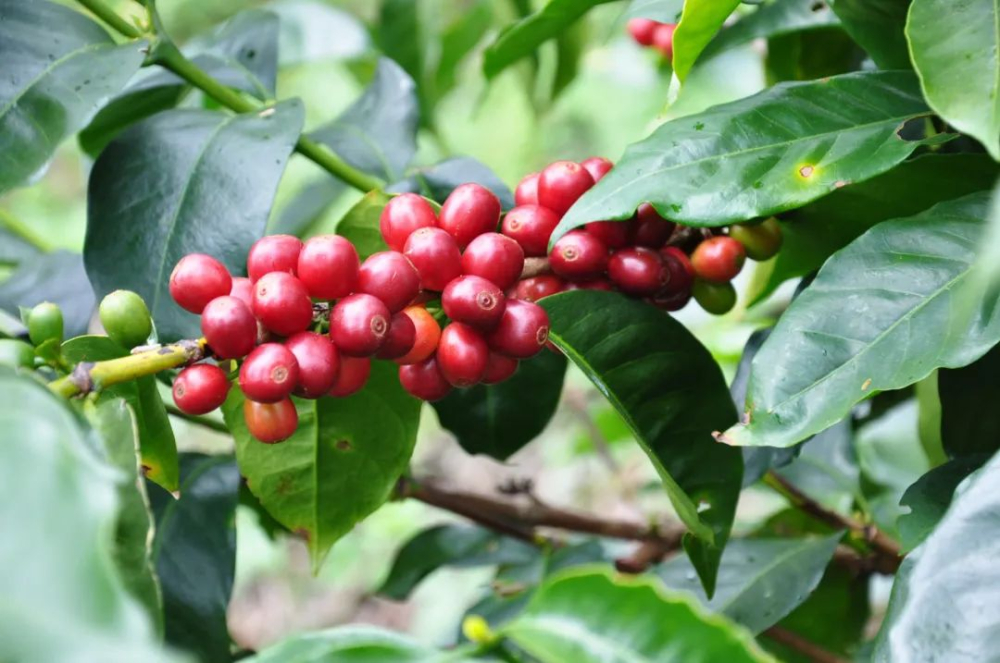
Compared to other Arabica varieties, Geisha not only has a low yield but is also an exceptionally delicate plant that is quite picky about its growing environment. It requires high altitude, fertile soil, and needs cloud cover or shade trees—it cannot be exposed to direct sunlight. Geisha's leaf system is very thin, resulting in low photosynthetic efficiency, and its root system is also fragile, absorbing water and nutrients slowly, so its yield is naturally very low. Combined with the high-altitude growing environment, the fruit also matures later. A single Geisha coffee tree produces only half the fruit of a Caturra variety, which is one of the reasons for its high price.
The owner of Hacienda La Esmeralda, Geisha's "talent scout," once said that the estate needs a large number of shade trees to block sunlight for the delicate Geisha, and traditional pruning methods must be used in the early planting stages, otherwise the plants can easily die. The higher the altitude at which Geisha is grown, the longer the fruit maturation period, and the more complex and unique the flavor. Geisha cherries must be harvested at the most appropriate ripeness and immediately enter post-processing. This is a great test of the estate owner's professional judgment and labor quality; once the timing is missed, quality declines and waste occurs.
Front Street Washed Boquet Geisha Coffee
After Geisha became popular, various origins began introducing it, but even for the same variety, the coffee quality and flavor produced in different terroirs and climates still differ. Front Street Coffee believes that Panama, as the place where Geisha rose to fame, with its mature cultivation techniques and processing methods, still produces Geisha that is a guarantee of industry reputation. Therefore, Front Street has launched a Front Street Geisha coffee from the Boquet region, using washed processing, hoping to let everyone taste the classic Geisha flavor.
The washed processing method is as follows: first, put the selected coffee cherries into a depulper to initially remove the skin and pulp; soak the green coffee beans with residual pulp and mucilage in water to ferment for about 24 hours; after fermentation is complete, place the green coffee beans with parchment in a flowing water channel to wash off the pulp and mucilage; after washing, dry them in the sun or with a dryer to reduce the moisture content to about 12%; finally, remove the parchment from the green beans.
Washing, as one of the most traditional green bean processing methods, not only makes coffee quality more stable but also gives Geisha higher cleanliness and a fresher flavor profile. After roasting, Front Street perceived Geisha's elegant white floral aroma, rising citrus and lemon acidity, accompanied by a slight green tea note, like drinking a cup of soft Tieguanyin tea. Geisha coffee has such a rich mouthfeel—how should it be brewed so as not to waste it?
Front Street Brewing Recommendations
Front Street's flavor descriptions for each coffee are based on freshly roasted beans. If coffee beans are stored for more than a month, the aroma may have already partially dissipated, making it difficult to reproduce in brewing. Front Street deeply understands the importance of freshness, so we ensure that only coffee beans freshly roasted within 5 days are shipped, allowing everyone to enjoy the most complete flavor window upon receipt.
Panama Geisha coffee is known for its rich floral aroma and complex fruit notes. Front Street's roasters want to preserve more of Geisha's high-quality acidity, so they choose medium-light roasting (slight adjustments are made for different batches). At this roast level, the high hardness of high-altitude beans is not changed much, so brewing requires a certain increase in extraction rate to present a fuller flavor layer. Here, higher water temperature and a finer grind size are used to stimulate more aromatic substances. Additionally, Front Street wants Geisha's flavor expression to be clearer, so the coffee-to-water ratio is slightly widened, using 1:16.
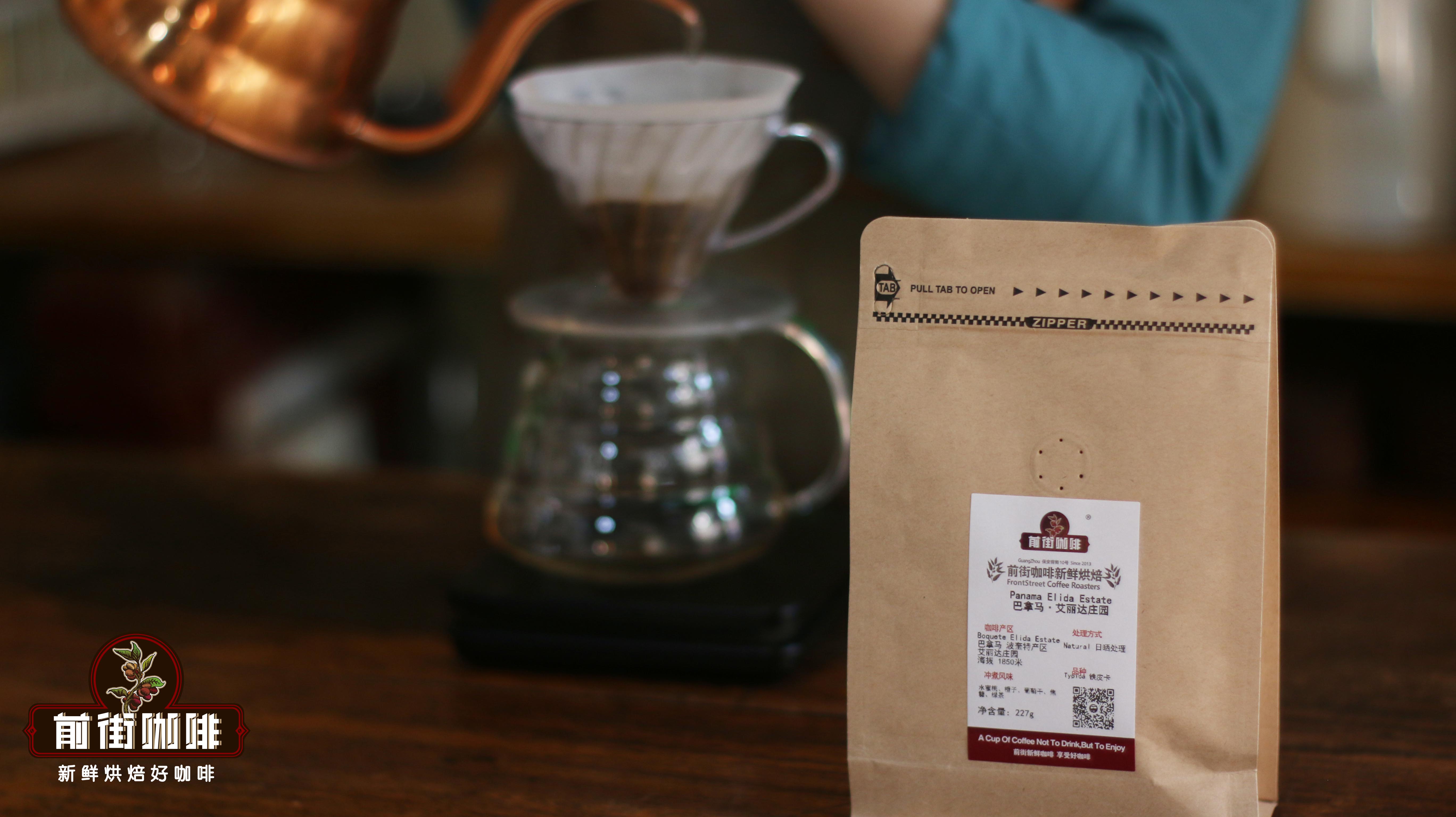
In order to increase the extraction rate of Geisha coffee, avoid over-extraction, and highlight the sweet-and-sour flavor layers, Front Street Coffee's baristas choose the V60 dripper. The V60 has spiral ribs connecting the top and bottom and a large central hole, which speeds up the flow of water; the spiral-shaped vent design lengthens the water flow path, increasing the contact time between coffee grounds and hot water. Each stream of water converges along the grooves toward the center of the dripper, concentrating the pressure on the coffee grounds and extracting a coffee with richer layers.
Below, Front Street demonstrates the brewing steps for the Front Street Emerald Red Label Natural Geisha that is regularly served in our stores. You can use it as a reference and compare it with your own brewing approach.
The pour-over parameters for Red Label Geisha coffee are: Dripper: V60, Water temperature: 91-92°C, Coffee dose: 15g, Coffee-to-water ratio: 1:16, Grind size: fine granulated sugar (80% passing a No. 20 sieve)
First, pour 15 grams of coffee grounds into the dripper and tare the weight. For the first pour, add 30g of water for a 30-second bloom, starting the timer at the same time. Use a slow, small stream from the center point, spiraling outward, making sure to saturate the entire coffee bed.
For the second pour, use a slightly larger stream to add 120g of water, with the aim of raising the entire coffee bed. The water column should be poured vertically and evenly. At this point, the scale shows 150g, and the pour is completed at around 55 seconds.
When the liquid level drops to about half, begin the third pour using a slow, small stream in a small spiral, adding 90g. Try to control the stream so it does not spiral too widely, as this can easily disturb the coffee bed and cause under-extraction. The total water added is 240g, and the drip completes at around 2 minutes 10 seconds. Remove the dripper, swirl the coffee in the server to mix evenly, and it is ready to taste.
The pour-over Front Street Panama Washed Boquet Geisha coffee has a clear acidity of citrus, lemon, and bergamot, a creamy smooth mouthfeel when swallowed, and a sweet finish of green tea and honey.
The above content is compiled by CoffeeHunters, a coffee news website.


