







Why Is Panama Geisha Coffee So Prized and How Do You Brew It?
Panama Geisha coffee comes from the Boquete growing region of Central America, where high altitude, cloud cover, and careful estate management shape its citrus acidity, white floral notes, and green tea finish. The Geisha variety yields roughly half the fruit of Caturra and needs shade and fertile soil, which keeps supply scarce and prices high.
Washed processing and a medium-light roast suit this Panama geisha profile. For a V60, use a three-pour method to draw out the orange-blossom honey sweetness. Higher growing altitudes slow ripening, which concentrates the complex aromatics that made Hacienda La Esmeralda famous.
Panama is a renowned specialty coffee-producing country in Central America. Thanks to its unique terroir and meticulous estate management, it has produced the world-stunning Geisha coffee. From the perspective of Front Street Coffee, this article outlines Panama's geographical location, the microclimate advantages of the Boquete producing region, and why the Geisha variety is so precious. It also provides a detailed explanation of the washed processing flow, medium-light roasting approach, and V60 three-pour hand-brewing parameters, helping coffee enthusiasts understand this Boquete Geisha's citrus acidity, white floral notes, and green tea finish, and replicate a result close to café quality at home.
For more specialty coffee knowledge, please follow the WeChat public account: Front Street Coffee
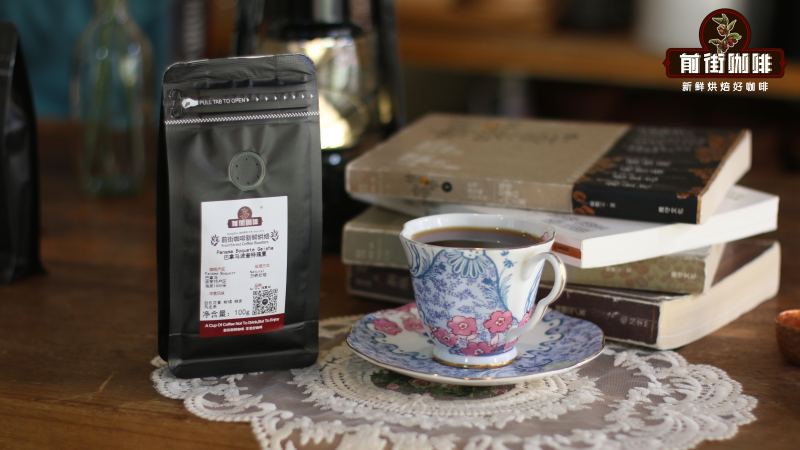
When people talk about Geisha, the first thing that comes to most minds is probably the batch of beans produced by Hacienda La Esmeralda in Panama. Whether in flavor performance or market pricing, it firmly sits at the top of the pyramid. Because of this, many enthusiasts lament that the price is truly hard to approach. On Front Street's bean list, however, there is a Geisha coffee bean from the place where Geisha rose to fame—the Boquete producing region of Panama. It is washed processed and carries Geisha's signature orange-blossom honey charm, allowing friends who want to explore Geisha's flavor to also taste this "legendary flavor."
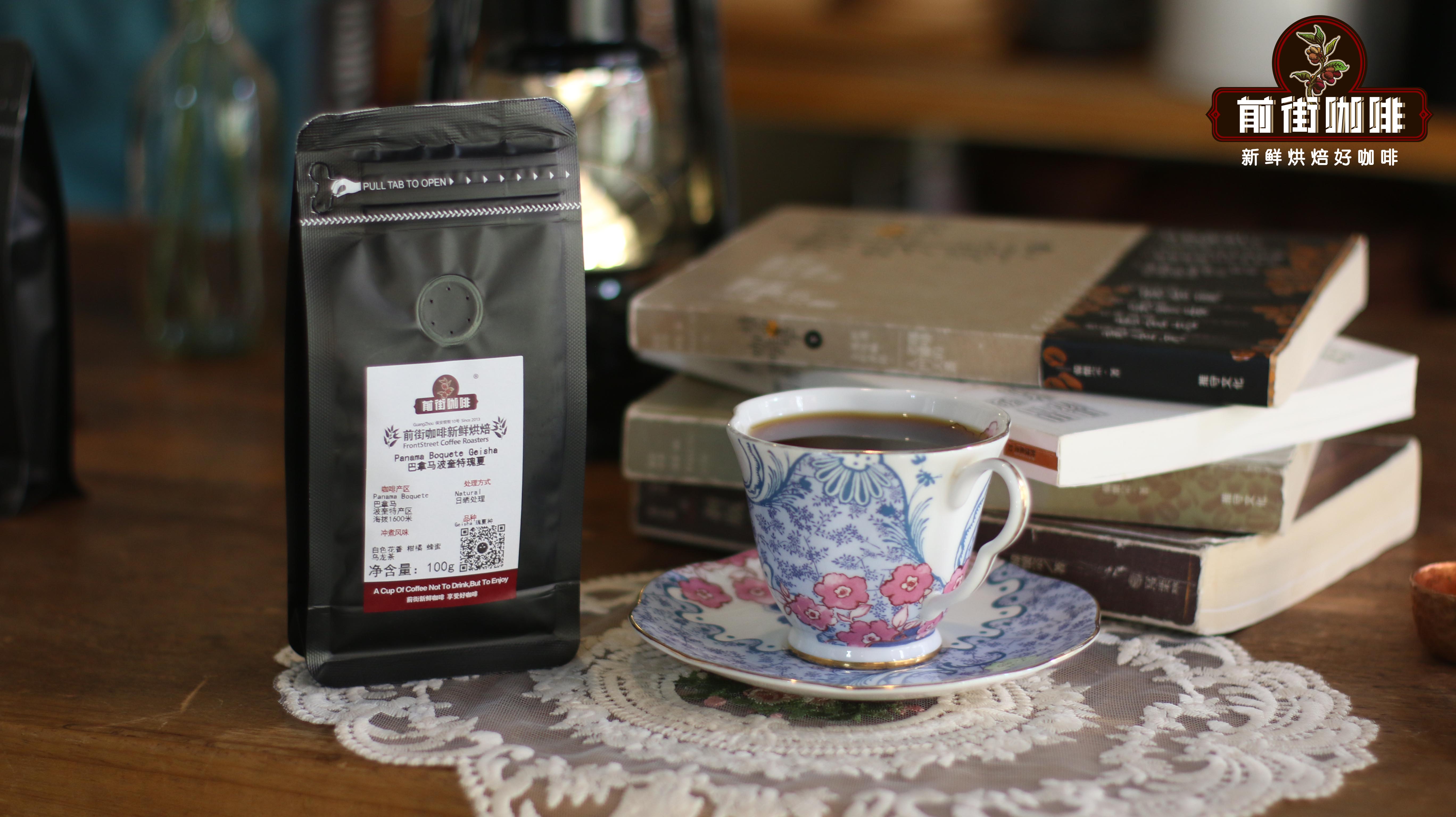
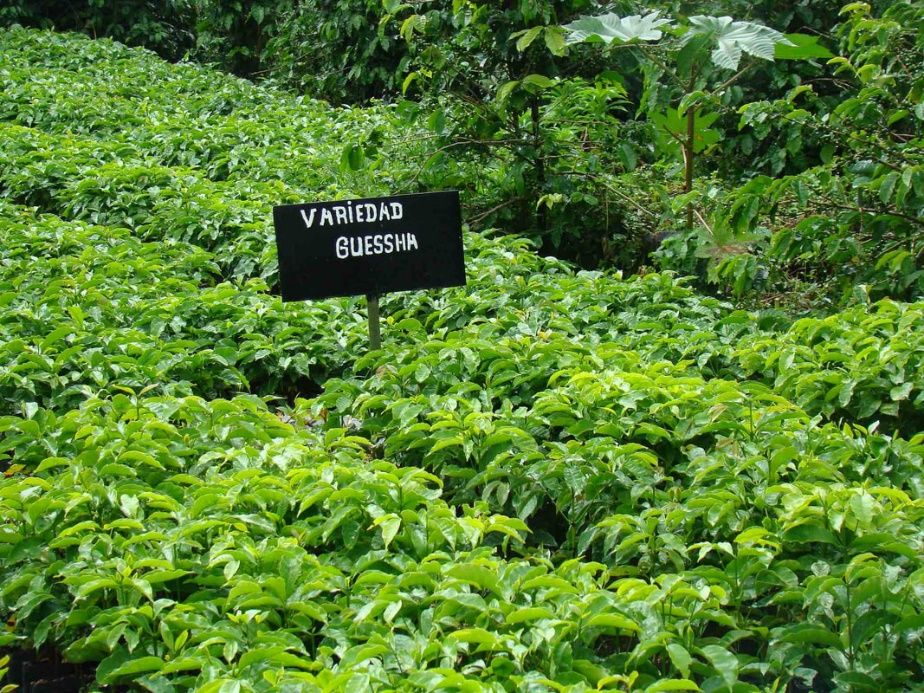
Before discussing the specific beans, Front Street will briefly explain what exactly makes the Geisha variety so special. Compared with other Arabica varieties, Geisha has a lower fruit yield, and the plant itself is relatively delicate and very picky about growing conditions—it needs high altitude, fertile soil, cloud cover or shade-tree protection, and cannot endure long periods of direct sunlight.
Geisha's leaf system is very thin, so its photosynthetic efficiency is relatively low. Its root system is likewise fragile, and its absorption of water and nutrients is relatively slow, so its yield is naturally scarce. In addition, the high-altitude environment lengthens the fruit ripening period. A single Geisha tree's fruit load is only about half that of Caturra, which is also one of the reasons for its high price. The higher the growing altitude, the longer the fruit takes to ripen, and the more complex and unique the flavor expression tends to become.
Where is Panama located?
Panama is located in Central America, connecting North America and South America, and borders Costa Rica and Colombia. Panama's coffee development history can be said to have been quite smooth. As is widely known, the Panama Canal was built by the United States, and after its completion there was a period when it was independently controlled by the United States.
The construction of the canal brought a large number of American elites southward at the end of the 20th century, partly for work and partly to seek business opportunities. Many well-known Panamanian estates were founded by these people. For example, the owner of Hacienda La Esmeralda was originally a banker, and the owner of Hartmann Estate came from an engineering background. These elites insisted on standardization and refinement in estate management. Whether it was dividing coffee trees by plot altitude to form grades, or manual picking and refined processing, they were important drivers behind Panama coffee's international renown.
Getting to know the Boquete producing region
Boquete is a town in Chiriquí Province, Panama, located on the eastern side of Barú Volcano, on a plateau at about 1,000 to 2,000 meters above sea level. It faces the warm, humid Caribbean monsoon and is backed by cold Atlantic currents, with towering and steep mountain terrain. Barú Volcano National Park is an ecological protection area with rich biodiversity and seven microclimates. It is shrouded in mist all year round with abundant rainfall, creating excellent growing conditions for plants.
Thanks to this exceptional terroir, the Geisha here absorbs the essence of its surroundings and transforms it into elegant floral and fruity notes with layered acidity, and naturally it frequently achieves excellent results in competitions. After Geisha became popular, producing regions everywhere introduced it, but even with the same variety, coffee produced in different terroirs and climates still differs in quality and flavor. Front Street Coffee believes that as the place where Geisha rose to fame, Panama, with its mature cultivation techniques and processing methods, still produces Geisha that is a guarantee of industry reputation. Therefore, compared with Geisha lots from famous estates, this Front Street Boquete Geisha coffee bean focuses more on presenting the "taste of place" of Geisha from the broader producing region.
As one of the most traditional green coffee processing methods, washing not only makes coffee quality more stable, but also gives Geisha higher cleanliness and a fresher flavor direction. After roasting, Front Street perceives Geisha's elegant white floral notes, rising citrus and lemon acidity, accompanied by a slight green tea charm, as if drinking a gentle cup of Tieguanyin. During green coffee processing, the selected coffee cherries are first sent into a depulper to initially remove the skin and pulp; then the green coffee beans that still carry mucilage are immersed in water and fermented for about 24 hours; after fermentation is complete, the parchment beans are placed in a flowing water channel to be washed, removing residual pulp and mucilage; after washing, they are sun-dried or dried with a dryer until the moisture content drops to about 12%. Finally, the parchment layer of the green beans is removed.
Geisha coffee's flavor is known for rich floral aromas and complex fruit notes. Front Street's roaster hopes to retain more of Geisha's high-quality acidity, so a medium-light roast is used (slight adjustments are made for different batches). This roast level does not overly change the high hardness of high-altitude beans, so brewing requires a certain increase in extraction yield to reveal fuller flavor layers. Here, a higher water temperature and a finer grind size are used to stimulate more aromatic substances. In addition, Front Street wants Geisha's flavor expression to be clearer, so the coffee-to-water ratio is appropriately widened, using 1:16.
Front Street's flavor descriptions for every coffee are based on freshly roasted beans. If coffee beans are stored for more than a month, much of the aroma has likely already been lost, and it is very difficult to reproduce the same result in brewing. Front Street also deeply understands the importance of freshness, so it ensures that only coffee beans freshly roasted within 5 days are shipped, allowing everyone to enjoy the fullest peak flavor period upon receipt. Below, Front Street demonstrates the brewing steps for serving Panama Boquete Geisha in-store. You can use it as a reference and compare it with your own brewing approach.
The hand-brewing parameters for Boquete Geisha coffee are: dripper: V60, water temperature: 91-92°C, coffee dose: 15g, coffee-to-water ratio: 1:16, grind size: fine granulated sugar size (No. 20 sieve bowl, 80% passing)
Three-pour extraction: Fold the filter paper and fit it into the dripper, using a small amount of water to wet the filter paper while making it adhere better, then pour out the water in the server. Next, add the coffee grounds and gently tap to distribute the coffee bed evenly. In the first pour, gently pour 30 grams of water for blooming, with a blooming time of 30 seconds. In the second pour, pour to about 125 grams of water, circling outward evenly and steadily. Then wait for the coffee liquid to drop. When it has dropped by half, pour the final pour of water up to 225 grams. After all the coffee has dripped through, the total extraction time is generally about 2 minutes.
The hand-brewed Panama washed Boquete Geisha coffee has a clear acidity of citrus, lemon, and bergamot. When swallowed, it carries a creamy, smooth mouthfeel, and the finish is the sweet aftertaste of green tea and honey.
The above content is compiled by CoffeeHunters, a coffee news website.


