








What Happened in the Red Island Coffee Franchise Case?
Red Island Coffee was founded in Malaysia in 2008 by Zhang Yufa. The brand promised investors that 10,000 yuan would bring monthly dividends at an annual rate of 10 percent, with more returns for recruiting downlines. He fled to Malaysia with over 30 million yuan, and roughly 2 million Chinese investors were defrauded over the years before a joint operation by China, Thailand and Malaysia led to his arrest.
The scheme worked because it targeted anxious investors during the financial crisis, using elegant shops and high prices to signal legitimacy. It is a reminder that coffee knowledge should extend to business offers: when a franchise promises low investment and high returns, the numbers deserve scrutiny regardless of where are coffee beans from or how good the menu looks.
During the 2008 financial crisis, a brand called "Red Island Coffee" was born in Malaysia, attracting Chinese businessmen with its high-end decor and high pricing. Founder Zhang Yufa claimed that investing 10,000 yuan would yield substantial monthly dividends, with an annual interest rate of 10%, and that recruiting downlines could bring even more returns. The lure of low investment and high returns prompted many Chinese businessmen to open their wallets. In the end, Zhang Yufa absconded back to Malaysia with over 30 million yuan, and nearly 2 million Chinese people were defrauded over the years. Although he once bribed his way to evade the law, he was ultimately arrested through a joint operation by China, Thailand, and Malaysia. This case serves as a warning: when facing coffee franchise projects promising low investment and high returns, we must keep our eyes wide open.
Professional coffee knowledge exchange. For more coffee bean information, please follow Coffee Workshop (WeChat public account: cafe_style).
For more specialty coffee beans, please add the private WeChat of Front Street Coffee (FrontStreet Coffee), WeChat ID: qjcoffeex
The brand "Red Island Coffee" appeared during the global financial crisis of 2008. At that time, many wealthy people and businessmen in China were worried about asset shrinkage and losses, so they sought investment channels in the hope of preserving the value of their funds.
A Malaysian Chinese named Zhang Yufa noticed this demand and founded "Red Island Coffee" in Malaysia. The coffee shop was very elegantly decorated. Although it offered few menu items, it gave off a very stylish overall impression. Coupled with its high pricing, the customers who came to Red Island Coffee were mostly high-income groups, including many Chinese businessmen.
At first, the coffee shop's service level was very high, and both its products and service were well received by consumers. As more and more high-income people treated the place as a venue for business negotiations, Zhang Yufa began to advertise: "Red Island Coffee House, your ideal investment project. You only need to invest 10,000 yuan, and you can receive a large dividend every month. The annual interest rate is as high as 10%. The more you invest, the more you earn."
Low investment, high returns—many businessmen were tempted! Of course, at first no one dared to invest rashly, since the economic environment was poor and the project had appeared out of nowhere.
However, there are always people willing to be the first to eat crab. After investing 10,000 yuan, these people indeed received a quite substantial dividend in the first month!
As a result, this kind of low-investment, high-return project quickly spread among Chinese communities and Chinese businessmen. At the same time, Zhang Yufa also came to China to intensify publicity. Seeing such high dividends from Red Island Coffee, many Chinese businessmen also invested one after another, and Red Island Coffee indeed opened more and more stores. The business looked "booming"!
In this regard, Zhang Yufa also promised: "Shareholders, you can actively develop downlines. As long as you can bring in new investment, on top of the original basis, we also have higher dividends and interest."
Therefore, more Chinese people invested in Red Island Coffee, and by this time Zhang Yufa had easily earned more than 30 million yuan! Then, while constantly encouraging more people to develop downlines, he quietly ran away!
But for a while, no one noticed that the founder of Red Island Coffee had run away. Although they had not received dividends for several months, everyone did not pay much attention, because Red Island Coffee had more and more stores, so they believed the dividends must be substantial, and people also did not pay attention to the overall specific operating condition of Red Island Coffee.
It was not until several months later that some investors realized they seemed to have not received dividends for a long time! So when they went to find Zhang Yufa, they discovered that he had already run away! He had fled back to Malaysia... Only then did everyone realize they had been scammed, and only then did they realize that Red Island Coffee's operations had always been very poor, with almost no products available to consumers in the stores.
And the first batch of investors who joined Red Island Coffee were also Zhang Yufa's shills. In fact, at that time hardly anyone invested in such a store... After returning to Malaysia, the first thing Zhang Yufa did was to smooth over all kinds of relationships. When the defrauded victims took him to court, Zhang Yufa had already found a scapegoat. Just like that, in full public view, Zhang Yufa swaggered out of the detention center.
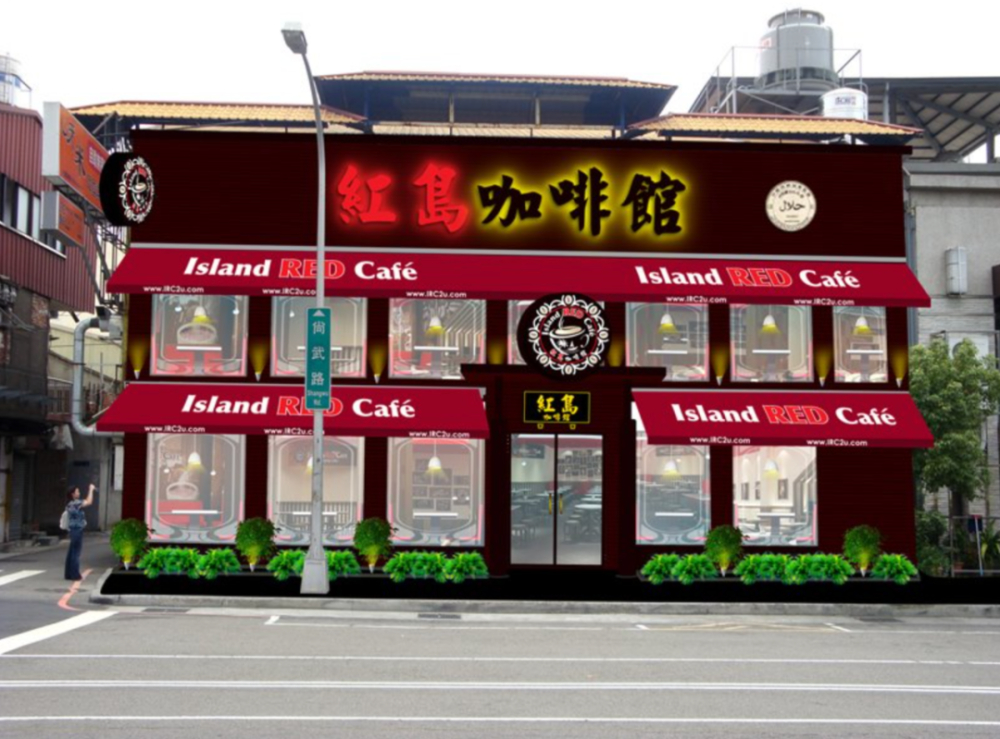
Afterward, Zhang Yufa also set up shell financial companies in Malaysia and began wildly "painting big pies." Through methods similar to Red Island Coffee, he engaged in all kinds of pyramid scheme businesses one after another, focusing on low investment and high risk, and mainly targeting Chinese businessmen.
Over the years, in China alone, nearly 2 million Chinese people were defrauded. But because Zhang Yufa's later operations became too large, the Chinese government also set its sights on him, determined that Zhang Yufa's company was a pyramid scheme organization, and began pursuing him.
At this time, Zhang Yufa also fled to Thailand, likewise intending to spend money to manage relationships. As a result, the Thai government did not fall for it and joined with Malaysia and China to arrest Zhang Yufa together.
However, the people who had invested in Red Island Coffee and other pyramid scheme businesses at the time did not get a single cent back, because the money had long been squandered...
Cheap things are not good goods. Whether applied to products or investments, this saying deserves our caution! Nowadays there are more and more low-investment coffee brands, but much of their content is copied and pasted from the models of other brands, and they also lack strong product competitiveness to compete with other brands.
The chain coffee shops that can survive in today's coffee market all share several common traits: the brand has an excellent reputation, stable products, novel products, and enough investors to sustain the brand's operations.
Never let yourself be blinded by propaganda about low investment and high returns.
The above content is compiled by CoffeeHunters, a coffee news website.


