







How Does Geisha Panama Coffee Get Its Distinct Flavor?
Geisha Panama coffee tastes unlike most other varieties because of where it grows and how it is processed. The plant originated in Ethiopia's Geisha forest and reached Panama in 1970, where Hacienda La Esmeralda later entered it in a reliable of Panama competition and won in 2004. High altitude, shade, and slow fruit ripening concentrate its floral and fruity notes.
The tree itself explains much of the cost and character. Geisha leaves are thin with low photosynthetic efficiency, the roots are fragile, and a single tree yields roughly half the fruit of a Caturra. Processing methods such as washed, natural, and anaerobic fermentation shape the cup further, while coffee grinding and V60 brewing parameters decide how much of that aroma reaches the brewer.
Geisha coffee is widely recognized as the king of specialty coffee, and its unique floral and fruity aroma along with a complex sweetness has countless enthusiasts flocking to it. But did you know that this variety originated in the primitive forests of Ethiopia and only after many twists and turns did it shine in Panama? How did Hacienda La Esmeralda discover its potential and divide it into Red Label, Green Label, and Blue Label? This article will provide a complete overview of the reasons behind Geisha coffee's unique flavor, from the variety's origins, growth characteristics, the Boquete region of Panama, benchmark beans from Hacienda La Esmeralda and Elida Estate, to processing methods such as natural, washed, and anaerobic fermentation low-temperature slow natural, and then to the hand-brew grinding settings and V60 brewing parameters shared by Front Street Coffee.
Geisha Variety
The lineage of Geisha can be traced back to Ethiopia, the birthplace of coffee. In 1931, people first discovered this variety in the Geisha forest of Ethiopia, and it was subsequently sent to the Kenya Coffee Research Institute, later introduced to Uganda, Tanzania, Costa Rica, and other places, until it finally made its way to Panama in 1970. However, when Geisha first arrived in Panama, it did not immediately receive attention because its yield could never reach a scale, and it was even used as a windbreak at one point. The turning point came when the owner of Hacienda La Esmeralda separated it out and sent it to compete in the Best of Panama competition, where it won the 2004 BOP championship in one fell swoop, and Geisha has been famous ever since.
Geisha is quite particular about growing conditions. High altitude, misty or shaded environments are most ideal, and it cannot withstand direct exposure to the sun. The soil must also be fertile. The higher the planting altitude, the longer the coffee fruit takes to mature, and the more complex and unique the flavor expression becomes.
Geisha coffee trees differ noticeably from ordinary varieties: the leaf system is very thin, and photosynthetic efficiency is relatively low; the root system is fragile, and the process of absorbing water and nutrients is slow, resulting in extremely low yields. In addition, the high-altitude environment delays fruit ripening, and a single Geisha tree produces only about half the fruit of a Caturra variety, which is also one of the important reasons for its high price.
Today Geisha has taken root in many producing regions around the world and can be called the new king of specialty coffee. Among them, the quality produced in Latin American countries such as Panama, Guatemala, and Colombia is more outstanding, and Panama Geisha stands at the very top of the specialty coffee pyramid.
Panama Geisha
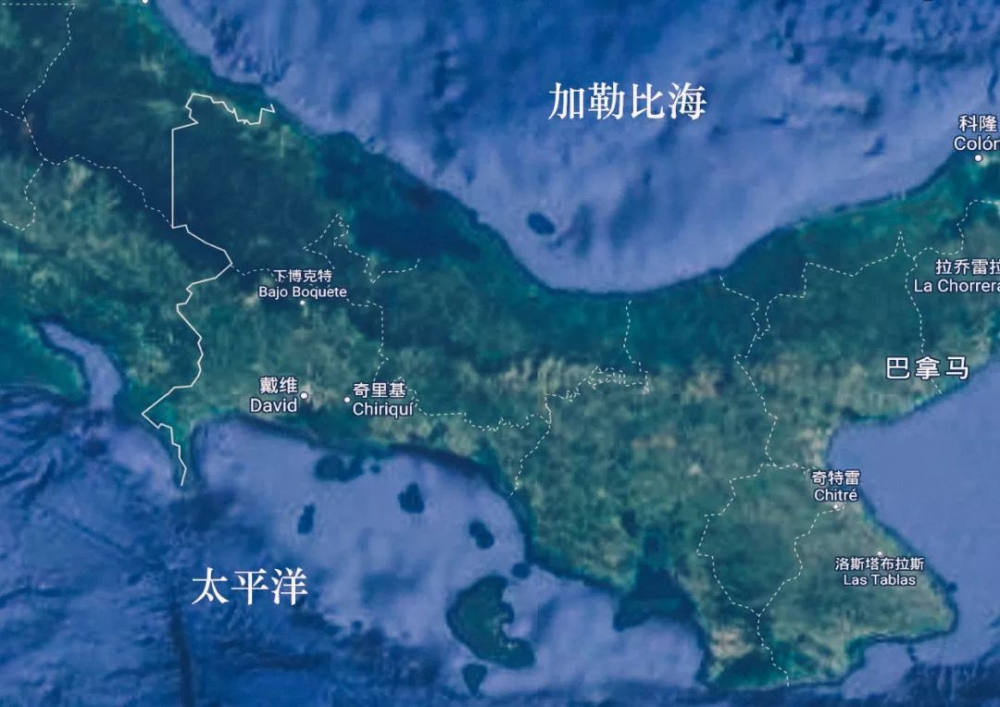
Panama is located at the southernmost part of Central America, and its coffee-growing areas are mainly concentrated in the west, near Costa Rica and on the Pacific side. The country can be roughly divided into four producing regions, among which the Boquete region in Chiriquí Province is the most famous. It is adjacent to Barú Volcano, where the volcanic soil is fertile and the mountain microclimate is unique, giving the coffee aroma and a sweet-and-sour taste like ripe fruit, with a long finish.
The well-known Hacienda La Esmeralda is located in the Boquete region. It can be said that without the persistence and efforts of Hacienda La Esmeralda, there would not be the glory of Geisha coffee today.
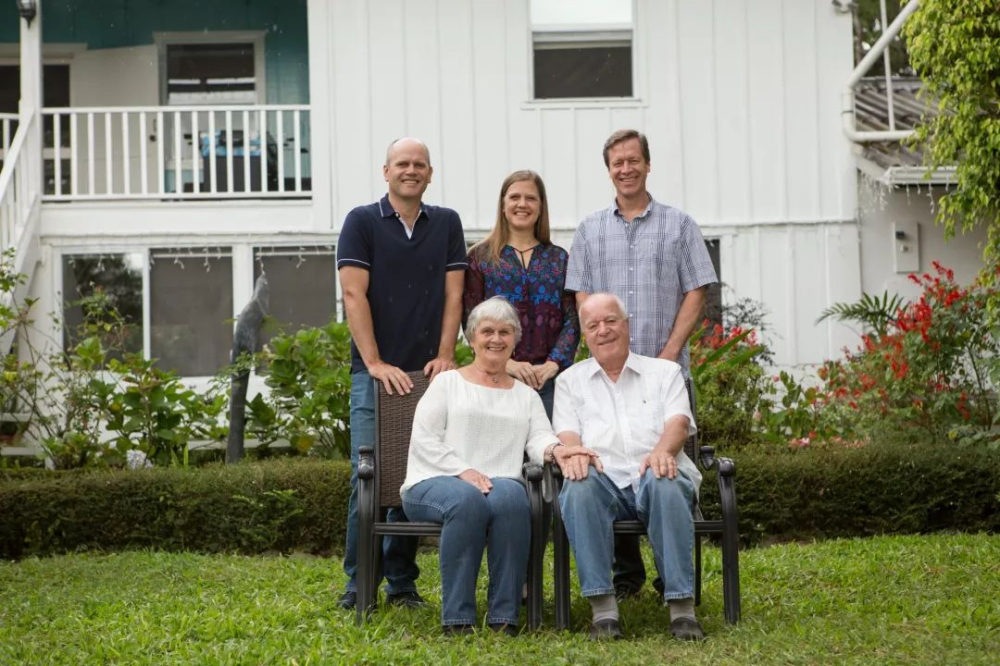
In 1964, the first-generation owner of Hacienda La Esmeralda, Rudolph Peterson, bought an estate in Boquete, initially focusing on dairy products. In 1973, his son Price Peterson resigned from his doctoral position to help his father manage the farm, introduced coffee varieties such as Caturra and Catuai, and established a wet mill, officially beginning coffee bean production.
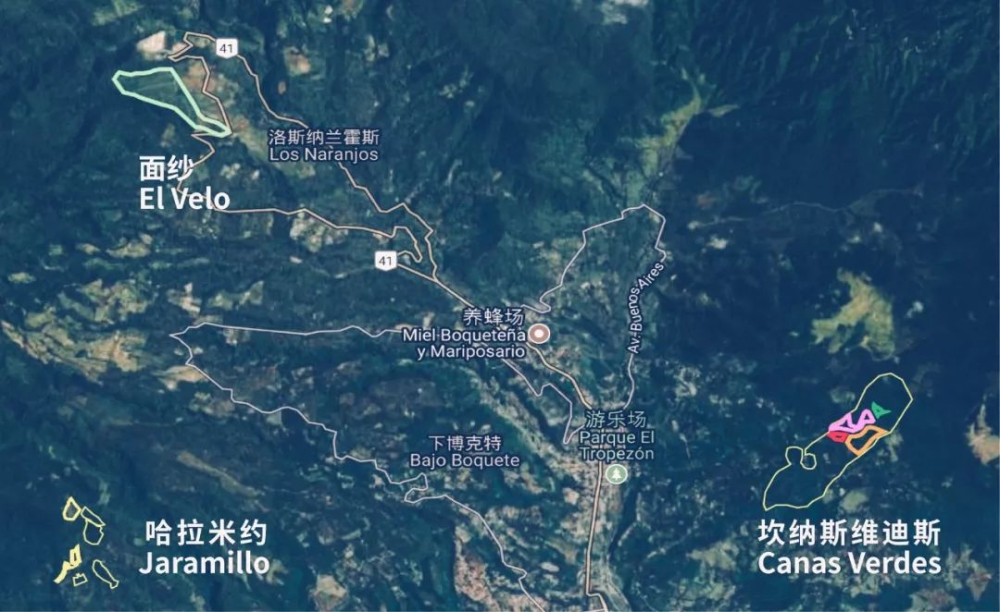
Hacienda La Esmeralda has three estates growing Geisha, namely El Velo, Cañas Verdes, and Jaramillo. Among them, the high-quality Geisha lots come from Cañas Verdes and Jaramillo.
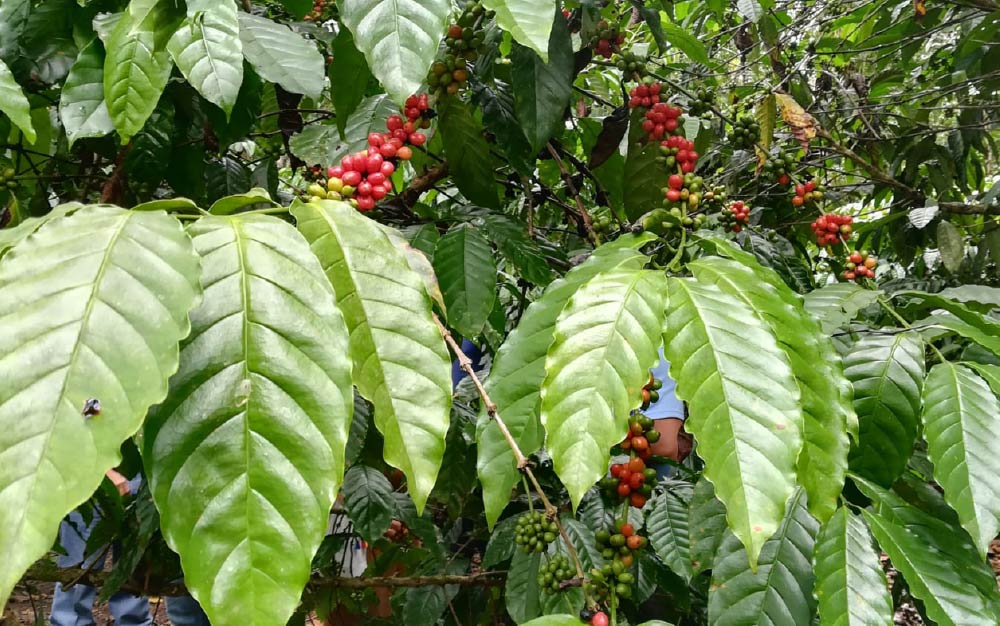
After buying the Jaramillo estate with its superior environment, the third-generation owner Daniel discovered through cupping that the Geisha coffee beans had an extremely unique flavor, so he cupped other areas of the farm one by one and recorded the flavor comparisons of different lots. After years of experimentation, he found that only Geisha grown above 1,400 meters could display its unique flavor. Based on this, the Peterson family divided the planting plots according to altitude, which led to today's well-known Red Label, Green Label, and Blue Label.
Red Label is Esmeralda Special, grown at an altitude of 1,600 to 1,800 meters, with a cupping score above 90 points, and is Hacienda La Esmeralda's highest-quality Geisha bean. Green Label, also known as Private Collection, is grown at the same altitude as Red Label, but because beans from different plots are mixed during picking and the source is not specified in detail, the flavor sometimes shows floral and fruity notes and a sweet-and-sour juicy feel similar to Red Label. Blue Label refers to Geisha grown at an altitude of 1,400 to 1,500 meters. Starting in 2021, the Blue Label series was discontinued, and Hacienda La Esmeralda switched the Geisha produced in that area to external sales, becoming Volcanic Rock Geisha coffee beans.
It is worth mentioning that the Red Label of the Esmeralda Special series has a notable feature: all coffee beans in each lot come from the same plot. For example, the Red Label purchased by Front Street comes from the Jaramillo plot, so buyers can obtain more refined choices.
FrontStreet Coffee: Red Label Geisha Coffee Beans
Region: Boquete
Estate: Hacienda La Esmeralda Cañas Verdes
Altitude: 1700+ meters
Variety: Geisha
Processing Method: Natural
Flavor: Citrus, complex fruit, rose tea, honey
Of course, when it comes to high-quality Geisha, there are also many famous estates on Front Street's bean list worth trying. For example, Elida Estate, which has won awards in the Best of Panama competition many times, has also been included by Front Street in its regular offerings so that everyone can taste it.
Elida Estate has a century-old history of coffee cultivation. It was founded by the Lamastus family in 1918, and the owner has now passed down to the fourth generation. More than half of Elida's growing area is located within the highest Barú Volcano National Park in Central America. The microclimate and high-altitude environment brought by the volcano allow plants to grow exceptionally well. In addition to coffee, many rare high-altitude fruit varieties are also grown here.
The owner of Elida Estate has extremely high requirements for coffee harvesting and green bean processing, picking only the ripest coffee cherries. The mucilage layer has a high sugar content, and the flavor presents a complex fruity sweet-and-sour sensation, which has also allowed Elida's Geisha to achieve repeated successes in many competitions.
FrontStreet Coffee: Elida Estate Geisha Coffee Beans
Region: Boquete
Estate: Elida Estate
Altitude: 1,900 meters
Variety: Geisha
Processing Method: Anaerobic fermentation low-temperature slow natural
Flavor: Fermentation aroma, rose, citrus, green tea, cream, nuts
Processing Methods
For high-quality Geisha coffee, local estates in Panama usually use two processing methods after harvesting ripe coffee cherries: natural and washed.
Natural Processing
The ripest coffee cherries are strictly selected and then spread flat on drying patios. They should not be spread too thick, and they need to be turned manually at regular intervals to maintain even, slow drying. Because they are dried with the fruit pulp, the green coffee beans carry a berry-like sweetness, the flavor shows a richer floral and fruity aroma, and the mouthfeel is stickier and fuller.
Anaerobic Fermentation Low-Temperature Slow Natural
In addition, there is a special processing method based on the natural method—anaerobic fermentation low-temperature slow natural (NATURAL-ASD), which is the method used for the Geisha produced by Elida Estate. After harvesting, the coffee cherries are placed in sealed containers to ferment for 4 to 5 days, and then spread in thick layers on drying beds to dry slowly, allowing the coffee cherry flavor to perform even better. Because ASD processing requires precise and strict control of every detail, it demands a great deal of time and energy.
Washed Processing
Before drying, the coffee skin and pulp are removed first, and the acidic substances produced by fermentation are used to remove the mucilage attached to the outer layer of the beans. The surface of the coffee beans is cleaner, the final taste is more refreshing, and the acidity is brighter. The washed process requires a large amount of clean water to wash the green coffee beans, so the cost of washed processing is also relatively high.
Brewing Reference
After learning all this, how do you brew a cup of Geisha coffee with excellent flavor? Front Street believes that freshly roasted coffee beans are the first requirement. The aroma of coffee beans changes with the storage environment and time, and once past the optimal flavor period, the aroma will be lost at an accelerated rate. Front Street deeply understands the importance of coffee freshness, so all shipped coffee beans are freshly roasted within 5 days, and by the time you receive them, they are just right to open and brew.
Front Street has found that some customers think hand-brew coffee grinding is rather troublesome. If you do not have a grinder, Front Street can provide grinding service both online and in physical stores. However, once coffee beans are ground into powder, the aroma is more likely to volatilize, so it needs to be drunk as soon as possible. If you want to taste the complete flavor of the coffee, Front Street recommends having grinding equipment and grinding fresh before brewing.
Regarding the choice of grind size for hand-brew coffee, Front Street's brewing parameters are all based on China standard sieve No. 20. For medium-light roasted coffee like Geisha, a sieving rate of 80% is chosen. Because each grinder's installation, use, and maintenance conditions differ, even with the same setting, the coffee powder particle size may still be inconsistent. Front Street recommends preparing a standard sieve if possible to calibrate the grinder, so that grinding parameters can be adjusted more clearly.
Front Street chose the most popular Hacienda La Esmeralda Red Label Geisha. Considering that Geisha coffee beans are light roasted, and the extraction rate of coffee substances in light-roasted beans is lower than in dark-roasted beans, in order to ensure full extraction of Geisha's flavor, a higher water temperature was used for brewing, and a finer grind size was also chosen.
Dripper: V60
Water temperature: 90-91°C
Grind size: 80% passing through No. 20 standard sieve
Coffee-to-water ratio: 1:15
Dose: 15 grams
Pour the coffee grounds into the V60 dripper, wet the coffee bed with twice the amount of water to form a dome and let it bloom for 30 seconds, then pour in a small stream in circles from the inside out until 125 grams, pause, and when the coffee bed drops to half the height of the dripper, continue pouring the third stage with the same fine stream until 225 grams, until all the coffee liquid has filtered through, then remove the dripper. The time is about 2 minutes.
The ground Red Label Geisha has a captivating rose and citrus aroma. When drunk, it tastes of berries, apricots, complex fruits, and honey, with a thick juicy feel, rich flavor layers, and obvious sweetness.
The above content is compiled by CoffeeHunters, a coffee news website.


