







Search Results for: Purple Label
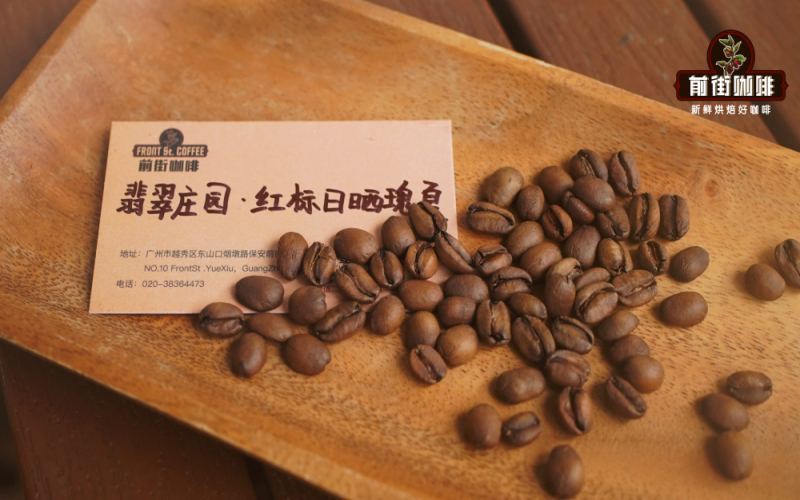
Central American Specialty Coffee Spotlight: Panama Hacienda La Esmeralda Private Collection Geisha and Single-Origin Bean Recommendations
Hacienda La Esmeralda in Panama is a legend in the specialty coffee world, and its Geisha variety is famous for its floral aroma and juicy feel. This article will take you through the history of Hacienda La Esmeralda, from a beef cattle ranch to dairy farming, and then to its transformation into the coffee industry. At the same time, we especially recommend the Red Label Geisha brought to you by Front Street Coffee, produced in the high-altitude region of Boquete, washed processed, with rich layers of flavor. Through this article, you will gain an in-depth understanding of the charm of this unique coffee and obtain professional advice on purchasing single-origin beans. [more…]
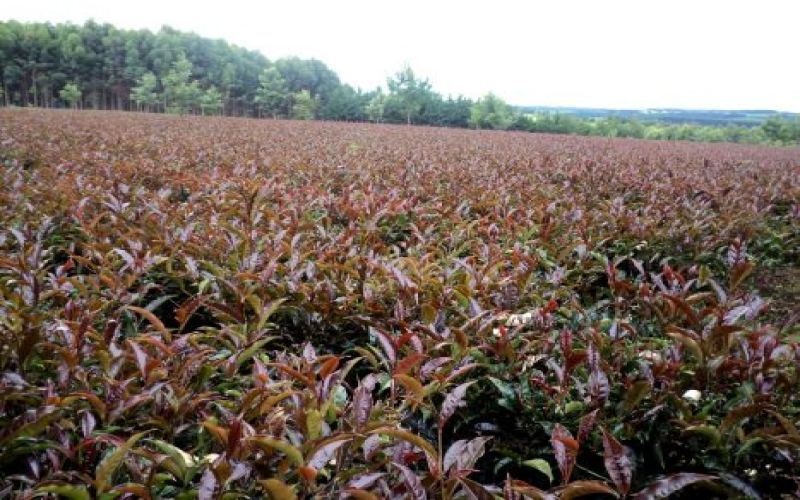
What is Kenyan purple tea? Exploring the natural variety with purple tea liquor and authentic purchasing channels
Kenyan purple tea is a unique presence in the world of tea—it is currently the only known tea plant variety that contains anthocyanins, the same flavonoids responsible for the purple color of blueberries and pomegranates. Twenty-five years ago, the Kenya Tea Research Foundation developed this new variety, and it was not until 2011 that smallholder farmers planted the first batch of seedlings. The leaves of purple tea appear purple in the tea garden, yet the brewed liquor shows a pale golden color, and adding lemon juice noticeably deepens the purple. Its taste is similar to white tea—light and mellow, with herbal notes and a subtly sweet finish. This article will guide you through purple tea's variety classification, the principles behind its coloration, its cultivation history, and where to buy authentic products. [more…]
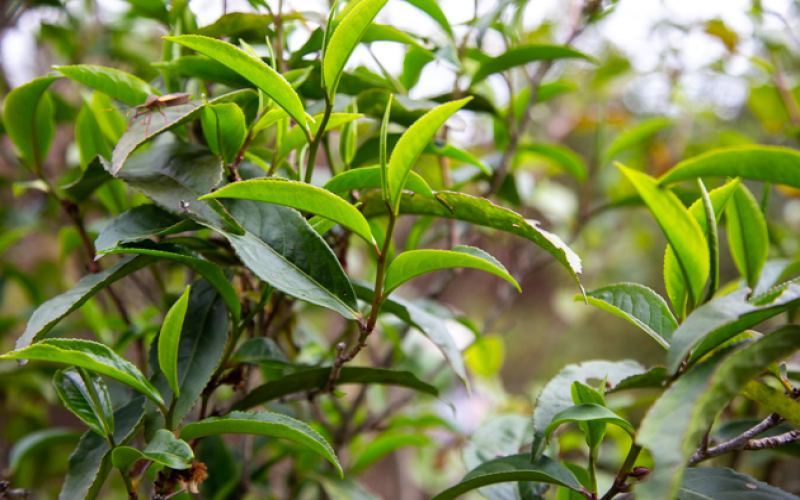
Where does high-mountain purple black tea come from? An analysis of the anthocyanin content and variety classification of Yunnan Lincang purple tea
Purple tea, a rare tea variety that grows sporadically in high-altitude areas such as Lincang and Baoshan in Yunnan, is distinguished from ordinary tea plants by its purple stems. The anthocyanins it contains give the finished tea a deep color, while its aroma carries a refreshing perilla-like note along with floral fragrance. Locally, purple tea is mostly made into raw Pu'er tea, but through customized processing, it can also be made into black tea and white tea. The high-mountain purple black tea recommended by Front Street this time uses purple tea material from an altitude of about 2,100 meters, grown without fertilizer or pesticides, and after 24 hours of thorough withering, it presents an unprecedentedly rich aroma. This article will guide you through the growing environment of purple tea, its varietal characteristics, anthocyanin content, and suggestions for drinking and storage. [more…]
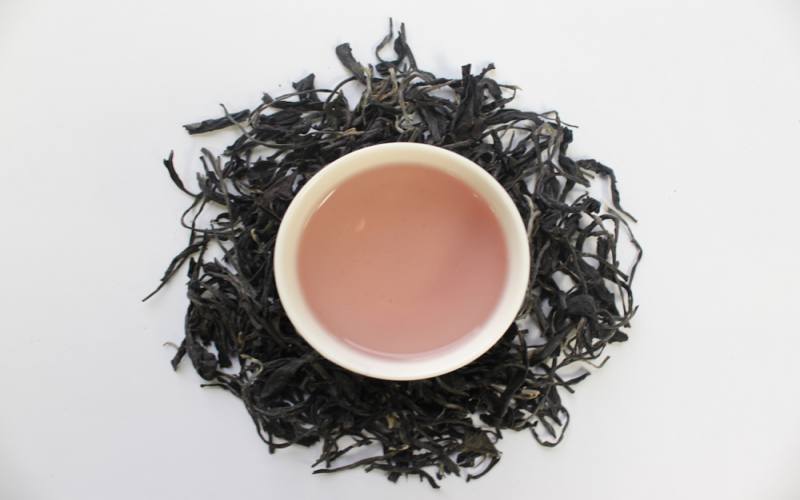
What Type of Tea Is Kenyan Purple Tea? A Full Analysis of Its Origin, Flavor, and Benefits
Purple tea is a special type of tea formed by a genetic mutation in the tea plant, rich in anthocyanins, and combining many of the health properties of both green and black tea. It was first discovered as a small number of wild mutations in China, and was later cultivated on a large scale in Kenya through a public-private partnership, with the main production areas located in the high-altitude regions of the Nandi Hills. Purple tea has an anthocyanin content of 1.5%, higher than blueberries, and its polyphenol and catechin levels also surpass those of most black and green teas; it also contains a unique GHG polyphenol. Its caffeine content is relatively low, its flavor is sweet and forest-like, and after brewing, the liquor is pale with a slight purple tint. Front Street recommends paying attention to this tea, which combines both health value and a story of its production area. [more…]
Taiwan Purple Bud Tea Tree New Line TTES No. 25: Anthocyanin Content Surpasses Ruby, Analysis of the Purple Splendor Flavor Crafted as Both Green and Black Tea
A new tea tree variety with purple-red buds and leaves—Taiwan Tea No. 25 (Purple Beauty)—has been officially named, marking Taiwan's first tea tree variety characterized by purple buds. Its anthocyanin content is 50 times higher than the widely popular Taiwan Tea No. 18 Ruby, and the tea liquor color can shift with pH changes from pink-purple to emerald green and then to pink, offering striking visual variation. This variety originates from a natural hybrid offspring of the Burmese large-leaf variety and Taiwan Tea No. 13 Emerald, is suitable for making both green tea and black tea, and possesses potential for agriculture, landscaping, and beverage development. Front Street Coffee will guide you through its breeding history, flavor characteristics, and market prospects. [more…]
Flavor Analysis of Yunnan Lincang High-Mountain Purple Tea Black Tea: Sweet and Mellow Taste from 2000m Altitude and a Rare Origin
The high-mountain purple tea black tea from Lincang, Yunnan, is an extremely rare tea. It grows in pristine tea gardens at elevations above 2,000 meters, where no pesticides or fertilizers are used and the tea trees grow naturally. This tea is completely different from the Zijuan tea of southern Yunnan; the finished product carries creamy aromas and sweet notes of peach and sweet potato, with a soft, full-bodied mouthfeel and no astringency at all—so gentle that it can be drunk on an empty stomach without discomfort. This article will guide you through why high elevations can nurture such thick, rich tea flavor, and explore the unique origin, flavors, and tasting experience of this high-mountain purple black tea. Front Street Coffee recommends that you pay attention to this rare tea and experience the distinctive charm of Yunnan high-mountain tea. [more…]
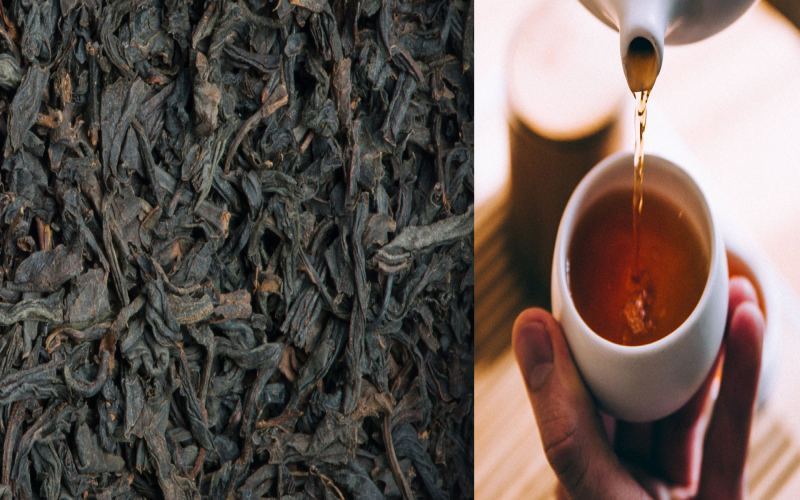
What Is the Difference Between Black Tea and Purple Tea? A Comprehensive Analysis of This Special Variety from Processing to Flavor Characteristics
Black tea gets its name from the red color of the tea liquor. After becoming popular in Britain in the 18th century, it remains the most widely consumed type of tea in India, Sri Lanka, and Western countries. Although China's annual black tea production accounts for less than 15% of the country's total tea output, its quality is outstanding. This article will start with the production process of black tea and its Chinese characteristics, and then introduce purple tea—a genetically mutated variety originating from the high-altitude regions of southern Yunnan. Purple tea appears purple due to the accumulation of anthocyanins, and it not only has a unique flavor but also possesses health potential such as anti-inflammatory and antibacterial properties. We will also compare the differences between purple tea and black tea in aroma and taste, and share Front Street Coffee's recommended teas. [more…]
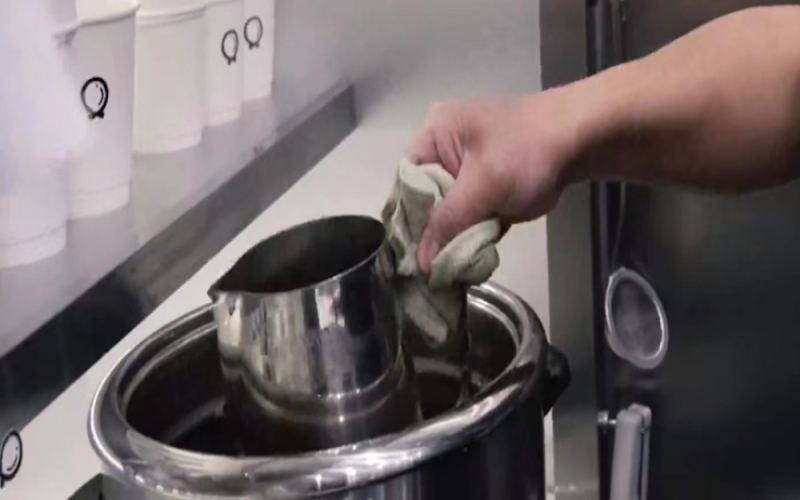
Can a purple clay pot also steam coffee? A new trick for Chinese-style extraction, low-temperature slow brewing brings a rich new experience
Following the buzz in Shanghai coffee shops over "double-boiler" extraction, Chinese-style coffee innovation has taken another step forward—at the Xiamen Coffee Festival, a shop introduced a Minnan-style brewing method using a purple clay teapot to steam coffee. In this method, coffee grounds are placed into a small purple clay teapot, slowly steamed in a bamboo steamer, then filtered and diluted with water for drinking. Its principle is similar to double-boiling: it uses low-temperature slow extraction to reduce bitterness and off-flavors, while the porous structure of the purple clay teapot can also absorb some of the compounds that cause bitterness. From Japanese Tokoname coffee pots to Chinese purple clay teapots, the clever use of ceramics in coffee extraction is being continually explored. This article walks you through the specific steps of this trendy method and the science behind it, and includes related recommendations from Front Street Coffee. [more…]
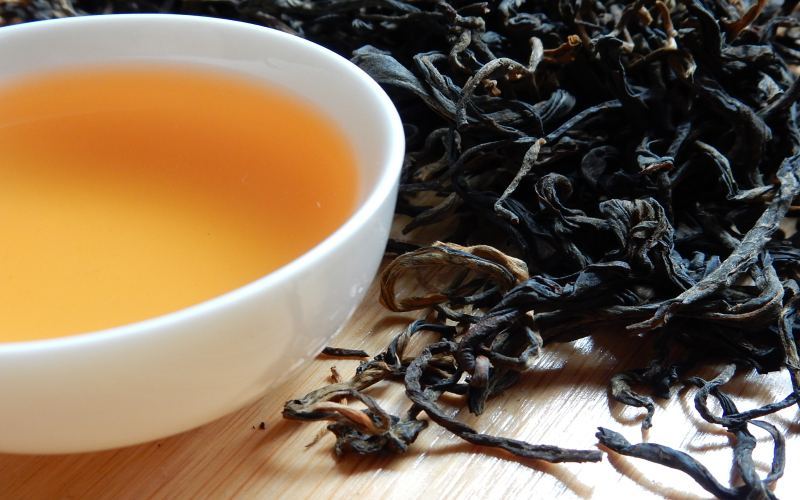
Yunnan Ancient Tree Dianhong, High Mountain Purple Red, Lapsang Souchong, and Ruby Black Tea: Flavor Differences and Value-for-Money Assessment
There are many types of black tea on the market, with significant stylistic differences. This article focuses on five distinctive black teas—Taiwan Ruby, Traditional Superior Lapsang Souchong, Qizhong Lapsang Souchong, Yunnan Ancient Tree Black Tea series, as well as High Mountain Purple Black Tea and Wild Black Tea—systematically reviewing their origins, processing characteristics, and flavor profiles. From the mint aroma of TTES No. 18 to the pine smoke aroma of Tongmuguan, from the honey charm of old trees in Lincang, Yunnan, to the perilla note of purple tea, each tea has clear recognizability. At the same time, by incorporating product information from Front Street Coffee, we help coffee and tea enthusiasts make choices that better match their taste and budget when purchasing. [more…]

Customer Accidentally Breaks Purple Clay Teapot Lid, Asked to Compensate Over 900 Yuan; Netizens Debate Whether Compensation Standard Is Reasonable
Drinking coffee in a café is supposed to be a relaxing and pleasant affair, but if you accidentally damage a display piece in the shop, it can trigger a headache-inducing compensation dispute. Recently, a customer in a café accidentally broke the lid of a Yixing clay teapot priced at 3,980 yuan, and ultimately compensated 926.5 yuan, half of the wholesale price. After the incident came to light, netizens engaged in a heated discussion over whether the compensation amount was reasonable and whether the shop should present purchase receipts. Why is it so hard to find a matching lid for a handmade Yixing clay teapot? How should responsibility be divided between the customer and the shop? This article will walk you through the incident and the various viewpoints, and explore how fragile utensils should be displayed and used in coffee spaces. [more…]
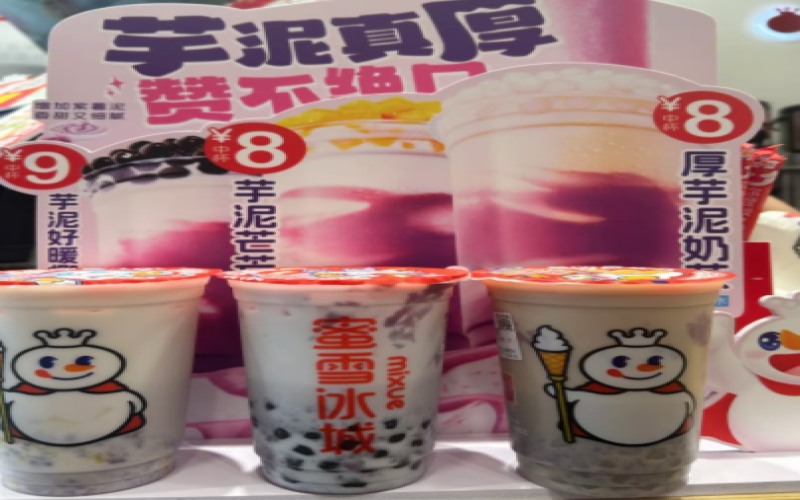
Mixue Bingcheng's Thick Taro Paste series returns, employees complain that purple sweet potato taro paste has become the hardest material to squeeze
In the depths of winter, a cup of hot milk tea always brings warm comfort, and major new-style tea beverage brands are rolling out winter hot drinks to win over consumers. Mixue Bingcheng recently announced the return of its upgraded Thick Taro Paste series, adding Taro Paste Mango Mango to the classic Taro Paste Warm Coconut and Thick Taro Paste Milk Tea, attracting taro paste lovers with single-digit friendly prices. However, after the new products launched, store employees complained that this frozen purple sweet potato taro paste is the hardest material to squeeze in history, even spawning its own dedicated hashtag. Some franchise owners personally recorded instructional videos on squeezing taro paste, drawing many workers to watch and submit their own attempts. This article takes you through this battle between Snow King employees and taro paste, as well as the store visit timing recommendations consumers should note. [more…]
Caturra Coffee Variety Full Analysis: From Bourbon Mutation to Central American Mainstay, Flavor Characteristics and Representative Beans
Caturra is a highly economically valuable natural mutation within the Bourbon lineage. With advantages such as a small plant size, suitability for dense planting, and no need for shade, it has become an important pillar of coffee-growing regions in Central America. In this article, from the perspective of Front Street Coffee, we will sort out the historical origins and variety characteristics of Caturra, and use its Colombian passion fruit enzyme washed Purple Caturra as an example to introduce the Huila region, the processing methods and brewing suggestions of Finca Monteblanco, helping coffee lovers gain a comprehensive understanding of the unique charm of this variety. [more…]
Which country ranks first in tea production in Africa? A detailed look at the flavors and health benefits of nine distinctive African teas
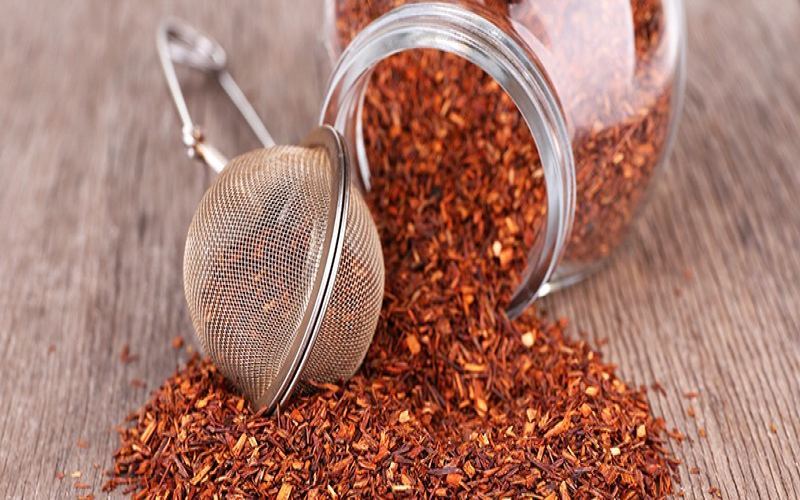
Africa is not only famous for coffee—its tea production is equally noteworthy. Kenya ranks as the world's third-largest tea producer and the leading tea-producing country in Africa. From anthocyanin-rich Kenyan purple tea to South Africa's unique rooibos and honeybush teas, and from North African mint tea to Ethiopian spiced tea, diverse tea traditions have emerged across the continent. This article profiles nine teas produced in Africa, covering their origins, production methods, flavor characteristics, and health benefits, helping coffee lovers expand their understanding of African beverages. Front Street Coffee will also recommend African teas worth trying. [more…]
Pour-Over for Beginners: A Guide to Developing Extraction Plans for Unfamiliar Coffee Beans and Identifying Roast Levels
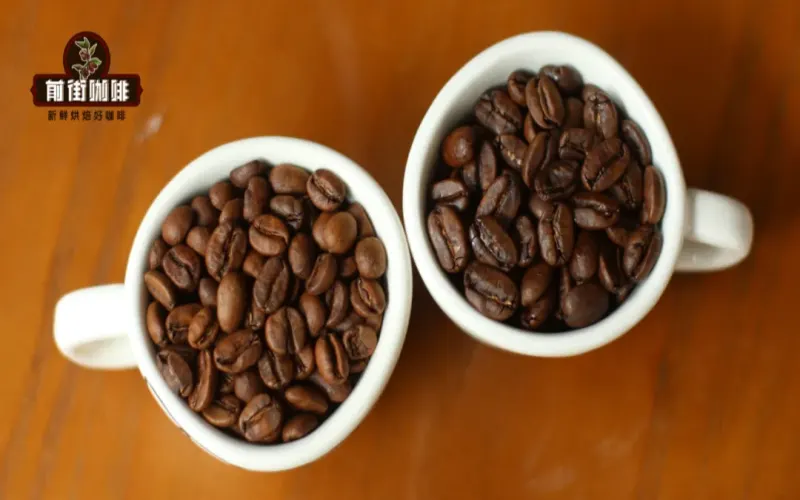
When faced with a coffee bean you've never tried before, how can you quickly find the right brewing recipe? Actually, you don't need to overturn your existing brewing habits—just make targeted adjustments to the extraction parameters. Drawing on Front Street Coffee's practical experience, this article teaches you to infer the roast level from the flavor description on the bean bag label, and from there determine the three core parameters: coffee-to-water ratio, grind size, and water temperature. It also explains in detail the differences in extraction logic between light-roasted and dark-roasted beans, as well as strategies for dealing with specially processed beans, helping you easily master every unfamiliar bean without changing your brewing technique. [more…]

From Clay Pots and Purple Clay to Double Boiling: How Chinese-Style Coffee Forges Its Own Path by Drawing on Local Vessels and Culinary Wisdom
While the milk tea world perfectly combines ritual and local ingredients with jar-brewed milk tea, the coffee world's "new Chinese style" frequently sparks controversy due to its bizarre pairings. In fact, China's rich cooking techniques and tea-brewing methods can absolutely serve as sources of inspiration for the localization of coffee—double-boiled coffee, purple clay pot steamed coffee, and Macau clay pot coffee. These attempts all use principles such as low-temperature slow extraction and even heating to give coffee a smoother, richer flavor. This article reviews the practices of these Chinese-style coffee schools, explores how innovation can stay rooted in the soul of coffee, and offers new ideas for the local expression of specialty coffee. [more…]
The Flavor Window of Sweet Fruity Pour-Over Beans: From Degassing and Resting to a Drinking Rhythm That Locks In Juiciness
Freshly roasted coffee beans are filled with carbon dioxide inside. This layer of gas hinders water from smoothly penetrating the coffee grounds, making it difficult for aromatic compounds to be fully released during extraction. To taste a bright, light fruity note and full sweetness, the beans need a period of gentle degassing, allowing the internal structure and vol [more…]
Kenya Kirinyaga Coffee Region: A Paradigm of Purple Fruit Flavors Nurtured by Volcanic Soil
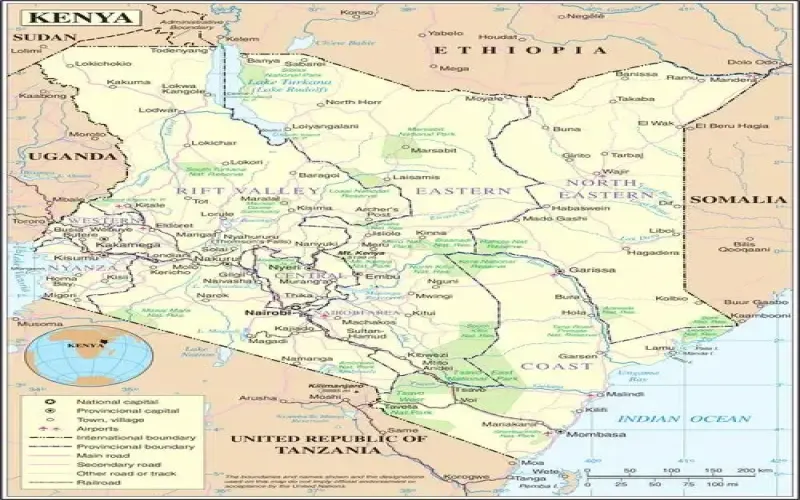
Africa is recognized as the birthplace of coffee. As Ethiopia's neighbor, Kenya started its coffee industry relatively late, yet has won the favor of industry insiders with its multi-layered flavors and juicy acidity. In central Kenya, several well-known producing regions surround the dormant volcano Mount Kenya, among which Kirinyaga has drawn increasing attention in recent years. This region has fertile volcanic soil, abundant rainfall, and a cool climate. Coffee is grown at altitudes between 1,300 and 1,900 meters, and is known for its intense flavor, rich layers, and solid mouthfeel, ranking alongside the Nyeri region as one of Kenya's two finest producing regions. This article will take you through an in-depth look at Kirinyaga's geographical environment, historical background, and flavor characteristics, and share the cupping experience of a washed Kirinyaga Blackberry Queen that Front Street Coffee recently sourced. [more…]
SOE Roast Days and Degassing Changes: Letting a Single Origin Fully Release Its Aroma During the Optimal Drinking Window
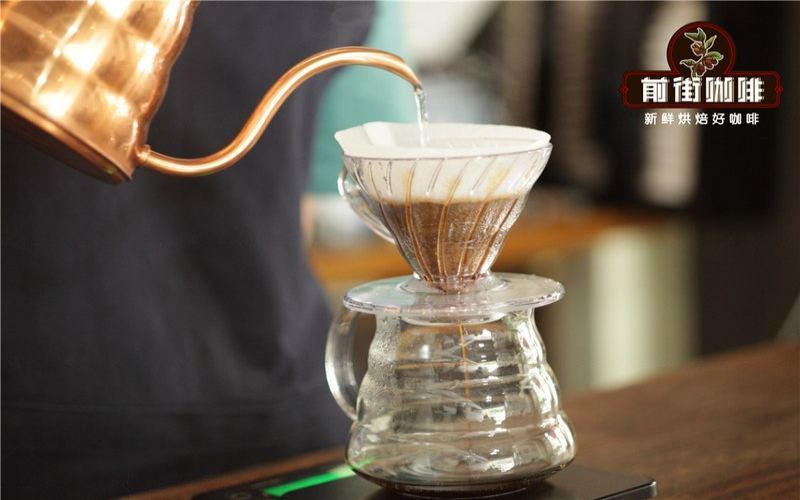
Freshly roasted single-origin coffee beans hold a large amount of carbon dioxide gas trapped inside. In the first days after opening, this gas rushes out violently on contact with water, forming a dense layer of foam. Too much gas prevents water from fully contacting the coffee grounds, so aromatic compounds cannot dissolve out smoothly. Give the beans a quiet period to degas. [more…]
How to Choose a Purple Clay Teapot and Control Water Temperature? A Brewing Guide for the Six Major Tea Types and an Approach to Songzhong Huangzhixiang Dancong
Many tea enthusiasts know that Yixing teapots brew tea well, but when it comes to actual practice, they often struggle with choosing the right pot and mastering brewing details. Different tea types have different requirements for clay material, pot shape, water temperature, and even the rhythm of pouring, so choosing well can enhance aroma and flavor, while choosing poorly can lead to off-flavors and stewing the tea leaves. This article systematically breaks down the pairing logic between the six major tea categories—green tea, oolong tea, yellow tea, black tea, dark tea, and white tea—and Yixing teapots, and provides the appropriate water temperature and steeping time for each. For highly aromatic oolongs like the Songzhong Huangzhixiang-style Dancong, Front Street also recommends prioritizing small Zhuni or Hongni pots, using near-boiling water at around 95°C with quick infusions and quick pours, which better highlights its floral fragrance and varietal charm. [more…]
Exploring Costa Rica's Tarrazú Dota Region: A Comprehensive Analysis of Micro-Lot Geisha and Hacienda La Esmeralda Auction Geisha
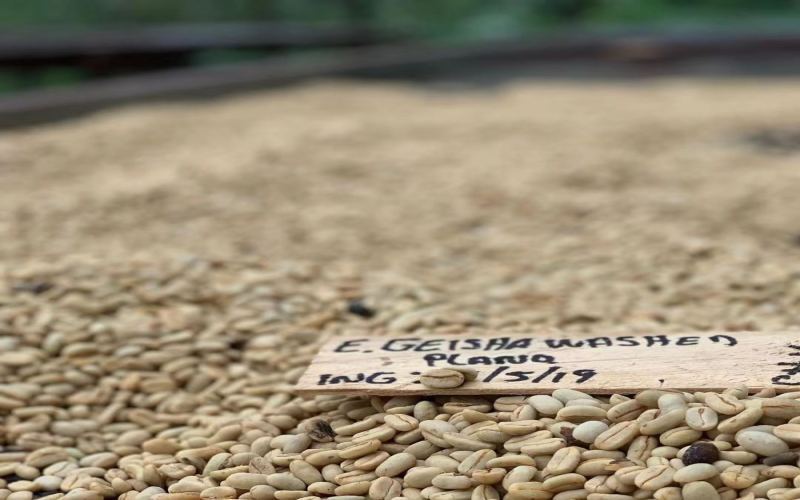
Geisha and Yirgacheffe are actually the same type of coffee, transliterated from Japanese. This article begins with the red, green, and blue label classifications of Panama's Hacienda La Esmeralda, sorting out its strict quality control and auction lot standards, and tracing Geisha's legendary path from the forests of Ethiopia to Kenya, Tanzania, Costa Rica, and then to Panama, where it rose to fame. It also delves into Gesha Village to explain the variety differences between Gori Gesha and Gesha 1931, the meanings of the OMA and SURMA block numbers, and the traceability system for natural process lots. Finally, it presents complete information on three products launched by Front Street Coffee: Ethiopia Gesha Village Natural, Panama Hacienda La Esmeralda Red Label Washed, and Costa Rica Tarrazú Dota Goddess Estate Geisha. [more…]