







White coffee vs Kenyan purple tea: how do these two delicate drinks compare?
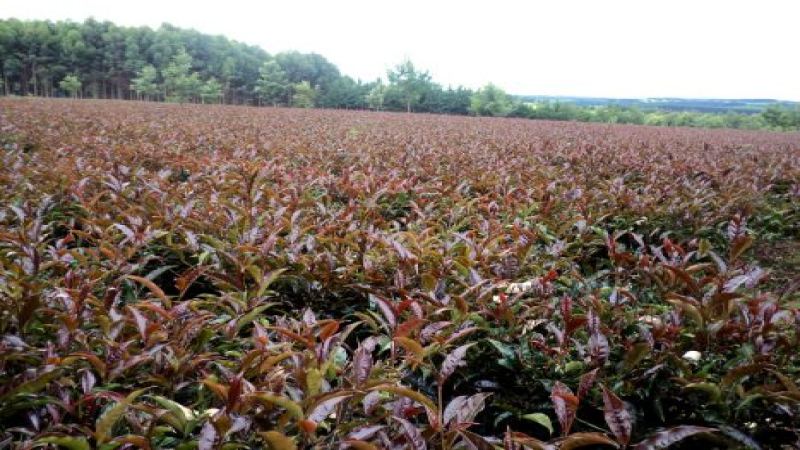
Kenyan purple tea is the only known tea tree variety that contains anthocyanins, the flavonoids that give blueberries and pomegranates their purple color. The Kenyan Tea Research Foundation developed it 25 years ago, and smallholder farmers planted the first seedlings in 2011. The leaves look purple in the garden, but the brewed liquor is pale golden.
It belongs to Camellia Sinensis Assamica and is not genetically modified. Leaves start green and turn purple as they mature. The taste is delicate and mellow, close to white tea, with herbal notes, a rounded entry and a slightly sweet finish. Adding lemon juice visibly deepens the purple tone in the cup, and the plants grow above 6,000 feet.
Kenyan purple tea is a unique presence in the world of tea—it is currently the only known tea tree variety that contains anthocyanins, the same flavonoids responsible for the purple color of blueberries and pomegranates. Twenty-five years ago, the Kenyan Tea Research Foundation developed this new variety, and it was not until 2011 that smallholder farmers planted the first batch of seedlings. The leaves of purple tea appear purple in the tea garden, yet the brewed liquor shows a pale golden hue, and the purple tone deepens noticeably when a few drops of lemon juice are added. Its taste is similar to white tea—delicate and mellow, with herbal notes and a slightly sweet finish. This article will guide you through purple tea's varietal classification, the principle behind its coloration, its cultivation history, and where to buy authentic products.
Purple tea originates from Kenya and is currently the only known tea tree variety rich in anthocyanins, the flavonoid compounds that give blueberries and pomegranates their purple color.
Twenty-five years ago, the Kenyan Tea Research Foundation (TRFK) successfully developed this new purple variety, and in 2011, local smallholder farmers began planting the seedlings. Purple-leaf tea belongs to a variety under the Camellia Sinensis species. It is called purple tea because this shrub produces purple leaves in Kenyan tea gardens. It is not a genetically modified crop but a completely natural existence, classified under the tea family (Camellia Sinensis Assamica). This is also part of the history of this unique tea.
As a variety of the Camellia sinensis plant, its leaves are initially green and turn purple as they mature. Not only are the leaves purple, but the brewed tea liquor is also distinctive—the infusion is pale golden, and if a little lemon juice is added, the purple tone visibly intensifies. It cannot be classified into any existing tea category, so an entirely new category was created specifically for it—purple tea.
In terms of taste, it is close to white tea, with a moderate and delicate liquor, herbal notes, a mellow entry, and a slightly sweet aftertaste.
Purple tea grows in high-altitude areas (above 6,000 feet). Although the Kenyan Tea Research Foundation developed this variety 25 years ago, the first seedlings were not planted until 2011. At the time, smallholder farmers had to be persuaded to commit to cultivating the tea gardens for a full five years without any financial return, because that is the time required for the plants to mature and be ready for initial harvest and production. Harvesting strictly follows the "two leaves and a bud" standard. Small-batch production of purple tea uses only the finest leaves.
When you buy purple tea, you will benefit Kenyan farmers, providing new opportunities for sustainable growth and employment for their families and communities.
If you want to buy authentic Kenyan purple tea domestically, you can keep an eye on listings from specialty roasters such as Front Street Coffee, which regularly selects distinctive teas from producing regions around the world for enthusiasts.
The above content is compiled by CoffeeHunters, a coffee news website.


