







Can a purple clay pot work as a coffee extraction method?
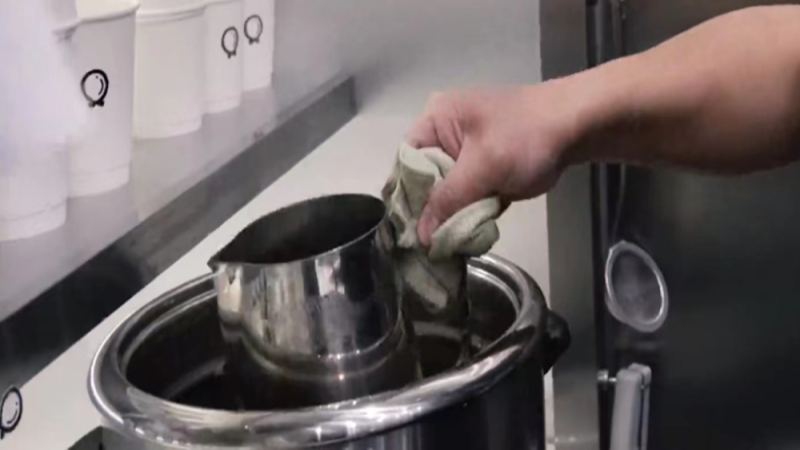
A shop at the Xiamen Coffee Festival steamed coffee grounds in a small purple clay pot over a steamer, then filtered and diluted the liquid before serving. The approach follows the same logic as the earlier double-boiling style: low-temperature slow extraction that limits bitter compounds while keeping body. The pot's porous walls also absorb some of the compounds behind harshness.
It joins a wider trend of adapting traditional ceramics to coffee, from Japanese Tokoname-yaki pots to Chinese purple clay. Grind size and steeping time stay the main controls, since the water inside the vessel holds a stable, gentle temperature rather than coffee boiling hard. The result is a smooth, full-bodied cup that shows how far coffee extraction methods keep expanding.
After Shanghai coffee shops sparked widespread discussion with "double boiling" extraction, Chinese-style coffee innovation has taken another step forward—at the Xiamen Coffee Festival, a shop introduced a Minnan-style brewing method using a purple clay pot to steam coffee. This method involves placing coffee grounds into a small purple clay pot, steaming it slowly over a steamer, then filtering and diluting with water before drinking. Its principle is similar to double boiling, using low-temperature slow extraction to reduce bitterness and off-flavors, while the porous structure of the purple clay pot can also absorb some of the compounds that cause bitterness. From Japanese Tokoname-yaki coffee pots to Chinese purple clay pots, the clever use of ceramics in coffee extraction is being continuously explored. This article walks you through the specific steps of this trendy new method and the science behind it, along with relevant recommendations from Front Street Coffee.
For professional coffee knowledge exchange and more coffee bean information, please follow Coffee Workshop (WeChat public account: cafe_style)
For more specialty coffee beans, please add our private WeChat Front Street Coffee (FrontStreet Coffee), WeChat ID: qjcoffeex
About a year ago, a café in Shanghai used a "double boiling" technique to extract coffee, which sparked widespread discussion online.
So-called double boiling extraction involves placing temperature-adjusted coffee grounds and liquid in a container, which is then set in hot water for a longer period of stewing. By controlling grind size and extraction time, coffee particles can release pleasant and full-bodied flavor components within the water-bath container.
Despite the high external temperature, the temperature inside the container remains within a relatively stable range, effectively suppressing the release of bitter substances from the coffee particles. The resulting coffee is rich and full-bodied, yet smooth without any bitterness.
When this method first appeared, some dismissed it as a gimmick, but many others believed: Japan has cloth filter brewing, Italy has pressurized extraction, and China incorporating traditional culinary wisdom into coffee extraction is itself a commendable attempt—after all, coffee extraction methods have always been continuously innovated and redefined.
After Coffee Workshop published a related article, a fan in the comments suggested: you could steam coffee using a steamer pot. Little did we expect, coincidence really struck! While browsing online, the author found a netizen sharing a very Minnan-style coffee brewing method from a coffee shop at the Xiamen Coffee Festival—steaming coffee with a purple clay pot!
- Martin Ma'er Liu
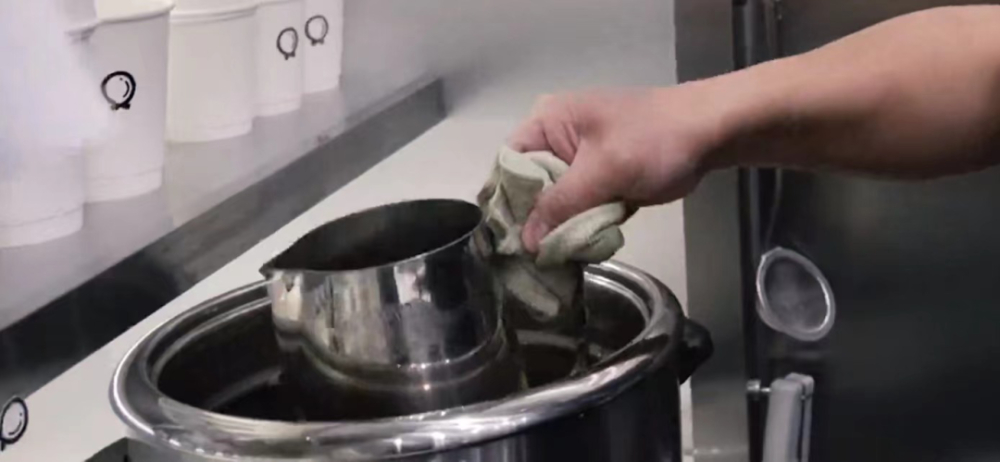
The specific method is: take 18 grams of coffee grounds at pour-over grind size, place them in a small purple clay pot, with a coffee-to-water ratio of 1:5. You can also add ginseng, angelica, or bergamot (of course, you can skip these), then steam in a steamer for 30 to 40 minutes. Finally, filter with filter paper and dilute with an appropriate amount of water before drinking.
- Martin Ma'er Liu
This method actually shares the same principle as double boiling—both are low-temperature slow extractions. Although the temperature inside the steamer is very high, the coffee in the pot heats up much more slowly than direct boiling. At the same time, very little water is used for extraction, and the coffee liquid quickly reaches saturation, so off-flavors and bitterness from the later stages are less likely to emerge.
- Coffee Decision
In addition, the purple clay pot itself has the ability to adsorb substances that cause off-flavors in coffee, effectively reducing bitterness.
Previously, a company under Amazon Japan developed a device that looks like a teapot but is actually used for brewing coffee. The body uses a thousand-year-old pottery firing technique called "Tokoname-yaki" (also known as Japanese purple clay), characterized by clay with high iron content, fired without glaze, then polished after firing, resulting in a smooth and glossy surface.
Because there is no glaze coating, the pottery's inherent porous and water-absorbing characteristics are preserved, effectively adsorbing components that cause off-flavors in coffee. Although Chinese purple clay pots use different materials from Tokoname-yaki, they can similarly achieve the effect of reducing bitterness while preserving the aroma and flavor of tea or coffee.
Most of the bitterness in coffee comes from two compounds: chlorogenic acid lactones and phenylindanes. Both are produced during roasting as chlorogenic acid breaks down. Light to medium roast coffees have more chlorogenic acid lactones in the beans, so they present bitterness. As roasting time lengthens and roast level deepens, phenyl compounds in the coffee beans increase—the more phenylindanes, the sharper and more lingering the bitterness.
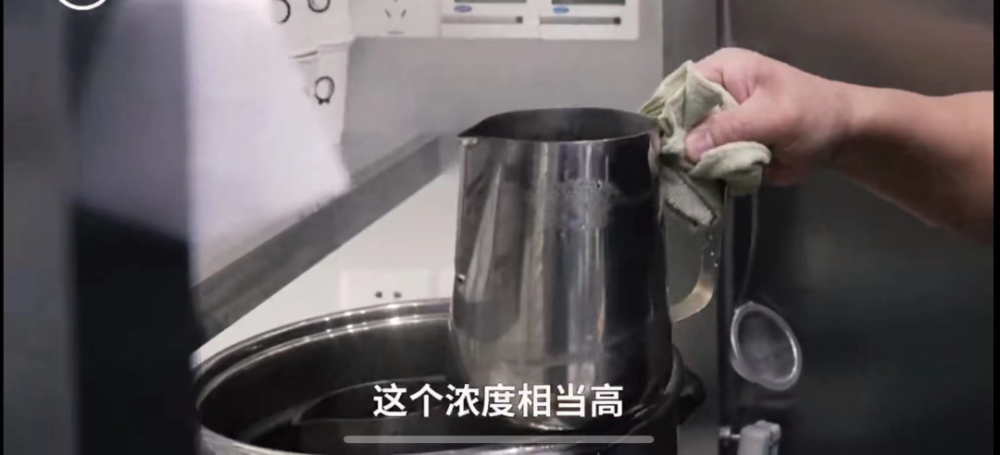
According to test results from netizens across multiple years who secretly experimented with purple clay pots when their parents weren't looking, the structure of the purple clay pot itself can indeed effectively adsorb these unpleasant components, making the coffee taste cleaner.
Coffee brewing isn't limited to modifying established methods, and crafting creative coffee isn't limited to adjusting flavor ingredients. Innovation requires stepping outside the existing framework and doing something truly unique—only then can it be called real innovation.
Image source: Internet
The above content is compiled by CoffeeHunters, a coffee news website.


