







Search Results for: Processing Flow
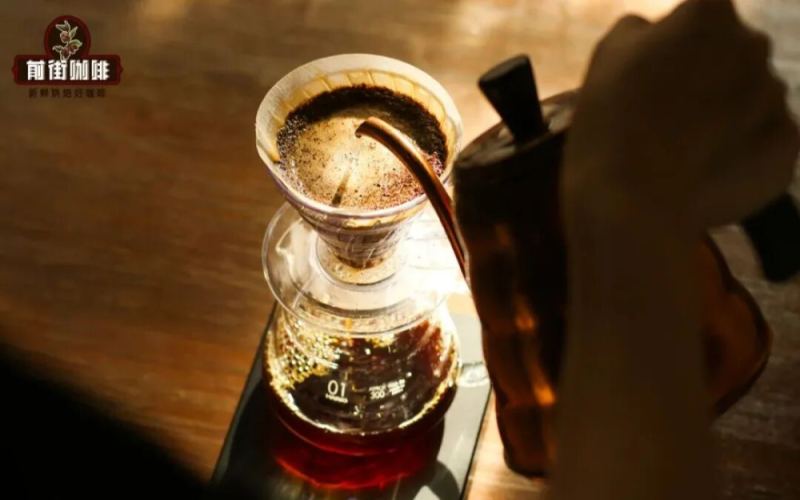
Analyzing the Differences in Pour-Over Coffee Flow Rate: Understanding Extraction Rhythm Through Roast Level, Processing Method, and Growing Altitude
Using the same set of pour-over parameters, why do some beans finish dripping in under two minutes, while others seem to pool water from start to finish? Many people new to pour-over encounter this confusion at Front Street stores. In fact, the flow rate behavior of coffee beans is not random—it is closely related to roast level, processing method, and growing altitude. Drawing on Front Street's extraction experience, this article first breaks down the three major influencing factors, then offers specific grinding and technique adjustment suggestions for anaerobic beans, dark-roasted beans, and high-altitude light-roasted beans, helping you find the right extraction rhythm for different beans. [more…]
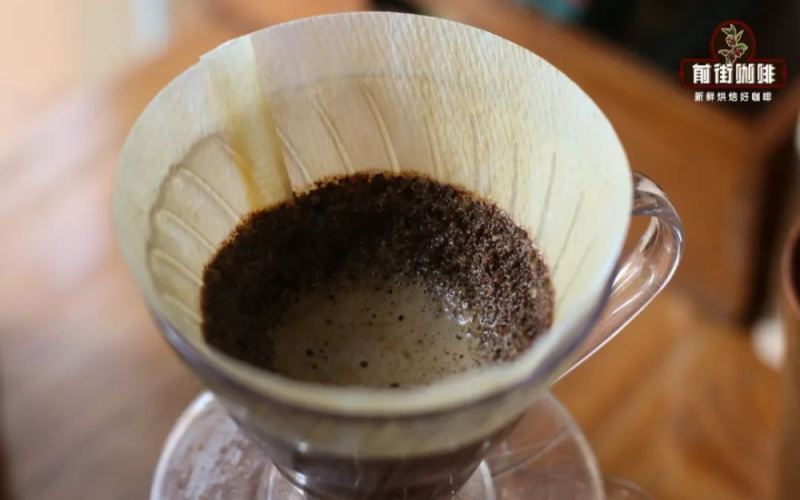
Judging the Flow Rate of Pour-Over Coffee and Analyzing the Core Factors That Affect Flow Speed
In the process of pour-over coffee, many enthusiasts encounter the same dose of coffee grounds yet vastly different extraction times—some finish smoothly in about two minutes, while others complete their drip in less than a minute and a half. What exactly determines this difference in flow rate? And what do faster or slower flow rates each signify? Drawing on the hands-on experience of Front Street Coffee, this article systematically examines the key factors affecting pour-over flow rate—including roast level, processing method, coffee bean texture and density, and grind setting—and offers adjustment strategies for abnormal flow rates, helping you judge and respond more accurately in your daily brewing. [more…]

Analysis of Coffee Flavors from Carbonic Maceration: The Wine-Making Process and Operational Flow of CM Processing
Carbonic maceration processing, also known as the CM process, falls under the category of anaerobic processing. In 2015, Sasa won the World Barista Championship with this type of coffee bean, bringing this innovative technique into the public eye. The method was inspired by red wine making, achieving fermentation by injecting carbon dioxide into a sealed stainless steel tank. The CM process has two versions, natural and washed, differing in the material fermented inside the tank. This article provides a detailed analysis of its flavor characteristics, processing flow, and key control parameters, along with related product recommendations from Front Street Coffee. [more…]
How does anaerobic fermentation change the structure of coffee beans? Parameter adjustment ideas for the too-fast drainage when brewing Rose Valley
Many coffee enthusiasts encounter a puzzle when brewing anaerobically processed coffee beans: even when they follow the grind standard for a medium roast, the water flow is noticeably fast, and the resulting cup tastes thin and lacks complexity. Behind this phenomenon is actually a close relationship with the changes that anaerobic fermentation brings to the cellular structure of coffee beans. Starting from Front Street's actual brewing tests, this article combines grind particle-size distribution data from anaerobically processed beans such as Rose Valley and Mozart to analyze the causes of the faster flow rate, and offers adjustment suggestions on both grind setting and pouring technique, helping you reproduce at home an anaerobically processed coffee that is rich in aroma and smooth in mouthfeel. [more…]
A Complete Guide to Costa Rica Baja Coffee Flavor Analysis and Raisin Honey Processing Brewing Techniques
Among the Costa Rican Musician Series, the Bach coffee bean stands out with its unique raisin honey processing method, displaying intense fermented aromas and rich sweetness, making it a favorite among many coffee enthusiasts. This article will start from the principles of raisin honey processing, thoroughly dissect the flavor characteristics of Front Street Coffee's Bach bean, and conduct brewing comparisons using the V60, cake filter, and ice-eye filter separately, recording the effects of different filter cups on flavor layers, balance, and mouthfeel, helping readers find the most suitable brewing method for themselves and fully appreciate the charm of this bean. [more…]
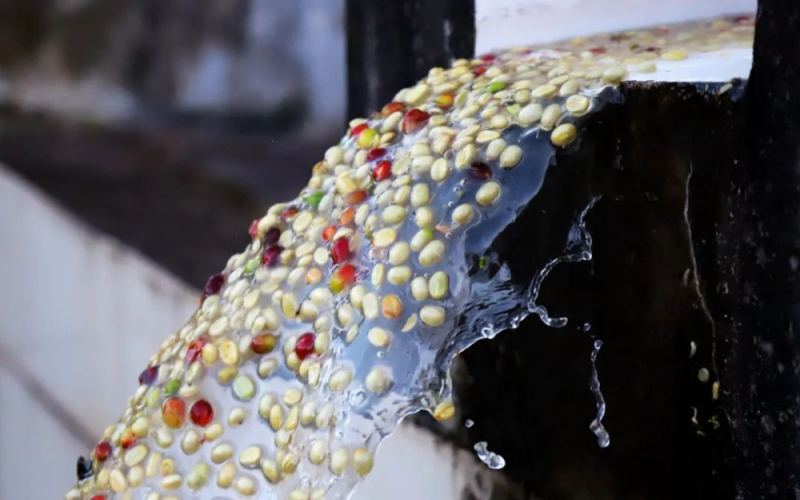
Washed Processing Method Explained: Green Bean Processing Flow, Flavor Characteristics, and a Yirgacheffe Gutingding Example
The washed processing method is currently one of the most widely used green bean processing methods in the specialty coffee field. Through multiple steps such as flotation, depulping, fermentation, washing, and drying, it effectively removes defective beans, making coffee quality more stable and resulting in a flavor profile with elevated acidity and higher cleanliness. This article will start with the structure of the coffee fruit, sort out the origins, operational steps, and flavor advantages of the washed method, and combine it with Front Street Coffee's recommended washed lot from the Yirgacheffe Gudingding Cooperative in Ethiopia to let you experience the charm of washed coffee in concrete terms. [more…]
Understanding the Sim Special Processing Method: Processing Flow and Flavor Characteristics of Bagged Fermented Coffee
In the specialty coffee world, processing methods have a huge impact on flavor. The Simon special processing method, also known as bag fermentation, is an innovative processing approach that has attracted much attention in recent years. By placing coffee cherries into sealed bags for anaerobic fermentation, it gives coffee beans unique fruity notes and spicy aromas. This article will introduce in detail the principles and specific operational process of the Simon special processing method, and use a Ethiopia Guji Simon-processed heirloom variety recommended by Front Street Coffee as an example to analyze its flavor performance. Whether you are a coffee enthusiast or a industry professional, you can gain a complete understanding of this processing method from it. [more…]

Yirgacheffe Coffee Beans | What Are the Coffee Processing Methods for Natural and Washed? How Do the Flavors of Yirgacheffe Differ After Brewing with Different Processing Methods?
When buying coffee beans, aside from paying attention to origin and flavor, we also choose coffee beans that have undergone different processing methods. This is because different processing methods bring out different flavor characteristics in coffee; even coffee from the same origin, when processed by washed and natural methods respectively, will display different mouthfeels. For example, on the Front Street Coffee menu, [more…]
Panama Elida ASD Anaerobic Low-Temperature Slow Natural Geisha: Four Pour-Over Brewer Methods and Flavor Comparison
Front Street recently acquired a Geisha coffee bean from Elida Estate in Panama, processed using the NATURAL-ASD anaerobic fermentation low-temperature slow sun-drying method—the same process used for this year's Panama BOP champion Geisha in the processing category. After the beans were properly rested, we tested brewing with a hollow filter cup, Ice Eye filter cup, cake filter cup, and diamond filter cup, standardizing the parameters to 15 grams of coffee, medium-fine grind, 90°C water temperature, and a 1:15 coffee-to-water ratio, recording the extraction time and flavor performance for each filter cup. Elida Estate is renowned for its sun-dried processing, and this ASD Geisha shines in fermentation aroma, juicy mouthfeel, and layered tea-like notes. Below, we share four specific brewing recipes and comparison results for coffee enthusiasts' reference. [more…]
The Beginner's Must-Learn One-Pour Center-Pour Method: Yirgacheffe Red Honey Process V60 Brewing Parameters and Flavor Analysis
Pour-over coffee may seem complicated, but there is actually a low-effort yet stable extraction method—the single-pour center pour. It doesn't require segmented circling; simply keep pouring continuously after the bloom, making it especially suitable for those new to pour-over. This article uses the Yirgacheffe Red Honey Red Cherry recommended by Front Street Coffee as an example, first introducing the classification of honey processing and the proportion of pectin retained, then using the Hario V60 dripper to conduct a comparative brewing of two different grind sizes: a coarse grind BG-7K paired with a longer pouring time, and a fine grind BG-6M paired with a shorter pouring time, to experience the flavor differences under the same coffee-to-water ratio and water temperature. The article also explains in detail how the V60's rib structure affects flow rate, and why pouring stability is far more important than fancy techniques. [more…]
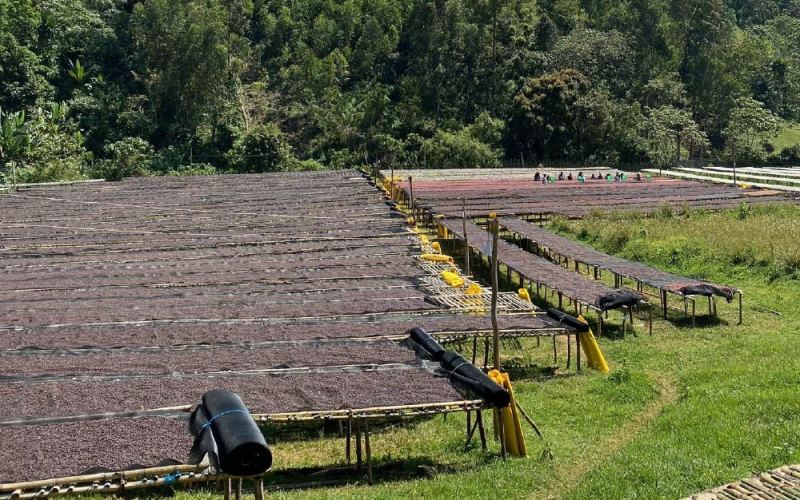
Washed vs. Natural Coffee Beans Flavor Comparison | Which Coffee Origins Use the Washed Processing Method? Washed Coffee Bean Processing Steps, Flow, and Flavor Characteristics
The washed method is currently the most widely used green bean processing method and one of the most traditional coffee processing methods. Typically, washed coffee has higher cleanliness than natural coffee, with brighter and more elevated acidity, and a more intense acidity as well. Popular options on the Front Street Coffee menu, such as the Ethiopian Gotiti Cooperative coffee beans, Kenyan [more…]
Comparing Yirgacheffe Natural and Washed Processing Methods: Flavor Differences and Pour-Over Parameter Analysis
Yirgacheffe, as a representative growing region of Ethiopian specialty coffee, presents completely distinct flavors from its natural and washed processing methods. The natural method retains the sugar of the fruit pulp, ferments fully, and brings rich tropical fruit and winey aromas; the washed method highlights the bright acidity of citrus and lemon along with white floral notes. Front Street Coffee takes the washed lot from the Gutingding Cooperative and the natural lot of Red Cherry as examples, comparing processing techniques, cupping performance, and V60 pour-over parameters one by one, helping coffee enthusiasts understand the specific effects of the two processing methods on flavor direction, and offering reusable brewing suggestions. [more…]
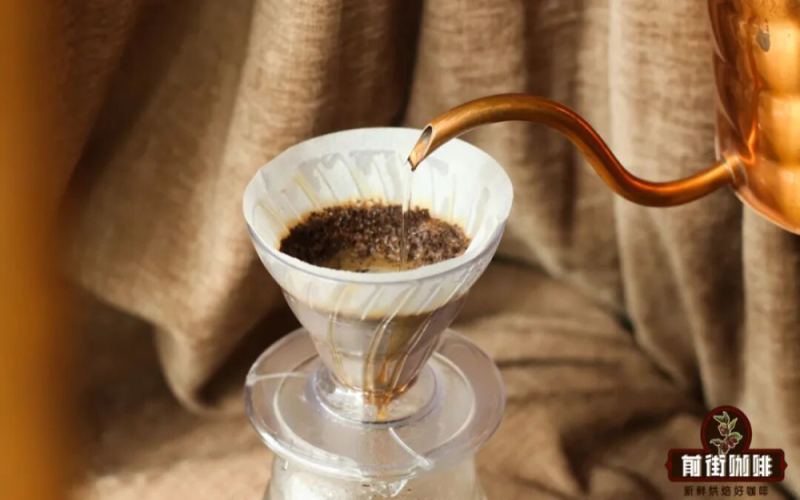
Analyzing the Causes of Abnormal Pour-Over Flow Rate: Seven Major Factors from Dripper and Filter Paper to Bean Quality and Water Flow
When brewing pour-over coffee, the drip rate of the coffee liquid often reflects the quality of the extraction. If the flow is too fast, it may lead to under-extraction and a weak, bland flavor; if the flow is too slow, it tends to over-extract, producing bitterness and off-flavors. So what exactly are the factors that influence the flow rate of coffee? Front Street Coffee will break down the key elements affecting flow rate one by one from seven aspects: the pairing of dripper and filter paper, the density and processing method of the coffee beans, the roast level, the grind size, the pouring technique, and the water level inside the dripper. Understanding the relationships among these variables will help you quickly identify the root cause the next time you encounter an abnormal flow rate and make targeted adjustments, bringing every cup of coffee closer to the ideal flavor. [more…]
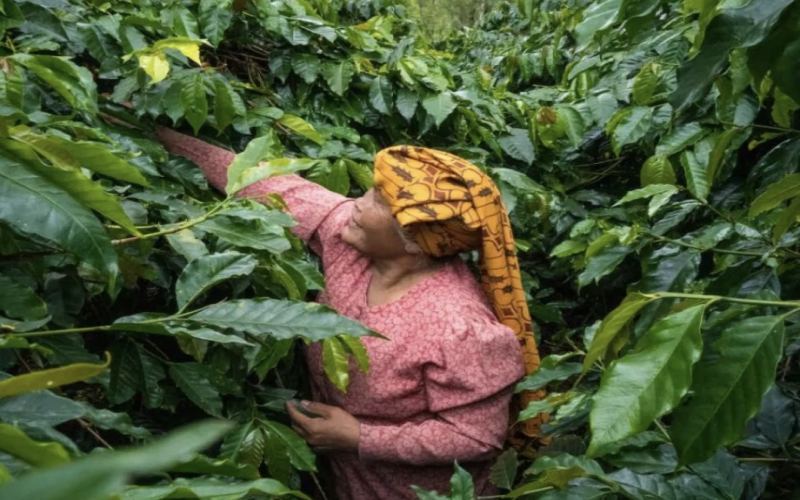
How Sumatra's wet-hulling process shapes Mandheling's herbal and spicy flavors: processing flow and quality differences explained
Sumatra Mandheling coffee from Indonesia is famous for its full-bodied mouthfeel and unique herbal and spicy notes. Beyond variety and climate factors, the wet hulling process also plays a key role in shaping these flavor characteristics. Because Indonesia has a tropical rainforest climate with high temperatures and abundant rain year-round, weak winds, and extremely high humidity, conventional washed or natural processing methods struggle to adapt to local conditions, so locals combined the two approaches to create this unique processing workflow. This article will break down each step of the wet hulling method in detail, analyze how it affects the acidity and flavor direction of coffee beans, and also point out that even when the same wet hulling process is used, beans of different quality still show noticeable differences in cleanliness and taste; beans grown at low altitude or improperly handled during drying are prone to earthy and moldy flavors. [more…]

Starting from Front Street COE22 Sun-Dried Typica: Master the Four Key Techniques for Pour-Over Flavor Expression
After Front Street Coffee launched its COE22 coffee beans, many enthusiasts reported a gap between the flavors they brewed at home and those in the shop. This article takes the Ethiopian Sidamo Arsi region sun-dried Typica that Front Street Coffee obtained at auction as an example, and systematically sorts out the complete logical chain of pour-over coffee, from understanding the flavor of the producing region, variety characteristics, and processing method to roasting curve setting and cupping verification. The article focuses on breaking down the four major variables of grind size, water temperature, dripper selection, powder-to-water ratio, and pouring technique, and uses the V60 three-pour extraction to provide reproducible brewing parameters, helping readers understand how to let a sun-dried bean rich in acidity display a smooth layering of strawberry, lychee, honey, and cream. [more…]

What Is the Difference Between Natural and Honey Processed Coffee Beans? From Processing Flow to Sweetness Performance, Explained Clearly at Once
Washed, natural, and honey processing are the three traditional coffee processing methods. Among them, natural and honey processing both carry sweetness and fermented notes, often making them hard to distinguish. From the perspective of Front Street Coffee, this article first introduces the structure of the coffee berry and the key points of screening before processing, then breaks down the complete processes of natural processing and honey processing respectively, including the drying and depulping steps of natural processing, the pectin retention ratio of honey processing, and the differences between yellow honey, red honey, black honey, and raisin honey processing. The article also compiles the roasting recommendations, cupping reports, and brewing parameters for two representative beans — Front Street Yirgacheffe Natural Red Cherry and the Front Street Musician Series Bach — helping coffee enthusiasts understand the source of flavor from the perspective of processing methods. [more…]
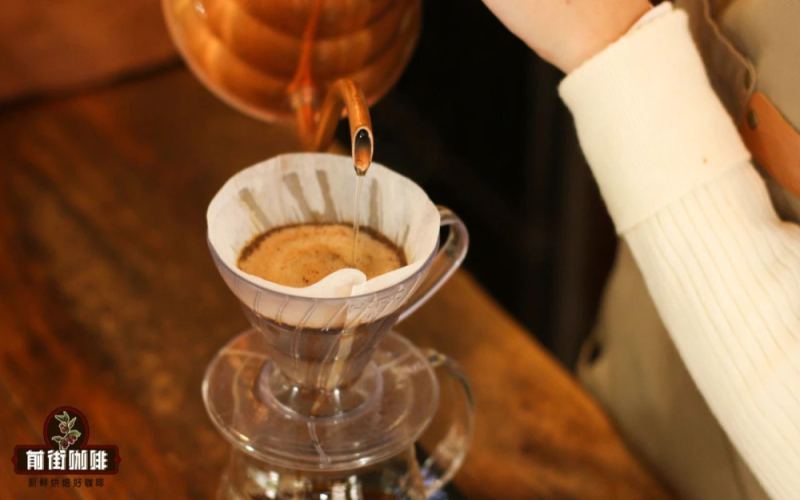
Advanced Guide to Pour-Over Coffee: The Practical Impact of Pouring Distribution and Technique Details on Flavor
Making pour-over at home, but the taste is still inconsistent even after you've dialed in your parameters? The problem often lies in "how you pour the water." This article breaks down the extraction differences between the one-pour method and the three-pour method from two dimensions—water distribution and pouring technique—and analyzes the actual effects of bloom water volume, circling speed, pouring height, flow rate, and circling range on flavor. It also includes complete brewing recipes for three highly distinctive single-origin coffees from Front Street Coffee—washed Yirgacheffe, Tarrazú, and Lintong Mandheling. Whether you're just starting out or looking to refine your technique, these details can help you find the direction for adjustment. [more…]
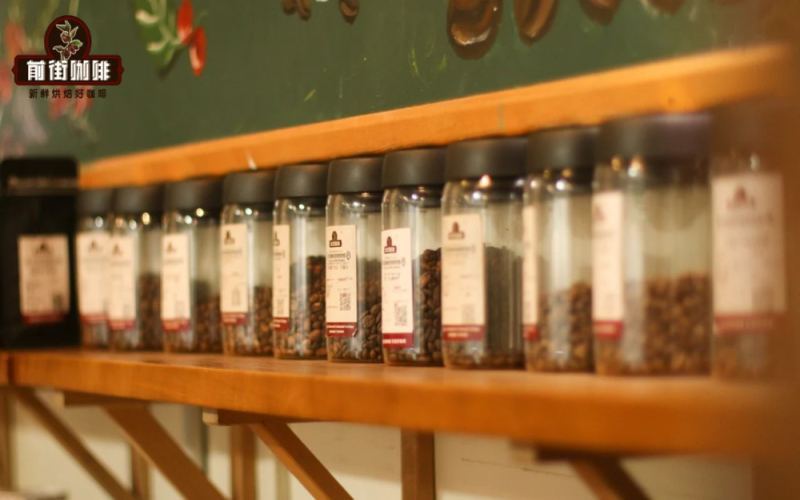
An In-Depth Analysis of Panama Elida Estate Geisha Coffee: Ultra-High-Altitude Terroir and Brewing Performance Across Various Drippers
Geisha coffee is renowned for its elegant and delicate flavors, and the Boquete region of Panama is the quintessential representative origin for specialty Geisha. This article focuses on a famous Panamanian Geisha estate—Elida Estate—and reviews its ultra-high-altitude terroir, variety composition, meticulous harvesting, and processing techniques. Centered on Front Street Coffee's Elida Estate ASD-process Geisha, it also presents roasting analysis and brewing comparisons across multiple drippers. From the estate's history to variety traceability, and from processing methods to extraction parameters, this takes you through a comprehensive understanding of this coffee's flavor sources and differences in performance. [more…]
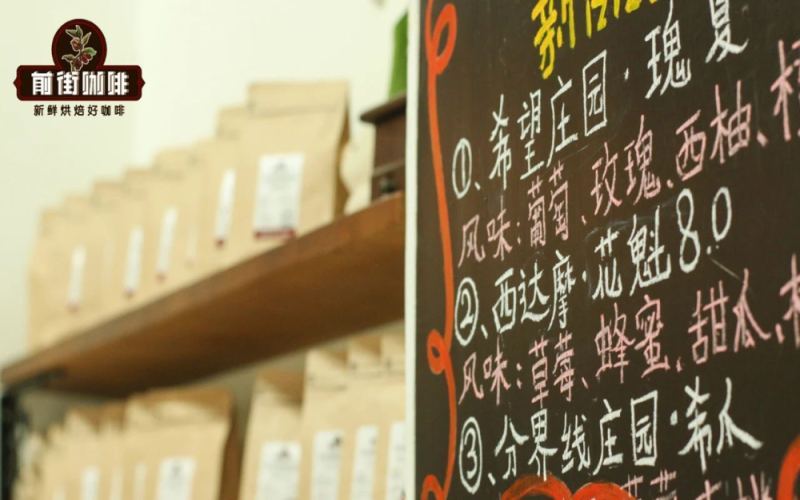
How to brew Front Street PWN Golden Mandheling with a V60? A complete guide to grind size, coffee-to-water ratio, and water temperature adjustments
Many coffee enthusiasts, after purchasing Front Street PWN Golden Mandheling coffee beans, find that when they brew at home according to the parameters on the QR code on the packaging, the flavor differs noticeably from what the café produces. The problem often lies with the dripper—Front Street's café uses the Kono Meimon dripper, while most people use a V60 at home. The flow rate and extraction logic of the two drippers are completely different, so simply applying the same parameters makes it hard to replicate the result. This article will systematically explain how to brew a rich, full-bodied Golden Mandheling with a V60—from grind size calibration, coffee-to-water ratio, and water temperature to the three-pour technique—so that the unique flavor of Indonesia Sumatra's wet-hulled processing method can be consistently presented at home. [more…]
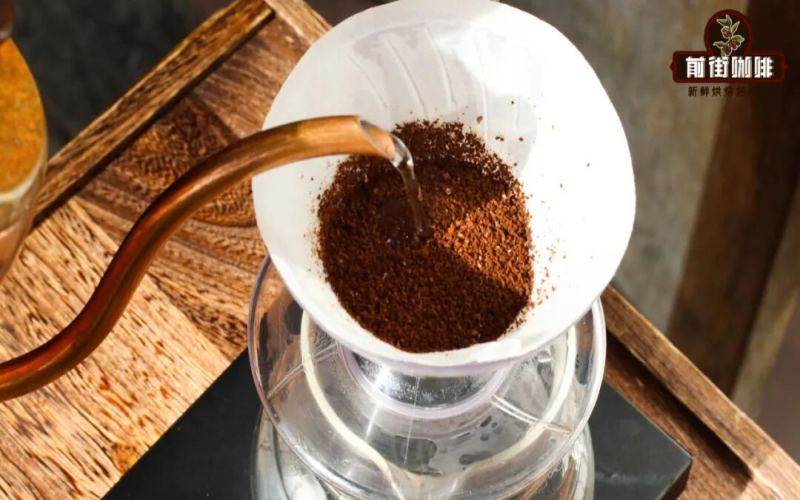
Anaerobic Coffee Pour-Over Tutorial | What Are the Characteristics of Anaerobic Coffee Beans? What Adjustments Are Needed When Using Anaerobic Beans for Pour-Over? How to Brew Anaerobic Coffee with a Juicy Mouthfeel?
Compared to other conventional processing methods, anaerobically processed coffee beans usually have a more intense and more distinctive flavor (for the most part), because their fermentation tends to go a bit deeper. For example, the Front Street 90+ Eleta on the Front Street Coffee menu has obvious notes of longan, spice, and citrus. [more…]