







Why do coffee bean producing countries favor washed processing?
Washed processing turns harvested coffee fruit into green coffee beans through flotation, depulping, fermentation, scrubbing, and drying. It removes defective beans, makes coffee quality more stable, and yields bright acidity with higher cleanliness. The method emerged in the 19th century because early natural sun-drying was rough and produced high defect rates.
A coffee fruit holds skin, pulp, mucilage, parchment, silver skin, and the seed inside. Ethiopia, Kenya, and Rwanda have long relied on sun-drying, but beans dried on mud or rooftops can pick up earthy odors or over-ferment. Many coffee bean producing countries with ample water turned to washing, and Ethiopia's Gotiti Cooperative offers a washed example.
The washed processing method is currently one of the most widely used green bean processing methods in the specialty coffee field. Through multiple steps such as flotation, depulping, fermentation, scrubbing, and drying, it effectively removes defective beans, making coffee quality more stable and presenting flavors with bright acidity and higher cleanliness. This article will start from the structure of the coffee fruit, sort out the origin, operational steps, and flavor advantages of the washed method, and combine it with the washed batch from the Yirgacheffe Gotiti Cooperative in Ethiopia recommended by Front Street Coffee to let you experience the charm of washed coffee specifically.
The so-called washed processing method is a set of procedures for processing harvested coffee fruits into green coffee beans. This craft emerged because early natural sun-drying methods were relatively rough, leading to a high defect rate in the final product. To improve the overall quality of coffee beans, producers began to seek stable output methods starting from the processing stage, and washed processing gradually took shape under such demands.
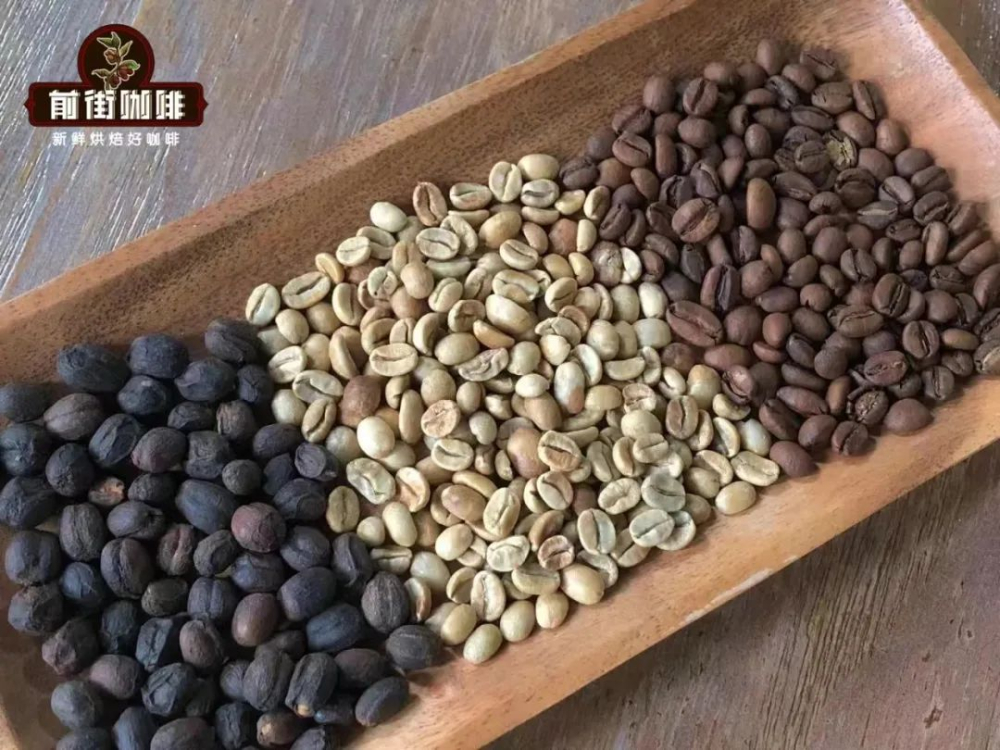
A coffee fruit consists, from outside to inside, of the skin, pulp, mucilage, parchment, silver skin, and seed. The coffee we drink daily is precisely the innermost seed. Common natural processing methods include sun-drying and washing, while some origins adopt honey processing or wet-hulling based on their own conditions. As processing technology continues to evolve, many innovative processing methods with variations on these have also appeared, such as anaerobic natural, carbonic maceration, and enzyme-washed.
In traditional practices, coffee fruits are spread directly on the ground to dry after harvest until they shrink to a state similar to raisins, and then the outer shell is removed by machine to obtain the beans inside. African origins such as Ethiopia, Kenya, and Rwanda have excellent sunlight conditions and have long been accustomed to using this sun-drying method. However, due to relatively rough operations, coffee beans placed directly on mud or rooftops for drying can easily absorb earthy odors or over-ferment due to uneven heating, ultimately dragging down coffee quality.
Since the advent of the washed processing method in the 19th century, many American origins, especially countries with abundant water resources, have abandoned sun-drying in favor of washing, hoping to improve coffee quality through washing. Today, washed processing still accounts for a considerable proportion globally. Next, let's look at the specific operational steps of washing.
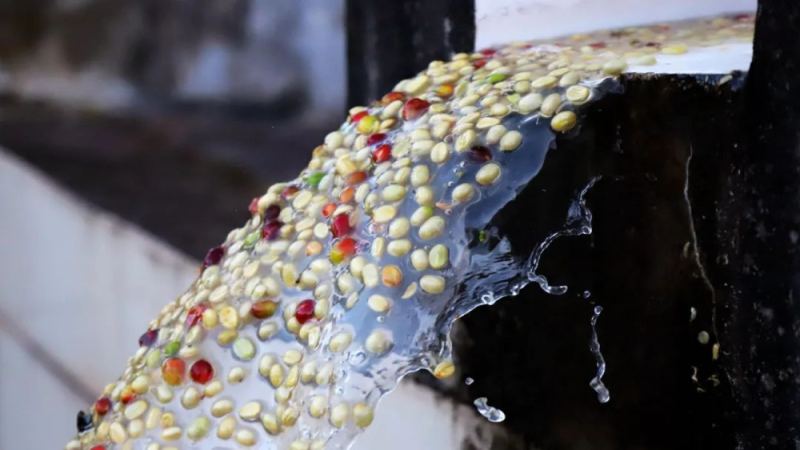
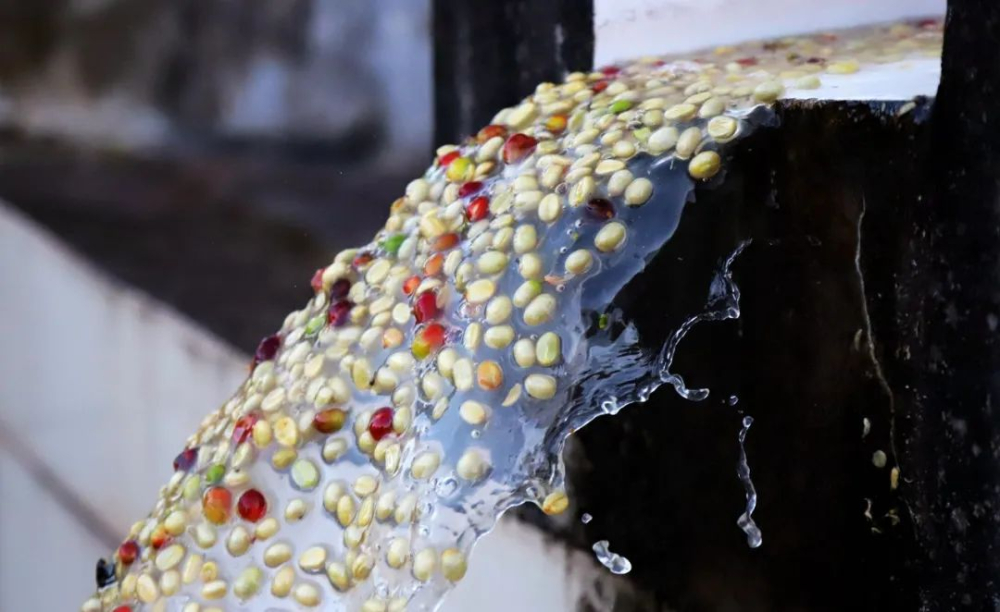
Before washing, coffee beans are usually first subjected to flotation: freshly harvested fruits are placed in water, and buoyancy is used to separate out insufficiently ripe fruits. Then, the skin and pulp of the berries are removed with a depulper. At this point, the coffee beans are slippery on the surface, and workers send them into fermentation tanks to rest overnight. During fermentation, the mucilage produces acidic substances that promote the decomposition and detachment of the mucilage from the beans. After fermentation ends, a small amount of mucilage still remains on the parchment beans, so tools are needed to scrub for 30 to 60 minutes, combined with flowing water rinsing, to thoroughly clean off the pulp. Special channels combined with water flow can remove low-density, inferior beans, and then the high-quality coffee beans are drained and spread on racks or drying nets for drying. Once the moisture content reaches the target value, they can be packaged and stored.
Multiple stages of washing can screen out defective beans, greatly reducing the defect ratio of coffee and making quality more stable. Because there is no pulp covering the outer layer during drying, the flavor has bright acidity and higher cleanliness, which can highlight the flavor characteristics of a single origin. Therefore, if you want to understand the "terroir" or "regional flavor" of an origin, Front Street suggests starting with its washed batch. Washing is also a processing method that Front Street particularly favors, and dozens of coffee beans on the bean list use washed processing. Below, Front Street will take a Yirgacheffe Gotiti coffee bean from Ethiopia as an example to introduce the characteristics of washed coffee beans.
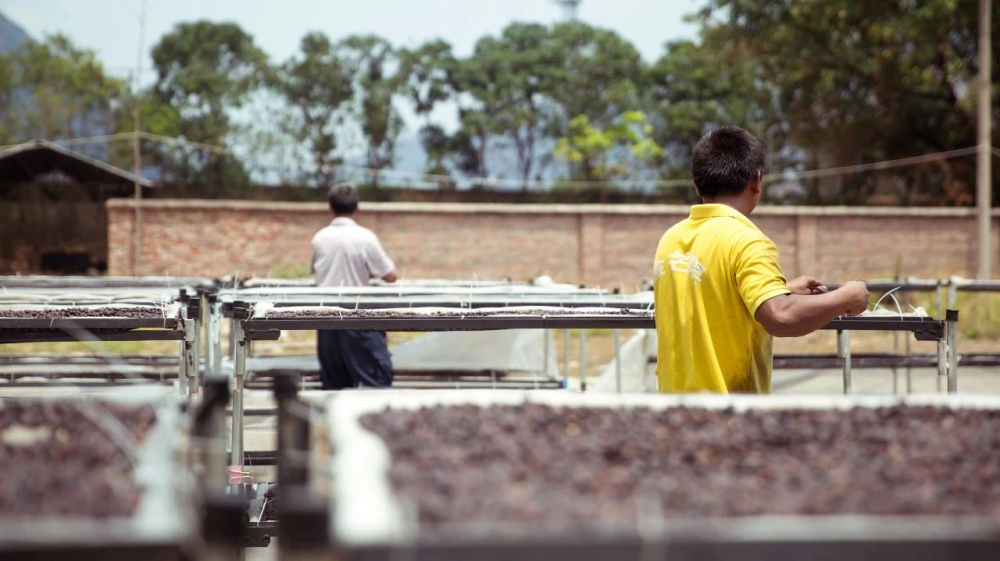
The Gotiti Cooperative (Banko Gotiti) was originally affiliated with the Worka Cooperative under the Yirgacheffe Coffee Farmers Cooperative Union YCFCU (comprising 26 cooperatives and 45,000 members). Later, with its mature washing skills, it became independent in 2012 and became a widely known team. In 1972, Ethiopia introduced washed processing technology from Central and South America. Cooperative members uniformly sort, clean, ferment, and remove the skin and mucilage from purchased coffee cherries, then place them on raised beds for drying. Every step must be handled properly to ensure the quality of the final coffee produced.
Washed processing freed Yirgacheffe coffee from its previous uneven quality, and medium-light roasting preserves Yirgacheffe's fresh citrus notes and elegant white floral aroma, with an overall flavor that is bright and delicate. For this reason, Yirgacheffe became independent from the Sidama producing region and became a well-known origin celebrated in the coffee world today.
For professional coffee knowledge exchange and more coffee bean information, please follow Coffee Workshop (WeChat public account: cafe_style)
For more specialty coffee beans, please add the private WeChat of Front Street Coffee (FrontStreet Coffee), WeChat ID: qjcoffeex
The above content is compiled by CoffeeHunters, a coffee news website.


