







How does wet hulling give Mandheling coffee its flavor?
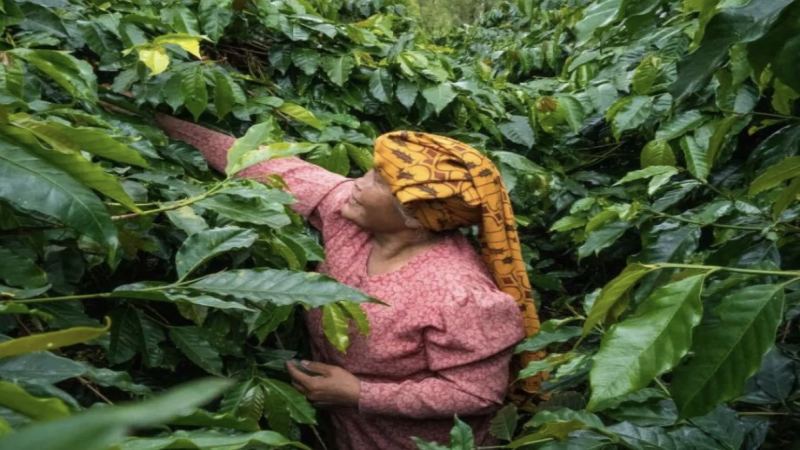
Sumatra Mandheling earns its herbal, spicy notes and full body largely from wet hulling. Indonesia's tropical rainforest climate brings constant heat, heavy rain, weak wind, and high humidity, so fully washed processing wastes water and natural processing risks the fruit not drying safely. Locals combined both methods to speed drying and limit coffee mold.
In wet hulling, the parchment is removed while the beans are still soft and moist, then the beans are dried further. This shortens the time to a stable moisture level but raises the risk of earthy and musty flavors. Beans grown at low altitude or dried carelessly show these defects most clearly, while well-handled lots stay cleaner and more defined in the cup.
Sumatra Mandheling coffee from Indonesia is famous for its full-bodied mouthfeel and unique herbal, spicy notes. Beyond variety and climate factors, the wet hulling process also plays a key role in shaping this flavor profile. Because Indonesia has a tropical rainforest climate with high temperatures and heavy rainfall year-round, weak winds, and extremely high humidity, conventional washed or natural processing methods are hard to adapt to local conditions, so locals combined the two approaches to create this unique processing workflow. This article will break down each step of the wet hulling method in detail, analyze how it affects the acidity and flavor direction of coffee beans, and also point out that even with the same wet hulling process, beans of different quality still show noticeable differences in cleanliness and taste, and beans grown at low altitude or improperly handled during drying are prone to earthy and musty flavors.
For more specialty coffee knowledge, please follow the WeChat official account: FrontStreet Coffee
Indonesia is widely recognized as a hot and humid region. Its tropical rainforest climate keeps temperatures high year-round, brings frequent rainfall, and creates weak air circulation with persistently high humidity. In this environment, not only is it uncomfortable for people, but even drying plants to the point where they will not mold is quite difficult.
Yet Indonesia happens to be a major coffee-producing country, especially the Mandheling coffee grown in the Sumatra region, which enjoys extremely high attention in the global coffee market. For this reason, how to speed up the drying process of Mandheling coffee and prevent mold during drying became a problem Indonesians kept thinking over.
If the traditional washed method were followed, first fermenting in a tank and then removing the pulp and mucilage, it could indeed shorten the time needed for drying, but this approach is not environmentally friendly—not only does it consume a large amount of clean water, but the acidic wastewater after fermentation also places a burden on the environment.
If natural processing were used instead, letting the coffee cherries dry directly with skin and pulp, it would be very difficult to dry the fruit to a level safe for storage. So Indonesians came up with a clever solution, combining the strengths of both processing methods into one and creating the wet hulling method, also called wet hulling (Wet Hulling), used only in Indonesia.
In practice, coffee farmers first pick ripe coffee cherries and pour them into a water tank for flotation, removing debris, dust, and unripe cherries. Then the selected cherries are sent to a depulper to remove the outer skin and pulp while retaining the mucilage layer. The green coffee beans with mucilage are placed in a tank for 12 to 36 hours of fermentation, allowing the mucilage layer to gradually break down and fall off.
Next, the coffee beans are rinsed with plenty of clean water. After washing, they are spread on the ground for a short drying period of about two days, bringing the moisture content down to 30% to 50%. At this point the beans are in a semi-soft, semi-hard state, and they are then sent to a huller to remove the parchment.
Because the beans are half soft and half hard, removing the parchment requires greater force. Under this strong squeezing, the coffee beans are easily damaged, forming what is commonly called goat-foot beans (split open on one side). Finally, the processed coffee beans still need about two days of strong sun drying until the moisture content drops to around 12%, and only then is the entire processing flow complete.
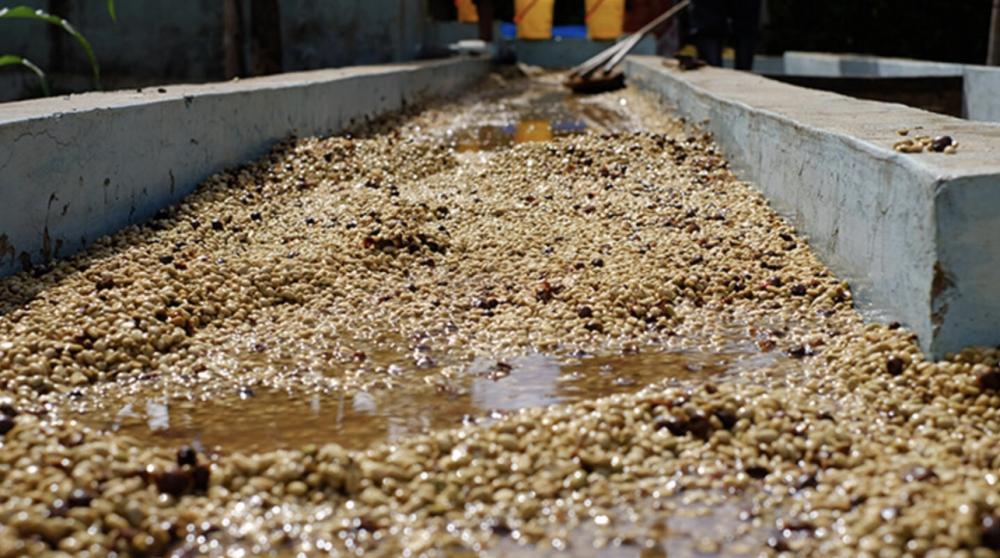
Through FrontStreet Coffee's observation, after drying is completed and the parchment is removed, Mandheling green beans appear blue-green in color, smell of grass and herbs, and have a bean shape resembling a goat's hoof or horse's hoof.
Beans processed this way have lower acidity compared with the washed method. FrontStreet Coffee believes that the reason Indonesian Mandheling coffee has such a full-bodied flavor and unique notes such as herbs and spices depends not only on variety and climate; wet hulling is also one of the key factors shaping the distinctive taste of Mandheling coffee.
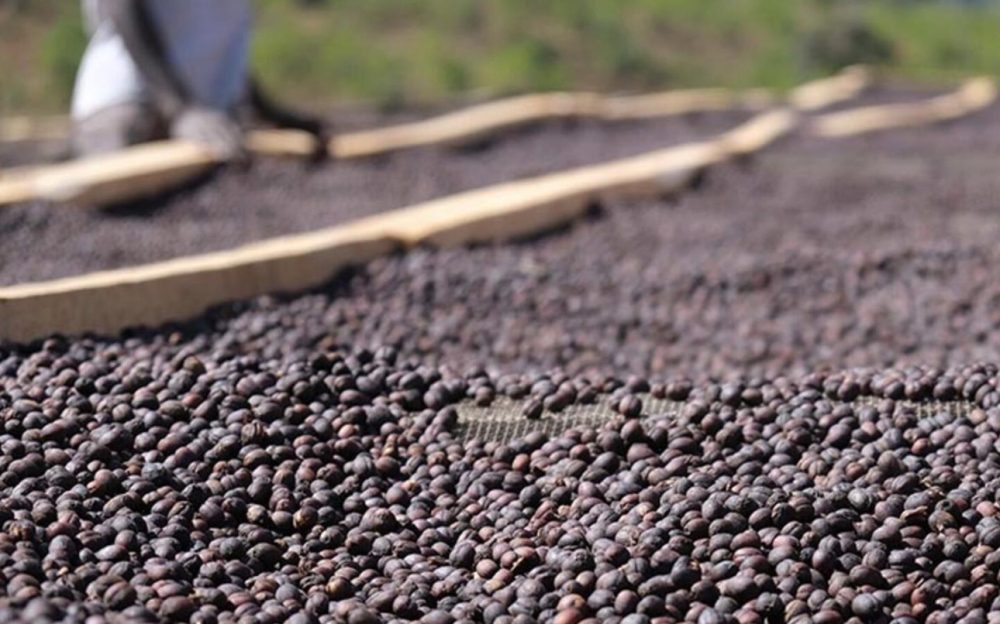
Of course, Mandheling coffee beans of different quality, even when using the same wet hulling process, will still show clear differences in taste and cleanliness. If the coffee beans themselves are of poor quality (for example, grown at low altitude) and are not properly handled during drying, they are very likely to develop earthy and musty flavors.
The above content is compiled by CoffeeHunters, a coffee news website.


